menu

Winter Roof Maintenance Tips in Louisville – Protect Your Investment Before Ice Dams and Freeze-Thaw Damage Strike

Get a comprehensive winter roof care guide from local roofing professionals who understand Louisville's unpredictable freeze-thaw cycles, ice dam risks, and how to protect your roof before the next cold snap hits.

Slider Image 1
Slider Image 2
Slider Image 3
Slider Image 4
Slider Image 5
Slider Image 7
Slider Image 8
Slider Image 9
Slider Image 10
Slider Image 11

Why Louisville Winters Demand Proactive Roof Care

Louisville sits in a climatic middle zone where winters are unpredictable. You can wake up to 28 degrees with ice on the gutters, then hit 55 degrees by afternoon. This freeze-thaw cycle is brutal on roofing systems. Water seeps into microscopic cracks when temps climb, then freezes overnight and expands. That expansion forces shingles apart, widens flashing gaps, and creates pathways for leaks.

Ice dams form along the eaves when heat escapes through your attic, melts snow on the upper roof, and the runoff refreezes at the colder roof edge. The ice backs up under the shingles and pushes water into the decking. You see the brown ceiling stain weeks later, long after the damage is done.

Cold weather roofing upkeep is not optional in this region. The Ohio River valley humidity means moisture stays trapped in roofing materials longer. When temperatures drop fast, that moisture freezes inside the substrate. Shingles lose granules. Flashing pulls away from chimneys and valleys. Gutters sag under ice weight.

Preparing your roof for winter is about stopping small issues before they become expensive failures. A roof maintenance checklist for winter should address ventilation, insulation, flashing integrity, and drainage. You cannot control the weather, but you can control how your roof responds to it. Winterizing your roof means inspecting it before the first hard freeze and addressing vulnerabilities while conditions are still workable.

Why Louisville Winters Demand Proactive Roof Care
The Core Elements of Effective Cold Weather Roofing Upkeep

The Core Elements of Effective Cold Weather Roofing Upkeep

A winter roof care guide starts with attic ventilation and insulation. If your attic is warmer than the outside air, you are creating the perfect environment for ice dams. Ridge vents and soffit vents need to be clear. Insulation should meet R-38 minimum for Louisville's climate zone. Warm air escaping through the roof deck is the primary driver of winter roof damage.

Next, inspect every penetration point. Chimneys, plumbing vents, skylights, and HVAC exhaust stacks all have flashing that seals the roof deck. Flashing is typically aluminum or galvanized steel. It expands and contracts with temperature swings. Check for gaps, rust, or lifted edges. Even a quarter-inch separation allows water infiltration. Step flashing along chimneys is particularly vulnerable.

Gutters and downspouts must drain freely. Clogged gutters trap water that freezes and adds weight load to the fascia. Ice pushes back under the drip edge and soaks the roof decking. Clean gutters before the first freeze. Check that downspouts discharge at least six feet from the foundation to prevent water from pooling near the structure.

Shingle condition matters. Missing granules expose the asphalt mat to UV and moisture. Curling edges allow wind-driven rain and snow to penetrate. Cracked or broken shingles should be replaced before winter. Cold temperatures make shingles brittle, so repairs are harder once the weather turns.

Fortress Roofing Louisville performs thermal imaging inspections to identify heat loss patterns in the roof deck. This reveals insulation gaps and ventilation failures that are invisible from the ground. Addressing these issues before winter prevents ice dam formation and extends roof lifespan.

How We Prepare Your Roof for Winter Conditions

Winter Roof Maintenance Tips in Louisville – Protect Your Investment Before Ice Dams and Freeze-Thaw Damage Strike
01

Attic and Ventilation Assessment

We start inside your attic to measure insulation depth, check ventilation airflow, and identify heat loss sources. Thermal imaging reveals warm spots where conditioned air escapes through the roof deck. We verify that soffit vents are not blocked by insulation and that ridge vents are functioning. Proper attic temperature is critical to preventing ice dams and prolonging shingle life in Louisville's variable winter climate.
02

Roof Surface and Flashing Inspection

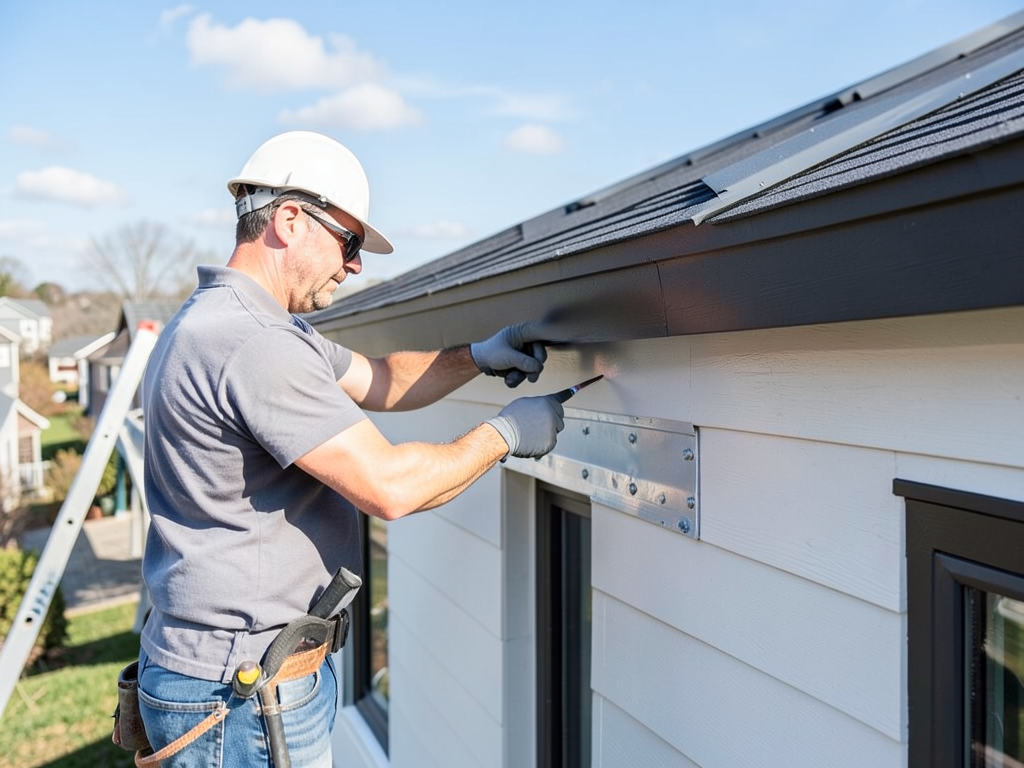
We walk the roof to inspect shingle condition, flashing integrity, and penetration seals. Every valley, chimney, vent stack, and roof-to-wall transition is checked for gaps or deterioration. We document missing granules, lifted shingles, and compromised sealant. This inspection identifies vulnerabilities that will fail under freeze-thaw stress. We prioritize repairs based on risk level so you can address the most critical issues before the first winter storm.
03

Gutter and Drainage Clearing

We clean gutters, downspouts, and roof valleys to ensure water flows off the roof and away from the foundation. We check gutter hangers for stability and verify that downspout extensions discharge properly. Clogged drainage systems cause ice buildup and water backup under shingles. We also inspect the drip edge and fascia for rot or damage. A clear drainage system is the final defense against winter water intrusion and ice dam formation.

Why Louisville Homeowners Trust Local Roof Maintenance Expertise

Louisville's architectural diversity demands specific roofing knowledge. Historic homes in Old Louisville feature slate and tile roofs with unique flashing requirements. Mid-century ranches in Highlands and Crescent Hill have low-slope sections that pool water. Newer subdivisions in Middletown and Prospect use dimensional shingles that require different maintenance protocols than the three-tab shingles on older homes.

Local building codes require specific wind ratings for shingles due to the region's exposure to severe thunderstorms and occasional tornadoes. A contractor familiar with Louisville's code requirements ensures your roof meets the IBC wind speed standards for this area. Out-of-town contractors often miss these nuances.

The freeze-thaw cycle here is more aggressive than in regions with consistent cold. Northern roofers are accustomed to snow that stays frozen. Southern roofers rarely deal with ice dams. Louisville sits in the middle, where roofs endure both. That requires a maintenance approach tailored to rapid temperature fluctuations.

Fortress Roofing Louisville has worked on roofs across Jefferson County for years. We know which neighborhoods have chronic drainage issues due to clay soil grading. We understand how the humidity from the Ohio River accelerates shingle aging. We have repaired ice dam damage on hundreds of homes and know exactly where to look for the early warning signs.

Choosing a local roofer means faster response times, familiarity with local suppliers for matching materials, and a reputation tied to this community. We do not disappear after the job. We live here. Our work is visible in every neighborhood we serve. That accountability matters when you are trusting someone to protect your largest investment.

What to Expect When You Prepare Your Roof for Winter

Inspection Timing and Turnaround

Schedule your winter roof maintenance inspection in late September or early October, before temperatures drop below 40 degrees consistently. Cold weather makes shingles brittle and harder to work with. Most inspections take two to three hours depending on roof size and complexity. We provide a written report within 24 hours that prioritizes repairs by urgency. Minor repairs can often be completed the same week. Larger projects may require scheduling, but we aim to finish all winter prep work before mid-November when conditions become less predictable.

Detailed Roof and Attic Evaluation

The evaluation includes both exterior roof surface inspection and interior attic assessment. We document shingle condition with photos, measure insulation depth, test ventilation airflow, and inspect all flashing and penetrations. Thermal imaging identifies hidden heat loss. We check for signs of previous leaks, mold growth, or structural damage. You receive a comprehensive report that explains each finding in plain language, not jargon. We explain which issues are urgent and which can wait until spring. The goal is to give you a clear understanding of your roof's condition and a realistic maintenance plan.

Quality of Repairs and Materials

All repairs use materials rated for Louisville's climate. Flashing repairs use corrosion-resistant aluminum or copper. Shingle replacements match your existing roof in color and style. Sealants are rated for freeze-thaw cycles and remain flexible in cold temperatures. We do not use shortcuts or inferior materials that will fail in six months. Every repair is performed to manufacturer specifications. Fasteners are placed correctly. Sealant is applied at the proper thickness. The work is done right the first time so you do not face the same issue next winter.

Follow-Up and Spring Reassessment

After winter, we recommend a spring follow-up inspection to assess how your roof handled the season. Freeze-thaw damage can appear months after the initial stress. We check for new leaks, shingle lifting, or flashing separation. This follow-up is included with your initial winter maintenance service. If we identify new issues, we explain what caused them and how to prevent recurrence. Regular seasonal inspections catch problems early and extend the life of your roof. We also offer maintenance plans that include biannual inspections and priority scheduling for repairs.

Frequently Asked Questions

You Have Questions,
We Have Answers

How to prepare your roof for winter? +

Start by clearing gutters and downspouts of leaves and debris to prevent ice dams. Inspect shingles for cracks, curling, or missing pieces. Check flashing around chimneys and vents for gaps. Trim overhanging branches that could fall during ice storms. Louisville's freeze-thaw cycles stress roofing materials, so look for loose or damaged areas now. Examine attic ventilation to prevent moisture buildup. If you spot soft spots or sagging, call a professional before winter weather hits. A pre-winter inspection catches small problems before they become expensive leaks during January cold snaps.

What can I sprinkle on my roof to prevent moss? +

Zinc sulfate or zinc sulfate monohydrate works to kill moss without damaging shingles. Apply dry powder evenly across affected areas on a dry day. Rain activates the zinc and spreads it downward. Another option is copper sulfate, but use it sparingly. Louisville's humidity encourages moss growth, especially on north-facing slopes with tree shade. Avoid bleach or harsh chemicals that degrade asphalt shingles. For lasting prevention, install zinc or copper strips near the ridge. The metal releases ions each time it rains, creating a hostile environment for moss and algae.

What do roofers do for work in the winter? +

Roofers in Louisville handle winter emergency repairs like leak patches and tarp installations. They perform interior work such as attic insulation upgrades and ventilation improvements. When temperatures allow, they replace sections on steep slopes or south-facing roofs that warm up faster. Many focus on insurance claims, estimates, and planning for spring installations. Commercial flat roof work continues if conditions permit. They also inspect chimneys, replace flashing, and seal penetrations. Winter is slower for full replacements, so roofers use the time for maintenance jobs, gutter work, and preparing materials for the spring rush.

What temperature is too cold for roofing? +

Asphalt shingles become brittle below 40 degrees Fahrenheit. Most manufacturers recommend installation above 45 degrees. Louisville winter temps often drop below freezing, making shingles prone to cracking when nailed. Adhesive strips will not seal properly in cold weather, risking wind damage. Metal roofing can be installed in colder temps, but worker safety becomes the concern with ice and snow. Emergency repairs happen regardless of temperature, but full replacements wait for spring. If you need winter work, choose days above 50 degrees and schedule morning starts before temperatures drop.

Should I insulate the underside of my roof? +

Insulating the underside of your roof deck creates a conditioned attic, which helps with energy efficiency. This approach works for cathedral ceilings or when converting attic space. Louisville homes typically insulate the attic floor instead, keeping conditioned air in living spaces. Spray foam on the roof deck stops ice dams by eliminating temperature differences. It also prevents moisture problems if done correctly with vapor barriers. The downside is cost and reduced attic ventilation. For most Louisville homes, floor insulation plus proper ventilation delivers better value. Consult an insulation specialist before changing your attic thermal boundary.

Can I apply roof Maxx myself? +

Roof Maxx requires professional application. The product uses soy-based oil to restore flexibility to asphalt shingles, but the equipment and technique matter. Professionals use calibrated sprayers to ensure even coverage and proper saturation. DIY attempts risk uneven application, overspray on siding, and wasted product. You also need to assess whether your roof qualifies. Shingles with severe granule loss or structural damage will not benefit. Louisville humidity can complicate drying times. Licensed applicators know how to work around weather conditions and guarantee results. Hiring a pro protects your investment and your roof warranty.

Do zinc strips really work on roofs? +

Zinc strips work by releasing zinc carbonate when rain hits the metal. This runoff inhibits algae, moss, and lichen growth on shingles below the strip. Louisville's wet climate makes them effective for prevention. Install strips near the ridge, exposing two inches of metal. They work best on roofs without heavy tree coverage. Existing growth requires removal first. Zinc strips last 10 to 20 years and cost less than repeated chemical treatments. Copper strips work similarly but cost more. For north-facing slopes with persistent moss, combine zinc strips with regular gutter cleaning.

What is the white powder people put on their roofs? +

The white powder is likely zinc sulfate, used to kill moss and algae on asphalt shingles. Some homeowners use calcium chloride for ice dam prevention, but this damages roofing materials and plants below. Zinc sulfate is safer and prevents regrowth for months. Louisville roofs face algae staining from humidity and shade. Apply zinc powder on a dry day before rain. The powder activates with moisture and washes down the roof, killing organic growth. Avoid using rock salt or bleach-based powders. For stubborn stains, professional soft washing delivers better results without shingle damage.

What time of year should you remove moss from your roof? +

Remove moss in late spring or early fall when temps are moderate and shingles are pliable. Louisville's mild fall weather is ideal. Avoid winter removal when shingles are brittle and prone to cracking. Moss traps moisture against the roof deck, causing rot and leaks. Use a soft brush or low-pressure water to dislodge moss. Never use a pressure washer, which strips protective granules. After removal, apply zinc sulfate to prevent regrowth. Install zinc strips for long-term control. If moss has lifted shingles or created gaps, repair those areas immediately to prevent water infiltration.

Does roof Maxx really work? +

Roof Maxx restores oil to dried-out asphalt shingles, improving flexibility and extending life by up to five years per application. Independent testing shows it works on shingles that still have adequate granule coverage. Louisville's temperature swings dry out shingles faster, making rejuvenation appealing. The product will not fix structural issues, broken shingles, or severe granule loss. It works best on roofs 6 to 15 years old showing early aging signs. Results vary based on roof condition and climate exposure. Get a professional assessment before investing. For roofs past 20 years, replacement often makes more financial sense.

How Louisville's Clay Soil and Humidity Affect Winter Roof Performance

Louisville is built on expansive clay soil that shifts with moisture changes. When the ground freezes, the soil contracts and pulls foundations slightly. When it thaws, the soil expands and pushes back. This movement is subtle but constant. It stresses roof structures, particularly where roofs connect to walls or chimneys. Flashing that was tight in summer can separate in winter due to this shifting. The high humidity from the Ohio River valley means roofing materials stay damp longer, which accelerates freeze damage. Moisture trapped in shingles or decking freezes and expands, creating cracks that would not appear in drier climates.

Roofing contractors who do not work regularly in this region do not anticipate these factors. They apply generic maintenance protocols that work in other climates but miss Louisville-specific vulnerabilities. Local expertise means understanding how humidity affects asphalt shingle curing, how soil movement stresses flashing connections, and which neighborhoods experience more severe ice dam issues due to tree canopy and sun exposure. Fortress Roofing Louisville has maintained roofs through dozens of Louisville winters. We know which repairs hold up and which fail. That knowledge comes from years of work in this specific environment, not a training manual.

Roofing Services in The Louisville Area

Fortress Roofing Louisville is proud to serve the entire metro area and surrounding communities. We've included a map here to help you easily locate our main office and visualize the broad service region we cover, ensuring that expert, trustworthy roofing help is always within reach for our neighbors. If you are located slightly outside the highlighted area, please call us—we are often able to accommodate projects across a wider geographic region to provide our quality services to those who need it most.

Address:
Fortress Roofing Louisville, 10200 Forest Green Blvd, Louisville, KY, 40223

Additional Services We Offer

Our news updates

Latest Articles & News from The Blogs

Why Modern Shed Style Roof Additions in the Highlands Leak More Often The sloped single-plane design of modern shed roof…

Why Modern Shed Style Roof Additions in the Highlands Leak More Often

Why Modern Shed Style Roof Additions in the Highlands Leak More Often The sloped single-plane design of modern shed roof…

Choosing the Right Roof for a Modern Farmhouse in Polo Fields or Shakes Run

Choosing the Right Roof for a Modern Farmhouse in Polo Fields or Shakes Run Modern farmhouses in Louisville’s Polo Fields…

The Real Cost of Solar Shingles for Eco Friendly Homes in the East End

The Real Cost of Solar Shingles for Eco Friendly Homes in the East End Solar shingles represent a revolutionary roofing…

Contact Us

Do not wait until you see a ceiling stain or ice buildup. Call (502) 678-7557 now to schedule your winter roof maintenance inspection. We will identify vulnerabilities and complete repairs before cold weather arrives.