menu

Rotting Fascia Boards in Louisville – Expert Diagnosis Before Roof Failure Spreads

We identify hidden water damage and decaying fascia wood before it compromises your roofline, gutters, and structural integrity across the Louisville metro.

Slider Image 1
Slider Image 2
Slider Image 3
Slider Image 4
Slider Image 5
Slider Image 7
Slider Image 8
Slider Image 9
Slider Image 10
Slider Image 11

Why Louisville Homes Get Fascia Board Rot Faster Than You Think

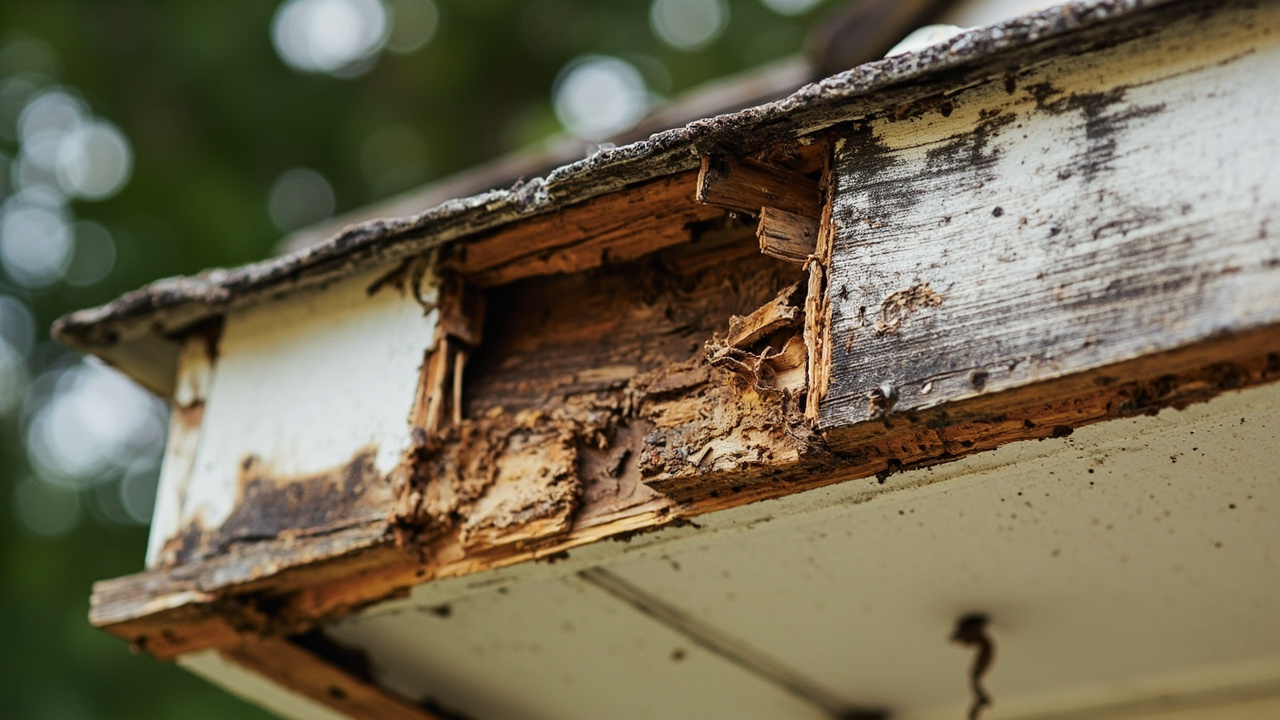
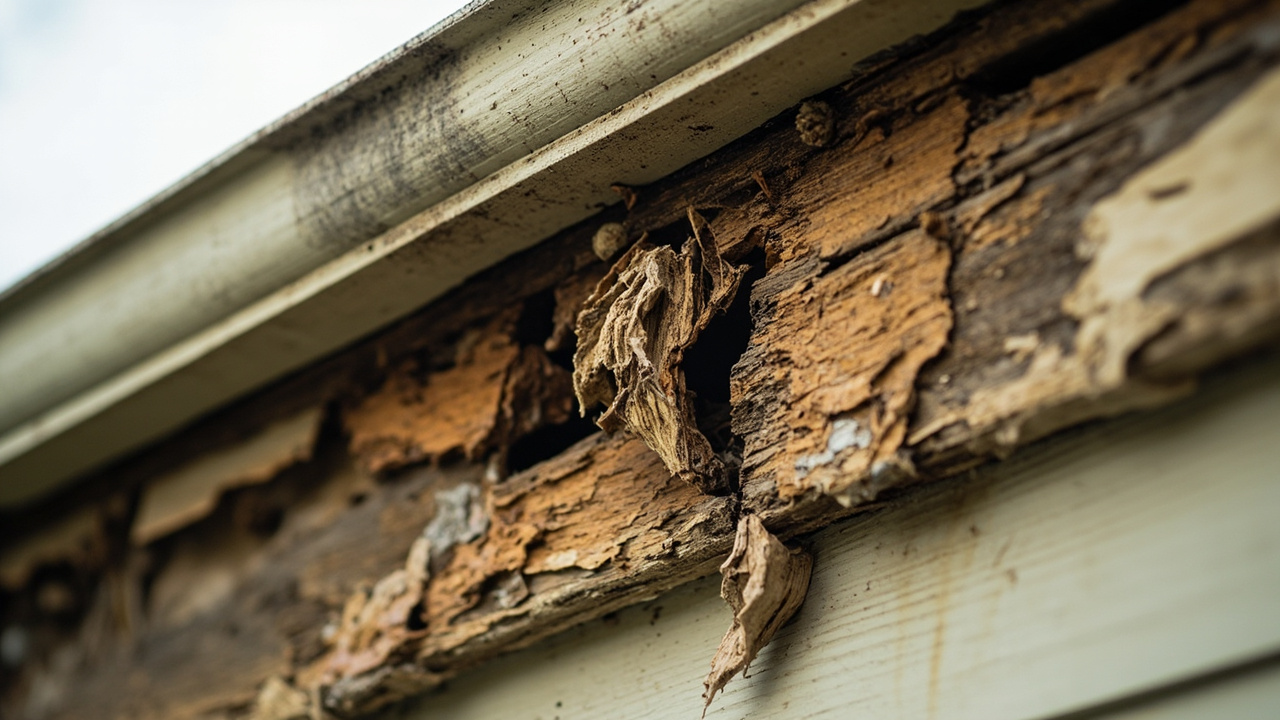
You notice paint peeling near your roofline. Or water dripping behind the gutter. Or a soft spot when you press the trim. These are not cosmetic issues. They are signs of fascia board rot, and in Louisville, the problem accelerates fast.

Louisville's climate creates a perfect storm for decaying fascia wood. The Ohio River Valley traps humidity. Spring rains soak the roofline. Summer heat bakes moisture into the wood. Winter freeze-thaw cycles crack paint and caulk, letting water seep behind the gutters. The result is water damaged fascia that weakens the entire roof edge.

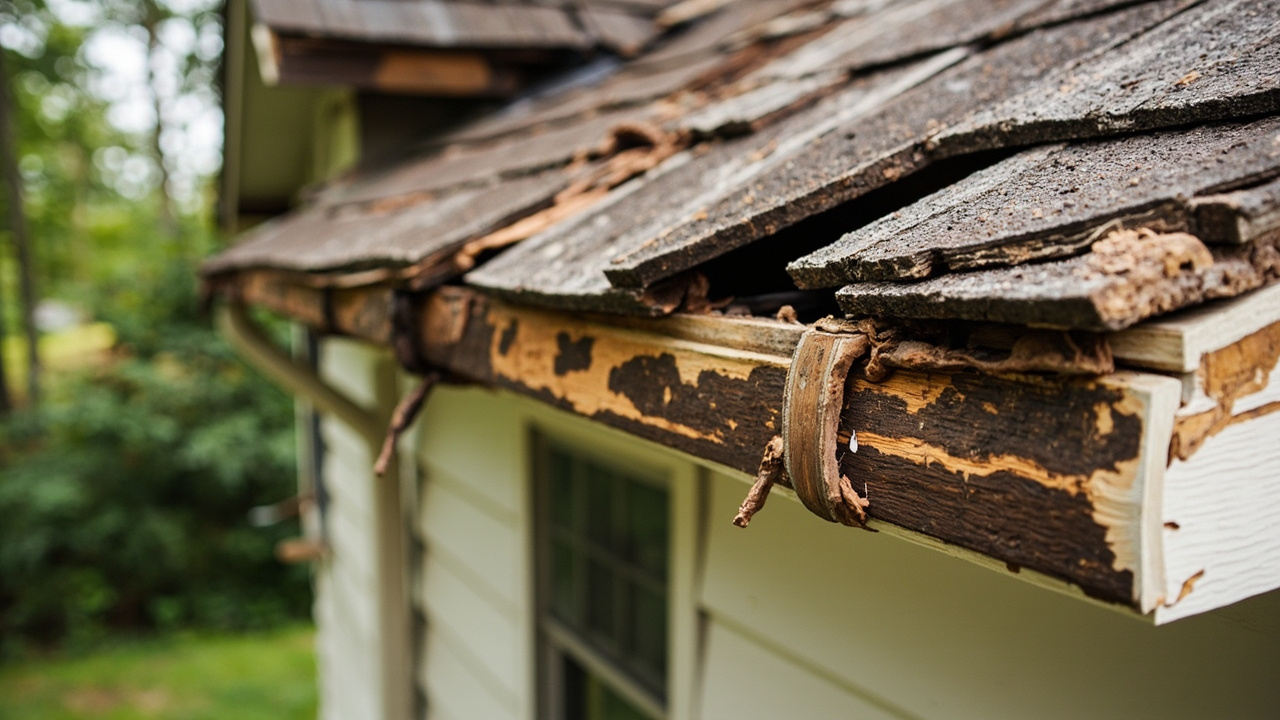
The fascia board is the vertical trim that runs along your roofline. It holds the gutters. It seals the edge of the roof deck. When it rots, the gutter pulls away. Water runs down the exterior wall. The rot spreads into the soffit, the rafter tails, and eventually the roof sheathing. What starts as rotted roof trim becomes a five-figure repair if ignored.

Most Louisville homeowners do not see the damage until the fascia is already compromised. The rot starts on the back side, where water pools behind the gutter. By the time the front face shows decay, the structural damage is already advanced. Older homes in Crescent Hill, Old Louisville, and the Highlands are especially vulnerable because original wood fascia lacks modern moisture barriers.

You are not dealing with a paint problem. You are dealing with wood rot on fascia that is compromising the structural integrity of your roof edge. The longer you wait, the more expensive the fix becomes.

Why Louisville Homes Get Fascia Board Rot Faster Than You Think
How We Stop Fascia Rot Before It Spreads to Your Roof Deck

How We Stop Fascia Rot Before It Spreads to Your Roof Deck

Most roofers replace the visible rotted section and call it done. That approach ignores the source of the problem. Water does not stop at the fascia. It migrates along the roof edge, into the soffit, and behind the drip edge. If you only replace the damaged board, the rot continues behind the new wood.

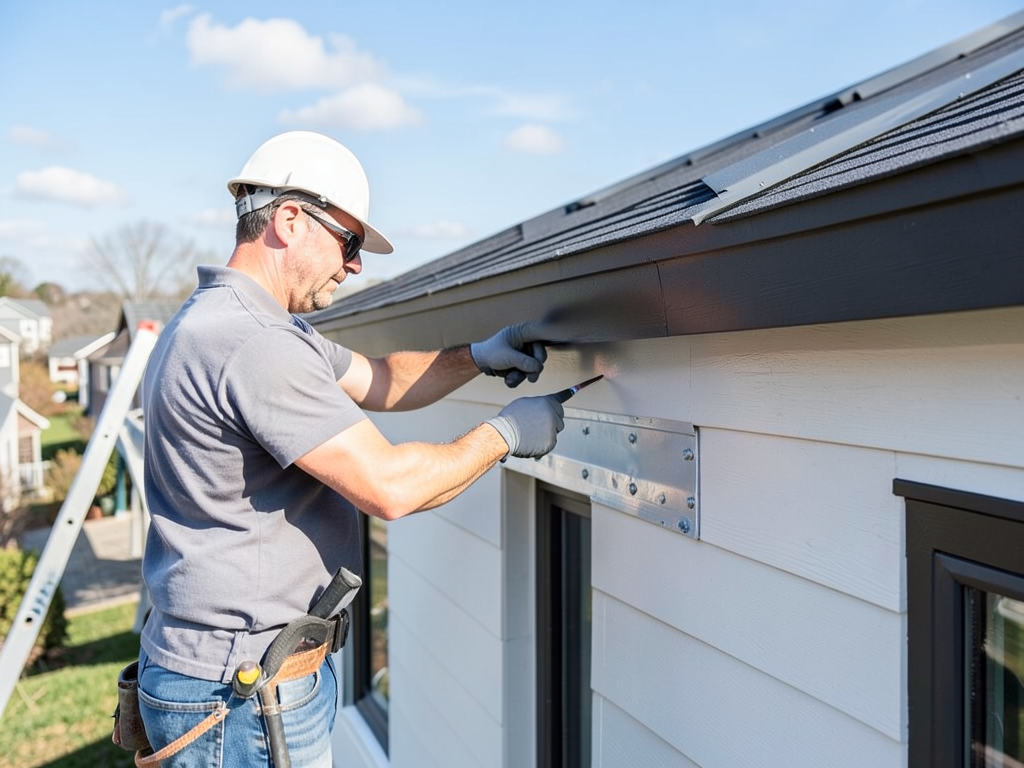
Fortress Roofing Louisville starts with a complete roof edge inspection. We pull back the gutter to expose the full fascia board. We check the soffit vents for water staining. We inspect the drip edge for gaps or corrosion. We probe the rafter tails for soft spots. This process identifies the full extent of water damaged fascia before we cut a single board.

Next, we trace the water source. Fascia board rot happens because water is getting where it should not. The most common culprits are clogged gutters, missing drip edge, or failed flashing at the roof edge. We fix the water problem first. Then we replace the rotted wood.

We remove all decaying fascia wood, including any compromised sections that look intact but show early decay. We inspect the rafter tails and sheathing. If the rot has spread into the roof structure, we repair it before installing new fascia. We use pressure-treated lumber or PVC trim, depending on your budget and the exposure level. We install proper drip edge and flashing to prevent future water intrusion.

The final step is sealing every joint and nail hole. Water finds the smallest gap. We use high-grade caulk and prime all wood surfaces before painting. The result is a roof edge that sheds water instead of absorbing it.

What Happens During a Fascia Board Replacement

Rotting Fascia Boards in Louisville – Expert Diagnosis Before Roof Failure Spreads
01

Roof Edge Inspection

We remove the gutter sections to expose the full fascia board and soffit. Using a probe tool, we test for soft spots along the entire roofline. We check the drip edge, flashing, and sheathing for hidden water damage. This step reveals the true scope of wood rot on fascia and prevents surprises during the repair.
02

Rotted Wood Removal

We cut out all compromised fascia boards, including sections that look stable but show early decay. If the rot has reached the rafter tails or roof deck, we sister in new framing members or replace damaged sheathing. Every rotted piece is removed before new material goes up. Half measures lead to repeat failures.
03

Waterproofing and Reinstallation

We install new pressure-treated or PVC fascia boards with proper flashing and drip edge. All joints are caulked. All nail holes are sealed. We prime and paint the wood before reinstalling the gutters. The result is a roof edge that resists water intrusion and prevents future fascia board rot for years.

Why Louisville Homeowners Trust Fortress Roofing for Fascia Repairs

Fascia rot is not a DIY project. It requires roofing knowledge, carpentry skills, and an understanding of how water moves along a roofline. Most handymen patch the visible damage and miss the structural issues behind it. You end up paying twice.

Fortress Roofing Louisville specializes in the full roofing system, not just shingles. We understand how gutters, flashing, drip edge, and fascia boards work together to protect your home. When we repair rotted roof trim, we fix the water problem that caused it. That means your repair lasts.

We know Louisville homes. The brick bungalows in the Highlands have shallow roof overhangs that expose fascia to rain. The larger colonials in Anchorage have wide soffits that trap moisture if the vents are blocked. The older wood-frame homes in Germantown often have original fascia boards that were never properly primed. We adapt our approach based on your home's age, style, and exposure.

Louisville building codes require proper flashing and ventilation at the roof edge. Many older homes were built before these codes existed. When we replace decaying fascia wood, we bring the roof edge up to current standards. That protects your investment and prevents future rot.

We also understand the timing. Louisville's wet springs and humid summers are the worst times for fascia board rot to spread. If you are seeing soft spots or peeling paint now, the damage is accelerating. Waiting until fall or winter only makes the repair more expensive. We respond quickly because we know how fast rot spreads in this climate.

You are not hiring a general contractor who subcontracts the roofing work. You are hiring a roofing company that does the work in-house. That means accountability, speed, and quality control from start to finish.

What to Expect When You Call Fortress Roofing Louisville

Rapid Response Time

We schedule roof edge inspections within 48 hours of your call. If the damage is severe and water is actively entering the structure, we prioritize emergency tarping and temporary repairs to stop further rot. Most fascia board replacements are completed in one to two days, depending on the extent of the damage and weather conditions. We do not stretch projects out or leave your home exposed to the elements.

Thorough Damage Assessment

Our inspection goes beyond the visible rot. We remove gutter sections to expose the back side of the fascia. We check the soffit, drip edge, and sheathing for hidden water damage. We use a moisture meter to detect rot before it becomes visible. You get a full report with photos and a detailed scope of work. No surprises. No upselling. Just honest assessment of what needs to be fixed.

Quality Materials and Workmanship

We use pressure-treated lumber or cellular PVC trim for all fascia replacements. Both resist rot better than standard pine. We install new aluminum drip edge and ice-and-water shield at the roof edge to prevent future moisture intrusion. All seams are caulked. All wood is primed and painted. The finished product looks clean, sheds water, and lasts for decades without peeling or decay.

Preventive Maintenance Guidance

After the repair, we walk you through the roof edge and explain what caused the rot. We show you where to watch for early warning signs. We recommend a gutter cleaning schedule and explain how to check for soffit ventilation blockages. Most fascia rot is preventable with proper maintenance. We give you the knowledge to protect your investment and avoid repeat failures down the road.

Frequently Asked Questions

You Have Questions,
We Have Answers

What causes fascia board to rot? +

Water intrusion causes fascia board rot in Louisville homes. Clogged gutters overflow and saturate the wood behind them. Damaged or missing shingles allow rain to run down the roofline and soak fascia boards. Louisville's humid summers and freeze-thaw cycles in winter accelerate decay once moisture penetrates. Improper flashing installation lets water seep behind the boards. Ice dams during winter storms trap moisture against the wood. Poor attic ventilation creates condensation that migrates to the fascia. Once water reaches the wood consistently, fungal growth breaks down the fibers and rot spreads quickly.

How to fix wood rot on fascia? +

Small sections of rotted fascia can be cut out and patched with new wood. Remove the damaged portion back to solid material. Treat the remaining wood with a wood hardener. Install a splice board using galvanized fasteners and exterior-grade adhesive. Prime and paint to match. Extensive rot requires full board replacement. Detach the gutter, remove old fascia, inspect the rafter tails for damage, then install new pressure-treated or composite boards. Address the water source first or rot returns. Louisville's humidity demands proper sealing and ventilation to prevent future decay.

Does homeowners insurance cover rotted fascia? +

Homeowners insurance rarely covers rotted fascia because policies exclude gradual deterioration and maintenance issues. Insurance covers sudden, accidental damage like storm impact or fallen trees. Rot develops over time from neglected gutters or poor maintenance, which falls outside coverage. If a covered peril like wind damage creates an opening that leads directly to rot, you might have partial coverage for that specific damage. Review your policy declarations and exclusions. Most Louisville homeowners pay out of pocket for fascia rot repair. Preventive maintenance and regular inspections help you catch problems before they become expensive.

How much does it cost to replace a rotten fascia board? +

Fascia board replacement costs vary by home height, wood type, and extent of damage. Single-story homes cost less than two-story structures requiring scaffolding. Material choice matters. Pressure-treated lumber costs less than composite or PVC boards. Rafter tail damage adds expense if rot spread beyond the fascia. Gutter removal and reinstallation increase labor time. Louisville contractors factor in accessibility and project complexity. Most homeowners should budget for professional assessment first. Get multiple written estimates. Prices fluctuate with lumber markets. Delaying repair allows rot to spread to soffits and roof decking, multiplying costs significantly.

What is the life expectancy of a fascia board? +

Properly installed and maintained fascia boards last 20 to 30 years in Louisville. Wood fascia requires regular painting or staining every five to seven years to maintain protection. Composite and PVC boards can last 50 years or more with minimal maintenance. Louisville's climate stresses fascia through humidity, temperature swings, and storm exposure. Homes with good gutter systems and proper roof drainage see longer fascia life. Neglected maintenance shortens lifespan dramatically. Regular inspection catches early damage before rot starts. Quality installation with proper flashing and ventilation extends board life. Choose rot-resistant materials in high-moisture areas.

Is dry rot covered by house insurance? +

Dry rot receives the same insurance treatment as wet rot. Standard homeowners policies exclude gradual deterioration and maintenance-related damage. Dry rot develops slowly from fungal activity in wood with moisture content between 20 and 30 percent. Insurance companies view this as a preventable maintenance issue, not a sudden covered event. If a covered peril directly causes conditions leading to dry rot immediately after the event, you might have limited coverage. Louisville homeowners should inspect fascia, soffits, and trim annually. Most dry rot claims get denied. Prevention through ventilation and moisture control protects your investment better than relying on insurance.

Does home insurance cover rotted wood? +

Home insurance typically does not cover rotted wood. Policies exclude damage from wear and tear, deterioration, or lack of maintenance. Rot develops gradually, making it a maintenance issue rather than a sudden loss. Insurance covers specific named perils like fire, wind, or hail that cause immediate damage. If a covered event creates conditions that directly lead to rot within the claims period, partial coverage might apply. Louisville homeowners need to document storm damage immediately and file claims quickly. Most rotted fascia, soffits, and framing repairs come out of pocket. Regular home inspections help catch rot early when repairs cost less.

How much does it cost to replace one fascia board? +

Single fascia board replacement depends on board length, material type, home height, and access difficulty. Short sections on accessible single-story areas cost less than full-length replacements on two-story homes. Pressure-treated lumber costs less than cedar or composite materials. Labor includes removing the damaged section, inspecting and treating adjacent areas, installing new material, and painting or finishing. Louisville contractors charge more for difficult access requiring ladders or scaffolding. Gutter removal and reinstallation add time. Get detailed written estimates comparing materials and scope. Replacing one board now prevents rot from spreading to adjacent boards and underlying structure.

Does wood rot always mean termites? +

Wood rot does not always indicate termites. Rot comes from fungal decay when moisture content stays above 20 percent. Termites eat wood but do not cause the fungal breakdown that creates rot. However, termites prefer damp, softened wood that rot produces. Louisville homes can have rot without termites or termites without rot. Both problems often occur together because moisture attracts both fungi and insects. If you find rotted fascia, inspect for mud tubes, hollow-sounding wood, and discarded wings near the damage. A pest inspection identifies termite activity. Address moisture problems first to eliminate conditions both threats need.

What is the 80% rule in homeowners insurance? +

The 80 percent rule requires homeowners to insure their property for at least 80 percent of its replacement cost to avoid coinsurance penalties. If you underinsure and file a claim, the insurance company reduces your payout proportionally. A home worth 250,000 dollars to rebuild needs at least 200,000 dollars in coverage. Insuring for only 150,000 dollars means you receive just 75 percent of covered losses. This rule affects all claims, including roof and fascia damage from covered perils. Louisville homeowners should review coverage annually as construction costs rise. Adequate coverage protects your investment when storm damage occurs.

How Louisville's Humidity and Freeze-Thaw Cycles Accelerate Fascia Decay

Louisville sits in a humid continental climate zone with an average relative humidity above 70 percent. That moisture does not evaporate quickly from shaded roof edges. When gutters clog or drip edge fails, water sits against the fascia board for days. The wood absorbs moisture, swells, and cracks the paint. Winter arrives, and freeze-thaw cycles split the wood fibers. By spring, the fascia is soft and spongy. Homes near the Ohio River or in low-lying areas like Butchertown and Shively face even higher moisture exposure. The result is faster rot and more aggressive wood decay than in drier climates.

Louisville Metro has specific building codes for roof edge construction, especially for new construction and major renovations. But most older homes were built before these standards existed. When we replace rotted roof trim, we bring the installation up to current code. That means proper flashing, adequate soffit ventilation, and moisture-resistant materials. Fortress Roofing Louisville has repaired fascia boards on hundreds of homes across Jefferson County. We know the common failure points in Louisville housing stock, and we know how to fix them right the first time.

Roofing Services in The Louisville Area

Fortress Roofing Louisville is proud to serve the entire metro area and surrounding communities. We've included a map here to help you easily locate our main office and visualize the broad service region we cover, ensuring that expert, trustworthy roofing help is always within reach for our neighbors. If you are located slightly outside the highlighted area, please call us—we are often able to accommodate projects across a wider geographic region to provide our quality services to those who need it most.

Address:
Fortress Roofing Louisville, 10200 Forest Green Blvd, Louisville, KY, 40223

Additional Services We Offer

Our news updates

Latest Articles & News from The Blogs

Why Modern Shed Style Roof Additions in the Highlands Leak More Often The sloped single-plane design of modern shed roof…

Why Modern Shed Style Roof Additions in the Highlands Leak More Often

Why Modern Shed Style Roof Additions in the Highlands Leak More Often The sloped single-plane design of modern shed roof…

Choosing the Right Roof for a Modern Farmhouse in Polo Fields or Shakes Run

Choosing the Right Roof for a Modern Farmhouse in Polo Fields or Shakes Run Modern farmhouses in Louisville’s Polo Fields…

The Real Cost of Solar Shingles for Eco Friendly Homes in the East End

The Real Cost of Solar Shingles for Eco Friendly Homes in the East End Solar shingles represent a revolutionary roofing…

Contact Us

Call Fortress Roofing Louisville at (502) 678-7557 for a free roof edge inspection. We identify the full extent of fascia board rot and fix the water problem before it spreads. Do not wait until the damage becomes a structural issue.