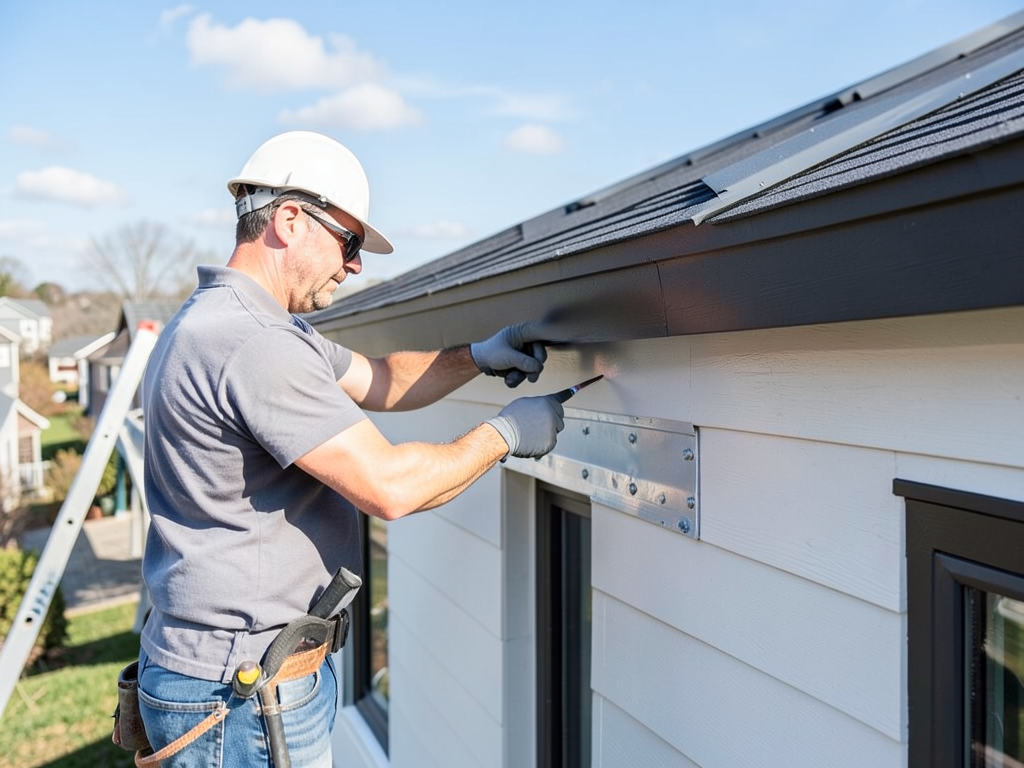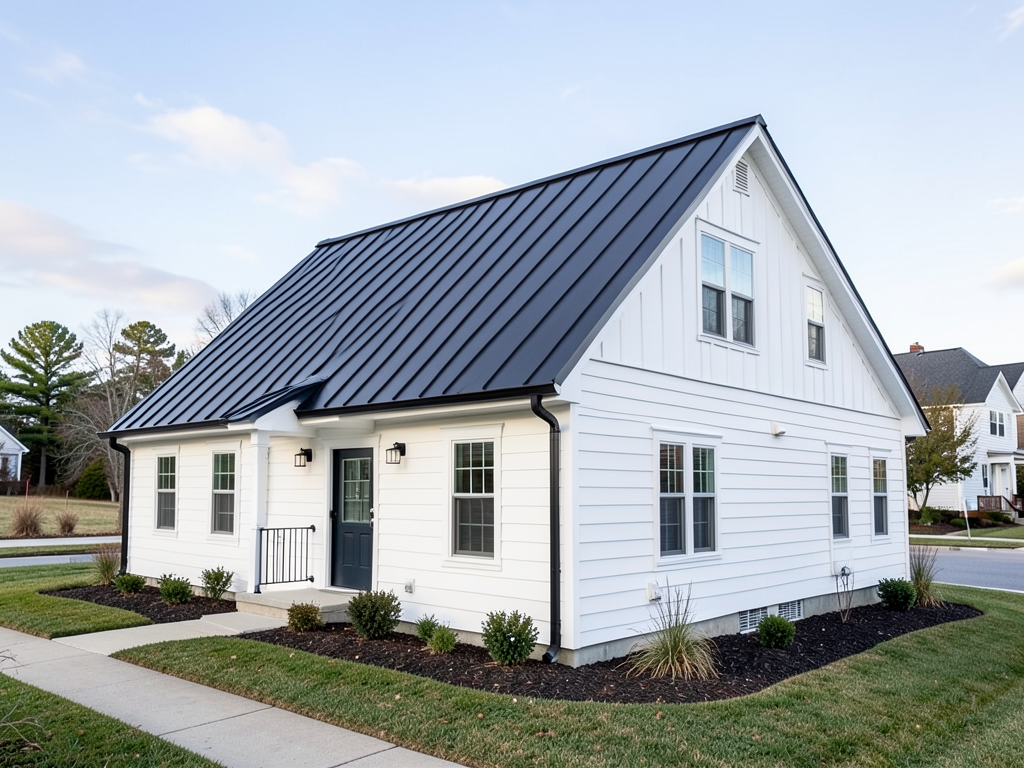


The 40 to 50 inches of annual rainfall Louisville receives concentrates heavily in spring months. March through May storms test every vulnerable point in your roofing system. This wet season timing means winter damage often goes undetected until heavy spring rains expose it. The residential roofing guide for Louisville emphasizes pre-spring inspections to catch winter damage before April storms arrive. Summer heat then bakes moisture into trapped areas, accelerating rot in compromised decking. This wet-spring, hot-summer cycle creates a unique deterioration pattern that makes proactive maintenance more critical than in drier climates.
Jefferson County building codes reflect local weather realities through specific requirements for wind resistance and ice dam prevention. Contractors unfamiliar with these standards may install code-compliant roofs for their home markets that fail Louisville inspections. This creates costly corrections and delays. Fortress Roofing Louisville pulls permits through Jefferson County regularly and maintains relationships with local inspectors. This familiarity ensures installations pass inspection the first time. The homeowner roofing manual specific to this market accounts for these local regulatory nuances that generic guides miss.