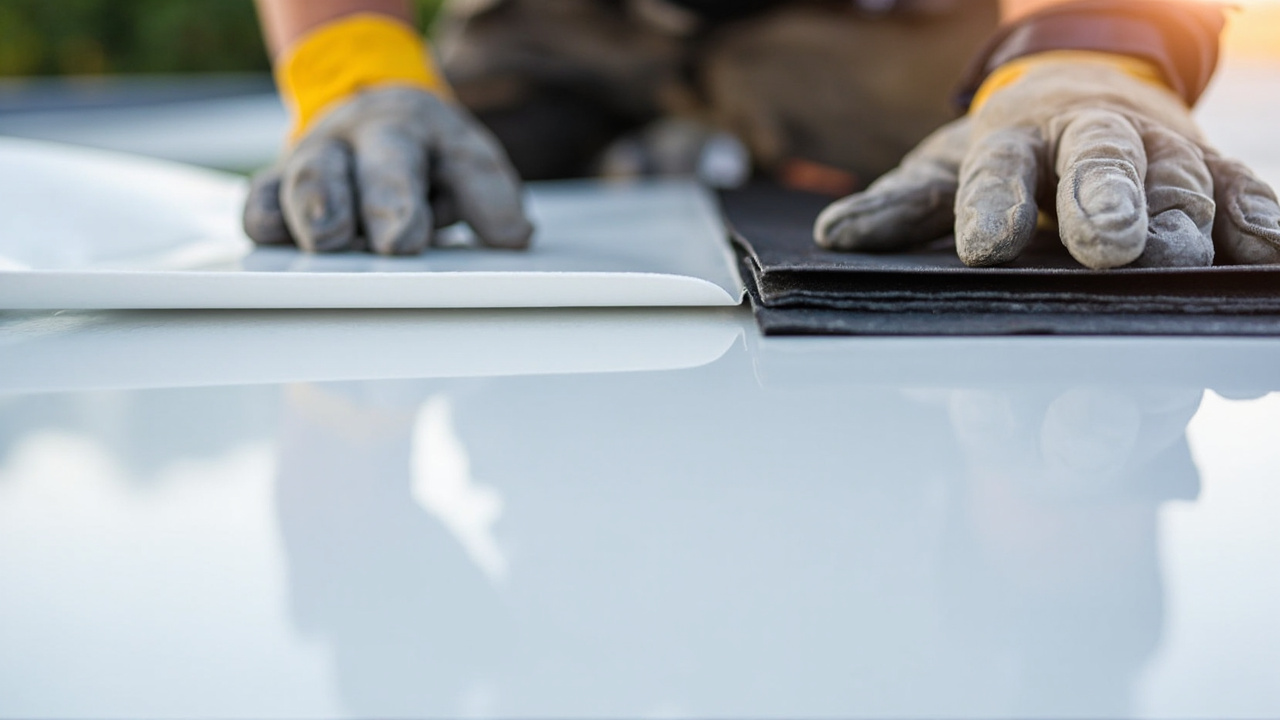
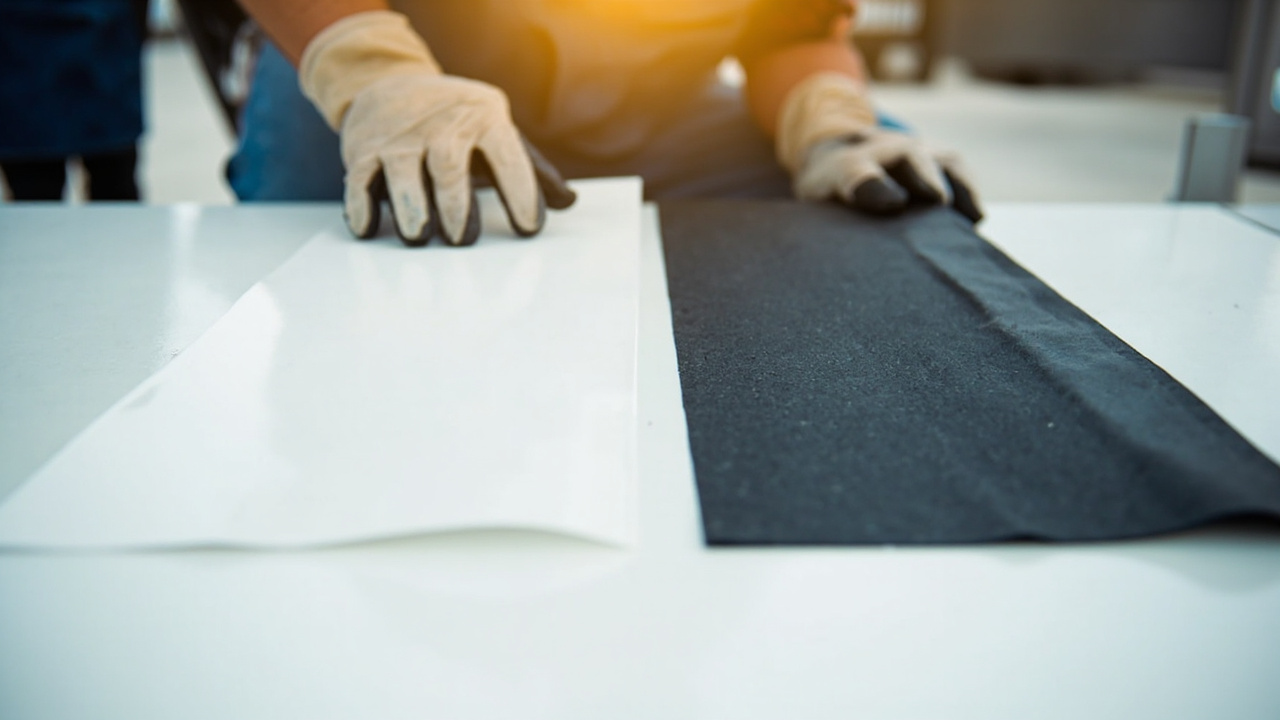
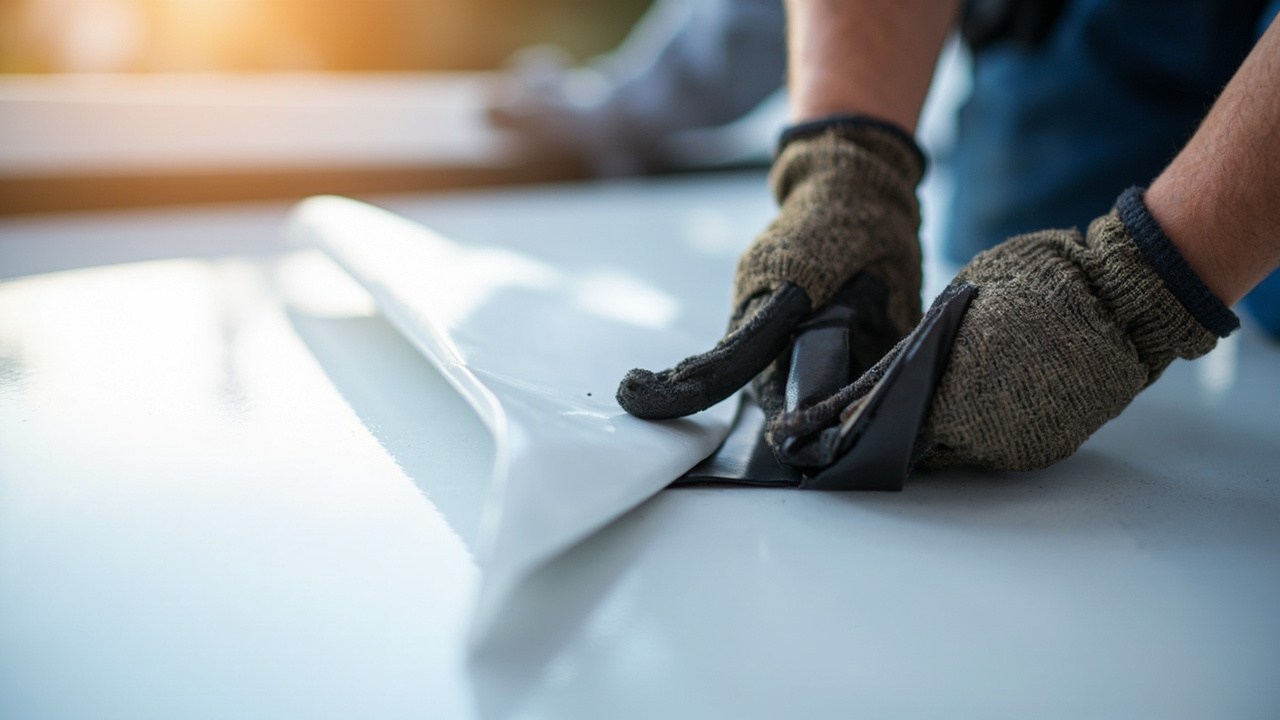
Louisville averages 45 inches of annual rainfall with relative humidity regularly exceeding 70 percent during summer months. This moisture-rich environment challenges both TPO and EPDM differently. TPO's heat-welded seams resist water infiltration better in consistently humid conditions because the thermoplastic fusion creates a homogeneous bond unaffected by moisture. EPDM tape seams and adhesive bonds can degrade faster in high humidity if primers were not properly applied or if seam preparation was compromised by damp conditions during installation. The temperature range from winter lows in the teens to summer highs near 95 degrees forces membranes to expand and contract repeatedly. EPDM's rubber compound handles this cycling with minimal stress, while TPO requires proper fastening patterns to prevent membrane billowing during temperature fluctuations.
Louisville Metro building codes increasingly emphasize energy efficiency and reflectivity requirements for commercial roofs. Many new construction and replacement projects now require minimum solar reflectance values that favor light-colored TPO membranes. Local inspectors verify insulation R-values and membrane attachment methods meet wind uplift requirements based on Louisville's location in wind zone calculations. Fortress Roofing Louisville maintains relationships with local building officials and understands permit requirements across Jefferson County jurisdictions. Our crews hold manufacturer certifications for both TPO and EPDM systems, ensuring your installation qualifies for material warranties that protect your investment. Choosing a local contractor familiar with these requirements prevents costly delays and ensures your roof meets all applicable standards.