menu

Commercial Roof Coatings in Louisville – Minimize Downtime with Industrial-Grade Restoration Systems

Fortress Roofing Louisville delivers liquid applied roofing systems and elastomeric roof coatings engineered to extend asset life, eliminate costly tear-offs, and keep your facility operational during application.

Slider Image 1
Slider Image 2
Slider Image 3
Slider Image 4
Slider Image 5
Slider Image 7
Slider Image 8
Slider Image 9
Slider Image 10
Slider Image 11

Why Louisville Warehouse and Manufacturing Roofs Fail Faster Than You Budget For

Louisville sits at the intersection of extreme thermal cycling and high annual rainfall. Your commercial flat roof absorbs punishing UV radiation during summer months, then contracts through freeze-thaw cycles between November and March. This constant expansion and contraction creates micro-cracks in traditional built-up roofing and single-ply membranes. Water infiltrates those cracks, migrates under the membrane, and compromises your roof deck before you see interior damage.

The Ohio River Valley's humidity accelerates this deterioration. Moisture trapped in your roof assembly leads to rust on metal decking, rot in wood substrates, and expensive structural repairs that shut down operations for weeks. Most facility managers discover the problem only after ceiling tiles sag or production equipment gets damaged.

Industrial roof coatings solve this problem without the liability and downtime of a complete tear-off. Elastomeric roof coatings create a seamless, monolithic barrier that flexes with your building's thermal movement. Liquid applied roofing penetrates every seam, fastener, and penetration point, eliminating the weak spots that cause most commercial roof failures. Commercial roof restoration systems add 10 to 20 years of service life at 40 to 60 percent less than replacement cost. You avoid landfill fees, maintain building operations, and defer capital expenditure while protecting your facility from Louisville's demanding climate.

Why Louisville Warehouse and Manufacturing Roofs Fail Faster Than You Budget For
How Fortress Roofing Louisville Engineers Commercial Roof Coating Systems for Maximum ROI

How Fortress Roofing Louisville Engineers Commercial Roof Coating Systems for Maximum ROI

We do not apply the same coating to every roof. Your facility's substrate, slope, drainage patterns, and operational requirements determine the coating system specification. We start with infrared moisture scanning to map wet insulation and identify compromised decking. This prevents trapping moisture under the new coating, which causes premature failure and wasted investment.

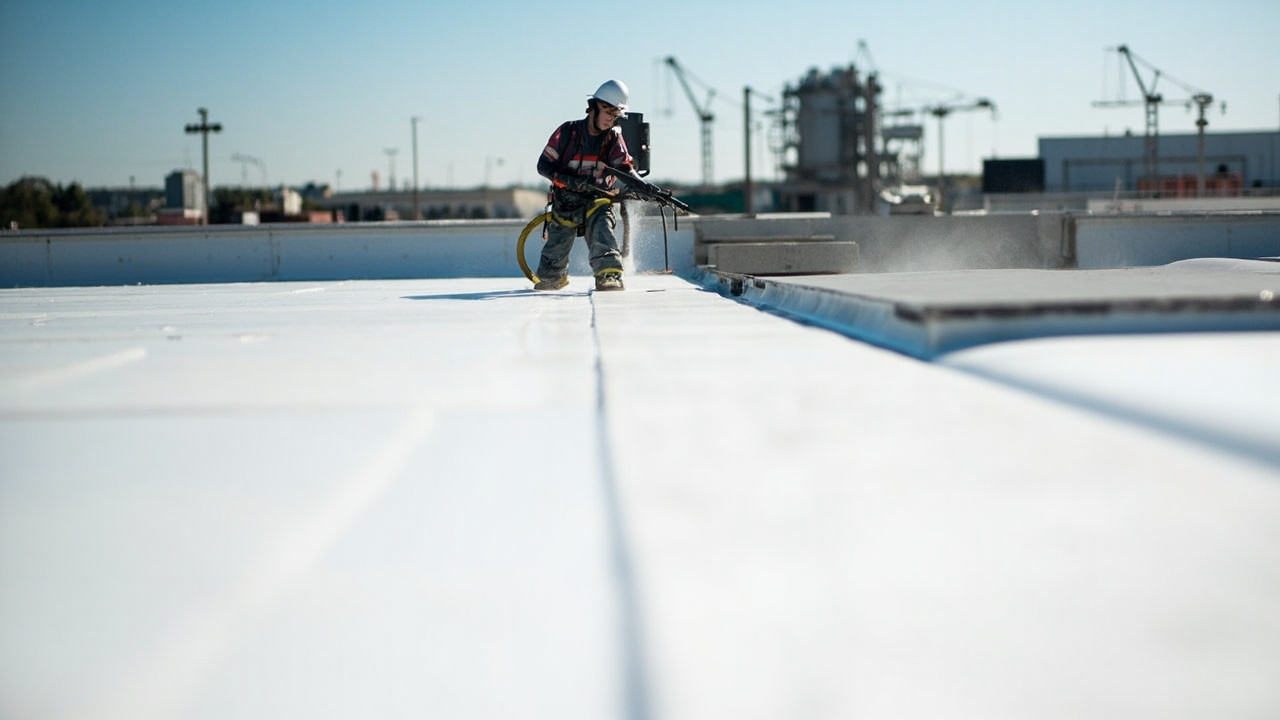
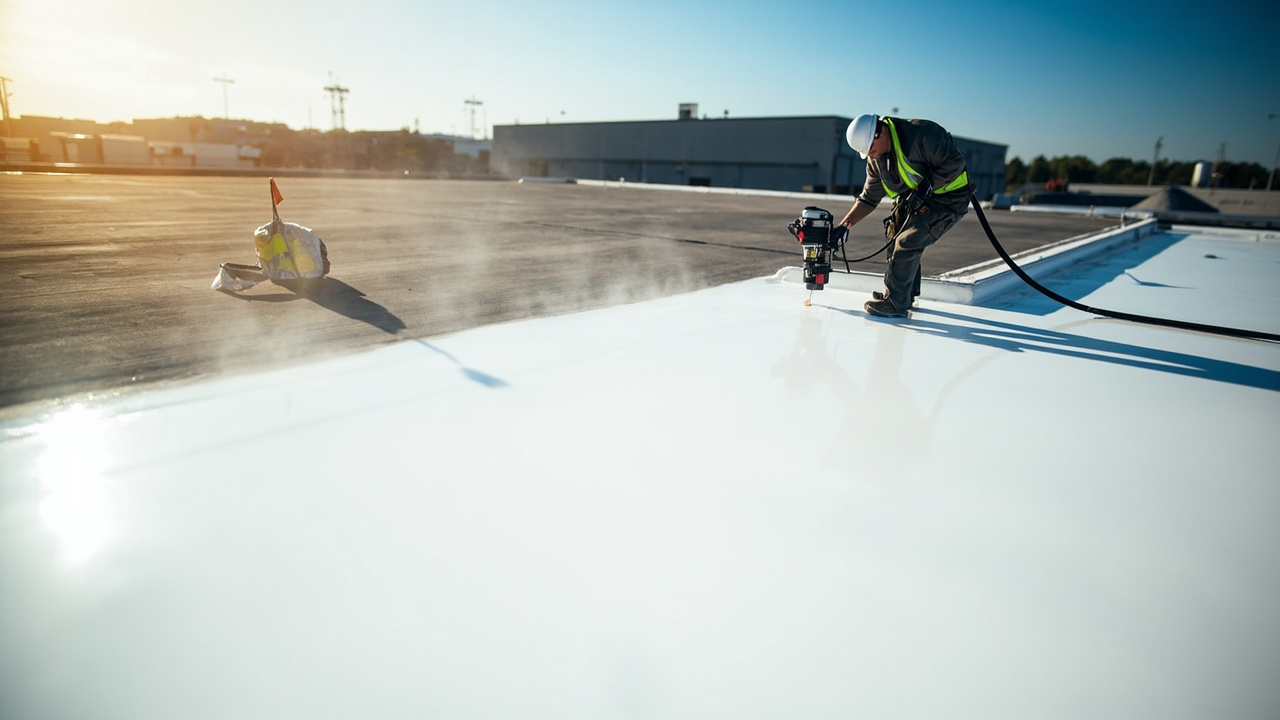
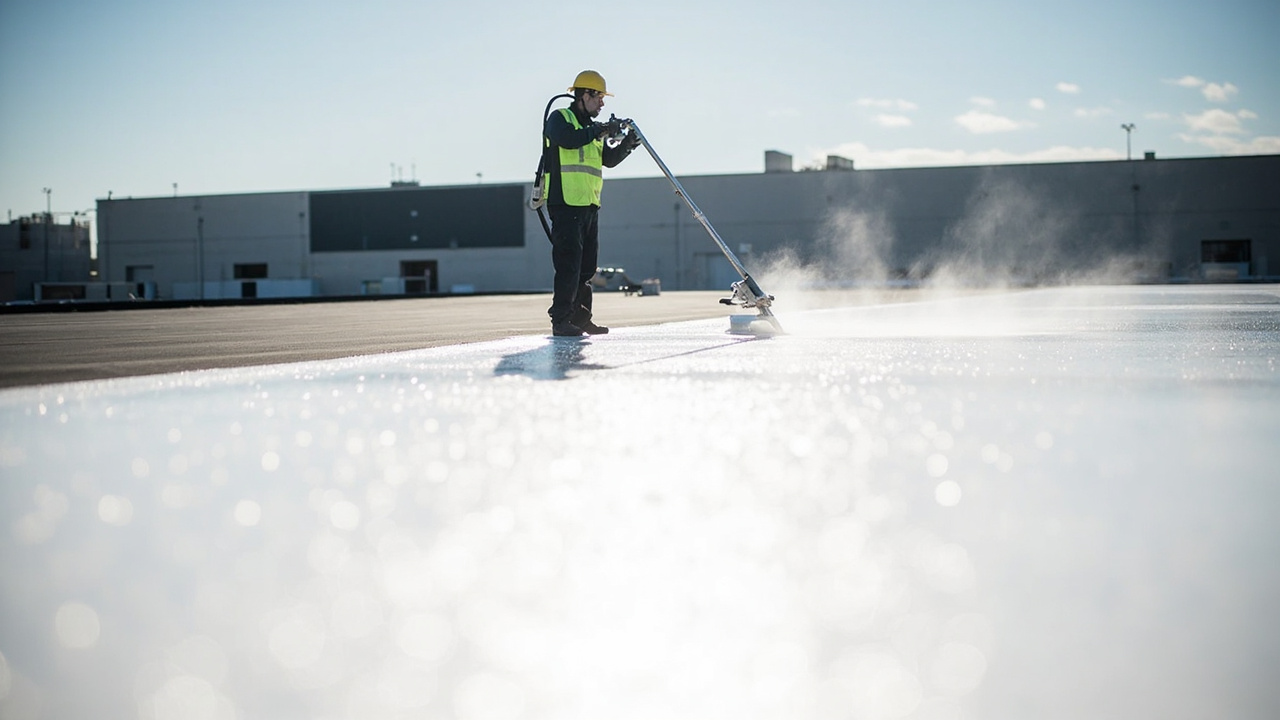
Our commercial roof restoration systems follow a multi-layer approach. First, we remove all loose material and grind down ridges around fasteners. We replace wet insulation sections and reinforce every seam, penetration, and transition point with reinforcing fabric embedded in base coat. This creates mechanical strength at the failure points. Then we apply the primary coating in multiple passes to achieve the specified mil thickness, typically 20 to 60 mils depending on warranty requirements and expected service life.

We use silicone, acrylic, or polyurethane chemistries based on your roof type and performance goals. Silicone coatings excel on ponding water areas common to Louisville's low-slope commercial buildings. Acrylic systems deliver superior dirt resistance and reflectivity for facilities with high cooling costs. Polyurethane base coats provide impact resistance for roofs near airports or in hail-prone areas.

Every system includes proper tie-in at parapet walls, HVAC curbs, and roof drains. We coordinate with your operations team to phase the work around production schedules, loading dock access, and indoor air quality requirements. Most facilities remain fully operational during coating application.

How We Execute Your Coating Project Without Disrupting Operations

Commercial Roof Coatings in Louisville – Minimize Downtime with Industrial-Grade Restoration Systems
01

Roof Assessment and Specification

We conduct a comprehensive roof survey including core samples, adhesion testing, and infrared moisture mapping. This data drives our coating system specification and identifies structural repairs required before coating. You receive a detailed scope of work with phasing options that align with your operational calendar. We coordinate with your facility team to establish containment zones, ventilation requirements, and safety protocols before mobilization.
02

Surface Preparation and Base Application

We power wash the entire roof surface to remove dirt, biological growth, and loose material. All seams, fasteners, and penetrations receive reinforcing fabric embedded in base coat to prevent coating failure at stress points. Damaged flashing gets replaced, and all terminations receive proper detailing. We apply the base coat in controlled sections, allowing each area to cure before proceeding. This phased approach keeps your building weather-tight throughout the project.
03

Top Coat and Quality Verification

We apply the finish coat to achieve specified mil thickness, verified by wet film gauge measurements during application. Our quality control process includes photo documentation of every roof section, mil thickness verification at multiple points, and a final walkthrough with your facilities manager. You receive a comprehensive project file including material data sheets, application records, and maintenance guidelines. This documentation supports warranty compliance and helps you budget for future maintenance cycles.

Why Louisville Facility Managers Choose Fortress Roofing for Commercial Coating Projects

We understand Louisville's commercial building stock. The aging warehouse districts near Butchertown and the industrial corridor along I-265 contain thousands of facilities with original roofs installed in the 1980s and 1990s. These buildings feature metal decking with rigid insulation and EPDM or TPO membranes that are now beyond their service life. Facility managers face a choice between expensive tear-offs that require occupancy permits and dumpster logistics, or restoration systems that extend asset life without the disruption.

Fortress Roofing Louisville specializes in occupied building renovations. We have coated distribution centers, manufacturing plants, cold storage facilities, and mixed-use commercial properties throughout Jefferson County. Our project managers understand Metro Louisville's building permit requirements and coordinate inspections without delaying your timeline. We maintain relationships with local building officials and know how to navigate the plan review process for roof restoration projects.

Our crew training focuses on safety and cleanliness. We use containment barriers to prevent overspray on parked vehicles or landscaping. We coordinate material deliveries to avoid blocking dock doors during peak shipping hours. We clean up daily and maintain clear pathways for your employees and customers. This attention to operational continuity separates professional coating contractors from crews that treat your facility like a construction zone.

We source materials from manufacturers with local technical representatives who can visit your site for substrate testing or specification verification. This eliminates the delays that occur when you work with contractors who rely on phone support from out-of-state suppliers.

What to Expect When You Invest in Commercial Roof Coatings

Project Timeline and Scheduling Flexibility

Most coating projects take two to four weeks depending on roof size, substrate condition, and required repairs. Weather affects the schedule since coatings require minimum temperatures and dry conditions for proper cure. We monitor forecasts and adjust daily work plans to maintain progress without compromising quality. You can phase the project across multiple months to align with your fiscal year or operational slow periods. We provide weekly progress updates and adjust crew size to meet deadline requirements. Emergency sections get prioritized if you have active leaks affecting inventory or equipment.

Pre-Application Assessment Process

Our assessment includes visual inspection, core sampling to verify insulation condition, adhesion testing to confirm coating compatibility, and infrared scanning to map moisture intrusion. We document every penetration, drain, and transition point. You receive a written report with photo documentation, repair recommendations, and coating system options tailored to your budget and performance goals. This assessment typically takes one to two days and requires roof access coordination with your safety team. We identify code compliance issues and structural concerns that could affect coating performance or warranty eligibility.

Performance and Longevity

Properly specified and applied commercial roof coatings deliver 10 to 20 years of service life. Reflective coatings reduce cooling costs by lowering roof surface temperatures 40 to 60 degrees compared to aged dark membranes. You gain a watertight roof that resists ponding water, UV degradation, and thermal cycling damage. The seamless membrane eliminates the weak points found in mechanically attached or adhered single-ply systems. Coatings maintain flexibility across Louisville's temperature extremes, preventing the cracking and splitting that occurs with aged built-up roofing. Annual inspections and minor touch-ups extend service life beyond initial projections.

Maintenance and Recoat Options

We provide maintenance guidelines specific to your coating chemistry and roof configuration. Annual inspections identify minor damage before it becomes a leak. Most facilities need only basic cleaning and occasional touch-up around high-traffic areas or equipment supports. When your coating reaches the end of its service life, you can recoat over the existing system rather than starting over. This reduces future renovation costs and extends your roof's total service life to 30 or 40 years. We maintain project files so future recoat specifications match your original system chemistry and application methods.

Frequently Asked Questions

You Have Questions,
We Have Answers

How much does commercial roof coating cost? +

Commercial roof coating costs vary based on roof size, substrate condition, and coating system selected. Prices depend on whether you choose acrylic, silicone, or polyurethane formulations. Larger facilities in Louisville's industrial districts typically see lower per-square-foot rates due to economies of scale. Factor in surface preparation, repairs to existing membrane or flashing, and accessibility. A full re-coat extends asset life 10-15 years while avoiding complete tear-off expenses. Request detailed line-item estimates that separate material, labor, and prep work to evaluate total project investment and ROI against replacement costs.

What type of roof coating is best? +

The best coating type depends on your existing substrate and building use. Silicone coatings excel in Louisville's humid climate because they resist ponding water and UV degradation without chalking. Acrylic systems offer strong reflectivity and work well on metal roofs common in commercial warehouses. Polyurethane coatings provide superior impact resistance for roofs with heavy foot traffic or HVAC equipment. Assess your roof's current membrane material, drainage performance, and maintenance access before selecting a system. The right choice balances climate compatibility, substrate adhesion, and long-term performance under local weather patterns.

What are the latest trends in commercial roofing? +

Commercial roofing trends focus on sustainability and lifecycle cost reduction. Cool roof coatings with high solar reflectance reduce energy consumption in Louisville's hot summers, lowering HVAC loads. Fluid-applied systems are gaining traction because they eliminate seams and adapt to complex roof geometries. Green roof integration and solar panel compatibility drive coating selection for forward-thinking property managers. Reflective white coatings meet increasingly strict energy codes while extending membrane life. Silicone technology continues advancing with better adhesion and longer warranties. Building owners prioritize systems that minimize business disruption during application and reduce long-term maintenance frequency.

What are the disadvantages of roof coatings? +

Roof coatings require proper surface preparation to perform correctly. Failing to address underlying membrane damage, moisture intrusion, or structural issues before coating leads to premature failure. Coatings add minimal waterproofing to severely deteriorated substrates. Application requires specific weather conditions. Temperatures below 50 degrees or high humidity in Louisville can compromise curing. Coatings need reapplication every 10-15 years, creating ongoing maintenance obligations. Poor contractor workmanship results in thin spots, inadequate coverage, or adhesion failure. Ponding water accelerates coating breakdown on flat roofs with drainage problems. Coatings work best as preventive maintenance, not emergency repairs for roofs past serviceable life.

How many years does roof coating last? +

Quality commercial roof coatings last 10-15 years with proper application and maintenance. Silicone systems often reach the upper end of this range in Louisville because they resist moisture and UV exposure without significant degradation. Acrylic coatings may require reapplication sooner in high-traffic areas or roofs with persistent ponding water. Lifespan depends on substrate condition at application, coating thickness, and environmental factors like thermal cycling and storm frequency. Regular inspections and minor touch-ups extend performance. A well-maintained coating system can be recoated multiple times, potentially adding 30-40 years of service life before complete roof replacement becomes necessary.

Can roofers make 100k a year? +

This question addresses roofer income, not coating performance or building operations. Commercial roofing contractors can earn substantial income based on project volume, specialization, and business structure. Experienced foremen and estimators in Louisville's commercial sector command higher wages than residential crews. Business owners managing multiple crews and maintaining commercial contracts often exceed six-figure income through volume and efficient operations. Income varies significantly based on certifications, manufacturer training, and ability to handle complex projects. For property managers focused on coating decisions, contractor profitability matters less than their technical competence, insurance coverage, and project references in similar building types.

Which roof coating lasts the longest? +

Silicone roof coatings typically last longest in commercial applications, often reaching 15-20 years before recoating. They resist ponding water, maintain flexibility through Louisville's freeze-thaw cycles, and resist UV degradation without chalking. Polyurea systems offer exceptional durability but require professional spray equipment and expertise. Longevity depends on proper mil thickness, substrate preparation, and maintenance practices. A silicone system applied at 20-25 mils over sound substrate outlasts thinner acrylic applications. Environmental factors like roof slope, drainage, and exposure to chemicals or oils affect all coating lifespans. The longest-lasting coating is one properly matched to your specific substrate and building conditions.

How much does Rhino RV roof coating cost? +

Rhino RV roof coating is a consumer-grade product designed for recreational vehicles, not commercial buildings. Commercial facilities require specialized elastomeric or silicone systems engineered for large-scale applications, structural loading, and building code compliance. RV coatings lack the performance specifications, fire ratings, and warranties necessary for commercial roofing projects in Louisville. Commercial-grade systems address different substrate types, require professional application equipment, and meet stringent adhesion and weathering standards. For warehouse, retail, or industrial facilities, specify coatings from manufacturers like Gaco, Tremco, or Carlisle that provide commercial warranties and technical support for large-format roof assemblies.

Which is better, EPDM or TPO? +

EPDM and TPO serve different needs in commercial roofing. EPDM rubber membrane offers proven 30-year performance, excellent hail resistance, and easier repairs. It absorbs heat, increasing cooling costs in Louisville summers. TPO provides superior reflectivity, reducing energy consumption by 20-30 percent in hot climates. TPO seams are heat-welded for stronger bonds than EPDM adhesive seams. However, TPO formulations vary between manufacturers, affecting long-term performance. EPDM costs less initially but offers lower reflectivity. For coating applications, both substrates accept silicone or acrylic systems. Choose based on energy priorities, budget, and existing roof compatibility if re-roofing sections.

What is the 10/50/50 rule? +

The 10/50/50 rule is a roofing warranty structure, not a coating specification. It typically means 10 years of full system coverage, followed by 50 years of material-only coverage at 50 percent prorated value. This warranty format appears in some single-ply membrane systems but rarely applies to coating applications. Coating manufacturers usually offer 10-20 year material warranties with specific maintenance requirements. Labor coverage often extends only 1-2 years. Understanding warranty limitations matters for lifecycle budgeting. Most coating failures result from improper application or deferred maintenance, not material defects. Review warranty terms carefully, noting exclusions for ponding water, foot traffic damage, and required maintenance intervals.

How Louisville's Industrial Corridor and River Valley Climate Drive Coating System Selection

The concentration of warehousing and logistics facilities along I-265, I-64, and I-65 creates a unique challenge for commercial roof coatings. These buildings feature large uninterrupted roof planes with minimal slope, leading to ponding water that remains for days after Louisville's frequent thunderstorms. Standard acrylic coatings break down in standing water. Silicone-based liquid applied roofing systems handle this condition without deterioration. The Ohio River Valley's humidity and temperature swings between 15 degrees in winter and 95 degrees in summer demand elastomeric roof coatings with exceptional flexibility and thermal stability. Buildings near the river or in lower-lying areas face additional moisture load from ground fog and high water tables that increase condensation risk inside the roof assembly.

Metro Louisville requires permits for most commercial roof restoration projects, and inspectors expect contractors to follow manufacturer specifications precisely. Fortress Roofing Louisville maintains relationships with local building officials and understands the submittal requirements for coating projects in Jefferson County. We document surface preparation, application rates, and mil thickness measurements to satisfy inspection requirements. Our familiarity with Louisville's commercial building stock helps us anticipate substrate conditions and specify appropriate systems before problems emerge during application. This local expertise prevents the change orders and delays that occur when contractors discover unexpected conditions mid-project.

Roofing Services in The Louisville Area

Fortress Roofing Louisville is proud to serve the entire metro area and surrounding communities. We've included a map here to help you easily locate our main office and visualize the broad service region we cover, ensuring that expert, trustworthy roofing help is always within reach for our neighbors. If you are located slightly outside the highlighted area, please call us—we are often able to accommodate projects across a wider geographic region to provide our quality services to those who need it most.

Address:
Fortress Roofing Louisville, 10200 Forest Green Blvd, Louisville, KY, 40223

Additional Services We Offer

Our news updates

Latest Articles & News from The Blogs

Replacing the TPO roof on your small business along Bardstown Road Your Bardstown Road commercial property faces unique challenges from…

Replacing the TPO roof on your small business along Bardstown Road

Replacing the TPO roof on your small business along Bardstown Road Your Bardstown Road commercial property faces unique challenges from…

How to get a professional roof certification before selling your Crestwood house

Selling a home in Crestwood KY means buyers expect proof your roof is sound. A professional roof certification gives buyers…

Luxury copper gutter installation for homes in the Cherokee Triangle

Luxury Copper Gutter Installation for Homes in the Cherokee Triangle\n\nCherokee Triangle homeowners understand that protecting their historic Victorian and Craftsman…

Contact Us

Schedule your comprehensive roof evaluation and coating feasibility analysis. We provide detailed specifications, budget estimates, and phasing options that align with your operational requirements. Call Fortress Roofing Louisville at (502) 678-7557 to arrange your site assessment.