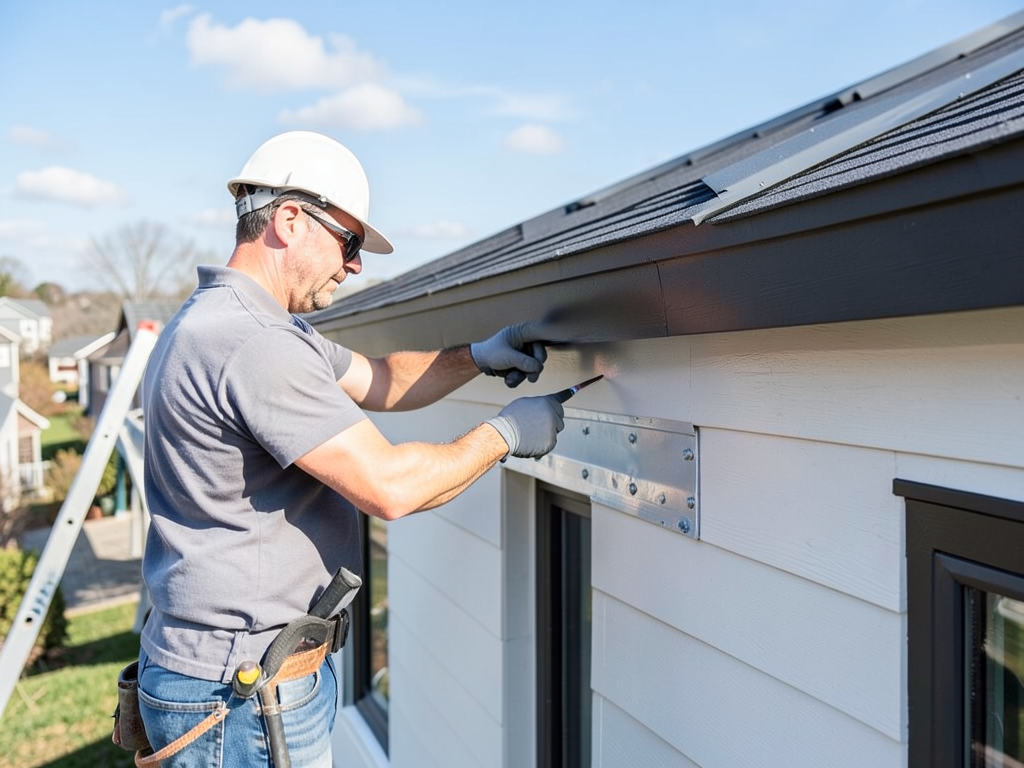
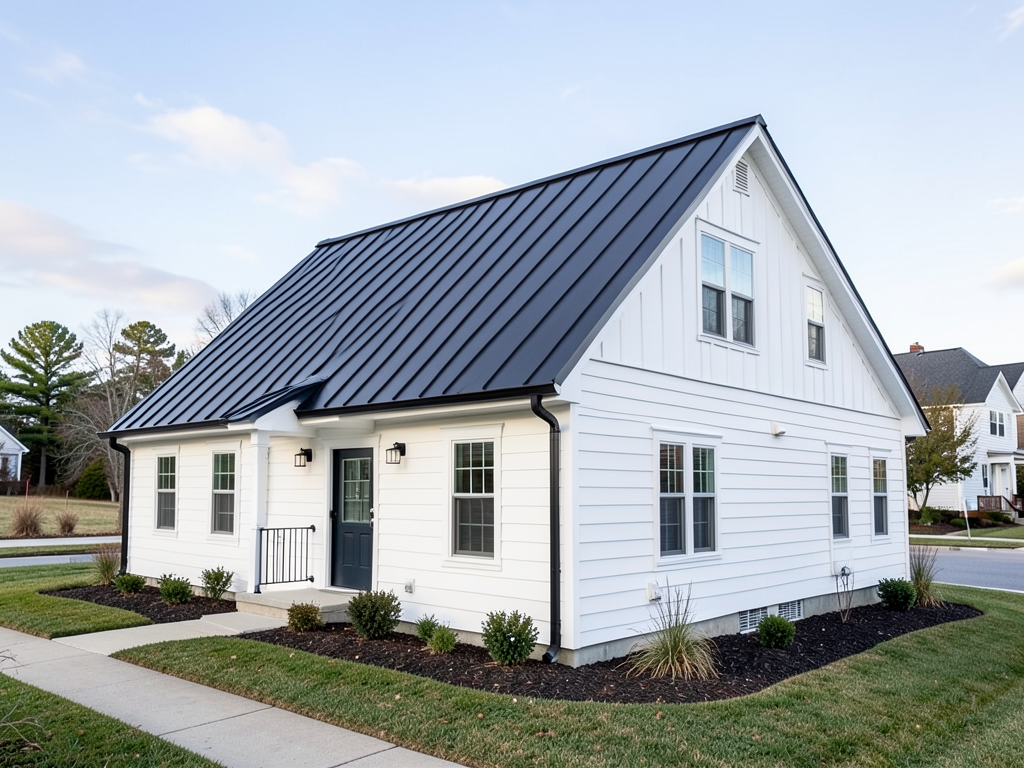
Louisville hits 90-plus degrees with high humidity through July and August, then drops to teens and twenties through January and February. Your asphalt roof shingles expand and contract through this cycle twice annually for decades. Each thermal movement stresses the fiberglass mat and breaks down asphalt binders holding granules in place. Freeze-thaw cycles split shingle edges where moisture penetrates. Ice forms under lifted tabs, prying them further from the deck. Spring storms arrive when your roof is weakest from winter damage, and 60 mph gusts tear off compromised shingles. This is not gentle aging. This is accelerated material failure caused by Kentucky weather patterns that repeat every year.
Jefferson County requires specific wind ratings and fastening patterns that cheap installers ignore to save time. We know these codes because we work with county inspectors weekly. We understand the architectural diversity across Louisville neighborhoods, from the historic slate roofs in Cherokee Triangle that influence nearby home styles to the ranch sprawl in Highview that creates different ventilation challenges. Local expertise means matching your roof system to your specific exposure level, not using the same generic approach on every house. When the next severe weather outbreak hits Louisville, your roof needs to be engineered for it, not just hopefully adequate.