menu

Metal Roofing Systems in Louisville – Built to Outlast Kentucky's Severe Weather and Temperature Swings

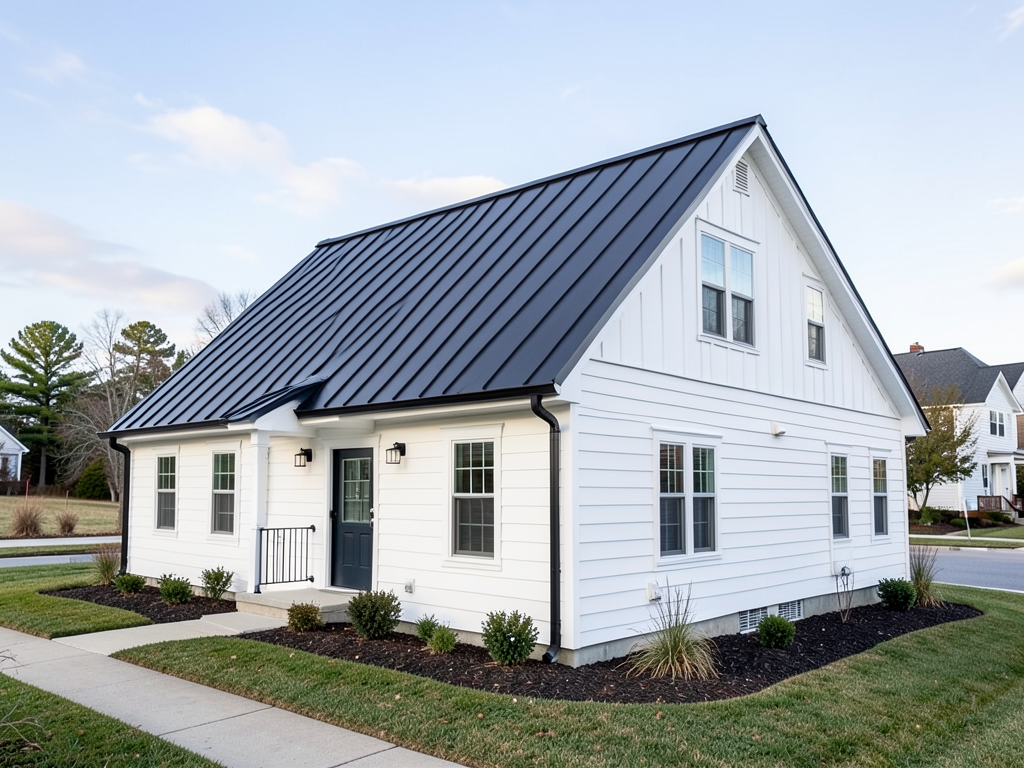
Fortress Roofing Louisville installs engineered metal roofing systems designed for Kentucky's freeze-thaw cycles, high humidity, and storm exposure, giving you a roof that protects your property for decades with minimal maintenance.

Slider Image 1
Slider Image 2
Slider Image 3
Slider Image 4
Slider Image 5
Slider Image 7
Slider Image 8
Slider Image 9
Slider Image 10
Slider Image 11

Why Louisville Buildings Need Metal Roofing Systems That Can Handle Extreme Conditions

Louisville sits in a climate zone where your roof endures more abuse than most property owners realize. Winter brings freeze-thaw cycles that crack and lift traditional asphalt shingles. Spring delivers severe thunderstorms with high winds and hail. Summer humidity creates condensation problems in poorly ventilated attic spaces. Fall temperature swings cause thermal expansion and contraction that fatigues roofing materials over time.

Metal roofing systems solve these problems through engineering, not luck. Metal roofing panels resist wind uplift better than any other residential material. Metal roof sheets shed water instantly, eliminating the standing moisture that rots wood decking in Louisville's humid climate. Metal roofing materials do not crack during freeze-thaw cycles because they expand and contract without structural failure.

Properties in the Highlands, Old Louisville, and St. Matthews face additional challenges. Historic structures need roofing products that meet preservation guidelines while protecting aged framing. Commercial buildings in industrial corridors near the Ohio River require metal roofs that handle corrosive river valley humidity without constant maintenance. Residential subdivisions in eastern Jefferson County deal with wind exposure from open farmland that can destroy lesser roofing materials.

Metal roofing products deliver 50-plus years of service life when installed correctly. That means fewer disruptions, lower lifetime costs, and better property protection through every season Louisville throws at you.

Why Louisville Buildings Need Metal Roofing Systems That Can Handle Extreme Conditions
How We Engineer Metal Roofing Systems for Louisville's Building Stock

How We Engineer Metal Roofing Systems for Louisville's Building Stock

Installing metal roofs requires more than fastening panels to plywood. You need proper thermal break design, ventilation engineering, and substrate preparation specific to your building type and roof geometry.

We start with substrate assessment. Your existing roof decking must handle the different load distribution of metal roofing panels compared to shingles. We inspect for rot, measure deflection, and verify fastener holding capacity. If your decking shows damage from years of water intrusion, we replace affected sections before any metal goes up.

Next comes underlayment selection. We do not use standard felt paper under metal roofs. You need a high-temperature synthetic underlayment that will not degrade from the heat reflection off metal surfaces. In Louisville's summer sun, metal roof sheets can reach 180 degrees. The wrong underlayment will fail in three years.

Ventilation design matters more with metal roofing systems than conventional roofs. Metal panels conduct heat rapidly, which means your attic space heats up faster without proper intake and exhaust ventilation. We calculate required net free ventilation area based on your roof pitch and attic square footage, then install ridge vents and soffit intake to move air efficiently.

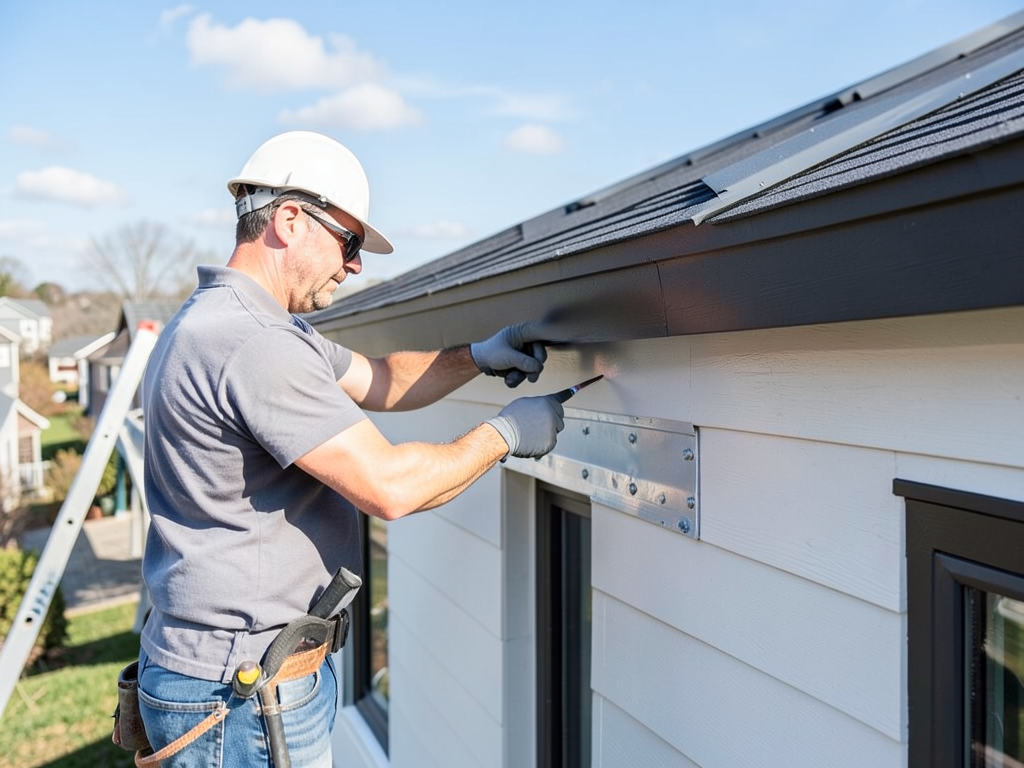
Panel fastening follows engineered specifications, not guesswork. We use concealed fastener systems on standing seam applications and exposed fastener patterns with neoprene washers on corrugated profiles. Every fastener hits solid framing. Every panel overlaps according to manufacturer requirements for your roof pitch. We seal all penetrations, terminations, and transitions with butyl tape and compatible sealants rated for metal-to-metal contact.

What Happens During Your Metal Roofing System Installation

Metal Roofing Systems in Louisville – Built to Outlast Kentucky's Severe Weather and Temperature Swings
01

Roof Assessment and Planning

We measure your roof geometry, photograph all penetrations, and inspect structural framing from inside your attic space. You get a detailed scope document that identifies substrate repairs, required flashing configurations, and panel layout based on your roof pitch and architectural style. We verify local permit requirements and schedule inspections before any tear-off begins.
02

Substrate Preparation and Panel Installation

We remove existing roofing materials down to the deck, replace damaged plywood, and install high-temperature synthetic underlayment. Metal roofing panels go up in sequence from eave to ridge with precise overlap measurements. All fasteners hit solid framing members. We install drip edge, rake trim, and custom flashing at every roof plane transition. Ridge caps seal the top with concealed fasteners and butyl tape.
03

Final Inspection and Cleanup

We walk the entire roof to verify every fastener, check all sealant applications, and confirm proper panel alignment. You receive installation photos, manufacturer documentation, and care instructions specific to your metal roofing material. We remove all debris, magnetic sweep your property for loose fasteners, and schedule the final building inspection. Your roof is ready to protect your building for the next five decades.

Why Louisville Property Owners Choose Fortress Roofing for Metal Systems

Metal roofing systems fail when installers treat them like oversized shingles. You need crews who understand thermal movement, fastener withdrawal resistance, and how Louisville's climate affects different metal roofing materials over time.

We have installed metal roofs on historic homes in Old Louisville where preservation guidelines require specific profiles and finishes. We have re-roofed commercial buildings in Butchertown and NuLu where standing seam systems needed to integrate with existing HVAC penetrations and parapet walls. We have worked on agricultural buildings in outer Jefferson County where wind uplift ratings matter more than aesthetics.

That experience translates to fewer callbacks and longer roof life for you. We know which metal roofing panels work best on low-slope applications common in mid-century ranch homes. We understand how to flash metal roof sheets around chimneys on Victorian structures without creating ice dam problems. We size ventilation systems correctly for Louisville's summer heat and winter moisture loads.

You also get access to commercial-grade metal roofing products not available through big-box retailers. We source Galvalume-coated steel with Kynar paint systems rated for 40-year color retention. We install aluminum standing seam on properties near the Ohio River where steel would corrode faster. We can match historic copper profiles for restoration projects in designated preservation districts.

Local building inspectors know our work. We pull permits correctly, schedule required inspections, and deliver installations that pass on the first visit. That saves you time, eliminates compliance headaches, and protects your property investment.

What You Get with a Fortress Metal Roofing System

Project Timeline and Scheduling

Most residential metal roof installations take three to five days depending on roof complexity, square footage, and required substrate repairs. Commercial projects vary based on building size and operational requirements. We provide a written timeline before work starts and update you daily on progress. Weather delays happen, but we communicate immediately and reschedule efficiently. We do not leave your building exposed overnight. If we tear off your old roof, we get the new metal roofing panels installed and watertight before we leave each day. You get predictable scheduling without surprise delays or extended exposure periods.

Pre-Installation Roof Assessment

We inspect your roof from both outside and inside before providing a quote. That means we go into your attic space to check framing, look for previous leak damage, and verify ventilation adequacy. We measure roof pitch, identify all penetrations, and photograph problem areas. You get a detailed written assessment that explains substrate condition, required repairs, and recommended metal roofing system specifications. We identify potential issues before they become costly surprises mid-project. This transparency eliminates change orders and keeps your project on budget. You know exactly what you are getting before we start.

Finished Roof Quality

Your completed metal roofing system will have straight panel lines, consistent fastener patterns, and sealed terminations at every transition point. We use custom-fabricated flashing instead of generic trim pieces that create leak paths. All penetrations get sealed with butyl tape and metal storm collars. Ridge caps install with concealed fasteners and continuous sealant. You receive a roof that looks professionally installed because every detail gets attention. Panel color and finish remain consistent across the entire roof surface. We deliver installations that enhance your property appearance while providing superior weather protection for decades.

Material Warranties and Support

Metal roofing materials come with manufacturer warranties covering paint finish and substrate perforation. We provide all warranty documentation and register your installation directly with the manufacturer when required. You get written specifications for recommended maintenance, which is minimal compared to other roofing types. We remain available for questions about roof care, cleaning recommendations, or addressing any concerns that arise after installation. If you ever need repairs or modifications, we have your complete installation documentation on file. This includes panel profiles, fastener specifications, and custom flashing details specific to your roof, making future work simpler and more cost-effective.

Frequently Asked Questions

You Have Questions,
We Have Answers

What is the biggest problem with metal roofs? +

The biggest problem with metal roofs is improper installation. Fasteners placed incorrectly create leak points. Exposed fastener systems expand and contract with Louisville's temperature swings, loosening over time. Flashing around chimneys and valleys fails when installers cut corners. Condensation buildup occurs without proper underlayment and ventilation, especially in our humid climate. Denting from hail or debris happens with thinner gauges. Noise during rainstorms bothers homeowners when installers skip sound-dampening underlayment. Choose an experienced contractor who understands metal panel expansion rates and follows manufacturer specifications to avoid these costly mistakes.

Is it cheaper to put a metal roof or shingles? +

Metal roofing costs more upfront than asphalt shingles in Louisville. You pay 2 to 3 times more for materials and installation. However, metal lasts 40 to 70 years versus 15 to 25 years for shingles. You avoid multiple replacements. Metal roofs need fewer repairs, resist storm damage better, and lower cooling costs in summer. The lifetime value favors metal despite higher initial expense. Factor in energy savings, insurance discounts, and eliminated replacement costs when comparing. Asphalt makes sense for tight budgets or short-term ownership. Metal wins for long-term investment.

What is the most cost effective metal roof? +

Exposed fastener metal panels offer the most cost-effective option. These corrugated or ribbed panels attach directly through the face. Material costs run lower than standing seam systems. Installation goes faster, reducing labor expense. Agricultural-style panels work well for sheds and outbuildings. For homes, consider painted steel panels over bare galvanized for better appearance and longevity. Standing seam costs more but hides fasteners and performs better long-term. Avoid the cheapest gauge metal. Thicker 26-gauge or 24-gauge steel resists denting from Louisville hailstorms better than thin 29-gauge panels.

What are the different types of metal roofing? +

Standing seam features raised ribs with hidden clips that allow thermal movement. This premium system works best for homes. Corrugated panels have repeating waves and exposed fasteners. R-panel and PBR panel systems offer vertical ribs for sheds and commercial buildings. Metal shingles and tiles mimic traditional roofing. Stone-coated steel adds texture and sound dampening. Materials include steel (galvanized or Galvalume), aluminum, copper, and zinc. Steel dominates Louisville installations due to strength and affordability. Aluminum resists rust but dents easier. Copper develops a patina and costs significantly more.

Why do insurance companies dislike metal roofs? +

Insurance companies worry about installation quality and compatibility with existing structures. Metal roofs installed over old shingles create inspection problems. Poor workmanship leads to claims. Some insurers hesitate with homes near airports due to denting risks. Older metal roofs with exposed fasteners show higher leak rates. However, most carriers recognize modern metal roofing performs well. Many offer discounts for impact-resistant metal in Louisville. Metal resists wind damage and fire better than shingles. Get documentation from your contractor showing proper installation and material ratings. This satisfies underwriters and may lower premiums.

What happens if you leave rust on metal? +

Rust spreads across unprotected metal through oxidation. Surface rust penetrates deeper, weakening structural integrity. The coating fails, allowing moisture underneath. Louisville's humidity accelerates corrosion. Rust stains appear on siding and gutters below. Small rust spots expand into holes requiring panel replacement. Catch rust early. Wire brush the area, apply rust converter, then coat with matching roof paint. Galvanized and Galvalume coatings resist rust, but scratches expose bare metal. Inspect fasteners and cut edges annually. Replace corroded panels before leaks develop. Proper maintenance stops minor rust from becoming expensive damage.

How much would it cost to put a metal roof on a 1000 square foot house? +

For a 1000 square foot house in Louisville, expect material and installation costs to vary based on metal type and complexity. Standing seam systems run higher than exposed fastener panels. Roof pitch, number of penetrations, and tear-off requirements affect labor. Steeper roofs cost more. Removing old shingles adds expense. Simple gable roofs install faster than complex hip designs. Your home's specific conditions determine final pricing. Get multiple detailed quotes from licensed contractors. Compare panel gauge, finish warranty, and underlayment quality. The lowest bid often means cut corners that create problems later.

Does a metal roof lower your insurance? +

Metal roofing may lower your insurance premium in Louisville. Insurers recognize metal resists wind, hail, and fire damage better than asphalt shingles. UL 2218 Class 4 impact-rated metal qualifies for discounts with many carriers. Savings range from 5% to 35% depending on your insurer and coverage. Ask your agent before installation. Document the roof system specifications. Some companies require specific certifications. Metal roofs reduce claim frequency, which insurers reward. The discount helps offset higher installation costs over time. Not all carriers offer reductions, so shop around and compare total coverage.

What is the life expectancy of a metal roof? +

Metal roofs last 40 to 70 years in Louisville with proper installation and maintenance. Steel and aluminum systems typically reach 50 years. Copper and zinc exceed 70 years. Paint finishes fade before the metal fails. Kynar 500 coatings hold color 30-plus years. Exposed fastener systems need gasket replacement around year 20. Standing seam roofs require minimal maintenance and outlast exposed fastener types. Louisville's weather causes earlier failure on low-quality installations. Inspect fasteners, flashing, and panels annually. Address small issues fast. A well-maintained metal roof outlasts you and adds value when selling.

How much does a 2000 square foot metal roof cost? +

For 2000 square feet in Louisville, costs depend on metal type, roof complexity, and contractor experience. Standing seam systems cost more than exposed fastener panels. Tear-off, underlayment quality, and trim details affect pricing. Steep pitches and multiple valleys increase labor. Simple ranch-style homes cost less than multi-level designs with dormers. Material gauge matters. Thicker metal resists Louisville hailstorms better. Get itemized quotes from three licensed contractors. Compare warranties, references, and material specifications. Avoid contractors who lowball estimates then cut corners. Quality installation prevents expensive callbacks and premature failure.

How Louisville's Freeze-Thaw Cycles and River Valley Humidity Affect Metal Roof Performance

Louisville experiences 60 to 80 freeze-thaw cycles each winter, where daytime temperatures climb above freezing and nighttime lows drop back down. This constant expansion and contraction destroys asphalt shingles and causes fastener withdrawal that leads to blow-offs. Metal roofing systems handle this thermal movement through engineered panel designs that allow controlled expansion without fastener stress. Properties near the Ohio River face additional challenges from moisture-laden air that condenses in attic spaces, rotting wood decking and rusting metal components. Properly installed metal roofs with adequate ventilation and moisture barriers prevent these problems while delivering superior wind resistance during spring storm season when Louisville sees frequent severe weather warnings.

Louisville building codes follow the International Residential Code with local amendments specific to wind load requirements and ice dam prevention. Metal roofing installations must meet fastening schedules based on your property's wind exposure category, which varies significantly between river valley locations and elevated eastern Jefferson County areas. Working with local roofing contractors who understand these requirements protects your investment and ensures compliance during building inspections. We maintain relationships with Louisville Metro permit offices and stay current on code changes that affect metal roof installations, giving you confidence that your project meets all regulatory requirements while delivering the weather protection your property needs.

Roofing Services in The Louisville Area

Fortress Roofing Louisville is proud to serve the entire metro area and surrounding communities. We've included a map here to help you easily locate our main office and visualize the broad service region we cover, ensuring that expert, trustworthy roofing help is always within reach for our neighbors. If you are located slightly outside the highlighted area, please call us—we are often able to accommodate projects across a wider geographic region to provide our quality services to those who need it most.

Address:
Fortress Roofing Louisville, 10200 Forest Green Blvd, Louisville, KY, 40223

Additional Services We Offer

Our news updates

Latest Articles & News from The Blogs

Why Modern Shed Style Roof Additions in the Highlands Leak More Often The sloped single-plane design of modern shed roof…

Why Modern Shed Style Roof Additions in the Highlands Leak More Often

Why Modern Shed Style Roof Additions in the Highlands Leak More Often The sloped single-plane design of modern shed roof…

Choosing the Right Roof for a Modern Farmhouse in Polo Fields or Shakes Run

Choosing the Right Roof for a Modern Farmhouse in Polo Fields or Shakes Run Modern farmhouses in Louisville’s Polo Fields…

The Real Cost of Solar Shingles for Eco Friendly Homes in the East End

The Real Cost of Solar Shingles for Eco Friendly Homes in the East End Solar shingles represent a revolutionary roofing…

Contact Us

Stop replacing your roof every 15 years. Call Fortress Roofing Louisville at (502) 678-7557 for a detailed metal roofing assessment. We provide transparent quotes, engineered installations, and roofs built to outlast everything Kentucky weather delivers.