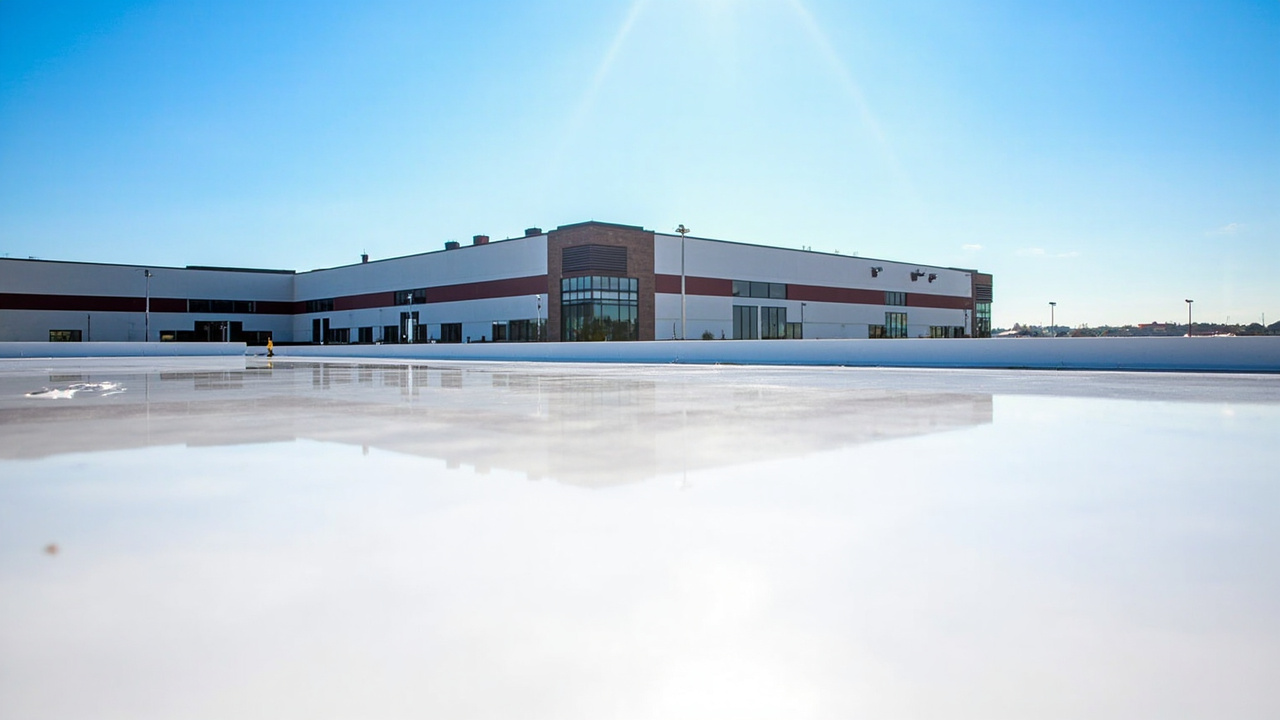
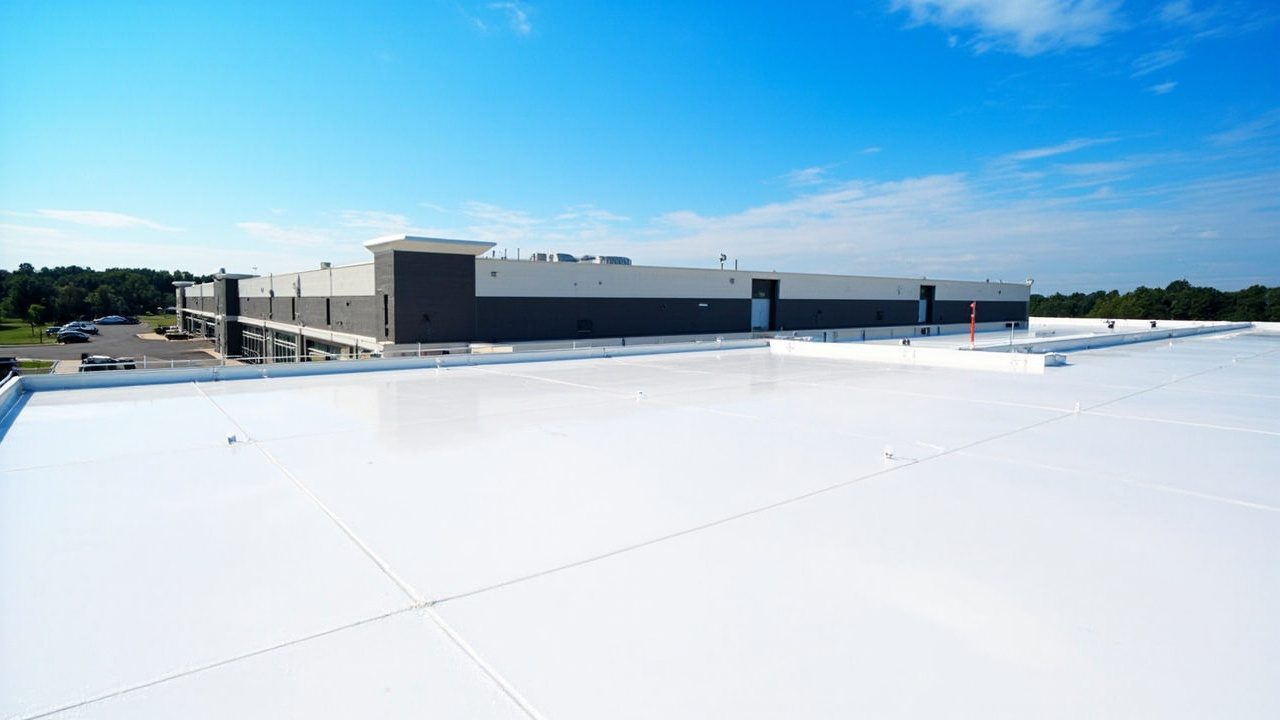
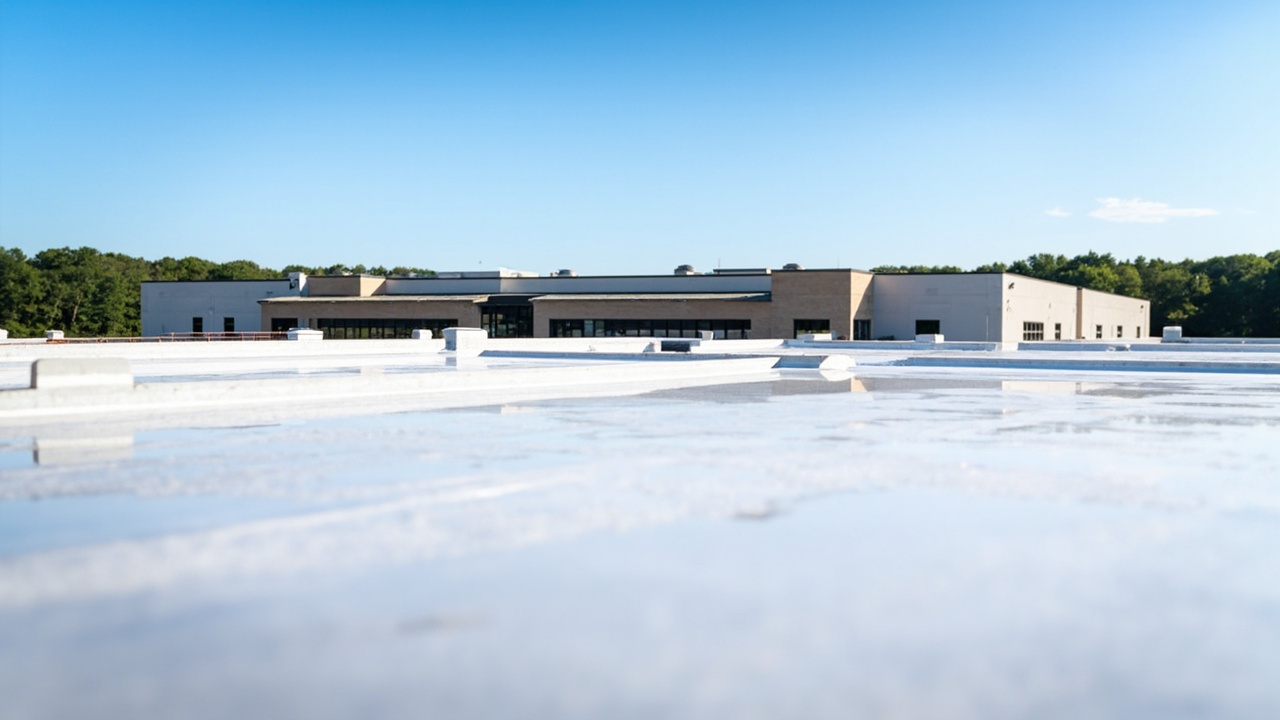
The Ohio River Valley traps moisture-laden air across Louisville's commercial districts, creating overnight condensation that penetrates membrane seams and fastener penetrations. This persistent humidity causes adhesive failure in fully-adhered systems and corrosion in metal panel fasteners at rates 40 percent faster than drier climates. Commercial roofing contractors who specify systems without vapor retarders or adequate ventilation create trapped moisture conditions that void warranties and require premature replacement. Buildings in low-lying areas near Beargrass Creek or along River Road face even greater moisture stress, requiring enhanced waterproofing details and more frequent inspection intervals to prevent catastrophic failures during Louisville's intense spring storm season.
Louisville Metro's building codes incorporate amendments addressing the region's wind and snow load requirements, which differ from standard International Building Code provisions. Commercial roofing firms must engineer attachment patterns that satisfy these local requirements while accounting for the added weight of HVAC equipment common on flat commercial roofs. Our relationships with Louisville's building inspection division and local material suppliers ensure projects meet code on first inspection, avoiding costly delays. We maintain certifications from major manufacturers and participate in continuing education specific to low-slope roofing challenges in humid continental climates. That local expertise protects your investment and ensures your commercial roof performs as engineered throughout its service life.