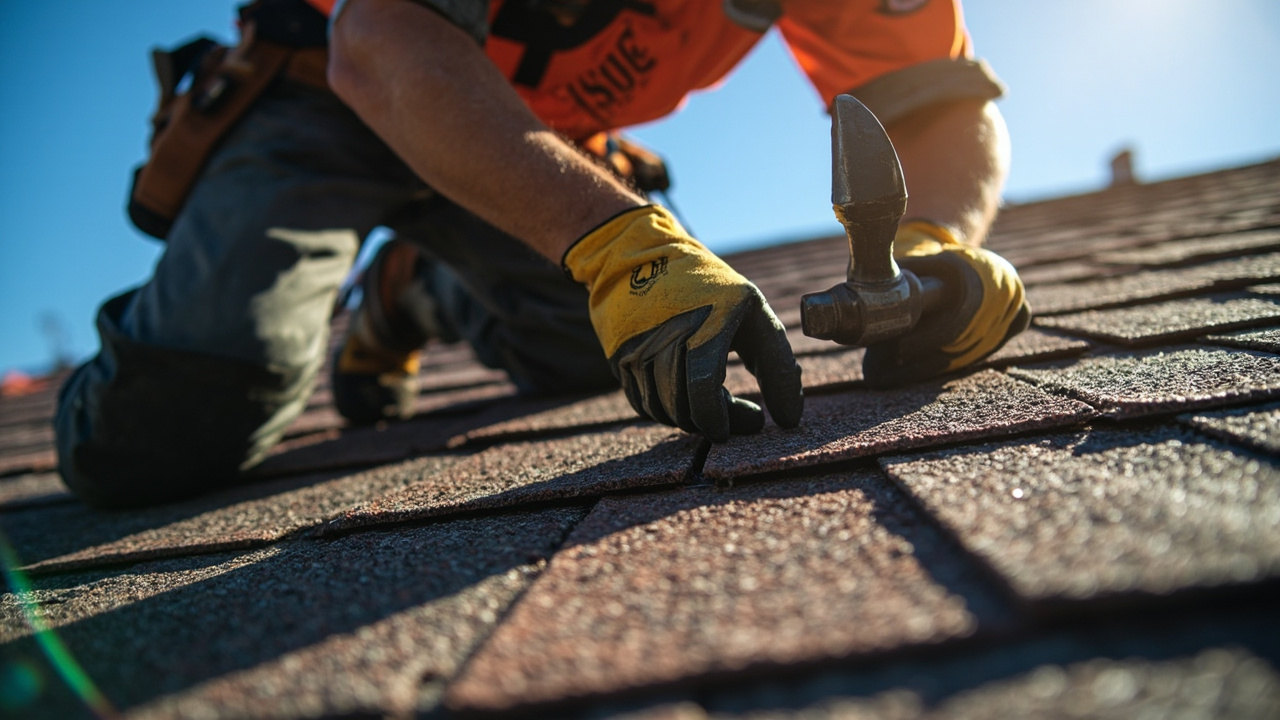
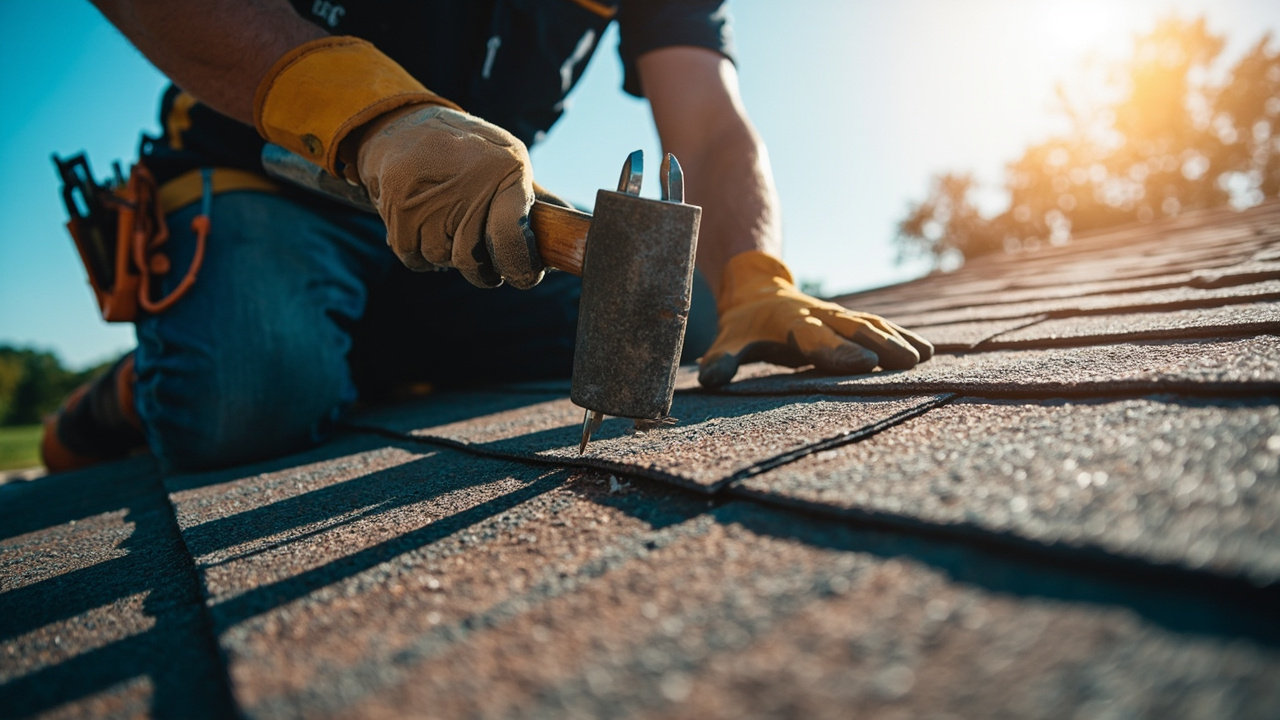
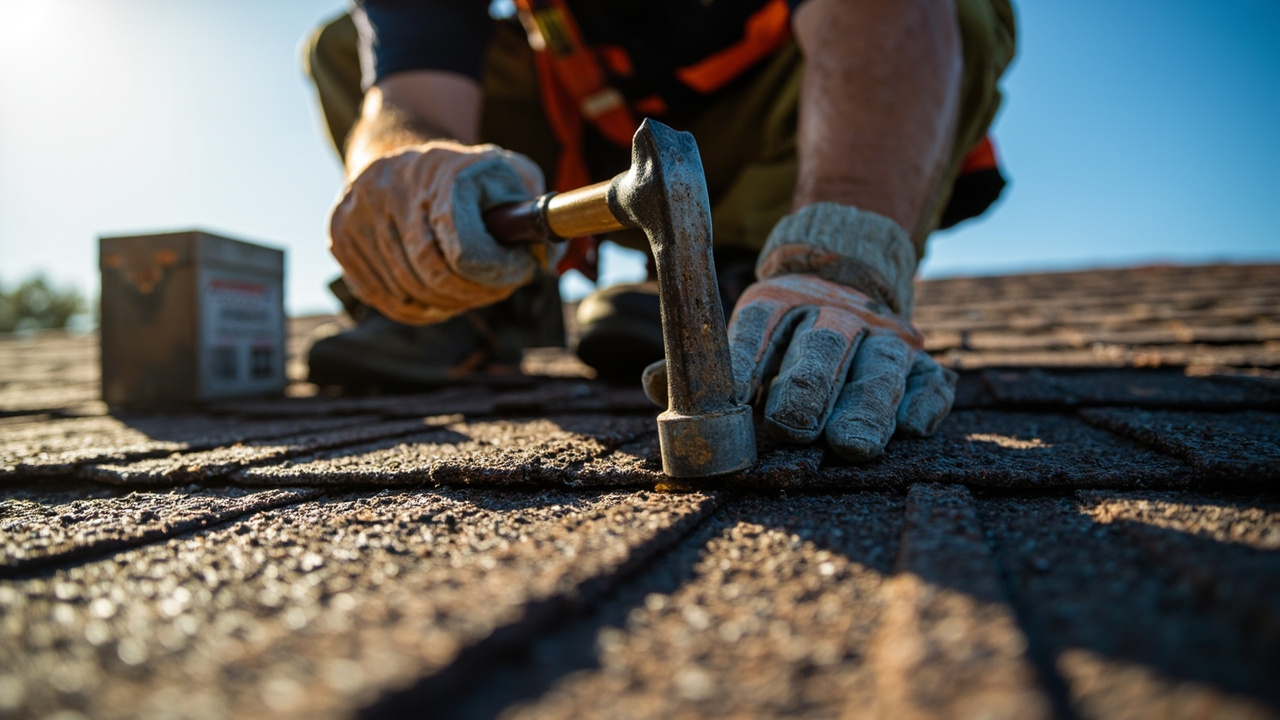
Louisville sits at the boundary between humid subtropical and humid continental climate zones. This creates winter weather that oscillates between freezing nights and mild afternoons. When temperatures drop below 32 degrees overnight, any moisture trapped under lifted shingles freezes and expands. That expansion forces the nail higher. When afternoon temperatures climb to 50 degrees, the ice melts and water seeps deeper into the roof assembly. This cycle repeats 40 to 60 times each winter, progressively worsening every nail pop. By spring, what started as a barely visible bump has become a quarter-inch gap that funnels water directly onto your decking during April thunderstorms.
Jefferson County building codes require proper fastener schedules for asphalt shingle installation, but enforcement varies by neighborhood and era of construction. Homes built before 2000 often have smooth-shank nails that meet the code requirements of their time but lack the holding power of modern ring-shank fasteners. We work with local inspectors regularly and understand current fastener requirements for both repairs and re-roofs. When we fix nail pops, we bring your roof into compliance with current standards, which protects you if you ever need to file an insurance claim or obtain a permit for other home improvements.