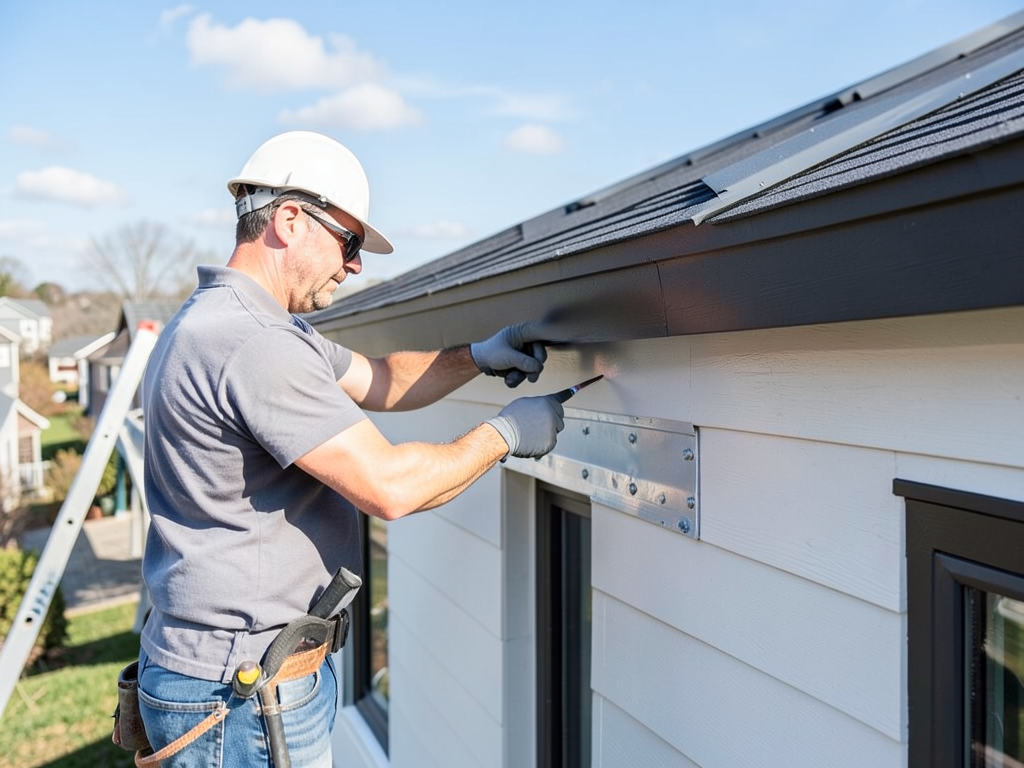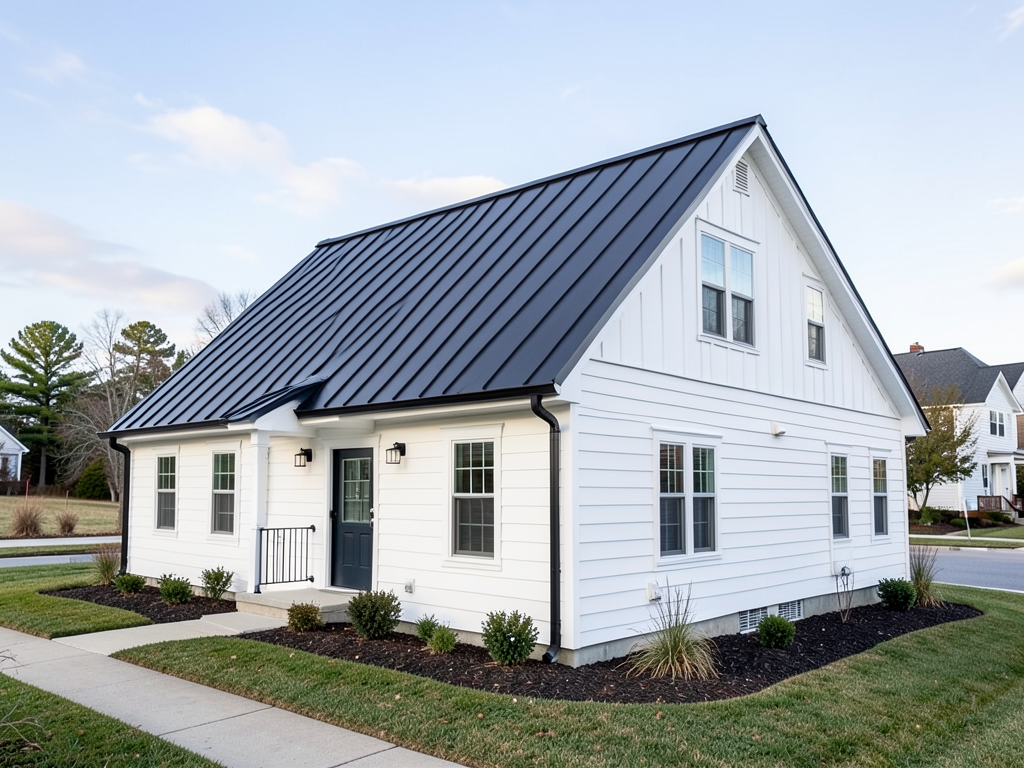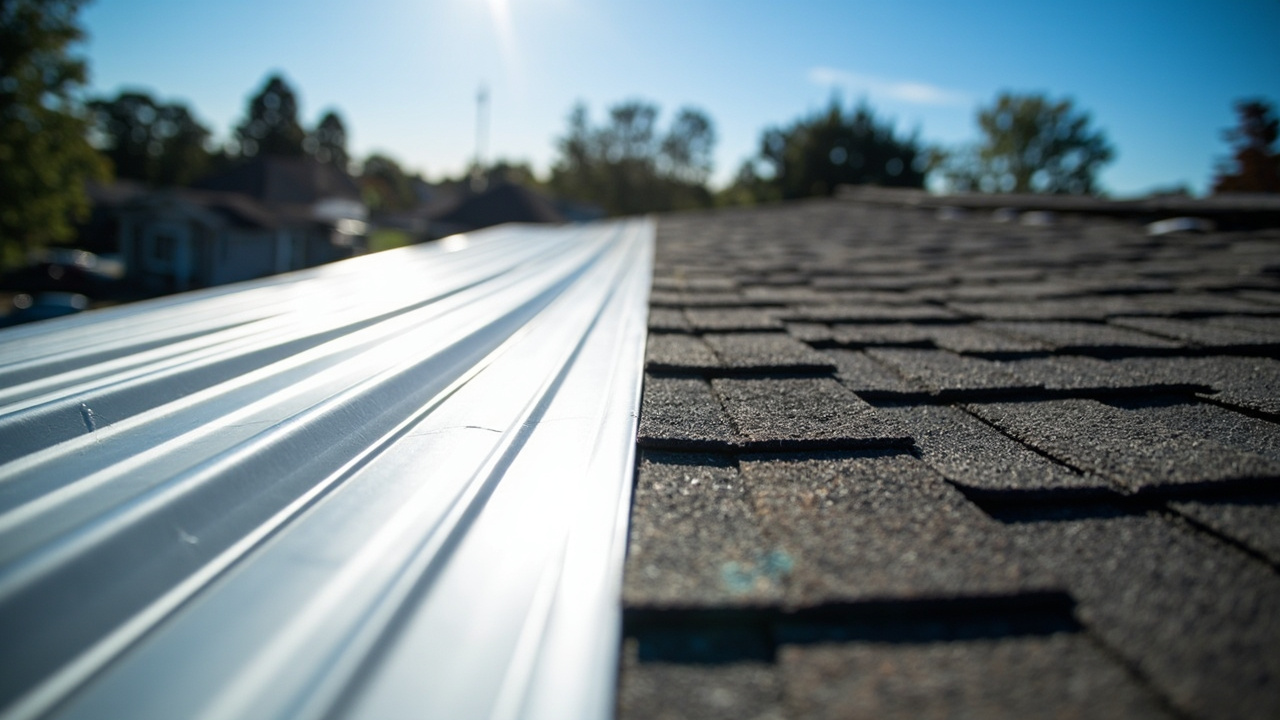
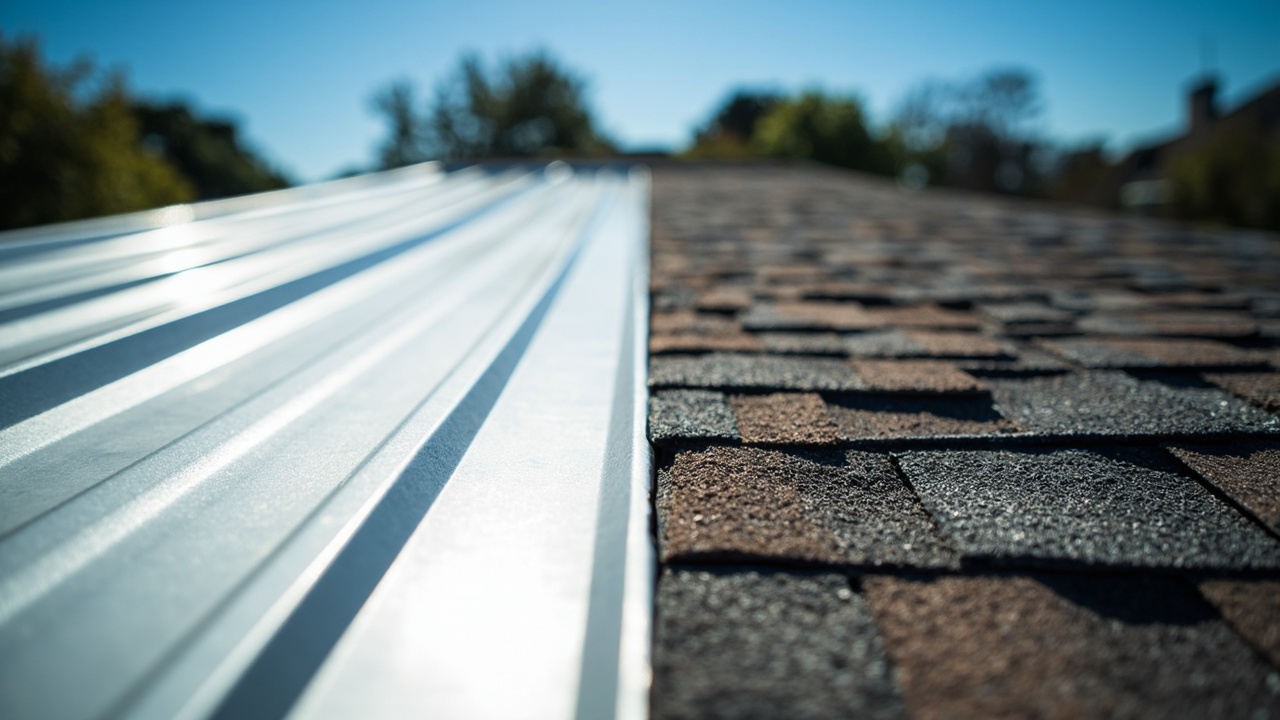
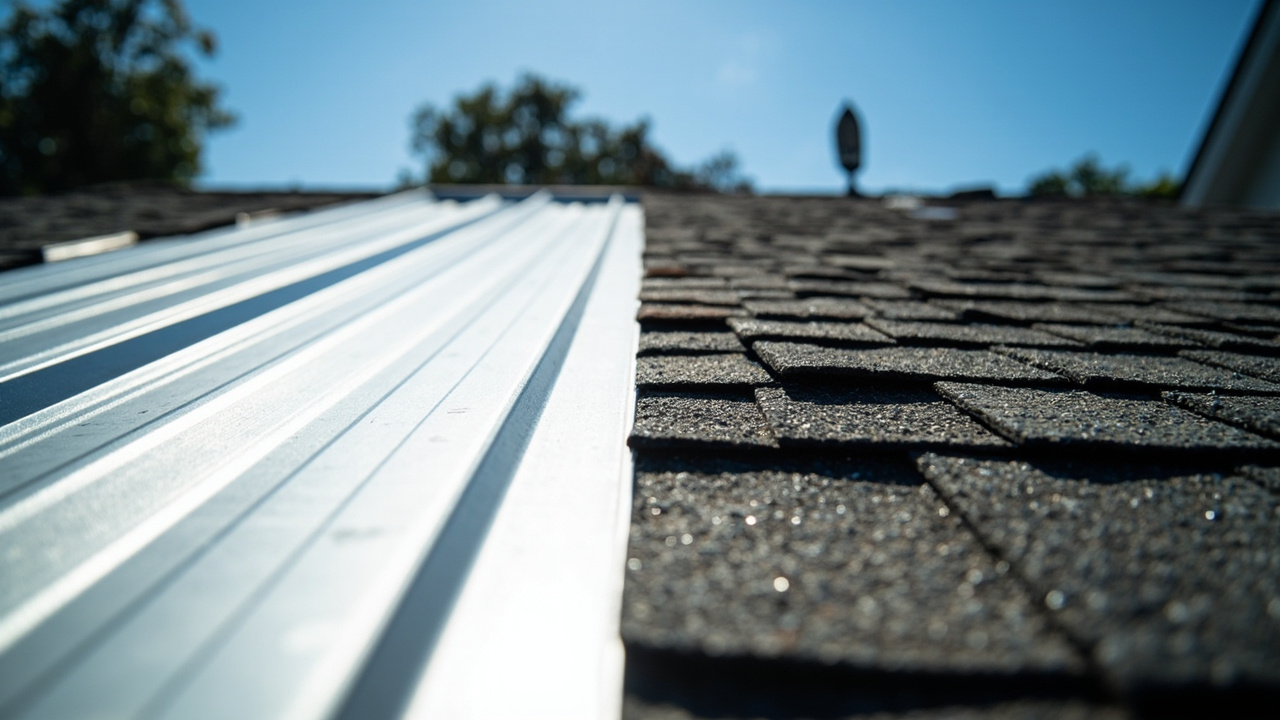
Louisville sits in a climate zone that challenges roofing materials from multiple angles. Summer humidity stays high, creating conditions where asphalt shingles retain heat and moisture. This accelerates granule loss and can lead to algae growth that appears as dark streaking on north-facing roof sections. Our winter weather brings repeated freeze-thaw cycles as temperatures swing above and below freezing throughout December, January, and February. These cycles cause asphalt to become brittle and crack. Metal roofing handles both extremes better because it sheds water quickly and does not absorb moisture. The thermal expansion and contraction that occurs with temperature swings is managed through proper panel design and fastening systems that allow movement without compromising the roof envelope.
Fortress Roofing Louisville understands how local conditions affect both roofing materials because we work exclusively in this region. We know which asphalt shingle manufacturers use algae-resistant granules suited for Kentucky humidity. We understand that homes in the Highlands and Crescent Hill with mature tree canopy need different maintenance approaches than homes in open subdivisions in Middletown or Jeffersontown. Our metal roofing installations account for Louisville's temperature ranges by using fastening systems and expansion joints appropriate for our climate zone. We work with local building inspectors regularly and understand Jefferson County's specific code requirements for both material types. That local expertise means your roof performs as expected regardless of which material you choose.