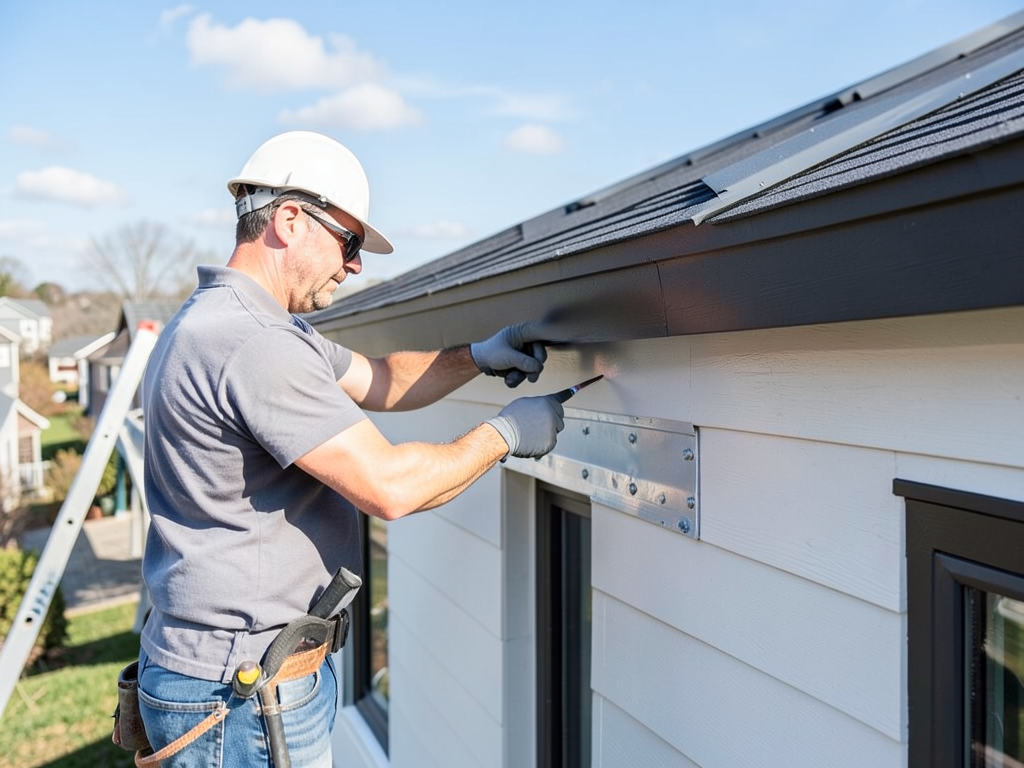
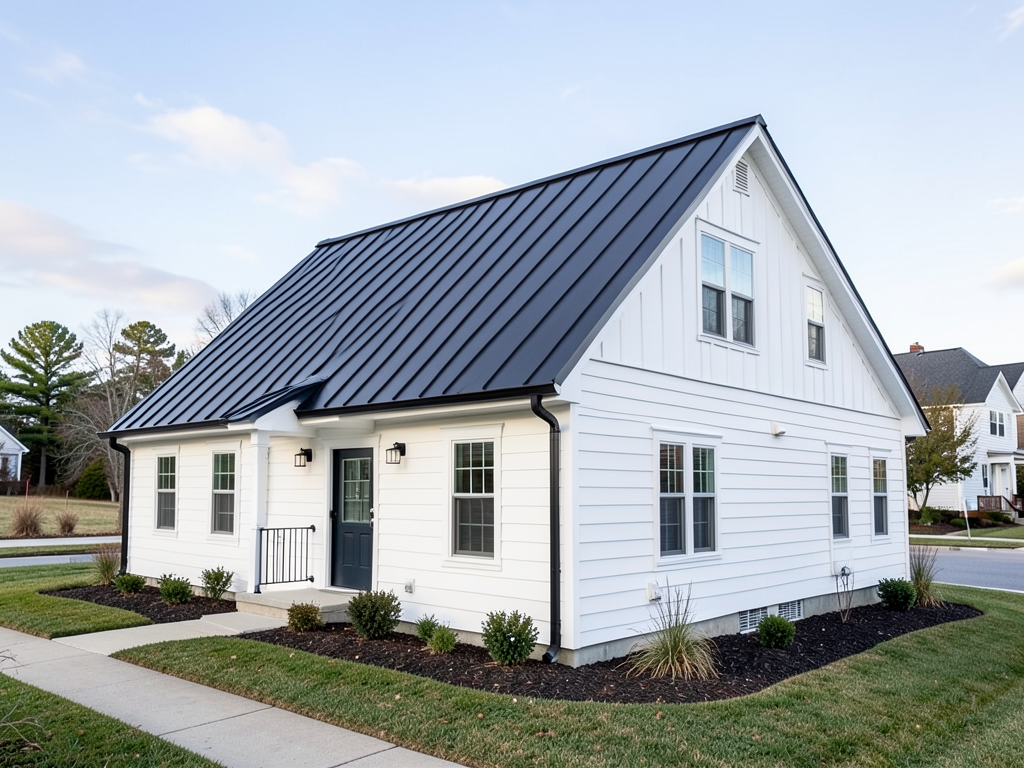
Louisville experiences temperature swings from below zero in winter to above 95 degrees in summer, creating expansion and contraction cycles that stress roofing materials. Spring storms bring hail and high winds that test membrane attachment and seam integrity. The city's position along the Ohio River creates high humidity that accelerates biological growth on roof surfaces. These conditions make PVC membrane installation the preferred choice for commercial buildings because the material remains flexible in cold weather and resists UV degradation in summer heat. The heat-welded seams eliminate the adhesive failures common in Louisville's humidity. Commercial buildings in areas like Jeffersontown, St. Matthews, and the industrial corridor near Louisville Muhammad Ali International Airport require roofing systems engineered for local weather extremes and wind exposure.
Jefferson County building codes require commercial roofing systems to meet specific wind uplift ratings and fire resistance classifications. Projects require permits, inspections, and compliance documentation that inexperienced contractors often mishandle, causing project delays and failed inspections. Fortress Roofing Louisville maintains established relationships with local building officials and understands the permit requirements for commercial roofing in Louisville Metro. We provide the engineering calculations, wind uplift testing documentation, and fire rating certifications that satisfy code requirements. This local expertise ensures your project passes inspection on the first attempt and meets the standards required by insurance carriers and commercial lenders. Choosing contractors familiar with Louisville building procedures prevents costly delays and compliance issues.