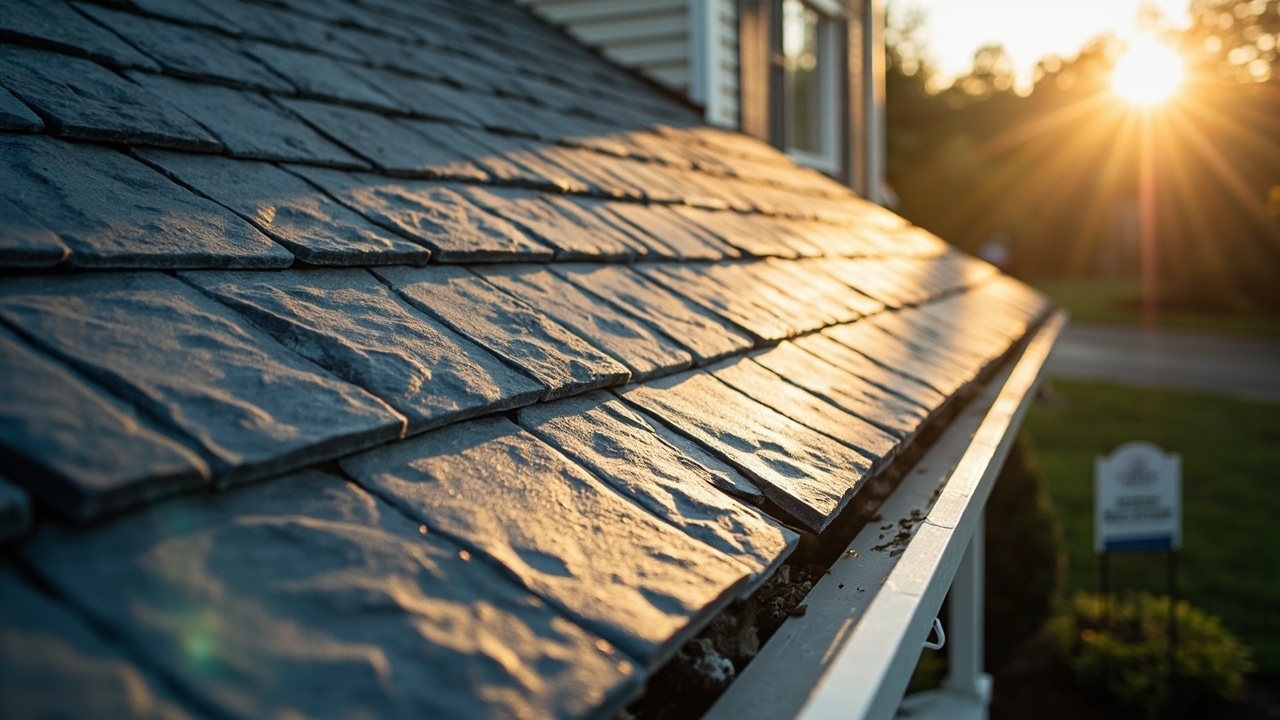
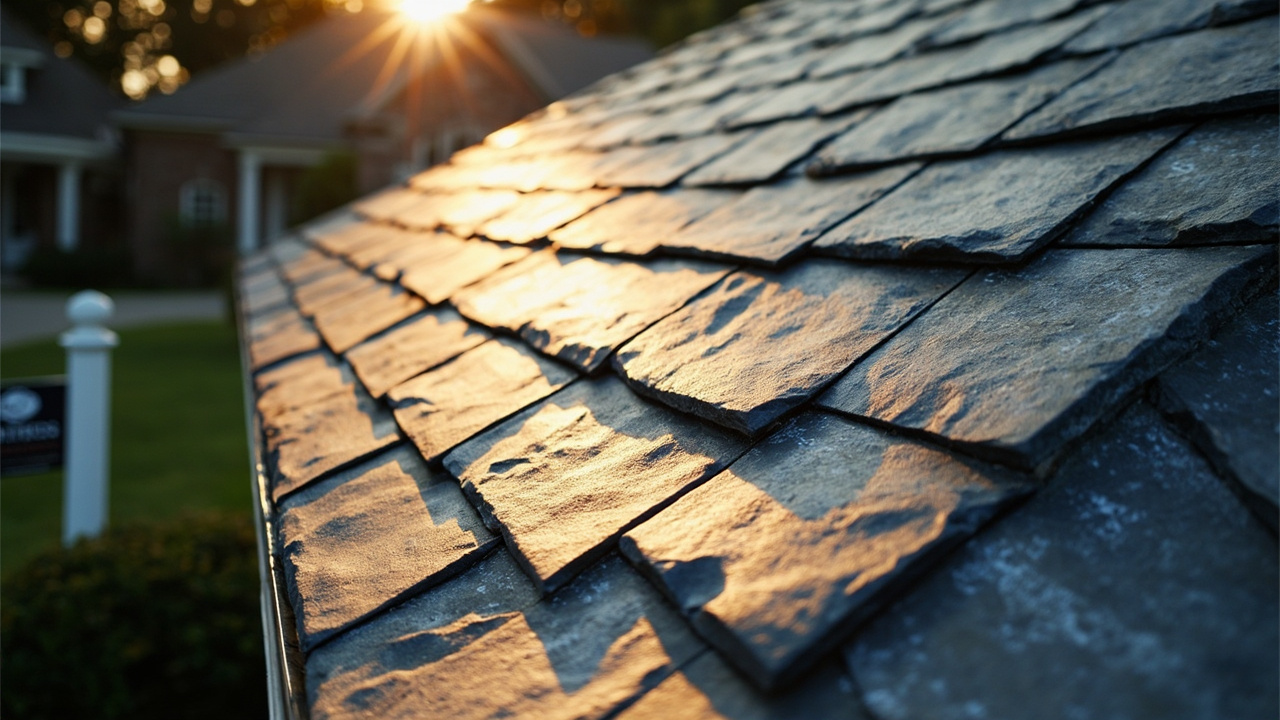
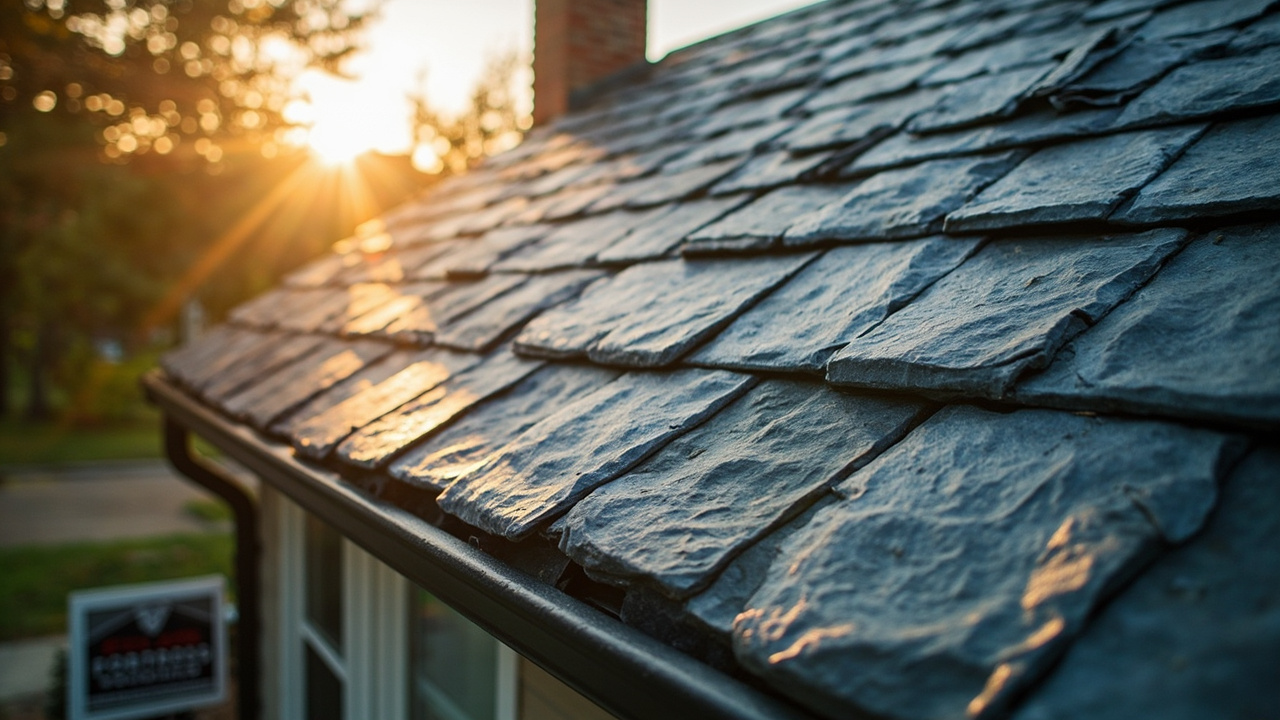
Louisville experiences an average of 15 freeze-thaw cycles per winter. Temperatures swing from 25 degrees overnight to 50 degrees by afternoon, causing absorbed moisture in porous roofing materials to expand and contract. Asphalt shingles crack under this stress. Slate remains unaffected because it absorbs less than 0.2 percent of its weight in water. The city's historic districts contain homes built between 1870 and 1920 when slate was the premium roofing standard. Those original roofs lasted a century. Modern composite slate roofing replicates that performance using polymer technology engineered for dimensional stability across temperature extremes that range from negative 10 degrees in January to 95 degrees in July.
Jefferson County's building code requires roof replacement permits for homes in designated preservation districts. We maintain working relationships with the Landmarks Commission staff who review material submittals for historic appropriateness. That knowledge prevents approval delays. Louisville's roofing contractors must understand the difference between Victorian-era graduated slate patterns and uniform commercial slate installation. We source materials that match original color palettes, from the green slate common in Italianate homes to the purple and gray blends used in Queen Anne architecture. Local expertise means your roof passes inspection the first time and preserves the architectural integrity that makes Louisville neighborhoods worth protecting.