
Understanding Nail Pops and Why Shingles Lift Up on Homes in Park Duvall
When you walk outside and notice a small bump under your asphalt shingles or see a nail head poking through, you’re looking at a nail pop. This common roofing issue occurs when roofing nails back out of the decking, creating a raised area that pushes against the shingle above. In Park Duvall homes, these nail pops often happen during seasonal temperature swings when the roof deck expands and contracts. The result is a visible bump that can lead to shingle cracking, water infiltration, and costly damage if left unaddressed. The most trusted roofing services in Germantown and Schnitzelburg.
Nail pops are more than just cosmetic blemishes. Each raised nail creates a pathway for water to seep under your shingles and into your attic space. During Louisville’s frequent spring storms and summer downpours, these openings become entry points for moisture that can rot your roof deck and create perfect conditions for mold growth. Understanding what causes nail pops and how to identify them early can save Park Duvall homeowners thousands in repair costs. EPA mold prevention guidelines.
What Do Roof Nail Pops Look Like?
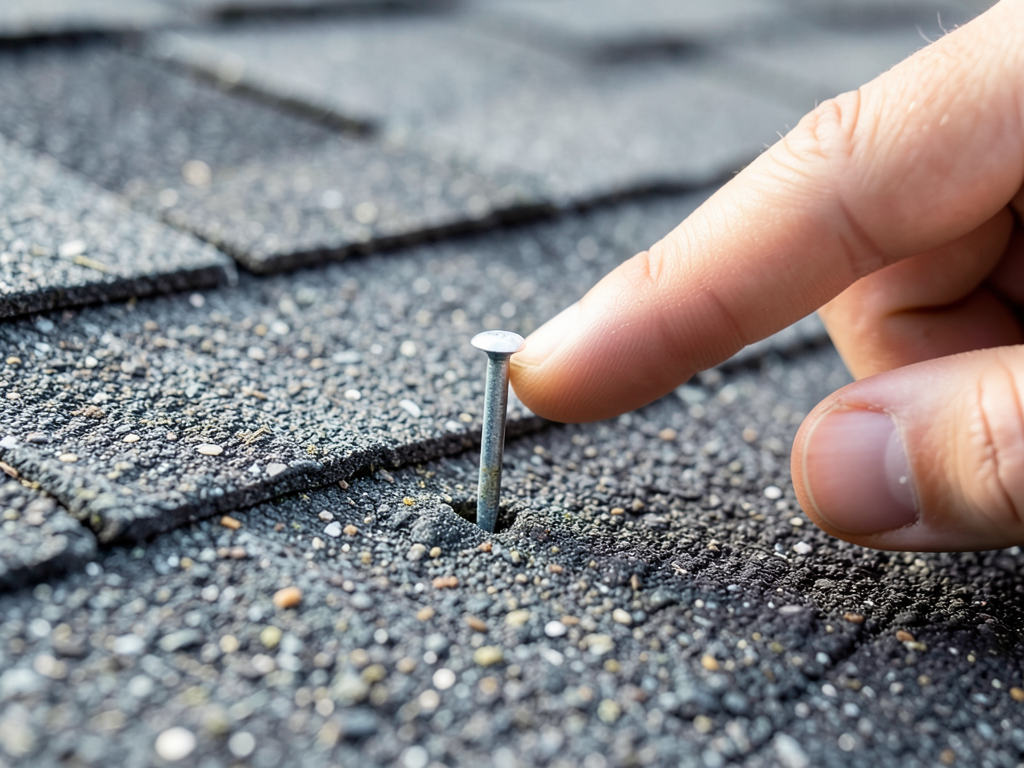
From ground level, nail pops appear as small bumps or raised areas on your roof surface. You might notice a shingle that looks slightly lifted or has a visible bump where the nail has pushed through. In some cases, you can actually see the nail head itself protruding through the shingle surface. During different times of day, these bumps may be more or less noticeable depending on how the sunlight hits your roof.. Read more about The best shingle options for high wind areas in Mount Washington.
Up close, a nail pop creates a distinct visual signature. The shingle above the affected area will appear buckled or lifted, often with a small crack forming along the ridge where the shingle bends over the raised nail. You might also notice that the nail head is either exposed or creating a visible indentation in the shingle surface. These diagnostic signs help roofing professionals quickly identify problem areas during inspections. Roofing Owensboro.
Seasonal changes make nail pops more noticeable in Park Duvall. During summer heat waves, the expanded roof deck can push nails outward more dramatically. In winter, freeze-thaw cycles can cause the wood to contract and expand repeatedly, worsening existing nail pops or creating new ones. This is why many Park Duvall homeowners first notice these issues during seasonal transitions.
Top 4 Causes of Nail Pops in Kentucky
Understanding why nail pops occur helps prevent them from happening in the first place. In Kentucky’s climate, several factors contribute to this common roofing problem. Thermal expansion and contraction of the roof deck is the primary culprit, but improper installation techniques and material choices also play significant roles.
Thermal expansion happens when your roof deck materials heat up during Louisville’s hot summers. The wood expands, putting pressure on the nails that hold your shingles in place. When temperatures drop at night or during seasonal changes, the wood contracts. This constant cycle of expansion and contraction gradually works nails loose over time. Park Duvall homes, like many in Louisville’s older neighborhoods, often experience this issue more frequently due to their age and the region’s dramatic temperature swings.. Read more about The Pros and Cons of Switching from Shingles to Metal for Your Prospect Area Home.
Improper nail length or placement during installation creates what roofers call “shiners” – nails that miss the roof deck entirely and have nothing to hold them in place. These nails can work their way up through the shingles over time, especially during thermal cycling. In Park Duvall’s historic homes, many roofs were installed before current building codes required specific nail lengths and placement patterns.
Decking issues contribute significantly to nail pop problems. Oriented Strand Board (OSB) decking, common in homes built after the 1970s, is particularly susceptible to moisture absorption and expansion. When OSB gets wet from roof leaks or high humidity, it swells and puts additional pressure on nails. Park Duvall’s proximity to the Ohio River means many homes experience higher humidity levels that accelerate this process.
Poor attic ventilation creates a perfect storm for nail pops. When your attic traps heat and moisture, it causes the roof deck to expand more dramatically than it should. This excessive expansion puts tremendous pressure on nails and fasteners. Many Park Duvall homes, especially older ones, lack proper ventilation systems that would help regulate attic temperatures and moisture levels.
The Danger of Ignoring Nail Pops
A single nail pop might seem like a minor issue, but each one creates a potential entry point for water damage. When water finds its way through a nail pop, it can travel along the roof deck and into your attic space. This moisture infiltration leads to wood rot, which compromises your roof’s structural integrity and creates ideal conditions for mold growth.
The “conduit effect” is what makes nail pops so dangerous. Water doesn’t just drip straight down through a nail hole – it can travel horizontally along the roof deck, following the path of least resistance. This means a single nail pop can cause damage to areas far from where the water initially entered. In Park Duvall homes, this often results in ceiling stains and wall damage that homeowners don’t immediately connect to roof issues.. Read more about The Urban Heat Island Effect and What it Means for the Shingles on Your Downtown Property.
Mold growth is a serious secondary effect of nail pop-related leaks. Once moisture enters your attic, it creates the perfect environment for mold spores to multiply. Black mold, in particular, thrives in the dark, moist conditions found in many Louisville attics. The health risks associated with mold exposure make this a serious concern for Park Duvall families, especially those with young children or elderly residents.
Structural damage compounds over time when nail pops go unrepaired. As wood rot progresses, it weakens the roof deck’s ability to support the weight of your shingles and any additional loads like snow or ice. This can lead to sagging roof sections and, in severe cases, partial roof collapse. The freeze-thaw cycles common in Park Duvall accelerate this deterioration process. Commercial flat roof repair and maintenance for business owners in NuLu.
Insurance implications add another layer of concern. Many homeowners’ insurance policies require regular roof maintenance to remain valid. Ignoring nail pops could be considered neglect, potentially voiding your coverage if more serious damage occurs. Additionally, if you plan to sell your Park Duvall home, unrepaired nail pops can be flagged during home inspections and may need to be addressed before closing.
How to Fix a Nail Pop (DIY vs. Professional)
The repair process for nail pops requires careful attention to detail to prevent further damage. While some homeowners attempt DIY repairs, the process involves specific techniques that professional roofers use to ensure lasting results. Understanding the steps involved helps you decide whether to tackle the repair yourself or call in a professional.
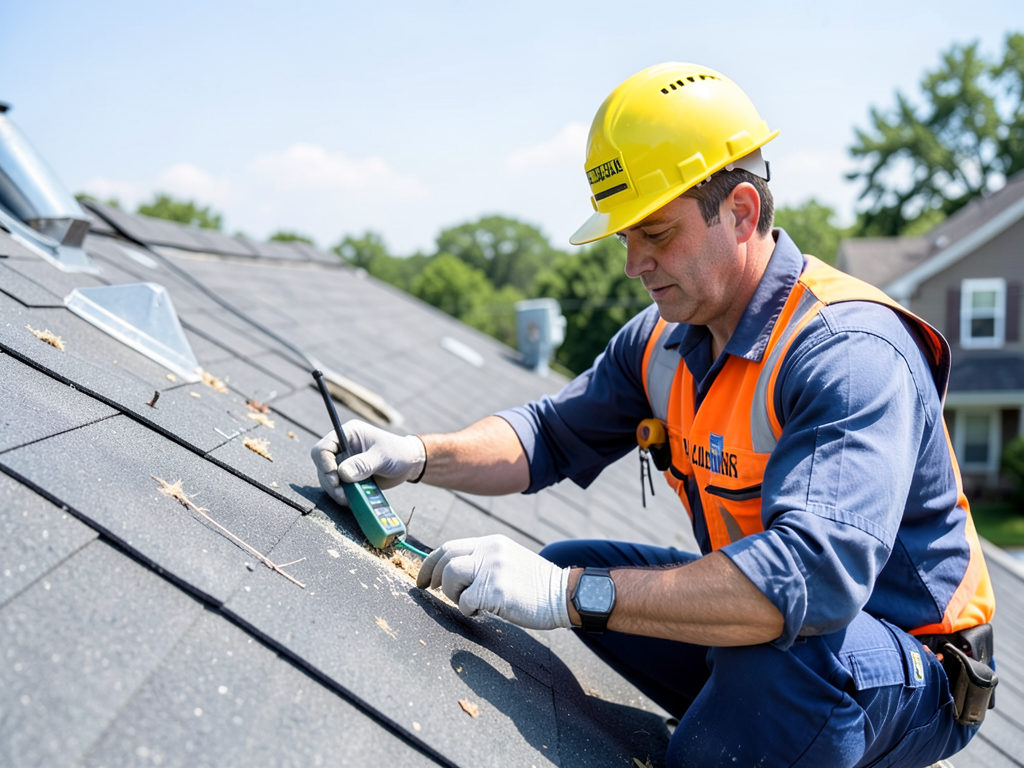
The professional repair process starts with careful shingle removal. Roofers use specialized tools to lift the affected shingle without cracking or breaking it. This is crucial because replacing a single shingle often requires removing several surrounding shingles to maintain the roof’s watertight seal. In Park Duvall’s older neighborhoods, matching existing shingle colors and styles can be challenging, making preservation of original materials important.
Once the shingle is lifted, the roofer examines the nail that caused the pop. If the nail is still intact, they may try to reset it into a new location where the wood is solid. However, if the nail hole is enlarged or the surrounding wood is damaged, they’ll typically replace the nail with a longer, ring-shank nail that provides better holding power. Ring-shank nails have ridges that grip the wood more effectively than smooth nails.
Sealing the repair is critical for preventing future water infiltration. Professional roofers use roofing cement specifically designed for this purpose, applying it around the nail head and under the shingle edges. This creates a watertight seal that prevents moisture from entering through the repair site. The cement must be applied in specific weather conditions – too cold and it won’t adhere properly, too hot and it can become too runny.
The final step involves carefully repositioning the shingle and ensuring it lies flat against the roof surface. This requires adjusting the surrounding shingles to maintain proper overlap and water-shedding capability. Professional roofers know exactly how to manipulate the shingle tabs to achieve a seamless repair that’s virtually invisible from ground level.
DIY repairs carry significant risks. Without proper tools and experience, homeowners often crack shingles during removal, use incorrect sealants that fail prematurely, or fail to address underlying ventilation issues that caused the nail pop in the first place. A poorly executed DIY repair can actually cause more damage than the original nail pop.
Louisville Weather and Your Roof
Park Duvall’s location in the Ohio Valley exposes roofs to unique weather challenges that accelerate nail pop formation. The region’s high humidity levels, averaging 70-80% during summer months, causes roof decking to absorb moisture and expand more than in drier climates. This constant moisture cycling puts additional stress on nails and fasteners.
Temperature extremes in Louisville create dramatic expansion and contraction cycles. Summer temperatures regularly exceed 90°F, while winter lows can drop below freezing. This 100-degree temperature swing causes roof decking to expand and contract significantly, working nails loose over time. Park Duvall homes, many of which were built in the mid-20th century, often have older decking materials that are more susceptible to these effects.
Freeze-thaw cycles present particular challenges for Park Duvall roofs. When water enters nail holes or small cracks around nail pops, it expands when frozen. This expansion can widen existing openings and create new ones. The repeated freezing and thawing that occurs throughout Louisville’s winter months accelerates the deterioration of nail pop areas.
Spring storm season brings high winds that can catch on lifted shingles around nail pops. Once a shingle is partially lifted, wind can get underneath it and cause further damage. Park Duvall’s older tree canopy, while beautiful, also contributes to debris accumulation that can trap moisture against roof surfaces and accelerate deterioration around nail pop areas.
Fall leaf drop creates additional moisture retention issues. When leaves accumulate in roof valleys or around nail pop areas, they trap moisture against the roof surface. This prolonged moisture exposure can cause wood rot around nail holes and accelerate the nail pop formation process. Regular gutter cleaning and roof maintenance become especially important during this season.
Prevention Strategies for Park Duvall Homeowners
Preventing nail pops starts with proper installation techniques. When replacing your roof, ensure your contractor uses the correct nail length and type for your specific decking material. Building codes in Jefferson County require ring-shank nails for asphalt shingle installation, providing better holding power than smooth nails. The International Residential Code (IRC) Section R905.2.5 specifies nail requirements that all Louisville contractors must follow. Reliable residential roofing specialists serving Jeffersonville and Clarksville.
Attic ventilation plays a crucial role in preventing nail pops. Proper ventilation keeps your attic temperature closer to the outside air temperature, reducing the expansion and contraction of your roof deck. Ridge vents, soffit vents, and gable vents work together to create airflow that removes excess heat and moisture. Many Park Duvall homes would benefit from ventilation upgrades to meet current building standards.
Regular roof inspections can catch nail pops before they cause serious damage. Professional roofers recommend bi-annual inspections, typically in spring and fall, to identify and address minor issues before they become major problems. During these inspections, technicians check for loose nails, damaged shingles, and ventilation issues that could lead to future nail pops.
Moisture management around your home helps prevent deck expansion issues. Ensure your gutters are clean and properly draining away from your foundation. Poor drainage can lead to high soil moisture levels that increase humidity around your home’s foundation, which can affect your attic moisture levels. Park Duvall’s older homes often benefit from updated gutter systems that handle Louisville’s heavy rainfall more effectively.
Quality underlayment installation provides an additional moisture barrier that can help prevent deck expansion issues. Modern synthetic underlayments offer better moisture resistance than traditional felt paper. When installing a new roof, consider upgrading to a higher-quality underlayment that provides better protection against Louisville’s humidity and temperature extremes.
Cost Considerations for Nail Pop Repairs
The cost of repairing nail pops varies significantly based on the extent of the damage and the repair method chosen. Simple nail pop repairs typically range from $150 to $300 per affected area when handled by professionals. This includes shingle removal, nail replacement, sealing, and proper reinstallation. However, multiple nail pops or those that have caused secondary damage will increase repair costs.
DIY repairs might seem cost-effective at $20 to $50 for materials, but the risk of causing additional damage often makes professional repairs more economical in the long run. Cracked shingles, improper sealing, or missed underlying issues can lead to water damage that costs thousands to repair. Professional roofers also provide warranties on their work, giving you protection against future problems.
Preventive measures during roof replacement can add to upfront costs but save money over time. Upgrading to ring-shank nails, installing better ventilation systems, or using higher-quality underlayment might increase your roof replacement cost by 10-15%, but these improvements can prevent nail pops and extend your roof’s lifespan by 5-10 years.
Insurance coverage for nail pop repairs varies by policy. Most standard homeowners’ insurance policies consider nail pops a maintenance issue rather than storm damage, meaning they’re typically not covered. However, if nail pops lead to leaks that cause interior damage, that secondary damage might be covered. Check your specific policy or consult with your insurance agent about coverage details.
Timing your repairs can affect costs. Emergency repairs during storm season often cost more due to increased demand. Scheduling repairs during slower periods, typically late fall or winter, might result in better pricing. However, don’t delay necessary repairs – the cost of water damage far exceeds any seasonal pricing differences.
Frequently Asked Questions
How can I tell if I have nail pops on my roof?
Look for small bumps or raised areas on your roof surface, especially during different times of day when sunlight creates shadows. You might also notice cracked or lifted shingles. From inside your attic, you might see nail heads protruding through the decking. Professional roof inspections can identify nail pops that aren’t visible from ground level.
Are nail pops covered by homeowners insurance?
Most standard homeowners’ insurance policies consider nail pops a maintenance issue rather than storm damage, so they’re typically not covered. However, if nail pops cause leaks that result in interior damage, that secondary damage might be covered. Always check with your insurance provider about specific coverage details.
How long do nail pop repairs last?
Properly executed nail pop repairs can last the remaining life of your roof, typically 15-25 years depending on shingle quality and local weather conditions. The key is addressing the underlying causes – if you only reset the nail without fixing ventilation or moisture issues, the problem may recur.
Can I repair nail pops myself?
While DIY repair is possible, it carries significant risks. Without proper tools and experience, you might crack shingles, use incorrect sealants, or miss underlying issues. Professional repairs include warranties and ensure the work meets building code requirements. For most homeowners, professional repair is the safer and more cost-effective option.
How many nail pops are too many?
If you notice more than 5-10 nail pops on your roof, or if they’re concentrated in specific areas, this might indicate larger issues like poor ventilation or deck deterioration. Multiple nail pops often suggest it’s time for a professional inspection to determine if a full roof replacement is needed. Why we are the highest rated roofing team in the Louisville metro area.
Take Action Before Minor Issues Become Major Problems
Nail pops might seem like small issues, but they’re often early warning signs of bigger roofing problems. In Park Duvall’s climate, where humidity and temperature swings create perfect conditions for roof deterioration, addressing nail pops quickly can prevent thousands in water damage repairs. Don’t wait until you see ceiling stains or experience attic mold – these are signs the damage has already progressed significantly.
Professional roof inspections can identify nail pops and their underlying causes before they lead to serious damage. Our experienced technicians know exactly what to look for in Park Duvall homes and can recommend the most cost-effective solutions for your specific situation. Whether you need simple repairs or are considering a full roof replacement, we provide honest assessments and quality workmanship that protects your home for years to come.
Don’t let nail pops compromise your home’s protection. Call (502) 678-7557 today to schedule your professional roof inspection. Our team serves Park Duvall and all of Louisville’s surrounding neighborhoods with the expertise and local knowledge that comes from 15+ years serving this community. Pick up the phone and call (502) 678-7557 before the next storm hits – your home deserves the best protection available. For more information, visit FEMA ice dam prevention guide.
{
“@context”: “https://schema.org”,
“@type”: “BlogPosting”,
“headline”: “Understanding nail pops and why shingles lift up on homes in Park Duvall”,
“description”: “Learn why nail pops happen on Park Duvall roofs and how Louisville humidity and thermal expansion cause shingles to lift. Expert diagnosis and repair.”,
“wordCount”: 2829,
“datePublished”: “2026-04-09T09:53:00.000Z”,
“dateModified”: “2026-04-09T09:53:00.000Z”,
“inLanguage”: “en-US”,
“mainEntityOfPage”: {
“@type”: “WebPage”,
“@id”: “https://fortressroofinglouisville.com”
},
“publisher”: {
“@type”: “LocalBusiness”,
“name”: “Fortress Roofing Louisville”,
“url”: “https://fortressroofinglouisville.com”
},
“author”: {
“@type”: “Organization”,
“name”: “Fortress Roofing Louisville”,
“url”: “https://fortressroofinglouisville.com”
},
“image”: {
“@type”: “ImageObject”,
“url”: “https://fortressroofinglouisville.com/wp-content/uploads/2026/03/understanding-nail-pops-and-why-shingles-lift-up-o-1.png”
}
}
{
“@context”: “https://schema.org”,
“@type”: “RoofingContractor”,
“name”: “Fortress Roofing Louisville”,
“url”: “https://fortressroofinglouisville.com”,
“address”: {
“@type”: “PostalAddress”,
“addressLocality”: “Louisville”
},
“areaServed”: {
“@type”: “City”,
“name”: “Louisville”
}
}
{
“@context”: “https://schema.org”,
“@type”: “FAQPage”,
“mainEntity”: [
{
“@type”: “Question”,
“name”: “What Do Roof Nail Pops Look Like?”,
“acceptedAnswer”: {
“@type”: “Answer”,
“text”: “From ground level, nail pops appear as small bumps or raised areas on your roof surface. You might notice a shingle that looks slightly lifted or has a visible bump where the nail has pushed through. In some cases, you can actually see the nail head itself protruding through the shingle surface. During different times of day, these bumps may be more or less noticeable depending on how the sunlight hits your roof.”
}
},
{
“@type”: “Question”,
“name”: “How can I tell if I have nail pops on my roof?”,
“acceptedAnswer”: {
“@type”: “Answer”,
“text”: “Look for small bumps or raised areas on your roof surface, especially during different times of day when sunlight creates shadows. You might also notice cracked or lifted shingles. From inside your attic, you might see nail heads protruding through the decking. Professional roof inspections can identify nail pops that aren’t visible from ground level.”
}
},
{
“@type”: “Question”,
“name”: “Are nail pops covered by homeowners insurance?”,
“acceptedAnswer”: {
“@type”: “Answer”,
“text”: “Most standard homeowners’ insurance policies consider nail pops a maintenance issue rather than storm damage, so they’re typically not covered. However, if nail pops cause leaks that result in interior damage, that secondary damage might be covered. Always check with your insurance provider about specific coverage details.”
}
},
{
“@type”: “Question”,
“name”: “How long do nail pop repairs last?”,
“acceptedAnswer”: {
“@type”: “Answer”,
“text”: “Properly executed nail pop repairs can last the remaining life of your roof, typically 15-25 years depending on shingle quality and local weather conditions. The key is addressing the underlying causes – if you only reset the nail without fixing ventilation or moisture issues, the problem may recur.”
}
},
{
“@type”: “Question”,
“name”: “Can I repair nail pops myself?”,
“acceptedAnswer”: {
“@type”: “Answer”,
“text”: “While DIY repair is possible, it carries significant risks. Without proper tools and experience, you might crack shingles, use incorrect sealants, or miss underlying issues. Professional repairs include warranties and ensure the work meets building code requirements. For most homeowners, professional repair is the safer and more cost-effective option.”
}
},
{
“@type”: “Question”,
“name”: “How many nail pops are too many?”,
“acceptedAnswer”: {
“@type”: “Answer”,
“text”: “If you notice more than 5-10 nail pops on your roof, or if they’re concentrated in specific areas, this might indicate larger issues like poor ventilation or deck deterioration. Multiple nail pops often suggest it’s time for a professional inspection to determine if a full roof replacement is needed. Why we are the highest rated roofing team in the Louisville metro area.”
}
}
]
}
{
“@context”: “https://schema.org”,
“@type”: “BreadcrumbList”,
“itemListElement”: [
{
“@type”: “ListItem”,
“position”: 1,
“name”: “Home”,
“item”: “https://fortressroofinglouisville.com”
},
{
“@type”: “ListItem”,
“position”: 2,
“name”: “Blog”,
“item”: “https://fortressroofinglouisville.com/blog”
},
{
“@type”: “ListItem”,
“position”: 3,
“name”: “Understanding nail pops and why shingles lift up on homes in Park Duvall”
}
]
}
{
“@context”: “https://schema.org”,
“@type”: “Service”,
“serviceType”: “Roofing”,
“provider”: {
“@type”: “LocalBusiness”,
“name”: “Fortress Roofing Louisville”,
“url”: “https://fortressroofinglouisville.com”
},
“areaServed”: {
“@type”: “City”,
“name”: “Louisville”
},
“description”: “Learn why nail pops happen on Park Duvall roofs and how Louisville humidity and thermal expansion cause shingles to lift. Expert diagnosis and repair.”
}