
The danger of overhanging tree branches for your roof in Rock Creek Lexingon Road
Tree branches hanging over your roof in Rock Creek can cause serious damage during Kentucky storms. Heavy limbs break off during high winds sending debris crashing through shingles. Leaves and twigs clog gutters causing water backup that rots roof decking. Moss and algae thrive in the shade creating slippery surfaces that trap moisture against your roof. Call (502) 678-7557 today to schedule your inspection before the next storm hits.
Common tree damage patterns in Rock Creek
Rock Creek sits in a heavily wooded section of eastern Louisville where mature oak and maple trees dominate the landscape. These trees create beautiful canopies but pose unique risks to nearby homes. During spring and summer storms Kentucky experiences wind gusts up to 60 mph that can snap branches as thick as your arm. When a branch falls it does not just dent your shingles. The impact can crack rafters split decking and create entry points for water.. Read more about How to Protect Your Landscape and Gardens During a Louisville Roof Replacement.
Ice storms hit Rock Creek particularly hard. When temperatures hover near freezing rain coats every branch in a thick glaze of ice. The added weight causes even healthy limbs to break. A single falling branch can punch through multiple layers of roofing material. You might not see the damage from the ground but water will find that opening during the next rainfall. The most trusted roofing services in Germantown and Schnitzelburg.
Leaves and twigs that accumulate in gutters create another problem. Rock Creek homes often sit on slightly elevated terrain where water runoff concentrates. When gutters clog the water has nowhere to go except under your shingles. This constant moisture exposure leads to wood rot mold growth and eventually structural failure.
The 10-foot rule for tree clearance
Arborists recommend keeping all tree branches at least 10 feet away from your roofline. This distance provides a safety buffer during storms. It also allows sunlight to reach your shingles reducing moss and algae growth. In Rock Creek where homes sit close to mature trees this clearance can be challenging to maintain.
Professional tree trimming involves more than just cutting back branches. An arborist evaluates the tree’s overall health looking for signs of disease or decay that make limbs more likely to fail. They also consider the tree’s growth pattern. Some species like silver maple grow rapidly and need more frequent trimming than slower growing oaks.
Trimming too aggressively can harm the tree and create new hazards. Removing too much foliage reduces the tree’s ability to photosynthesize causing stress. This stress makes the tree more susceptible to disease and can lead to sudden limb failure. A certified arborist knows how to balance tree health with roof protection.
Identifying hazard trees before they fail
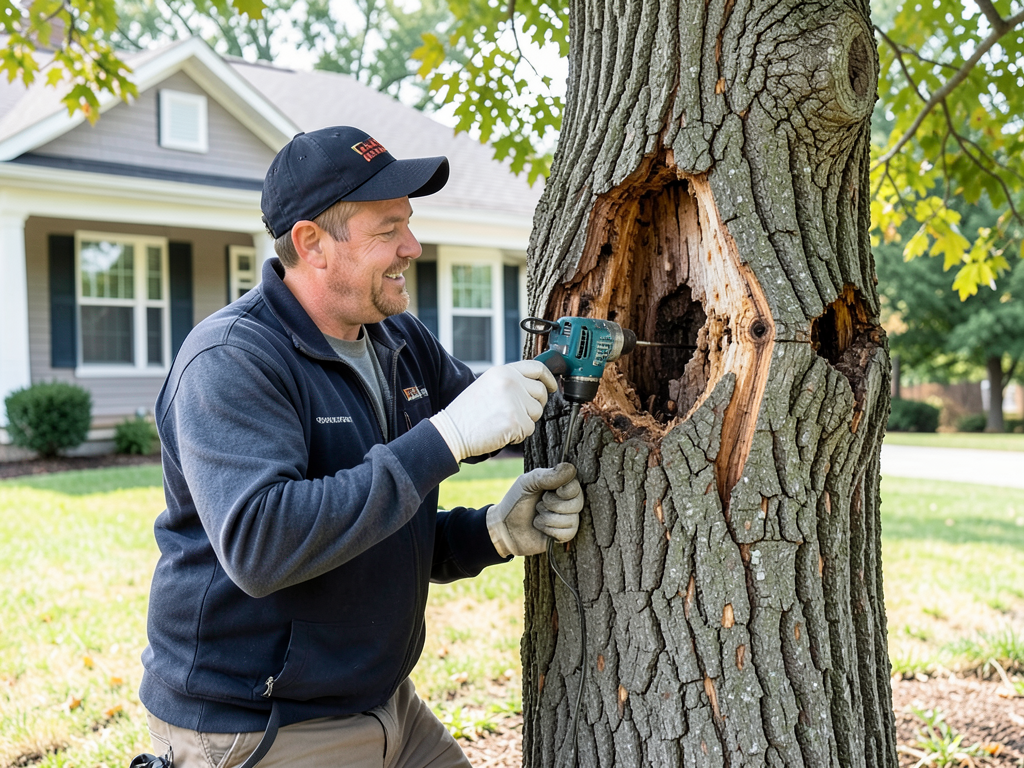
Not all tree threats come from branches hanging directly over your house. Trees with structural defects pose risks even when they stand twenty feet away. Look for these warning signs around your Rock Creek property:
- Cracks or splits in the trunk that run deep into the wood
- Hollow areas or decay visible on the trunk or major limbs
- Leaning trees where the lean has increased over the past year
- Dead branches in the crown that have no leaves during growing season
- Fungal growth like mushrooms growing from the base or trunk
These defects weaken the tree’s structure making it more likely to fail during storms. The Kentucky Division of Forestry provides guidelines for evaluating tree risk but hazardous trees often require professional assessment. A certified arborist can determine if a tree poses an immediate threat and recommend appropriate action.
Impact of Kentucky weather on tree-related roof damage
Rock Creek experiences weather patterns that increase tree damage risk. Spring brings severe thunderstorms with straight-line winds that can exceed 70 mph in localized areas. These winds do not just break branches. They can uproot entire trees especially when soil is saturated from spring rains. Why we are the highest rated roofing team in the Louisville metro area.
Summer drought stress weakens trees making them more susceptible to disease and insect infestation. A stressed tree cannot defend itself against borers or fungal infections. These problems create weak points in the wood that fail during the first strong wind.
Fall brings another risk as leaves accumulate on roofs and in gutters. Wet leaves form a dense mat that holds moisture against your shingles. This moisture promotes algae growth and can cause asphalt shingles to deteriorate faster than normal.
Winter ice storms create the most dramatic damage. Rock Creek sits at an elevation where freezing rain occurs several times each winter. The ice accumulation can add hundreds of pounds to a single branch. When temperatures rise slightly the ice begins to melt and shift causing branches to break even without wind.
Insurance considerations for tree damage in Louisville
Kentucky homeowners insurance typically covers damage from falling trees if the tree fell due to a covered peril like wind or ice. However coverage gets complicated when the tree was dead or diseased before it fell. Insurance companies may deny claims if they determine the homeowner failed to maintain the tree properly.
The “neighbor’s tree” scenario creates additional complications. If your neighbor’s tree falls on your house Kentucky law generally places responsibility on the property owner where the damage occurs. However if you knew the tree was dead and failed to notify your neighbor you might share liability.
Documentation becomes crucial for insurance claims. Take photos of the tree before and after storms. Keep records of any conversations with neighbors about hazardous trees. Save receipts for professional tree assessments or trimming work. These documents help establish that you took reasonable steps to prevent damage.
Professional assessment and prevention strategies
A professional roof inspection after a major storm can identify damage you cannot see from the ground. Small branch impacts create bruising in shingles that weakens them over time. Water infiltration through these damaged areas leads to rot in the roof decking beneath.
Roofers use moisture meters to detect water intrusion in areas that look intact. They check for lifted shingles cracked flashing and damaged ridge caps. These inspections become especially important in Rock Creek where many homes have complex rooflines that create vulnerable areas where water can pool.
Prevention starts with regular maintenance. Clean gutters at least twice per year removing all leaves and debris. Check your roof from the ground monthly looking for sagging areas or visible damage. Trim back any branches that come within 10 feet of your roof even if they seem healthy.
Consider installing gutter guards to prevent debris buildup. These screens allow water to flow through while blocking leaves and twigs. They reduce maintenance needs and prevent the water backup that causes roof damage.
Local building codes and tree management
Jefferson County does not have specific ordinances about tree trimming near structures but the Kentucky Building Code requires roofs to be maintained in safe condition. This requirement includes protecting your roof from preventable damage. Homeowners must balance tree preservation with property protection. Protecting your Lake Louisvilla home from high winds and waterfront humidity.
Some Rock Creek neighborhoods have homeowners association rules about tree trimming and removal. These rules often require permits before removing mature trees even if they threaten structures. Check your HOA guidelines before taking action on large trees.
The Louisville Metro Urban Forestry Division manages public trees but does not regulate private tree maintenance. Property owners bear responsibility for trees on their land. This includes trees that might damage neighboring properties.
Emergency response to tree damage
When a tree branch hits your roof during a storm your first priority is safety. Do not climb on the roof to inspect damage. Water and electricity create lethal hazards especially when tree limbs damage power lines.
Cover damaged areas with tarps to prevent water intrusion. Use thick plastic sheeting and secure it with boards rather than nails that could create more holes in your roof. This temporary protection buys time until professional repairs can be made. EPA tree maintenance guidelines.
Document all damage with photos before making any repairs. These images support insurance claims and help contractors provide accurate repair estimates. Include wide shots showing the tree’s location relative to your house and closeups of specific damage. Commercial flat roof repair and maintenance for business owners in NuLu.
Call (502) 678-7557 for emergency tarping and inspection services. Quick response prevents additional damage from rain that often follows severe storms. Professional tarping ensures complete coverage and proper securing against wind.
Long-term solutions for tree and roof coexistence
Living in Rock Creek means accepting that trees and houses share the same space. The goal is not to eliminate trees but to manage them safely. Plant new trees with mature size in mind keeping them far enough from structures to avoid future conflicts.. Read more about Dealing with Bats and Pests Living Under the Roof Tiles of Your Glenview Manor.
Choose tree species that work well near houses. Dogwoods redbuds and Japanese maples stay small and create less risk than large shade trees. If you want larger trees plant them at least 30 feet from any structure.
Install impact-resistant shingles if you live under large trees. These shingles cost more initially but withstand branch impacts better than standard shingles. They also resist wind uplift during storms reducing the risk of entire sections peeling off.
Consider roof design when building or replacing a roof. Complex rooflines with many valleys and hips create more opportunities for debris accumulation and water infiltration. Simple roof designs with proper overhangs shed debris more effectively.
Cost factors for tree-related roof maintenance
Professional tree trimming costs vary based on tree size location and access. A simple trim of branches near your roof might cost $300 to $500. Complex trimming involving large trees near power lines or structures can cost $1,000 or more.
Roof inspections after storms typically cost $150 to $300. This inspection can identify damage that saves thousands in future repairs. The cost seems small compared to roof replacement that can exceed $15,000 for an average home.
Gutter cleaning services charge $100 to $250 depending on house height and gutter length. Annual cleaning prevents the water damage that leads to expensive roof repairs. Gutter guards add $10 to $15 per linear foot but eliminate most cleaning needs.
Emergency tarping services after storm damage cost $300 to $500 for initial response. This service prevents thousands in water damage that occurs when roofs remain uncovered during rainy weather.
Seasonal maintenance calendar for Rock Creek homeowners
Create a maintenance schedule that matches Rock Creek’s seasonal weather patterns. Early spring before leaves emerge provides the best time to inspect trees for winter damage. Look for cracked branches that snow and ice loads may have weakened.
Late spring after trees leaf out check for branches that have grown into dangerous proximity to your roof. This timing allows you to address issues before summer storm season begins.
Fall leaf removal prevents the moisture problems that winter ice creates. Remove leaves from roofs and gutters before the first freeze. This prevents the ice dams that form when frozen leaves block water flow.
Winter inspections after ice storms identify damage that might not be visible from the ground. Look for sagging areas on your roof that might indicate structural damage from heavy snow or ice loads.
Technology and tools for tree risk assessment
Modern arborists use resistograph drills to measure internal wood density. This tool detects decay that cannot be seen from the outside. A reading showing soft wood in a major limb indicates high failure risk even if the exterior looks healthy.
Ground penetrating radar can map root systems showing decay or damage below soil level. Compromised roots make trees unstable and more likely to fall during storms. This technology proves especially valuable for large trees near structures.
Drone inspections allow roofers to examine steep or complex roof areas without climbing. High resolution cameras reveal damage in valleys and around chimneys that ground level inspection misses. This technology improves safety and provides better documentation for insurance claims.
Moisture meters help roofers find water intrusion points that do not show visible staining. These devices detect elevated moisture levels in roof decking indicating active leaks or areas prone to future failure.
Environmental benefits of proper tree management
Well maintained trees provide benefits that outweigh the risks when managed properly. They reduce cooling costs by shading roofs and walls during summer. A healthy tree canopy can lower surface temperatures by 10 to 20 degrees compared to exposed areas.
Trees improve air quality by absorbing pollutants and producing oxygen. A mature tree removes up to 48 pounds of carbon dioxide annually while releasing enough oxygen to support two people.
Root systems prevent soil erosion and manage stormwater runoff. This natural water management reduces the burden on municipal drainage systems during heavy rains. Trees also filter pollutants from runoff before it reaches streams and rivers.
The shade trees provide extends roof life by reducing UV exposure that breaks down roofing materials. Shingles on shaded roofs often last 5 to 7 years longer than those on exposed roofs. This longevity offsets some of the maintenance costs associated with trees. Roofing Owensboro.
Community resources for Rock Creek homeowners
The Jefferson County Cooperative Extension Service offers free publications about tree selection and care. Their office at the Fairgrounds provides advice specific to Louisville’s climate and soil conditions. They can recommend tree species that thrive in Rock Creek’s slightly elevated terrain.
Local arborists often provide free initial assessments for homeowners concerned about tree risks. These assessments identify immediate hazards and recommend maintenance schedules. Many companies offer discounts for neighbors who schedule work together since they can share equipment and labor costs.
The Louisville Tree Advisory Board maintains a list of certified arborists who follow industry standards for tree care. Using certified professionals ensures work meets safety standards and follows best practices for tree health.
Neighborhood associations in Rock Creek sometimes organize group purchasing for tree services. These arrangements can reduce costs by 15 to 25 percent compared to individual homeowners hiring contractors separately.
Future trends in tree and roof protection
Building materials continue to improve with new impact resistant shingles that withstand branch impacts better than traditional materials. These Class 4 shingles carry a higher initial cost but can reduce insurance premiums in areas prone to hail and falling debris.
Smart home technology now includes roof sensors that detect moisture intrusion and temperature changes. These systems alert homeowners to problems before visible damage occurs. Some systems integrate with weather forecasts to provide storm preparation recommendations.
Tree growth regulators offer alternatives to frequent trimming for fast growing species. These chemicals slow vertical growth while maintaining tree health. They reduce trimming frequency from annual to every 3 to 5 years for some species.
Green roof technology provides options for homes with severe tree overhang problems. These living roofs use plants that tolerate shade and moisture creating a protective layer that resists damage from falling debris. The vegetation also absorbs rainfall reducing runoff problems.
Making the right decisions for your property
Every Rock Creek homeowner must balance tree benefits against roof protection needs. Consider your specific situation when making decisions about tree management. Large mature trees provide the most benefits but also create the highest risks.
Young homeowners might accept more risk for the environmental benefits trees provide. Older homeowners or those planning to sell soon might prioritize roof protection to avoid expensive repairs.
Consider your roof’s age and condition when evaluating tree risks. A new roof with impact resistant shingles can better withstand branch impacts than an older roof nearing replacement age. The cost benefit analysis changes based on your roof’s remaining useful life.
Budget constraints affect decision making. Regular professional trimming costs money but prevents expensive emergency repairs. Many homeowners find that proactive maintenance costs less over time than reactive repairs after damage occurs.
Taking action to protect your investment
Start with a professional assessment of your trees and roof. A certified arborist can identify hazardous trees while a roofing contractor evaluates your roof’s condition and vulnerability. This combined assessment provides the information needed to make informed decisions.
Develop a maintenance plan that addresses both immediate hazards and long-term tree health. Schedule regular trimming to maintain safe clearances. Clean gutters seasonally to prevent water backup. Inspect your roof after major storms to catch damage early.
Build relationships with local professionals who understand Rock Creek’s specific challenges. Local contractors know the tree species common to the area and the weather patterns that cause the most damage. Their experience helps you avoid costly mistakes.
Remember that tree management is an ongoing process not a one time fix. Trees grow continuously and weather patterns change. Your maintenance plan must evolve to address new challenges as they arise.
Call (502) 678-7557 today to schedule your inspection before the next storm hits. Professional assessment now prevents expensive emergency repairs later. Your roof protects your home and everything inside it. Give it the attention it deserves.
Frequently Asked Questions
How close can tree branches be to my roof safely?
Arborists recommend keeping all branches at least 10 feet from your roofline. This distance provides adequate protection from falling branches during storms and allows sunlight to reach your shingles reducing moss growth.
Will my insurance cover damage from a neighbor’s tree?
Kentucky law generally places responsibility on the property owner where damage occurs. However if you knew the tree was dead and failed to notify your neighbor you might share liability. Documentation of any concerns you raised becomes crucial for claims.
How often should I have my trees professionally trimmed?
Most trees benefit from professional trimming every 2 to 3 years. Fast growing species like silver maple may need annual attention while slower growing oaks can go longer between trimmings. Schedule an inspection after severe storms to identify any immediate hazards.
What are signs my tree might be dangerous to my house?
Look for cracks in the trunk leaning that has increased over time dead branches in the crown fungal growth at the base and hollow areas in major limbs. These signs indicate structural weakness that could lead to failure during storms.
Can I trim branches hanging over from my neighbor’s property?
You have the right to trim branches that extend onto your property up to the property line. However you cannot enter your neighbor’s property to trim without permission and you must avoid harming the overall health of the tree. Document the tree’s condition before trimming in case disputes arise.
How much does professional tree trimming near a house cost?
Simple trimming of branches near your roof typically costs $300 to $500. Complex jobs involving large trees near structures or power lines can cost $1,000 or more. The price depends on tree size access requirements and local labor rates in Louisville. For more information, visit FEMA roof damage assessment guide.
{
“@context”: “https://schema.org”,
“@type”: “BlogPosting”,
“headline”: “The danger of overhanging tree branches for your roof in Rock Creek Lexingon Road”,
“description”: “Learn how overhanging trees threaten your Rock Creek roof. Get expert tips on tree damage prevention, storm readiness, and local arborist recommendations for Louisville homeowners.”,
“wordCount”: 3133,
“datePublished”: “2026-04-11T12:05:00.000Z”,
“dateModified”: “2026-04-11T12:05:00.000Z”,
“inLanguage”: “en-US”,
“mainEntityOfPage”: {
“@type”: “WebPage”,
“@id”: “https://fortressroofinglouisville.com”
},
“publisher”: {
“@type”: “LocalBusiness”,
“name”: “Fortress Roofing Louisville”,
“url”: “https://fortressroofinglouisville.com”
},
“author”: {
“@type”: “Organization”,
“name”: “Fortress Roofing Louisville”,
“url”: “https://fortressroofinglouisville.com”
},
“image”: {
“@type”: “ImageObject”,
“url”: “https://fortressroofinglouisville.com/wp-content/uploads/2026/03/the-danger-of-overhanging-tree-branches-for-your-r-1.png”
}
}
{
“@context”: “https://schema.org”,
“@type”: “RoofingContractor”,
“name”: “Fortress Roofing Louisville”,
“url”: “https://fortressroofinglouisville.com”,
“address”: {
“@type”: “PostalAddress”,
“addressLocality”: “Louisville”
},
“areaServed”: {
“@type”: “City”,
“name”: “Louisville”
}
}
{
“@context”: “https://schema.org”,
“@type”: “FAQPage”,
“mainEntity”: [
{
“@type”: “Question”,
“name”: “How close can tree branches be to my roof safely?”,
“acceptedAnswer”: {
“@type”: “Answer”,
“text”: “Arborists recommend keeping all branches at least 10 feet from your roofline. This distance provides adequate protection from falling branches during storms and allows sunlight to reach your shingles reducing moss growth.”
}
},
{
“@type”: “Question”,
“name”: “Will my insurance cover damage from a neighbor’s tree?”,
“acceptedAnswer”: {
“@type”: “Answer”,
“text”: “Kentucky law generally places responsibility on the property owner where damage occurs. However if you knew the tree was dead and failed to notify your neighbor you might share liability. Documentation of any concerns you raised becomes crucial for claims.”
}
},
{
“@type”: “Question”,
“name”: “How often should I have my trees professionally trimmed?”,
“acceptedAnswer”: {
“@type”: “Answer”,
“text”: “Most trees benefit from professional trimming every 2 to 3 years. Fast growing species like silver maple may need annual attention while slower growing oaks can go longer between trimmings. Schedule an inspection after severe storms to identify any immediate hazards.”
}
},
{
“@type”: “Question”,
“name”: “What are signs my tree might be dangerous to my house?”,
“acceptedAnswer”: {
“@type”: “Answer”,
“text”: “Look for cracks in the trunk leaning that has increased over time dead branches in the crown fungal growth at the base and hollow areas in major limbs. These signs indicate structural weakness that could lead to failure during storms.”
}
},
{
“@type”: “Question”,
“name”: “Can I trim branches hanging over from my neighbor’s property?”,
“acceptedAnswer”: {
“@type”: “Answer”,
“text”: “You have the right to trim branches that extend onto your property up to the property line. However you cannot enter your neighbor’s property to trim without permission and you must avoid harming the overall health of the tree. Document the tree’s condition before trimming in case disputes arise.”
}
},
{
“@type”: “Question”,
“name”: “How much does professional tree trimming near a house cost?”,
“acceptedAnswer”: {
“@type”: “Answer”,
“text”: “Simple trimming of branches near your roof typically costs $300 to $500. Complex jobs involving large trees near structures or power lines can cost $1,000 or more. The price depends on tree size access requirements and local labor rates in Louisville. For more information, visit FEMA roof damage assessment guide.”
}
}
]
}
{
“@context”: “https://schema.org”,
“@type”: “BreadcrumbList”,
“itemListElement”: [
{
“@type”: “ListItem”,
“position”: 1,
“name”: “Home”,
“item”: “https://fortressroofinglouisville.com”
},
{
“@type”: “ListItem”,
“position”: 2,
“name”: “Blog”,
“item”: “https://fortressroofinglouisville.com/blog”
},
{
“@type”: “ListItem”,
“position”: 3,
“name”: “The danger of overhanging tree branches for your roof in Rock Creek Lexingon Road”
}
]
}
{
“@context”: “https://schema.org”,
“@type”: “Service”,
“serviceType”: “Roofing”,
“provider”: {
“@type”: “LocalBusiness”,
“name”: “Fortress Roofing Louisville”,
“url”: “https://fortressroofinglouisville.com”
},
“areaServed”: {
“@type”: “City”,
“name”: “Louisville”
},
“description”: “Learn how overhanging trees threaten your Rock Creek roof. Get expert tips on tree damage prevention, storm readiness, and local arborist recommendations for Louisville homeowners.”
}