
Replacing your roof in Louisville means heavy equipment, falling debris, and foot traffic across your yard. If you have invested time and money into your landscaping, the thought of damage can be stressful. This guide explains how to protect your plants, trees, and garden beds before, during, and after the roofing project. Louisville Metro Building Code.
Roof replacement crews use tools like shingle tear-off forks, nail guns, and heavy tarps. Without proper protection, delicate plants can be crushed, irrigation lines broken, and soil compacted. Understanding the process and taking proactive steps can save your landscape and keep your property looking its best.
Understanding the Risks to Your Louisville Landscape
During a roof replacement, several hazards threaten your yard. Falling shingles and underlayment can weigh up to 300 pounds per bundle and land with significant force. Nails and staples scatter across the ground, creating puncture risks for both plants and people. Heavy equipment like ladders and scaffolding can compress soil and damage shallow roots.
Louisville’s clay-heavy soil becomes especially vulnerable when wet. Foot traffic and equipment can create deep ruts that alter drainage patterns. Plants near the roof edge, such as boxwoods and hydrangeas common in St. Matthews and The Highlands, face direct impact from debris.
According to the Kentucky Energy and Environment Cabinet, improper handling of construction debris can lead to soil contamination. Using proper containment systems not only protects your plants but also ensures compliance with local environmental standards. Kentucky Energy and Environment Cabinet.
Pre-Project Preparation Steps
Start protecting your landscape at least one week before the roofing crew arrives. This preparation phase prevents last-minute damage and gives contractors clear working zones. The most trusted roofing services in Germantown and Schnitzelburg.
1. Document Your Current Landscape
Take photos of your garden beds, trees, and any special features. This documentation helps if damage occurs and provides a baseline for cleanup expectations. Note the location of irrigation heads, lighting fixtures, and any outdoor art pieces.
2. Relocate Portable Items
Move patio furniture, grills, potted plants, and garden decorations at least 15 feet away from the house. Lightweight items can become projectiles in sudden wind gusts common during Louisville spring storms.
3. Mark Underground Utilities
Identify and mark sprinkler lines, low-voltage lighting cables, and invisible pet fences. Use brightly colored flags or spray paint to make these hazards visible to the roofing crew. Louisville Water Company recommends calling 811 before any construction to locate main water lines. Roofing Owensboro.
4. Trim Overhanging Branches
Cut back tree limbs that extend over the roof. This prevents branches from interfering with equipment and reduces the risk of damage to both the roof and the tree during the project. For mature trees common in Cherokee Park neighborhoods, consider hiring an arborist to ensure proper pruning techniques.
Advanced Protection Systems Used by Professional Roofers
Quality roofing contractors in Louisville use specialized equipment to shield your landscape. Understanding these systems helps you evaluate contractor proposals and set expectations. Roofing Elizabethtown.
The Catch-All Gutter Protection System
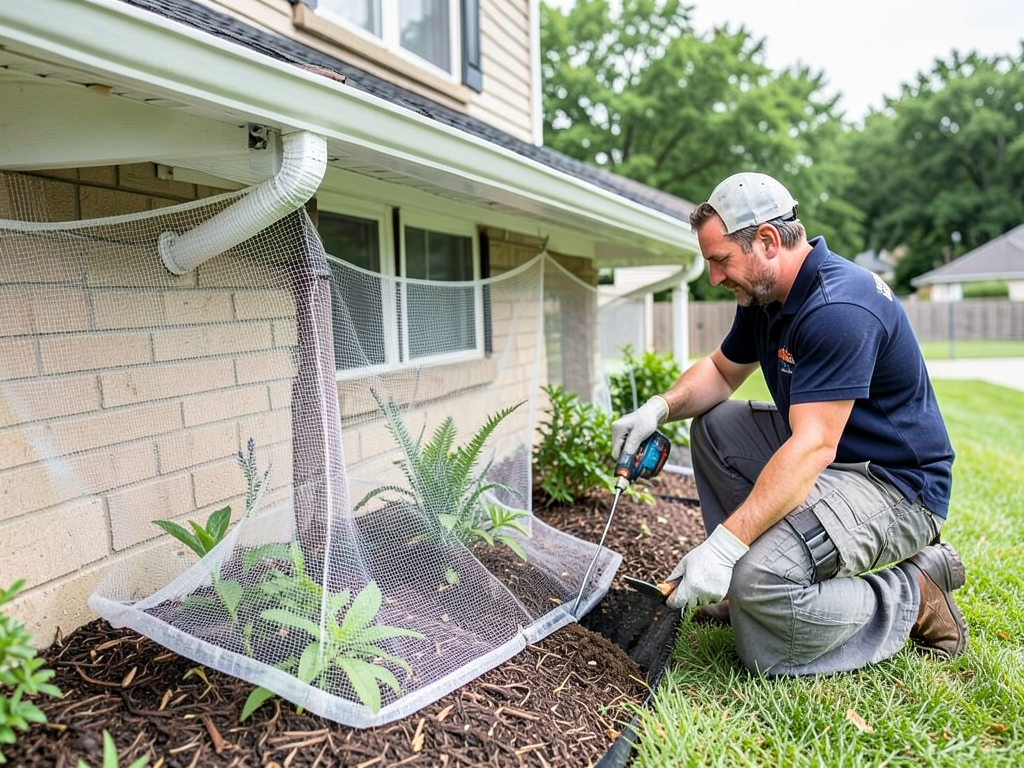
This system installs reinforced mesh over gutters and extends protective fabric several feet beyond the drip edge. It catches falling debris before it hits plants below. The mesh allows water to drain while containing nails, shingle pieces, and underlayment scraps.
Contractors in areas like Middletown and Jeffersontown often combine this with plywood lean-tos for ground-level protection. The lean-to creates an angled barrier that directs debris away from foundation plantings.
Breathable Mesh vs. Heavy-Duty Tarps
Not all protective coverings work the same way. Heavy-duty plastic tarps trap heat and moisture, potentially scorching plants on sunny days. Breathable mesh tarps allow air circulation while still blocking debris. For Kentucky’s humid summers, breathable materials prevent heat buildup that could kill delicate perennials.
Compare the two options in this table:
| Material Type | Airflow | Heat Retention | Best For |
|---|---|---|---|
| Breathable Mesh | High | Low | Delicate plants, summer projects |
| Heavy-Duty Tarp | None | High | Short-term protection, winter |
Plywood Sheeting for Siding and Windows
Contractors place 4×8-foot plywood sheets against siding to protect from ladder dings and falling tools. This also prevents accidental window breakage from dropped materials. The sheets should be leaned at an angle rather than laid flat to avoid creating trip hazards.
Protecting Specific Louisville Plant Types
Louisville’s climate supports diverse landscaping, from native Kentucky Bluegrass to ornamental Japanese Maples. Each plant type requires different protection strategies.
Foundation Plantings
Shrubs like boxwoods and azaleas planted within three feet of the house need the most protection. These plants often have shallow root systems that cannot tolerate soil compaction. Professional crews use plywood walkways over these areas to distribute weight and prevent crushing.
Perennial Garden Beds
Hostas, daylilies, and other perennials common in Louisville gardens should be covered with breathable mesh. For beds within five feet of the work zone, consider temporary fencing to prevent accidental trampling. The Kentucky Nursery and Landscape Association recommends marking these beds with bright flags so crews can easily identify them.
Trees and Large Shrubs
Young trees with trunks under six inches in diameter need trunk protection. Use tree guards or wrap trunks with burlap to prevent scratches from ladders or equipment. For mature trees, focus on protecting the root zone rather than the trunk. Protecting your Lake Louisvilla home from high winds and waterfront humidity.
Ornamental Grasses and Ground Cover
These low-growing plants are easily damaged by foot traffic. Cover them with plywood sheets during active work periods, then remove the sheets at the end of each day to allow the plants to breathe.
Debris Management and Cleanup Protocols
Professional cleanup goes beyond picking up visible debris. Quality contractors follow specific protocols to ensure your yard is safe and clean.
Magnetic Nail Sweeping
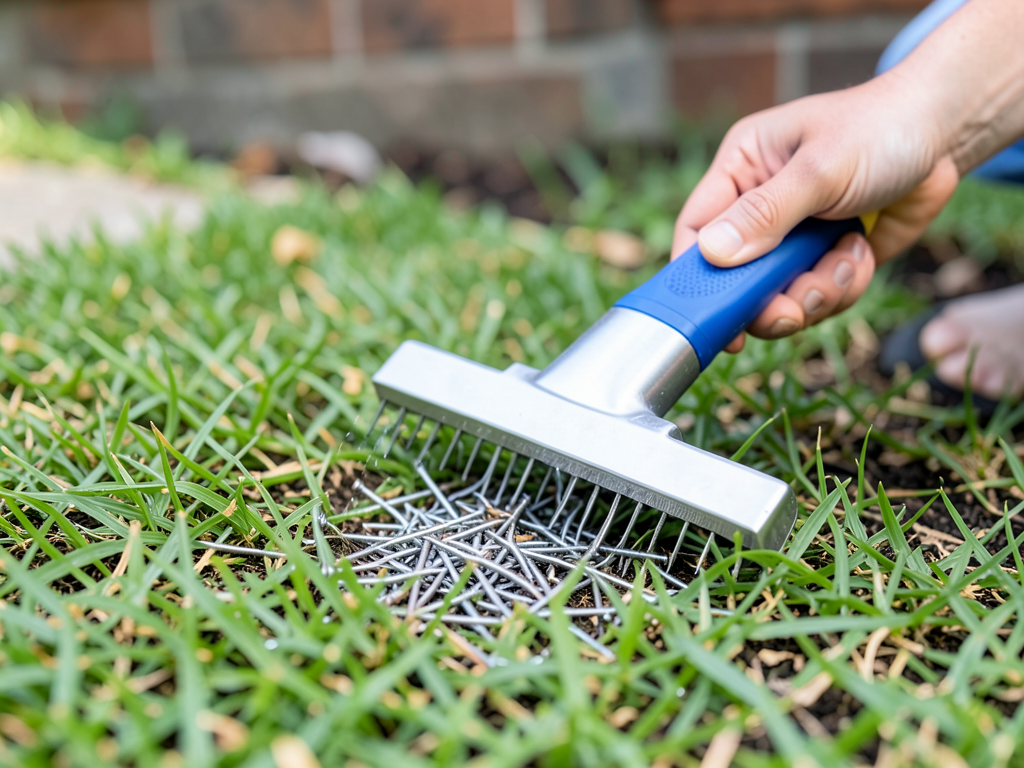
Roofing nails have a way of hiding in grass and mulch. Professional crews use rolling magnetic sweepers that pick up ferrous metal debris from the surface. For Louisville’s many yards with decorative gravel, smaller handheld magnets may be necessary to reach between stones.
The process typically involves multiple passes: immediately after shingle removal, after underlayment installation, and after final cleanup. Each pass reduces the risk of nails remaining in your yard.
Shingle Grit and Granule Removal
Asphalt shingles shed tiny granules during installation and removal. These granules can accumulate in garden beds and damage plant leaves. Professional crews use backpack blowers on low settings to gently remove granules from plants without causing damage.
Final Walk-Through Inspection
Before considering the job complete, the crew foreman should walk the property with you. This inspection identifies any damage that occurred during the project and ensures all protective materials have been removed. According to the Louisville Metro Building Code, contractors must leave the site in a condition that meets local safety standards.
Questions to Ask Your Roofing Contractor About Landscape Protection
Before signing a contract, ask these specific questions to gauge a contractor’s commitment to protecting your property.
1. What debris containment system do you use?
Look for specific answers like “Catch-All gutter protection with extended mesh” rather than vague responses like “We use tarps.”
2. How do you protect plants within three feet of the house?
Professional contractors should mention plywood walkways, breathable covers, or other specific methods.
3. What is your cleanup protocol?
Expect answers that include multiple magnetic sweeps, granule removal, and a final inspection.
4. Do you carry liability insurance that covers landscape damage?
Request a certificate of insurance and verify coverage amounts. Kentucky law requires contractors to carry at least $500,000 in liability coverage.
5. Can you provide references from recent projects in my area?
Local references from neighborhoods like St. Matthews or The Highlands carry more weight than generic testimonials.
Seasonal Considerations for Louisville Homeowners
Timing your roof replacement affects both the process and your landscape’s recovery.
Spring and Summer Projects
During Kentucky’s humid summers, heat buildup under protective covers can damage plants. Schedule work during cooler morning hours when possible. Choose breathable covers and plan for daily removal during extreme heat.
Fall and Winter Projects
Dormant plants tolerate protection better than actively growing ones. However, freezing temperatures can make protective materials brittle. Contractors should use heavier-duty materials that won’t crack in cold weather.
Storm Considerations
Louisville experiences frequent spring thunderstorms. Ensure your contractor has a plan for securing protective materials if sudden storms occur. This might include weighted edges on tarps or quick-release systems for easy removal.
Post-Project Landscape Recovery
Even with excellent protection, your landscape may need some recovery time after roof replacement.
Soil Aeration
Where heavy equipment traveled, soil compaction may occur. Aerate these areas in the fall to restore proper drainage and root growth. The University of Kentucky Cooperative Extension Service recommends core aeration for clay soils common in Jefferson County.
Plant Inspection
Check plants for damage in the weeks following the project. Look for broken branches, torn leaves, or signs of stress. Most plants recover quickly if damage is minor, but severe damage may require replacement.
Watering Schedule Adjustment
Soil disturbance can affect drainage patterns. Monitor your plants’ water needs closely for the first month after the project. You may need to adjust your irrigation schedule based on how water now flows across your yard.. Read more about Why your Coldstream home needs a full soffit and fascia overhaul.
Frequently Asked Questions
How much advance notice should I give my roofing contractor about my landscape concerns?
Provide written notice at least two weeks before the project starts. This gives the contractor time to plan appropriate protection measures and order any specialized materials.
Will my homeowner’s insurance cover landscape damage from roof replacement?
Most standard policies exclude damage from construction projects. However, if you hire a licensed contractor with proper insurance, their liability policy should cover accidental damage to your landscape.
How long does landscape protection typically stay in place during a roof replacement?
Protection usually remains in place for the entire project duration, which typically ranges from one to three days for most Louisville homes. Some materials like plywood walkways may be removed daily to allow plants to breathe.
What should I do if I notice damage to my plants after the roof is replaced?
Document the damage with photos and contact your contractor immediately. Most reputable companies will address legitimate damage claims promptly. Keep records of any plant replacements or repairs needed. Commercial flat roof repair and maintenance for business owners in NuLu.
Are there specific plants that roofing contractors won’t work around?
Some contractors may refuse to work around rare or extremely delicate plants due to liability concerns. If you have special specimens, discuss protection options during the estimate phase or consider temporary relocation.
Protecting your landscape during a roof replacement requires planning, communication, and the right protective measures. By understanding the risks and working with a professional contractor who uses proper protection systems, you can preserve your garden’s beauty while getting the roof your home needs.
Ready to start your roofing project? Call (502) 678-7557 today to schedule your inspection. Our team uses industry-leading protection systems to keep your landscape safe throughout the entire process.
{
“@context”: “https://schema.org”,
“@type”: “BlogPosting”,
“headline”: “How to Protect Your Landscape and Gardens During a Louisville Roof Replacement”,
“description”: “Protect your Louisville landscaping during roof replacement with expert tips on debris shields, plant covers, and contractor protocols specific to Kentucky’s climate and common local flora.”,
“wordCount”: 1815,
“datePublished”: “2026-05-02T08:43:00.000Z”,
“dateModified”: “2026-05-02T08:43:00.000Z”,
“inLanguage”: “en-US”,
“mainEntityOfPage”: {
“@type”: “WebPage”,
“@id”: “https://fortressroofinglouisville.com”
},
“publisher”: {
“@type”: “LocalBusiness”,
“name”: “Fortress Roofing Louisville”,
“url”: “https://fortressroofinglouisville.com”
},
“author”: {
“@type”: “Organization”,
“name”: “Fortress Roofing Louisville”,
“url”: “https://fortressroofinglouisville.com”
},
“image”: {
“@type”: “ImageObject”,
“url”: “https://fortressroofinglouisville.com/wp-content/uploads/2026/03/how-to-protect-your-landscape-and-gardens-during-a-1.png”
}
}
{
“@context”: “https://schema.org”,
“@type”: “RoofingContractor”,
“name”: “Fortress Roofing Louisville”,
“url”: “https://fortressroofinglouisville.com”,
“address”: {
“@type”: “PostalAddress”,
“addressLocality”: “Louisville”
},
“areaServed”: {
“@type”: “City”,
“name”: “Louisville”
}
}
{
“@context”: “https://schema.org”,
“@type”: “FAQPage”,
“mainEntity”: [
{
“@type”: “Question”,
“name”: “1. What debris containment system do you use?”,
“acceptedAnswer”: {
“@type”: “Answer”,
“text”: “Look for specific answers like \”Catch-All gutter protection with extended mesh\” rather than vague responses like \”We use tarps.\””
}
},
{
“@type”: “Question”,
“name”: “2. How do you protect plants within three feet of the house?”,
“acceptedAnswer”: {
“@type”: “Answer”,
“text”: “Professional contractors should mention plywood walkways, breathable covers, or other specific methods.”
}
},
{
“@type”: “Question”,
“name”: “3. What is your cleanup protocol?”,
“acceptedAnswer”: {
“@type”: “Answer”,
“text”: “Expect answers that include multiple magnetic sweeps, granule removal, and a final inspection.”
}
},
{
“@type”: “Question”,
“name”: “4. Do you carry liability insurance that covers landscape damage?”,
“acceptedAnswer”: {
“@type”: “Answer”,
“text”: “Request a certificate of insurance and verify coverage amounts. Kentucky law requires contractors to carry at least $500,000 in liability coverage.”
}
},
{
“@type”: “Question”,
“name”: “5. Can you provide references from recent projects in my area?”,
“acceptedAnswer”: {
“@type”: “Answer”,
“text”: “Local references from neighborhoods like St. Matthews or The Highlands carry more weight than generic testimonials.”
}
},
{
“@type”: “Question”,
“name”: “How much advance notice should I give my roofing contractor about my landscape concerns?”,
“acceptedAnswer”: {
“@type”: “Answer”,
“text”: “Provide written notice at least two weeks before the project starts. This gives the contractor time to plan appropriate protection measures and order any specialized materials.”
}
},
{
“@type”: “Question”,
“name”: “Will my homeowner’s insurance cover landscape damage from roof replacement?”,
“acceptedAnswer”: {
“@type”: “Answer”,
“text”: “Most standard policies exclude damage from construction projects. However, if you hire a licensed contractor with proper insurance, their liability policy should cover accidental damage to your landscape.”
}
},
{
“@type”: “Question”,
“name”: “How long does landscape protection typically stay in place during a roof replacement?”,
“acceptedAnswer”: {
“@type”: “Answer”,
“text”: “Protection usually remains in place for the entire project duration, which typically ranges from one to three days for most Louisville homes. Some materials like plywood walkways may be removed daily to allow plants to breathe.”
}
},
{
“@type”: “Question”,
“name”: “What should I do if I notice damage to my plants after the roof is replaced?”,
“acceptedAnswer”: {
“@type”: “Answer”,
“text”: “Document the damage with photos and contact your contractor immediately. Most reputable companies will address legitimate damage claims promptly. Keep records of any plant replacements or repairs needed. Commercial flat roof repair and maintenance for business owners in NuLu.”
}
},
{
“@type”: “Question”,
“name”: “Are there specific plants that roofing contractors won’t work around?”,
“acceptedAnswer”: {
“@type”: “Answer”,
“text”: “Some contractors may refuse to work around rare or extremely delicate plants due to liability concerns. If you have special specimens, discuss protection options during the estimate phase or consider temporary relocation.”
}
}
]
}
{
“@context”: “https://schema.org”,
“@type”: “BreadcrumbList”,
“itemListElement”: [
{
“@type”: “ListItem”,
“position”: 1,
“name”: “Home”,
“item”: “https://fortressroofinglouisville.com”
},
{
“@type”: “ListItem”,
“position”: 2,
“name”: “Blog”,
“item”: “https://fortressroofinglouisville.com/blog”
},
{
“@type”: “ListItem”,
“position”: 3,
“name”: “How to Protect Your Landscape and Gardens During a Louisville Roof Replacement”
}
]
}
{
“@context”: “https://schema.org”,
“@type”: “Service”,
“serviceType”: “Roofing”,
“provider”: {
“@type”: “LocalBusiness”,
“name”: “Fortress Roofing Louisville”,
“url”: “https://fortressroofinglouisville.com”
},
“areaServed”: {
“@type”: “City”,
“name”: “Louisville”
},
“description”: “Protect your Louisville landscaping during roof replacement with expert tips on debris shields, plant covers, and contractor protocols specific to Kentucky’s climate and common local flora.”
}