
Understanding the Split-Level Ventilation Challenge
Split-level homes in Okolona create unique ventilation problems that standard roofing systems simply cannot handle. The staggered roof planes create isolated attic compartments where air becomes trapped. This dead air space leads to temperature imbalances between floors and moisture buildup that damages insulation and roof decking. The most trusted roofing services in Germantown and Schnitzelburg.
Okolona’s mid-century split-level homes typically feature three distinct attic zones connected by narrow passageways. Hot air rises naturally but gets stuck in upper compartments while lower zones remain cool and damp. The result is a home where upstairs bedrooms feel like saunas while the lower level stays chilly and musty.
The fundamental issue stems from the stack effect working against the home’s geometry. Standard ridge vents installed across the entire roofline cannot create proper airflow through disconnected attic spaces. Each compartment needs its own balanced intake and exhaust system to function correctly.. Read more about How to Vent Your Bathroom Fan Through the Roof Without Causing a Leak.
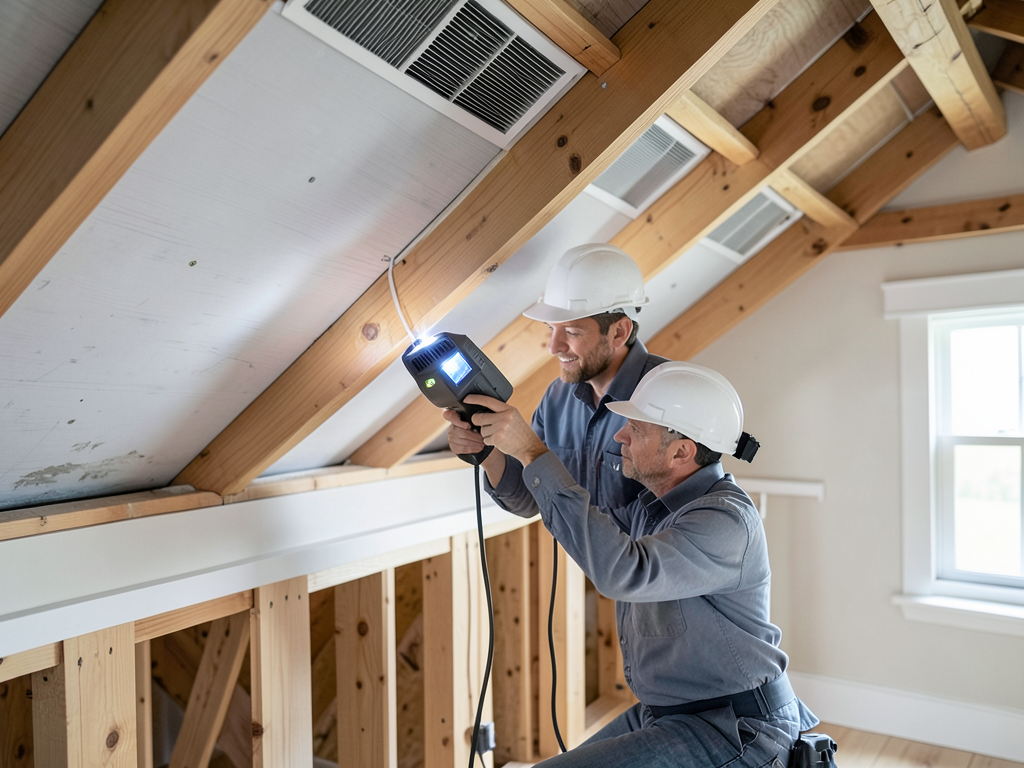
Diagram showing airflow patterns through staggered roof planes in a split-level home. Arrows illustrate how dead air pockets form between compartments and where intake vents should be positioned for maximum efficiency.. Read more about The hidden link between poor roof ventilation and seasonal allergies in Fincastle homes.
Why Standard Roofing Ventilation Fails in Split-Level Homes
Traditional ventilation assumes a continuous attic space with uniform airflow. Split-level designs violate this assumption completely. The varying ceiling heights and multiple roof junctions create thermal barriers that block natural convection.
In Okolona’s climate, these ventilation failures compound quickly. Summer humidity gets trapped in lower attic compartments where temperatures stay cooler. This moisture condenses on roof sheathing and insulation, creating perfect conditions for mold growth. Winter brings the opposite problem as warm air from living spaces escapes into upper compartments and melts snow on the roof above.
The Kentucky Residential Code requires 1 square foot of net free ventilating area for every 300 square feet of attic floor space. However, this calculation assumes uniform attic geometry. Split-level homes need additional ventilation capacity to overcome the compartmentalization effect. Reliable residential roofing specialists serving Jeffersonville and Clarksville.
Common failure points include:
- Blocked soffit vents behind insulation in lower compartments
- Inadequate ridge vent length for upper roof sections
- Missing baffles allowing insulation to cover intake vents
- Improper vent placement failing to address dead air zones
The Intake vs. Exhaust Balance: Soffit Vents and Ridge Systems
Proper ventilation requires balanced airflow where intake equals exhaust. In split-level homes, this balance must be maintained separately in each attic compartment. A single ridge vent cannot pull air through multiple disconnected spaces effectively.
Soffit vents provide the intake air that drives the entire system. In Okolona split-levels, these vents often become blocked by insulation or painted over during home improvements. We use specialized baffles to maintain clear airflow paths from the soffit to the attic space above.
Ridge vents work best when installed in sections matching each roof plane’s length. Continuous ridge venting across multiple heights creates pressure imbalances. Instead, we install separate ridge vent sections for each attic compartment with dedicated exhaust capacity.
The net free ventilating area calculation becomes more complex in multi-level roofs. Each compartment needs its own 1:300 ratio calculation based on its floor area. Upper compartments often require additional exhaust capacity to overcome the stack effect’s natural tendency to trap hot air.
Material selection matters significantly. Aluminum soffit vents resist corrosion better than plastic in Louisville’s humid climate. Ridge vents with external baffles prevent wind-driven rain infiltration while maintaining airflow efficiency.
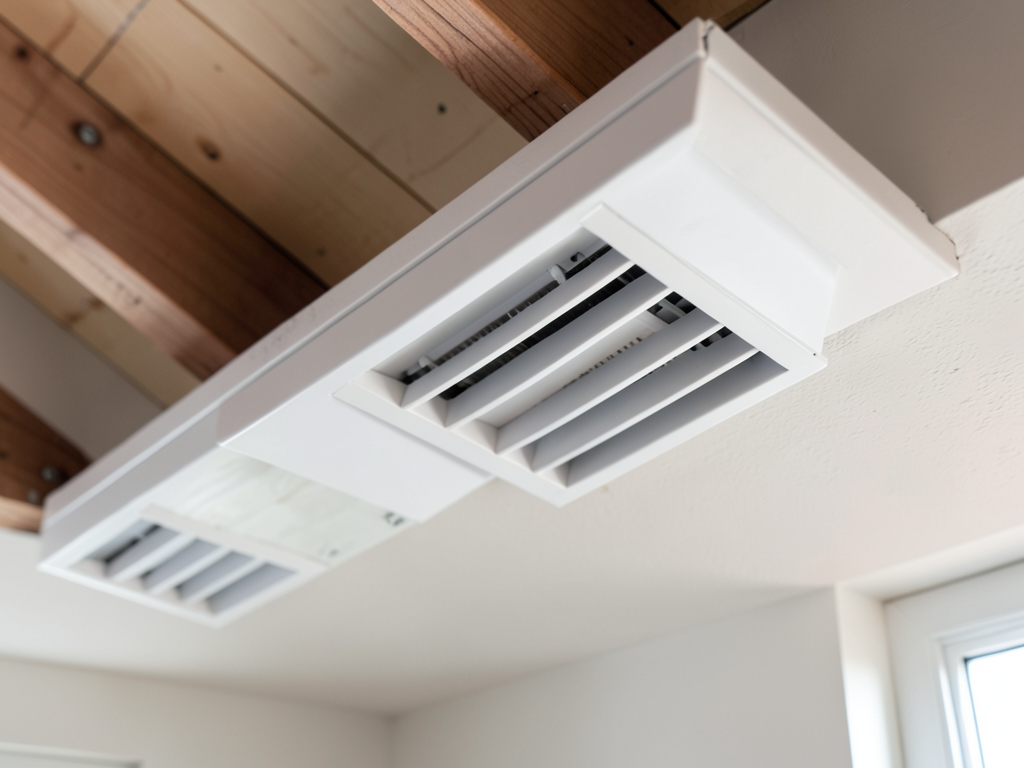
Photo showing proper baffle installation in a split-level eave. The rigid vent channel maintains a clear path for air movement from soffit intake to attic space while preventing insulation from blocking the airflow.
Solving Dead Air Pockets in Multi-Level Attics
Dead air pockets form where natural convection cannot reach. In split-level homes, these pockets typically develop in the corners where different roof planes meet and in the transition spaces between attic compartments.
We solve this problem using a combination of mechanical and passive ventilation. Small solar-powered attic fans create positive airflow through dead zones. These fans activate when temperatures rise above 95 degrees Fahrenheit, pulling fresh air through intake vents and exhausting hot air from problem areas.
Strategic vent placement eliminates dead spots. We install additional gable vents or roof vents at the highest points of each compartment. These high-mounted vents capture rising hot air that would otherwise stagnate in upper spaces. Why we are the highest rated roofing team in the Louisville metro area.
The key diagnostic test involves using a smoke pencil to trace airflow patterns through the attic. We can visually identify where air moves freely and where it stagnates. This testing reveals hidden dead zones that homeowners never notice until they cause problems.
Temperature monitoring shows the effectiveness of our solutions. Before improvements, upper attic compartments often run 20-30 degrees hotter than outside air. After proper ventilation installation, temperature differentials drop to 10-15 degrees, significantly reducing cooling costs.
Louisville Climate Considerations: Managing Kentucky Humidity
Okolona sits in Louisville’s transition zone where humidity levels frequently exceed 70% during summer months. This moisture-laden air creates condensation problems in poorly ventilated attics. The issue worsens in split-level homes where temperature stratification provides perfect conditions for moisture accumulation.
Winter brings additional challenges. Louisville experiences freeze-thaw cycles where daytime temperatures rise above freezing while nighttime temperatures drop below. This cycle causes snow on inadequately ventilated roofs to melt during the day and refreeze at night, forming ice dams that force water under shingles.. Read more about Unique Roofing Challenges for Traditional Shotgun Houses in the Portland Area.
The Kentucky Building Code Section R806 mandates specific ventilation requirements for our climate zone. Homes in Jefferson County must maintain minimum ventilation ratios and use materials rated for high humidity environments. Many Okolona homes built before current codes struggle to meet these standards.
Humidity control requires more than just ventilation. We install vapor barriers in attic floor assemblies where appropriate and recommend dehumidification systems for homes with chronic moisture problems. The goal is maintaining attic relative humidity below 60% year-round.
Spring thunderstorms in the Ohio Valley create additional pressure on ventilation systems. High winds can force rain through poorly designed vent systems. We use wind-rated vent designs with internal baffles that maintain airflow while blocking water infiltration during severe weather events. Valley Leak Repair.
Step-by-Step: How We Retrofit Split-Level Roofs for Maximum Airflow
- Comprehensive Attic Assessment
We inspect each attic compartment using thermal imaging cameras to identify temperature variations and moisture hotspots. This diagnostic process reveals dead air zones and ventilation failures that standard inspections miss.
- Ventilation Load Calculation
Using the 1:300 rule, we calculate required net free ventilating area for each compartment. Split-level homes typically need 20-30% more total ventilation than single-story homes of equivalent living space.
- Intake System Installation
We install continuous soffit venting with integrated baffles. Each eave gets sufficient intake capacity to feed the exhaust vents above. Baffles prevent insulation from blocking airflow paths.
- Exhaust System Configuration
Separate ridge vent sections serve each roof plane. High-mounted gable vents or roof vents address dead air zones. We balance exhaust capacity to match calculated intake volumes.
- Mechanical Ventilation Integration
Solar-powered fans target persistent problem areas. These units activate automatically when temperatures exceed optimal ranges, providing supplemental airflow during extreme weather.
- Sealing and Insulation Verification
We ensure all ventilation openings are properly sealed against water infiltration. Insulation levels meet current code requirements without blocking airflow paths.
Cost vs. Benefit: Energy Savings and Shingle Longevity
Proper ventilation in split-level homes delivers measurable returns on investment. Homeowners typically see 15-25% reductions in cooling costs after ventilation improvements. The exact savings depend on the home’s original ventilation efficiency and local energy rates.
Roof shingle longevity increases dramatically with proper ventilation. Asphalt shingles in poorly ventilated attics can fail in 10-12 years due to excessive heat. Well-ventilated roofs often achieve 20-25 year lifespans, effectively doubling the investment value.
Moisture damage prevention provides additional cost savings. Mold remediation in attic spaces costs thousands of dollars. Proper ventilation eliminates the conditions that allow mold to establish and spread through insulation and wood framing.
The initial investment varies based on home complexity. Basic ventilation improvements start around $2,500 for simple split-level designs. Complex multi-compartment homes with mechanical ventilation integration typically range from $4,000 to $7,000.
Energy efficiency incentives can offset costs. Louisville Gas and Electric offers rebates for ventilation improvements that demonstrate measurable energy savings. These programs can reduce net project costs by 15-20%.
Insurance premium credits may apply for homes with enhanced ventilation systems. Some carriers recognize the reduced risk of moisture damage and offer rate reductions for documented ventilation improvements.
Frequently Asked Questions
How do I know if my split-level home has ventilation problems?
Common signs include uneven temperatures between floors, excessive attic heat in summer, ice dam formation in winter, and musty odors in lower level rooms. A professional assessment using thermal imaging can identify specific ventilation deficiencies.
Can I install ventilation improvements myself?
While basic soffit vent installation is possible for experienced DIYers, split-level ventilation requires specialized knowledge of airflow dynamics and building codes. Improper installation can create new problems like moisture infiltration or inadequate ventilation capacity.
How long does ventilation retrofitting take?
Most split-level ventilation projects complete in 2-3 days. Complex installations with mechanical ventilation may require 4-5 days. We work efficiently to minimize disruption while ensuring proper installation quality.
Will ventilation improvements affect my home’s energy efficiency rating?
Yes. Proper ventilation reduces cooling loads and prevents moisture-related energy losses. Many homeowners see their Home Energy Rating System scores improve by 10-15 points after ventilation upgrades.
What maintenance do ventilation systems require?
Annual inspections ensure vents remain clear of debris and insulation. Soffit vents may need occasional cleaning to remove dust and insect nests. Mechanical ventilation components require periodic testing to verify proper operation.
Are there specific ventilation requirements for Okolona’s climate?
Jefferson County follows Kentucky Residential Code requirements with additional considerations for high humidity. Homes in Okolona need enhanced moisture control features and wind-rated vent designs to handle local weather patterns.
Call (502) 678-7557 today to schedule your inspection. Our ventilation specialists will assess your split-level home’s specific needs and provide a detailed improvement plan. Don’t wait until moisture damage or energy waste costs you thousands in repairs. Commercial flat roof repair and maintenance for business owners in NuLu.
Pick up the phone and call (502) 678-7557 before the next storm hits. Louisville’s humid summers and freeze-thaw winters create perfect conditions for ventilation failures. Our team has solved ventilation problems in hundreds of Okolona split-level homes, and we can solve yours too. For more information, visit U.S. Department of Energy ventilation guide. For more information, visit ASHRAE ventilation standards.
You may also find this helpful. How New Soffits and Fascia Can Drastically Improve the Curb Appeal of Your Lyndon House.
{
“@context”: “https://schema.org”,
“@type”: “BlogPosting”,
“headline”: “Solving the Common Ventilation Issues in Okolona Split Level Homes”,
“description”: “Expert guide to split-level roof ventilation in Okolona. Learn how to fix dead air pockets, humidity issues, and energy waste in your Louisville home’s complex attic spaces.”,
“wordCount”: 1748,
“datePublished”: “2026-06-05T11:16:00.000Z”,
“dateModified”: “2026-06-05T11:16:00.000Z”,
“inLanguage”: “en-US”,
“mainEntityOfPage”: {
“@type”: “WebPage”,
“@id”: “https://fortressroofinglouisville.com”
},
“publisher”: {
“@type”: “LocalBusiness”,
“name”: “Fortress Roofing Louisville”,
“url”: “https://fortressroofinglouisville.com”
},
“author”: {
“@type”: “Organization”,
“name”: “Fortress Roofing Louisville”,
“url”: “https://fortressroofinglouisville.com”
},
“image”: {
“@type”: “ImageObject”,
“url”: “https://fortressroofinglouisville.com/wp-content/uploads/2026/03/solving-the-common-ventilation-issues-in-okolona-s-1.png”
}
}
{
“@context”: “https://schema.org”,
“@type”: “RoofingContractor”,
“name”: “Fortress Roofing Louisville”,
“url”: “https://fortressroofinglouisville.com”,
“address”: {
“@type”: “PostalAddress”,
“addressLocality”: “Louisville”
},
“areaServed”: {
“@type”: “City”,
“name”: “Louisville”
}
}
{
“@context”: “https://schema.org”,
“@type”: “FAQPage”,
“mainEntity”: [
{
“@type”: “Question”,
“name”: “How do I know if my split-level home has ventilation problems?”,
“acceptedAnswer”: {
“@type”: “Answer”,
“text”: “Common signs include uneven temperatures between floors, excessive attic heat in summer, ice dam formation in winter, and musty odors in lower level rooms. A professional assessment using thermal imaging can identify specific ventilation deficiencies.”
}
},
{
“@type”: “Question”,
“name”: “Can I install ventilation improvements myself?”,
“acceptedAnswer”: {
“@type”: “Answer”,
“text”: “While basic soffit vent installation is possible for experienced DIYers, split-level ventilation requires specialized knowledge of airflow dynamics and building codes. Improper installation can create new problems like moisture infiltration or inadequate ventilation capacity.”
}
},
{
“@type”: “Question”,
“name”: “How long does ventilation retrofitting take?”,
“acceptedAnswer”: {
“@type”: “Answer”,
“text”: “Most split-level ventilation projects complete in 2-3 days. Complex installations with mechanical ventilation may require 4-5 days. We work efficiently to minimize disruption while ensuring proper installation quality.”
}
},
{
“@type”: “Question”,
“name”: “Will ventilation improvements affect my home’s energy efficiency rating?”,
“acceptedAnswer”: {
“@type”: “Answer”,
“text”: “Yes. Proper ventilation reduces cooling loads and prevents moisture-related energy losses. Many homeowners see their Home Energy Rating System scores improve by 10-15 points after ventilation upgrades.”
}
},
{
“@type”: “Question”,
“name”: “What maintenance do ventilation systems require?”,
“acceptedAnswer”: {
“@type”: “Answer”,
“text”: “Annual inspections ensure vents remain clear of debris and insulation. Soffit vents may need occasional cleaning to remove dust and insect nests. Mechanical ventilation components require periodic testing to verify proper operation.”
}
}
]
}
{
“@context”: “https://schema.org”,
“@type”: “HowTo”,
“name”: “How to Retrofit Split-Level Roof Ventilation”,
“step”: [
{
“@type”: “HowToStep”,
“position”: 1,
“name”: “Comprehensive Attic Assessment”,
“text”: “We inspect each attic compartment using thermal imaging cameras to identify temperature variations and moisture hotspots. This diagnostic process reveals dead air zones and ventilation failures that standard inspections miss.”
},
{
“@type”: “HowToStep”,
“position”: 2,
“name”: “Ventilation Load Calculation”,
“text”: “Using the 1:300 rule, we calculate required net free ventilating area for each compartment. Split-level homes typically need 20-30% more total ventilation than single-story homes of equivalent living space.”
},
{
“@type”: “HowToStep”,
“position”: 3,
“name”: “Intake System Installation”,
“text”: “We install continuous soffit venting with integrated baffles. Each eave gets sufficient intake capacity to feed the exhaust vents above. Baffles prevent insulation from blocking airflow paths.”
},
{
“@type”: “HowToStep”,
“position”: 4,
“name”: “Exhaust System Configuration”,
“text”: “Separate ridge vent sections serve each roof plane. High-mounted gable vents or roof vents address dead air zones. We balance exhaust capacity to match calculated intake volumes.”
},
{
“@type”: “HowToStep”,
“position”: 5,
“name”: “Mechanical Ventilation Integration”,
“text”: “Solar-powered fans target persistent problem areas. These units activate automatically when temperatures exceed optimal ranges, providing supplemental airflow during extreme weather.”
},
{
“@type”: “HowToStep”,
“position”: 6,
“name”: “Sealing and Insulation Verification”,
“text”: “We ensure all ventilation openings are properly sealed against water infiltration. Insulation levels meet current code requirements without blocking airflow paths.”
}
],
“image”: “https://fortressroofinglouisville.com/wp-content/uploads/2026/03/solving-the-common-ventilation-issues-in-okolona-s-1.png”
}
{
“@context”: “https://schema.org”,
“@type”: “BreadcrumbList”,
“itemListElement”: [
{
“@type”: “ListItem”,
“position”: 1,
“name”: “Home”,
“item”: “https://fortressroofinglouisville.com”
},
{
“@type”: “ListItem”,
“position”: 2,
“name”: “Blog”,
“item”: “https://fortressroofinglouisville.com/blog”
},
{
“@type”: “ListItem”,
“position”: 3,
“name”: “Solving the Common Ventilation Issues in Okolona Split Level Homes”
}
]
}
{
“@context”: “https://schema.org”,
“@type”: “Service”,
“serviceType”: “Roofing”,
“provider”: {
“@type”: “LocalBusiness”,
“name”: “Fortress Roofing Louisville”,
“url”: “https://fortressroofinglouisville.com”
},
“areaServed”: {
“@type”: “City”,
“name”: “Louisville”
},
“description”: “Expert guide to split-level roof ventilation in Okolona. Learn how to fix dead air pockets, humidity issues, and energy waste in your Louisville home’s complex attic spaces.”
}