
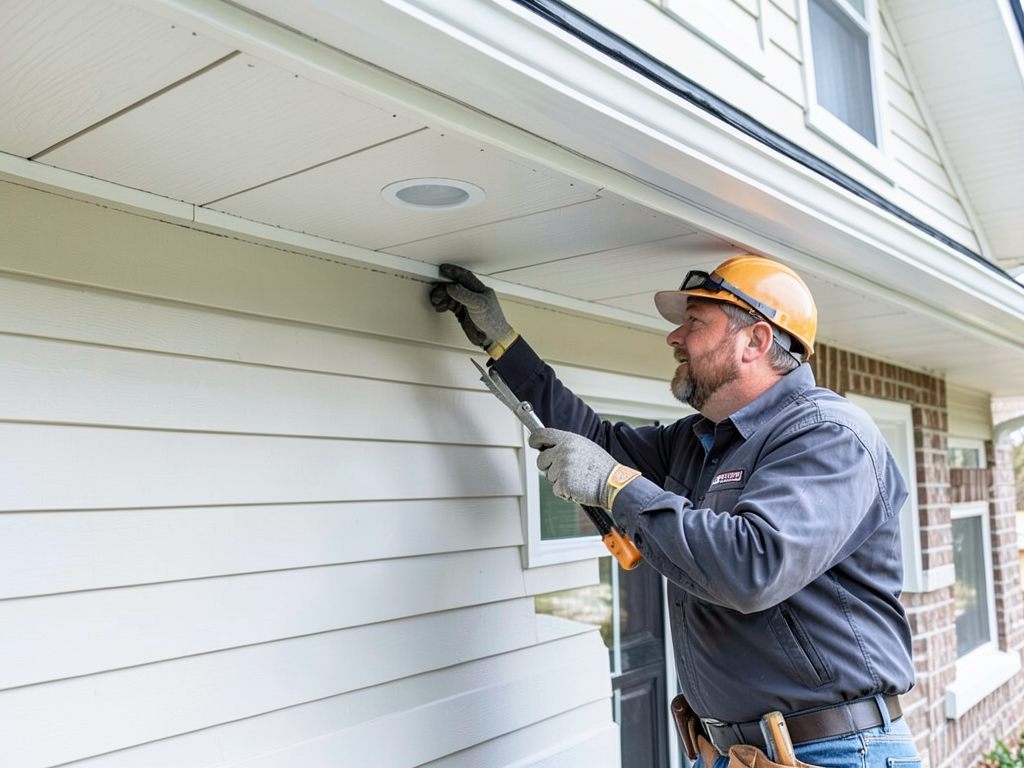
How New Soffits and Fascia Can Drastically Improve the Curb Appeal of Your Lyndon House
The first thing visitors notice about your Lyndon home isn’t the roofline or the landscaping. It’s the crisp edge where your roof meets the walls. That clean line comes from properly maintained soffits and fascia boards. These often-overlooked components do more than just look good. They protect your home from moisture damage, prevent pest infestations, and ensure proper attic ventilation. In Lyndon’s humid Kentucky climate, where summer temperatures regularly climb above 85°F and winter brings freeze-thaw cycles, these elements face constant stress.
When your soffits and fascia show signs of wear, your entire home’s appearance suffers. Cracked paint, sagging gutters, and visible rot create an impression of neglect that can reduce your property value by thousands of dollars. The good news is that replacing these components delivers immediate visual impact and long-term protection for your investment.
Modern materials like vinyl and aluminum offer durability that traditional wood cannot match in our local conditions. They resist moisture absorption, won’t warp or crack, and maintain their appearance for decades with minimal maintenance. The transformation from worn, weathered trim to clean, crisp lines can make your home look years younger in just a few days.
Beyond aesthetics, proper soffit ventilation plays a critical role in preventing attic moisture buildup. In Lyndon’s climate, trapped humidity leads to mold growth, wood rot, and ice dam formation during winter months. New soffits with integrated vents can reduce attic temperatures by up to 30 degrees in summer, extending the life of your roofing materials and lowering cooling costs. Why we are the highest rated roofing team in the Louisville metro area.
The combination of improved appearance and enhanced functionality makes soffit and fascia replacement one of the highest-return exterior improvements available to homeowners. Whether you’re preparing to sell or simply want to take pride in your home’s appearance, this upgrade delivers immediate satisfaction and lasting value. EPA mold prevention guidelines.
Understanding Soffit and Fascia Components
Your home’s eaves consist of several interconnected parts that work together as a system. The soffit forms the underside of the overhang, creating a finished appearance while allowing air to circulate into your attic space. Fascia boards run along the roof edge, providing a mounting surface for gutters and protecting the roof’s edge from water damage. Protecting your Lake Louisvilla home from high winds and waterfront humidity.
Traditional wood soffits and fascia require regular painting and maintenance to prevent rot and deterioration. In Lyndon’s climate, wood components typically need repainting every 3-5 years and replacement every 15-20 years due to moisture damage. Modern alternatives eliminate these ongoing costs while providing superior performance.
Vinyl soffits resist moisture absorption and won’t rot, warp, or crack. They maintain their color and finish for decades without painting. Aluminum fascia offers similar durability with added strength for supporting gutter systems. Both materials come in various styles and colors to match any home design.
Composite materials like fiber cement combine the look of wood with extreme durability. These products resist moisture, insects, and UV damage while providing the authentic appearance many homeowners prefer. The initial investment pays for itself through decades of maintenance-free performance.
Proper installation requires understanding local building codes and climate considerations. Jefferson County building codes mandate specific ventilation requirements based on attic square footage. The Kentucky Residential Code requires one square foot of net free ventilation area for every 150 square feet of attic space. Reliable residential roofing specialists serving Jeffersonville and Clarksville.
Signs Your Soffit and Fascia Need Replacement
Recognizing when your soffits and fascia require attention prevents costly damage to your home’s structure. Several warning signs indicate it’s time for professional evaluation. The most obvious is visible damage like peeling paint, cracked surfaces, or sections that appear warped or separated from the house.
Water stains on your soffits often indicate gutter problems or ice dam formation. These stains typically appear as dark streaks or discoloration that worsens over time. Once moisture penetrates the surface, rot spreads quickly through the underlying wood structure.
Pest activity provides another clear warning sign. Squirrels, birds, and insects commonly nest in damaged soffits. You might notice droppings, nesting materials, or even see animals entering and exiting through holes. These openings allow moisture infiltration and can lead to significant structural damage.
Interior signs often reveal exterior problems. Moisture in your attic, visible from inside your home, typically indicates ventilation issues caused by blocked or damaged soffits. Mold growth on attic surfaces or insulation signals inadequate airflow that new soffits could resolve.
Gutter problems frequently stem from fascia deterioration. Sagging gutters, loose mounting brackets, or gutters pulling away from the house indicate the fascia cannot support the weight anymore. This creates a cascade of problems as water overflows and damages your home’s exterior.
Sound provides diagnostic clues. A hollow sound when tapping soffits suggests rot beneath the surface. Soft spots that feel spongy when pressed indicate advanced deterioration requiring immediate attention. These tests help determine whether repair or replacement makes more sense. Commercial flat roof repair and maintenance for business owners in NuLu.
Age matters significantly. Most wood soffits and fascia last 15-20 years in our climate before requiring replacement. If your home is older and the components haven’t been updated, deterioration likely exists even if not yet visible from ground level.
Material Options for Lyndon Homes
Choosing the right material for your soffits and fascia depends on several factors including budget, maintenance preferences, and desired appearance. Each option offers distinct advantages for our local climate conditions.
Vinyl soffits provide excellent value and performance. These lightweight panels resist moisture, insects, and UV damage. They come in various styles including solid panels and vented options that promote airflow. Vinyl’s color permeates the entire material, eliminating the need for painting. Installation typically costs less than other materials while providing 30-40 year lifespans.
Aluminum fascia offers superior strength and durability. This material withstands Kentucky’s weather extremes without warping or cracking. Aluminum reflects heat, helping reduce attic temperatures. It accepts paint well for custom color matching. While more expensive than vinyl, aluminum fascia often lasts 50+ years with minimal maintenance.
Wood remains popular for historic homes and those seeking traditional appearance. Cedar and redwood naturally resist insects and decay. However, wood requires regular painting or staining and typically needs replacement every 15-20 years in our humid climate. The authentic look appeals to many homeowners despite higher maintenance requirements.
Fiber cement combines wood’s appearance with exceptional durability. Products like Hardie board resist moisture, insects, and fire while maintaining authentic wood grain patterns. These materials cost more initially but eliminate ongoing painting and repair expenses. They work particularly well in areas where wood’s appearance matters but durability is essential. Valley Leak Repair.
Composite materials offer another wood-alternative option. These products combine wood fibers with synthetic resins to create moisture-resistant boards that maintain wood’s workability and appearance. They cost less than fiber cement while providing better performance than traditional wood.
The best choice depends on your specific situation. Consider your home’s architectural style, your maintenance preferences, and your long-term plans for the property. High-quality materials installed properly provide decades of trouble-free performance.
Our Proven Replacement Process
Professional soffit and fascia replacement follows a systematic approach that ensures quality results and protects your home throughout the process. Understanding each step helps you know what to expect and why proper execution matters.
The process begins with a comprehensive inspection. Technicians examine your existing components, checking for hidden damage in the underlying structure. They assess attic ventilation, measure moisture levels, and identify any pest activity. This evaluation determines whether repair or complete replacement makes more sense for your situation.
Planning follows inspection. The team creates detailed measurements, selects materials, and develops a timeline. They coordinate with suppliers to ensure materials arrive when needed. For homes in historic districts or those with specific architectural requirements, additional planning ensures compliance with local regulations.
Preparation involves protecting your property. Technicians cover landscaping, move outdoor furniture, and set up safety equipment. They remove old materials carefully to prevent damage to your home’s exterior. This phase includes addressing any underlying structural issues discovered during inspection.
Installation proceeds systematically. First, any damaged structural components receive repair or replacement. Next, new soffits install from one end of the house, working toward the other. Fascia installation follows, with careful attention to alignment and secure fastening. Gutter mounting points receive reinforcement where needed.
Quality checks occur throughout installation. Technicians verify proper ventilation spacing, confirm secure fastening, and check alignment from multiple angles. They test gutter mounting strength and ensure all components integrate properly with your existing roof and wall systems.
Final cleanup removes all debris and materials from your property. Technicians inspect their work from ground level and from ladders to ensure every detail meets quality standards. They test gutter drainage and verify that all ventilation openings function properly.
Walkthrough with the homeowner concludes the process. Technicians explain maintenance requirements, demonstrate any special features, and answer questions about the new installation. They provide documentation about materials used and warranty information.
Ventilation Benefits and Energy Efficiency
Proper attic ventilation through well-designed soffits provides benefits that extend far beyond appearance. In Lyndon’s climate, where summer humidity regularly exceeds 70%, adequate airflow prevents numerous problems that cost homeowners thousands in repairs.
Attic temperature reduction represents the most immediate benefit. During summer months, attics without proper ventilation can reach temperatures above 150°F. This heat radiates into living spaces, forcing air conditioning systems to work harder. New soffits with integrated vents can reduce attic temperatures by 25-30 degrees, lowering cooling costs by 10-15%.
Moisture control prevents the most costly damage. In our humid climate, warm air from living spaces rises into attics where it meets cooler roof surfaces. Without proper ventilation, this moisture condenses on wood surfaces, insulation, and other materials. Over time, this leads to rot, mold growth, and reduced insulation effectiveness.
Ice dam prevention becomes critical during Kentucky winters. When snow melts on warm roof surfaces then refreezes at the eaves, ice dams form. These dams force water under shingles, causing leaks and interior damage. Proper soffit ventilation maintains consistent roof temperatures, preventing ice dam formation.
Roof material longevity increases significantly with proper ventilation. Asphalt shingles exposed to excessive heat age prematurely, becoming brittle and losing their protective granules. Cool attics extend shingle life by 5-10 years, delaying expensive roof replacement.
Indoor air quality improves when moisture levels remain controlled. Mold spores and other allergens thrive in damp attic spaces. Proper ventilation prevents these contaminants from spreading through your home’s air circulation system.
Energy efficiency extends to winter months as well. While ventilation allows cold air into attics, it prevents the moisture problems that reduce insulation effectiveness. Dry insulation maintains its R-value, keeping your home comfortable year-round.
The Kentucky Energy and Environment Cabinet recommends specific ventilation ratios based on attic square footage. Following these guidelines ensures optimal performance while meeting building code requirements.
Cost Factors and Investment Value
Understanding what drives costs helps you make informed decisions about your soffit and fascia replacement. Several factors influence the final price, but the investment typically delivers strong returns through improved home value and reduced maintenance expenses.
Material selection significantly impacts cost. Vinyl represents the most economical option, typically costing $6-8 per linear foot installed. Aluminum fascia runs $8-12 per linear foot, while fiber cement products cost $10-15 per linear foot. Wood options vary widely based on species and quality, ranging from $12-25 per linear foot.
House size and architectural complexity affect total project cost. Simple ranch-style homes require less labor and material than multi-story homes with multiple roof lines, dormers, or decorative trim. Complex architectural features increase installation time and material waste.
Existing damage extent determines whether simple replacement suffices or if structural repairs become necessary. Rotted fascia boards often indicate damaged roof decking or compromised structural members. Addressing these issues during replacement prevents future problems but increases initial costs.
Permit requirements in Jefferson County add administrative costs but ensure compliance with local building codes. Permit fees typically range from $50-200 depending on project scope. Professional contractors handle permitting as part of their service.
Removal and disposal of old materials contributes to total cost. This includes labor for careful removal and fees for proper disposal of construction debris. Some materials like asbestos-containing products require special handling and disposal procedures.
The investment typically ranges from $2,000-8,000 for most single-family homes in Lyndon. While this represents a significant expense, consider the costs of ongoing maintenance for wood components. Painting wood soffits and fascia every 3-5 years costs $500-1,000 each time, while replacement every 15-20 years costs $3,000-6,000.
Home value increases often offset much of the investment. Real estate professionals estimate that updated exterior trim can increase home values by 3-5%. For a $250,000 home, this represents $7,500-12,500 in added value.
Energy savings provide ongoing returns. Improved ventilation can reduce cooling costs by $200-400 annually in our climate. Over a 10-year period, this equals $2,000-4,000 in utility savings.
Local Lyndon Success Stories
Several Lyndon homeowners have transformed their properties through professional soffit and fascia replacement. These local examples demonstrate the dramatic impact proper installation can achieve.
The Thompson residence on Green Ash Drive featured original wood soffits and fascia from the 1970s. Years of moisture exposure had caused extensive rot, with sections sagging and gutters pulling away from the house. After replacement with vinyl soffits and aluminum fascia, the home’s appearance improved dramatically. The clean white trim now provides crisp contrast against the dark siding, and the homeowners report their attic stays noticeably cooler during summer months.
A ranch home on Sunset Avenue had suffered from persistent ice dam problems during winter months. The original wood soffits had been painted multiple times but still allowed moisture infiltration. Replacement with properly vented vinyl soffits eliminated the ice dam issues completely. The homeowners also noticed their winter heating bills decreased by approximately 8% due to improved attic insulation effectiveness.
The historic home on Old Heady Road required special consideration due to its architectural significance. The homeowners wanted to maintain the authentic wood appearance while gaining modern durability. Fiber cement soffits and fascia provided the perfect solution, offering wood’s appearance with 50-year warranties against moisture damage. The installation preserved the home’s character while eliminating ongoing maintenance concerns.
A contemporary home on Timberwood Way featured complex roof lines with multiple gables and decorative trim. The original aluminum fascia had deteriorated at the joints, creating an uneven appearance. Replacement with seamless aluminum fascia created clean lines throughout the complex roof structure. The homeowners particularly appreciated how the new installation highlighted the home’s architectural features.
These local examples demonstrate how soffit and fascia replacement addresses both aesthetic and functional concerns. Each project solved specific problems while improving the home’s overall appearance and performance.
Maintenance and Longevity Tips
Even the highest-quality soffit and fascia installation benefits from proper maintenance. Following these guidelines helps maximize your investment’s lifespan and performance.
Annual inspections catch problems early when they’re easiest to fix. Check your soffits and fascia each spring and fall for signs of damage, separation, or pest activity. Look for water stains, cracks, or areas where paint is peeling or blistering. Early detection prevents minor issues from becoming major problems.
Gutter maintenance directly impacts fascia longevity. Clean gutters at least twice yearly, removing leaves, twigs, and other debris. Clogged gutters cause water to overflow, saturating fascia boards and causing rot. Consider installing gutter guards to reduce maintenance frequency.
Vegetation management prevents moisture damage. Trim tree branches that overhang your roof, as falling leaves and twigs accumulate in gutters and on roof surfaces. Keep shrubs and other plants at least 12 inches from your home’s exterior to promote air circulation and prevent moisture buildup.
Pest prevention requires vigilance. Inspect for signs of animal or insect activity, including nests, droppings, or entry holes. Seal any openings promptly, as pests can cause extensive damage in short time periods. Consider professional pest control services if problems persist.
Cleaning maintains appearance and allows inspection. Use a garden hose with gentle spray to remove dirt and debris from soffits and fascia. Avoid pressure washers, as high-pressure water can force moisture into seams and joints. For stubborn stains, use mild detergent and soft brush.
Paint maintenance applies to wood and some aluminum products. When paint begins to peel or fade, address it promptly. Proper surface preparation and quality paint application prevent moisture infiltration and extend material life.
Ventilation checks ensure continued energy efficiency. Verify that soffit vents remain clear of insulation or debris. Use a flashlight to check that light passes through vents from inside the attic. Blocked vents reduce energy efficiency and can lead to moisture problems.
Professional inspections every 3-5 years provide expert assessment of your system’s condition. Technicians can identify issues you might miss and recommend preventive maintenance to extend your investment’s life.
Frequently Asked Questions
How long does soffit and fascia replacement take?
Most single-family homes in Lyndon require 2-3 days for complete replacement. Weather conditions, architectural complexity, and any necessary structural repairs can extend this timeline. Your contractor will provide specific scheduling information after inspection.
Can I replace just the damaged sections?
While spot repairs seem economical, they often cost more long-term. Matching existing materials proves difficult, and adjacent sections typically show similar wear. Complete replacement ensures consistent appearance and performance while often proving more cost-effective per linear foot.
Will new soffits and fascia increase my home’s value?
Yes. Updated exterior trim typically increases home values by 3-5%. The improvement in curb appeal often makes homes more attractive to buyers. Energy efficiency improvements from better ventilation can also reduce utility costs, adding practical value.
Do I need permits for this work?
Jefferson County requires permits for soffit and fascia replacement. Professional contractors handle permitting as part of their service. Permits ensure work meets local building codes and provide protection for homeowners through inspection requirements.
How do I choose between materials?
Consider your budget, maintenance preferences, and home’s architectural style. Vinyl offers best value for most homes. Aluminum provides superior durability. Fiber cement combines wood’s appearance with modern performance. Your contractor can recommend options based on your specific needs and local conditions.
Should I replace gutters at the same time?
Often yes. Fascia replacement provides an excellent opportunity to evaluate and replace gutters if needed. New fascia properly supports gutter systems, preventing future problems. Many contractors offer package pricing for combined services.
What about warranty coverage?
Material warranties vary by product, typically ranging from 20-50 years for vinyl and aluminum products. Workmanship warranties cover installation quality for 1-5 years. Ask your contractor about specific warranty terms and what they cover.
Ready to Transform Your Lyndon Home?
New soffits and fascia represent one of the smartest exterior improvements available to homeowners. The combination of immediate visual impact, enhanced protection, and improved energy efficiency delivers value that few other home improvements can match. In Lyndon’s challenging climate, this investment pays dividends through decades of trouble-free performance.
Don’t wait until visible damage forces emergency repairs. Proactive replacement prevents costly structural damage and protects your home’s value. Whether you’re preparing to sell or simply want to take pride in your home’s appearance, professional soffit and fascia installation provides the solution you need.
Our team understands Lyndon’s specific climate challenges and building requirements. We use materials proven to withstand Kentucky’s humidity, temperature extremes, and seasonal storms. Our installation process ensures proper ventilation, secure mounting, and seamless integration with your existing roof system.
Call (502) 678-7557 today to schedule your free inspection and estimate. Our experts will evaluate your current system, recommend appropriate solutions, and provide clear pricing with no hidden costs. Take the first step toward transforming your home’s exterior and protecting your investment for years to come.
Pick up the phone and call (502) 678-7557 before the next storm hits. Don’t let deteriorating soffits and fascia compromise your home’s protection and appearance. Your Lyndon home deserves the best, and that’s exactly what we deliver. For more information, visit FEMA ice dam prevention.
{
“@context”: “https://schema.org”,
“@type”: “BlogPosting”,
“headline”: “How New Soffits and Fascia Can Drastically Improve the Curb Appeal of Your Lyndon House”,
“description”: “Discover how new soffits and fascia can transform your Lyndon home’s exterior. Learn about materials, ventilation benefits, and local installation from Louisville experts.”,
“wordCount”: 3331,
“datePublished”: “2026-05-12T06:52:00.000Z”,
“dateModified”: “2026-05-12T06:52:00.000Z”,
“inLanguage”: “en-US”,
“mainEntityOfPage”: {
“@type”: “WebPage”,
“@id”: “https://fortressroofinglouisville.com”
},
“publisher”: {
“@type”: “LocalBusiness”,
“name”: “Fortress Roofing Louisville”,
“url”: “https://fortressroofinglouisville.com”
},
“author”: {
“@type”: “Organization”,
“name”: “Fortress Roofing Louisville”,
“url”: “https://fortressroofinglouisville.com”
},
“image”: {
“@type”: “ImageObject”,
“url”: “https://fortressroofinglouisville.com/wp-content/uploads/2026/03/how-new-soffits-and-fascia-can-drastically-improve-1.png”
}
}
{
“@context”: “https://schema.org”,
“@type”: “RoofingContractor”,
“name”: “Fortress Roofing Louisville”,
“url”: “https://fortressroofinglouisville.com”,
“address”: {
“@type”: “PostalAddress”,
“addressLocality”: “Louisville”
},
“areaServed”: {
“@type”: “City”,
“name”: “Louisville”
}
}
{
“@context”: “https://schema.org”,
“@type”: “FAQPage”,
“mainEntity”: [
{
“@type”: “Question”,
“name”: “How long does soffit and fascia replacement take?”,
“acceptedAnswer”: {
“@type”: “Answer”,
“text”: “Most single-family homes in Lyndon require 2-3 days for complete replacement. Weather conditions, architectural complexity, and any necessary structural repairs can extend this timeline. Your contractor will provide specific scheduling information after inspection.”
}
},
{
“@type”: “Question”,
“name”: “Can I replace just the damaged sections?”,
“acceptedAnswer”: {
“@type”: “Answer”,
“text”: “While spot repairs seem economical, they often cost more long-term. Matching existing materials proves difficult, and adjacent sections typically show similar wear. Complete replacement ensures consistent appearance and performance while often proving more cost-effective per linear foot.”
}
},
{
“@type”: “Question”,
“name”: “Will new soffits and fascia increase my home’s value?”,
“acceptedAnswer”: {
“@type”: “Answer”,
“text”: “Yes. Updated exterior trim typically increases home values by 3-5%. The improvement in curb appeal often makes homes more attractive to buyers. Energy efficiency improvements from better ventilation can also reduce utility costs, adding practical value.”
}
},
{
“@type”: “Question”,
“name”: “Do I need permits for this work?”,
“acceptedAnswer”: {
“@type”: “Answer”,
“text”: “Jefferson County requires permits for soffit and fascia replacement. Professional contractors handle permitting as part of their service. Permits ensure work meets local building codes and provide protection for homeowners through inspection requirements.”
}
},
{
“@type”: “Question”,
“name”: “How do I choose between materials?”,
“acceptedAnswer”: {
“@type”: “Answer”,
“text”: “Consider your budget, maintenance preferences, and home’s architectural style. Vinyl offers best value for most homes. Aluminum provides superior durability. Fiber cement combines wood’s appearance with modern performance. Your contractor can recommend options based on your specific needs and local conditions.”
}
},
{
“@type”: “Question”,
“name”: “Should I replace gutters at the same time?”,
“acceptedAnswer”: {
“@type”: “Answer”,
“text”: “Often yes. Fascia replacement provides an excellent opportunity to evaluate and replace gutters if needed. New fascia properly supports gutter systems, preventing future problems. Many contractors offer package pricing for combined services.”
}
},
{
“@type”: “Question”,
“name”: “What about warranty coverage?”,
“acceptedAnswer”: {
“@type”: “Answer”,
“text”: “Material warranties vary by product, typically ranging from 20-50 years for vinyl and aluminum products. Workmanship warranties cover installation quality for 1-5 years. Ask your contractor about specific warranty terms and what they cover.”
}
},
{
“@type”: “Question”,
“name”: “Ready to Transform Your Lyndon Home?”,
“acceptedAnswer”: {
“@type”: “Answer”,
“text”: “New soffits and fascia represent one of the smartest exterior improvements available to homeowners. The combination of immediate visual impact, enhanced protection, and improved energy efficiency delivers value that few other home improvements can match. In Lyndon’s challenging climate, this investment pays dividends through decades of trouble-free performance.”
}
}
]
}
{
“@context”: “https://schema.org”,
“@type”: “BreadcrumbList”,
“itemListElement”: [
{
“@type”: “ListItem”,
“position”: 1,
“name”: “Home”,
“item”: “https://fortressroofinglouisville.com”
},
{
“@type”: “ListItem”,
“position”: 2,
“name”: “Blog”,
“item”: “https://fortressroofinglouisville.com/blog”
},
{
“@type”: “ListItem”,
“position”: 3,
“name”: “How New Soffits and Fascia Can Drastically Improve the Curb Appeal of Your Lyndon House”
}
]
}
{
“@context”: “https://schema.org”,
“@type”: “Service”,
“serviceType”: “Roofing”,
“provider”: {
“@type”: “LocalBusiness”,
“name”: “Fortress Roofing Louisville”,
“url”: “https://fortressroofinglouisville.com”
},
“areaServed”: {
“@type”: “City”,
“name”: “Louisville”
},
“description”: “Discover how new soffits and fascia can transform your Lyndon home’s exterior. Learn about materials, ventilation benefits, and local installation from Louisville experts.”
}