
Plywood versus OSB (Deciding on the Right Roof Decking for Your Kentucky Home)
When it comes to roof decking in Louisville, the choice between plywood and OSB affects more than just your upfront cost. Kentucky’s humid climate, seasonal temperature swings, and occasional severe storms create unique challenges that make this decision critical for your home’s long-term protection.. Read more about Why Your Home near Louisville International Airport Needs Sound Dampening Roofing Materials.
Plywood offers superior moisture resistance and faster drying times if leaks occur, while OSB provides better shear strength and lower cost per sheet. For Louisville homeowners, the answer depends on your specific neighborhood’s exposure to humidity, your budget constraints, and how long you plan to stay in your home.
Understanding the Basics: What are Plywood and OSB?
Plywood consists of thin wood veneers layered with alternating grain directions and bonded with waterproof adhesive. This cross-grain construction gives plywood its dimensional stability and resistance to warping. CDX plywood, the most common grade for roofing, features a C-grade face and D-grade back with exterior glue. The most trusted roofing services in Germantown and Schnitzelburg.
OSB (Oriented Strand Board) uses wood strands arranged in specific orientations and compressed with resin under high heat and pressure. The manufacturing process creates a more uniform panel with consistent thickness and density throughout.
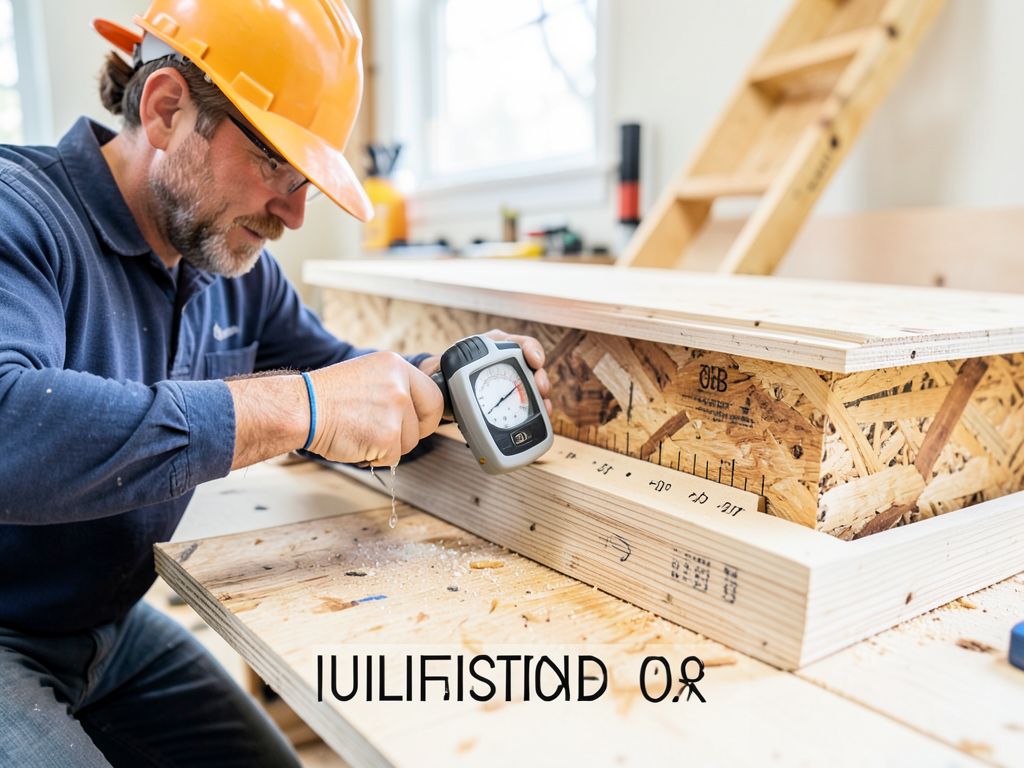
Both materials meet Kentucky Residential Code requirements when installed at minimum 7/16-inch thickness for roof sheathing. However, their performance characteristics differ significantly in Louisville’s climate. Reliable residential roofing specialists serving Jeffersonville and Clarksville.
The Louisville Climate Factor: Humidity and Moisture Resistance
Louisville’s average relative humidity ranges from 60-70% throughout the year, with summer months often exceeding 75%. This persistent moisture exposure creates conditions where edge swelling becomes a critical factor in material selection.
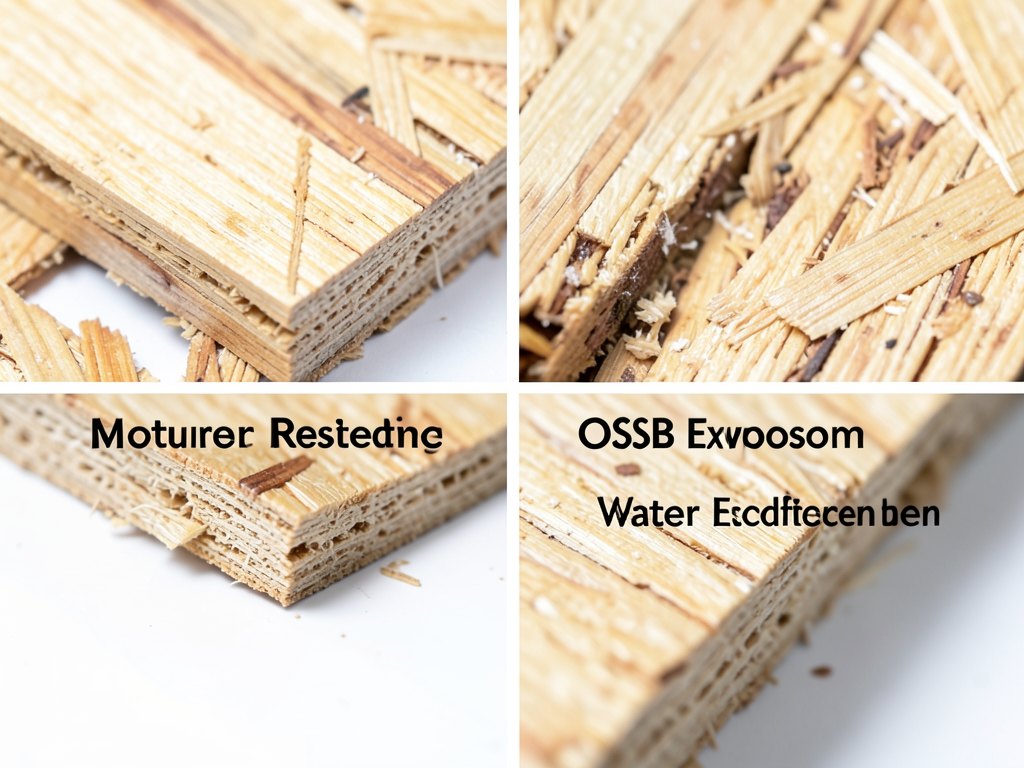
Plywood absorbs water more slowly than OSB due to its layered construction and natural wood grain. When exposed to moisture, plywood typically swells less than 1/8 inch at the edges, while OSB can swell up to 1/4 inch or more. This swelling creates visible ridges at panel joints that telegraph through roofing materials. Roofing Owensboro.
Testing moisture content on job sites reveals another key difference. Using a moisture meter, technicians consistently find plywood panels return to acceptable moisture levels (below 15%) within 24-48 hours after rain exposure. OSB panels often require 3-5 days to achieve similar drying rates.
The freeze-thaw cycles common in Kentucky winters compound these moisture issues. Water trapped in OSB’s compressed wood strands expands when frozen, potentially causing internal delamination that isn’t visible until the roof fails.. Read more about Solving the Common Ventilation Issues in Okolona Split Level Homes.
Cost Comparison: Upfront Price vs. Long-term Value in Kentucky
Current 2026 pricing shows OSB typically costs 15-20% less per 4×8 sheet than comparable plywood grades. For a standard 2,000-square-foot roof requiring approximately 40 sheets, this translates to $200-300 in immediate savings.
However, installation costs often offset these savings. OSB’s greater weight (approximately 2.5 pounds more per sheet) increases labor time and requires more fasteners per panel. The APA (Engineered Wood Association) recommends 20% more nails for OSB than plywood on the same span. APA (Engineered Wood Association).
Insurance considerations also factor into long-term value. Some Louisville insurance providers offer premium credits for homes using plywood due to its superior moisture resistance and reduced claim history for water damage.
Durability and Structural Integrity: Fastener Strength and Weight Limits
OSB demonstrates superior shear strength compared to plywood, making it ideal for areas requiring high structural integrity. The APA rates OSB at approximately 7% higher shear values than equivalent plywood grades.
However, fastener withdrawal resistance tells a different story. Testing shows plywood holds nails and screws 10-15% better than OSB in the same wood density. This becomes critical in Louisville’s wind-prone areas where uplift forces during storms test roof attachment systems.
Weight considerations affect both installation and structural loading. OSB’s higher density (42-50 pounds per sheet versus plywood’s 37-45 pounds) requires stronger roof framing in some cases. For homes near the Ohio River where heavy snow loads occasionally occur, this weight difference matters.. Read more about Why the extreme Ohio River Valley humidity can cause your roof to age faster than normal.
The APA’s span rating tables show both materials can span identical distances when properly installed, but OSB requires closer fastener spacing in high-wind zones common to parts of Jefferson County.
Installation Pros and Cons: A Roofer’s Perspective
From a practical installation standpoint, OSB’s consistent thickness and lack of voids makes it easier to cut and install quickly. The uniform surface also provides better substrate for certain underlayment types.
Plywood’s natural wood variations can create minor surface irregularities that require additional preparation. However, plywood’s lighter weight reduces installer fatigue during long roofing projects, particularly important during Louisville’s hot summer months. Roofing Elizabethtown.
Edge sealing becomes critical for both materials but more so for OSB. The APA recommends sealing all cut edges with water-resistant paint or sealant, a step often overlooked on job sites that leads to premature edge deterioration.
Storage requirements differ significantly. OSB absorbs moisture from humidity even when stacked, requiring covered storage and prompt installation. Plywood tolerates brief exposure to weather better, though neither material should remain uncovered during rain.
Building Codes in Louisville: What You Need to Know
The Kentucky Residential Code adopts the 2021 International Residential Code with state-specific amendments. Section R803.1 requires minimum 7/16-inch wood structural panel roof sheathing for spans up to 24 inches on center. International Code Council.
For Louisville’s wind exposure category, the International Building Code requires additional fastening when basic wind speeds exceed 90 mph. Most of Jefferson County falls in the 90-100 mph range, requiring 8d common nails at 6 inches on center at panel edges.
Exposure 1 rating, required for both materials in roof applications, ensures panels withstand moisture during normal construction delays. However, neither material should remain exposed to weather for extended periods, as prolonged moisture exposure voids most manufacturer warranties.
Local inspections in areas like St. Matthews and the Highlands often focus on proper H-clip installation between panels. These clips prevent panel edges from sagging between trusses and maintain the required 1/8-inch expansion gap.
Final Verdict: Which Material Should You Choose?
For most Louisville homeowners, plywood represents the better long-term investment despite higher upfront costs. The material’s superior moisture resistance, faster drying times, and better fastener retention provide crucial advantages in our humid climate.
Choose OSB when budget constraints are primary and you’re comfortable with more frequent roof inspections. OSB works well for homes in newer developments with proper attic ventilation and when installed by experienced contractors who understand its moisture management requirements.
Consider your home’s specific location within Louisville. Properties near the Ohio River or in low-lying areas with poor drainage benefit more from plywood’s moisture resistance. Homes in newer subdivisions with modern drainage systems can often use OSB successfully.
Neither material performs well without proper installation. Ensure your contractor understands the specific requirements for your chosen material, including proper fastening patterns, edge sealing, and underlayment compatibility.
Call (502) 678-7557 today to schedule your inspection. Our Louisville-based team will evaluate your specific situation and recommend the best decking material for your home’s protection and your budget.
Frequently Asked Questions
Which material lasts longer in Louisville’s climate?
Plywood typically outlasts OSB in Louisville’s humid conditions due to better moisture resistance and faster drying times. However, both materials can last 30+ years when properly installed with adequate ventilation.
Does insurance cost more with OSB versus plywood?
Some Louisville insurance providers offer premium credits for plywood due to its superior moisture resistance and lower claim history. Check with your specific provider about material-based rate differences.
Can I mix plywood and OSB on the same roof?
While technically possible, mixing materials creates different expansion and contraction rates that can cause telegraphing through shingles. Most manufacturers void warranties if different materials are used on the same roof plane.
What thickness is required for roof decking in Louisville?
The Kentucky Residential Code requires minimum 7/16-inch thickness for roof sheathing on spans up to 24 inches. Some areas or specific applications may require 19/32-inch or 5/8-inch thickness.
How does material choice affect shingle warranties?
Most major shingle manufacturers honor warranties regardless of whether plywood or OSB is used, provided the decking meets minimum thickness requirements and proper installation procedures are followed.
{
“@context”: “https://schema.org”,
“@type”: “BlogPosting”,
“headline”: “Plywood versus OSB (Deciding on the Right Roof Decking for Your Kentucky Home)”,
“description”: “Comparing plywood vs OSB roof decking for Louisville homes. Learn moisture resistance, structural strength, cost differences, and local building code requirements from Kentucky experts.”,
“wordCount”: 1339,
“datePublished”: “2026-05-10T08:48:00.000Z”,
“dateModified”: “2026-05-10T08:48:00.000Z”,
“inLanguage”: “en-US”,
“mainEntityOfPage”: {
“@type”: “WebPage”,
“@id”: “https://fortressroofinglouisville.com”
},
“publisher”: {
“@type”: “LocalBusiness”,
“name”: “Fortress Roofing Louisville”,
“url”: “https://fortressroofinglouisville.com”
},
“author”: {
“@type”: “Organization”,
“name”: “Fortress Roofing Louisville”,
“url”: “https://fortressroofinglouisville.com”
},
“image”: {
“@type”: “ImageObject”,
“url”: “https://fortressroofinglouisville.com/wp-content/uploads/2026/03/plywood-versus-osb-deciding-on-the-right-roof-deck-1.png”
}
}
{
“@context”: “https://schema.org”,
“@type”: “RoofingContractor”,
“name”: “Fortress Roofing Louisville”,
“url”: “https://fortressroofinglouisville.com”,
“address”: {
“@type”: “PostalAddress”,
“addressLocality”: “Louisville”
},
“areaServed”: {
“@type”: “City”,
“name”: “Louisville”
}
}
{
“@context”: “https://schema.org”,
“@type”: “FAQPage”,
“mainEntity”: [
{
“@type”: “Question”,
“name”: “Understanding the Basics: What are Plywood and OSB?”,
“acceptedAnswer”: {
“@type”: “Answer”,
“text”: “Plywood consists of thin wood veneers layered with alternating grain directions and bonded with waterproof adhesive. This cross-grain construction gives plywood its dimensional stability and resistance to warping. CDX plywood, the most common grade for roofing, features a C-grade face and D-grade back with exterior glue. The most trusted roofing services in Germantown and Schnitzelburg.”
}
},
{
“@type”: “Question”,
“name”: “Final Verdict: Which Material Should You Choose?”,
“acceptedAnswer”: {
“@type”: “Answer”,
“text”: “For most Louisville homeowners, plywood represents the better long-term investment despite higher upfront costs. The material’s superior moisture resistance, faster drying times, and better fastener retention provide crucial advantages in our humid climate.”
}
},
{
“@type”: “Question”,
“name”: “Which material lasts longer in Louisville’s climate?”,
“acceptedAnswer”: {
“@type”: “Answer”,
“text”: “Plywood typically outlasts OSB in Louisville’s humid conditions due to better moisture resistance and faster drying times. However, both materials can last 30+ years when properly installed with adequate ventilation.”
}
},
{
“@type”: “Question”,
“name”: “Does insurance cost more with OSB versus plywood?”,
“acceptedAnswer”: {
“@type”: “Answer”,
“text”: “Some Louisville insurance providers offer premium credits for plywood due to its superior moisture resistance and lower claim history. Check with your specific provider about material-based rate differences.”
}
},
{
“@type”: “Question”,
“name”: “Can I mix plywood and OSB on the same roof?”,
“acceptedAnswer”: {
“@type”: “Answer”,
“text”: “While technically possible, mixing materials creates different expansion and contraction rates that can cause telegraphing through shingles. Most manufacturers void warranties if different materials are used on the same roof plane.”
}
},
{
“@type”: “Question”,
“name”: “What thickness is required for roof decking in Louisville?”,
“acceptedAnswer”: {
“@type”: “Answer”,
“text”: “The Kentucky Residential Code requires minimum 7/16-inch thickness for roof sheathing on spans up to 24 inches. Some areas or specific applications may require 19/32-inch or 5/8-inch thickness.”
}
},
{
“@type”: “Question”,
“name”: “How does material choice affect shingle warranties?”,
“acceptedAnswer”: {
“@type”: “Answer”,
“text”: “Most major shingle manufacturers honor warranties regardless of whether plywood or OSB is used, provided the decking meets minimum thickness requirements and proper installation procedures are followed.”
}
}
]
}
{
“@context”: “https://schema.org”,
“@type”: “BreadcrumbList”,
“itemListElement”: [
{
“@type”: “ListItem”,
“position”: 1,
“name”: “Home”,
“item”: “https://fortressroofinglouisville.com”
},
{
“@type”: “ListItem”,
“position”: 2,
“name”: “Blog”,
“item”: “https://fortressroofinglouisville.com/blog”
},
{
“@type”: “ListItem”,
“position”: 3,
“name”: “Plywood versus OSB (Deciding on the Right Roof Decking for Your Kentucky Home)”
}
]
}
{
“@context”: “https://schema.org”,
“@type”: “Service”,
“serviceType”: “Roofing”,
“provider”: {
“@type”: “LocalBusiness”,
“name”: “Fortress Roofing Louisville”,
“url”: “https://fortressroofinglouisville.com”
},
“areaServed”: {
“@type”: “City”,
“name”: “Louisville”
},
“description”: “Comparing plywood vs OSB roof decking for Louisville homes. Learn moisture resistance, structural strength, cost differences, and local building code requirements from Kentucky experts.”
}