
Planning a dormer addition in St. Matthews requires understanding local codes, structural demands, and Kentucky climate factors
Adding a dormer to your Cape Cod home in St. Matthews creates valuable living space but demands careful planning around Louisville’s building codes and weather patterns. The 40207 zip code contains hundreds of classic 1.5-story Cape Cod homes built between 1940 and 1970, each with unique structural considerations when expanding upward. Before construction begins, homeowners must navigate Jefferson County permitting, evaluate roof framing capacity, and select dormer styles that complement St. Matthews’ historic character while meeting modern building standards. Louisville Metro Department of Codes & Regulations.
St. Matthews experiences high humidity levels averaging 70% annually, creating moisture management challenges that generic dormer designs often overlook. The freeze-thaw cycles common in Kentucky winters cause expansion and contraction in roofing materials, making proper flashing and ventilation critical for long-term performance. Local building inspectors particularly scrutinize dormer installations in neighborhoods like Cherokee Gardens and Rolling Fields, where architectural consistency maintains property values across the community. Kentucky Residential Code.
Structural engineers evaluate several factors before approving dormer plans: existing rafter spacing, ceiling joist capacity, and the ability to maintain proper roof pitch after modification. Most St. Matthews Cape Cods feature 2×6 rafters on 16-inch centers, which may require reinforcement when supporting additional wall loads from a shed dormer. The Louisville Metro Department of Codes & Regulations requires engineered drawings for any structural modification exceeding 50 square feet, with specific attention to load distribution and tie-in methods that prevent future roof sagging or separation.. Read more about Why You Should Get a Roof Specific Inspection Before Buying a Home in Fern Creek.
Understanding dormer types and their impact on Cape Cod functionality
Shed dormers maximize interior space by extending across the entire roof slope, creating enough headroom for full-size furniture and standing areas. This style works well for master suite additions where closet space and bathroom fixtures need adequate clearance. Gabled or doghouse dormers maintain traditional Cape Cod aesthetics with their peaked roof lines but provide less usable floor area due to sloped interior walls. The choice between styles affects both construction costs and the home’s eventual resale value in St. Matthews’ competitive housing market.. Read more about Why Modern Shed Style Roof Additions in the Highlands Leak More Often.
Structural considerations begin with evaluating the existing roof’s ability to support additional loads. Most Cape Cod homes in the 40207 area use 2×6 rafters at 16-inch centers, which may require sistering or additional support when adding a dormer. The floor system underneath must also support the new living space, often requiring joist reinforcement or a new beam installation where walls will be removed to create the open stairwell.
Roof pitch significantly impacts dormer design. A 12:12 pitch allows for taller dormers with less visual impact, while lower pitches like 6:12 require more careful integration to maintain structural integrity. The Louisville climate, with its heavy spring rains and occasional snow accumulation, demands proper water shedding around dormer intersections. Valley flashing must extend at least 12 inches beyond the dormer sides, and step flashing should overlap by a minimum of 4 inches per International Residential Code requirements. Reliable residential roofing specialists serving Jeffersonville and Clarksville.
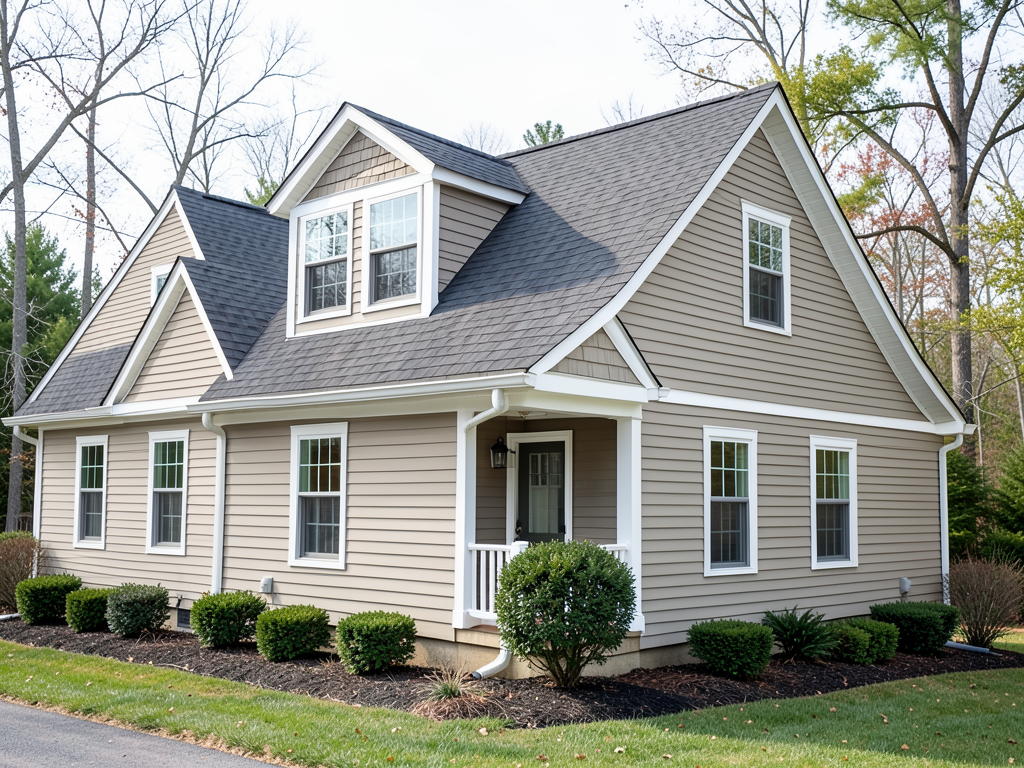
Diagram showing proper flashing installation at dormer-wall intersections with overlapping step flashing and valley diverter details.
Navigating the Louisville permit process for attic expansions
The Louisville Metro Department of Codes & Regulations requires building permits for dormer additions, with fees based on project scope and valuation. Most dormer projects in St. Matthews fall under the $5,000 to $15,000 permit fee range, depending on whether structural engineering stamps are required. The review process typically takes 2-3 weeks, during which plans are checked for compliance with Kentucky Residential Code Chapter 6 requirements for roof construction and load-bearing elements.
Jefferson County zoning regulations affect dormer height and projection. Structures cannot extend more than 2 feet above the existing ridge line without special variance approval. Side setbacks of 5 feet from property lines apply to all additions, though existing non-conforming conditions may grandfather certain limitations. The St. Matthews architectural review board reviews proposals in historic districts to ensure new construction maintains neighborhood character.
Permit requirements include detailed framing plans showing rafter and joist sizes, foundation connections, and tie-down hardware specifications. Inspectors verify that all structural modifications meet wind load requirements for Louisville’s 90-115 mph wind zone classification. Ice and water shield installation becomes mandatory in dormer valleys and along eaves where snow accumulation creates potential for ice dam formation.
Cost considerations specific to the Louisville construction market
Dormer additions in St. Matthews typically range from $45,000 to $85,000 for standard shed dormers, with premium materials and complex structural modifications pushing costs toward $120,000. Labor rates in Louisville average $75 to $95 per hour for skilled carpenters, while roofing specialists command $85 to $110 per hour for work involving synthetic slate or specialty flashing details. Material costs fluctuate based on lumber prices, which have shown 15-20% volatility in Kentucky’s construction market over the past three years. The most trusted roofing services in Germantown and Schnitzelburg.
ROI analysis for St. Matthews properties shows dormer additions recoup 65-75% of investment upon resale, with higher returns in neighborhoods like Bowman Field and Dorset where expanded square footage commands premium prices. The addition of a second bathroom or master suite through dormer expansion can increase property values by $30,000 to $50,000 in the current Louisville market. Energy efficiency improvements from proper insulation and ventilation often qualify for utility rebates through Louisville Gas & Electric’s home efficiency programs.
Hidden costs frequently catch homeowners by surprise. Structural repairs to existing framing, asbestos testing in homes built before 1980, and temporary housing during construction can add 15-25% to initial budgets. St. Matthews’ older housing stock often reveals rot or termite damage once walls are opened, requiring remediation before new construction proceeds. Contingency planning of at least 10% of the total budget helps absorb these unexpected expenses. Commercial flat roof repair and maintenance for business owners in NuLu.
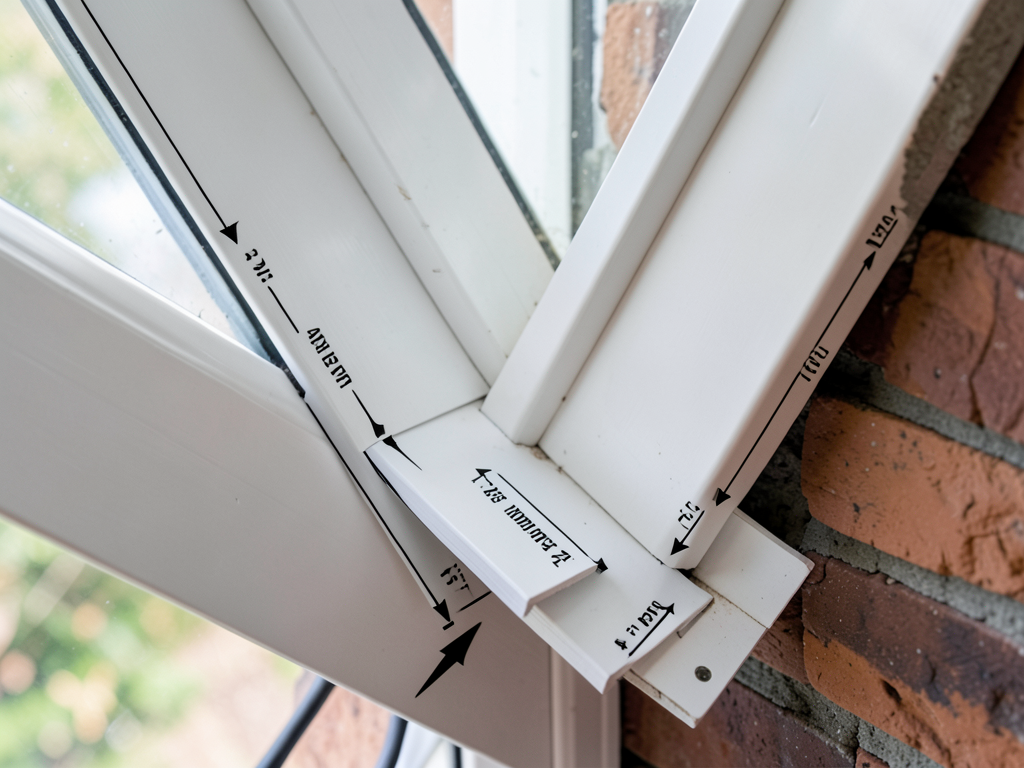
Photo showing a completed shed dormer addition on a Cape Cod home in St. Matthews, demonstrating proper roof integration and matching exterior materials.
Construction timeline and what to expect during the building process
Typical dormer projects in St. Matthews require 6-8 weeks from permit approval to final inspection, though weather delays can extend timelines during Kentucky’s stormy spring season. The process begins with demolition of existing roof sections, followed by structural framing and sheathing installation. Roofers install underlayment and flashing before applying the final roofing material, ensuring all penetrations are properly sealed against Louisville’s heavy rainfall patterns. Roofing Owensboro.
Interior work proceeds simultaneously with exterior construction, including insulation installation meeting Kentucky’s current R-38 attic floor and R-49 ceiling requirements. HVAC modifications accommodate the new space, often requiring additional ductwork or a small supplemental system to maintain consistent temperatures. Electrical upgrades must meet National Electrical Code requirements for bedroom circuits, including AFCI protection on all outlets.
Final inspections verify structural integrity, electrical safety, and compliance with energy codes. Louisville inspectors check that all smoke detectors are interconnected, that egress windows meet emergency escape requirements, and that proper vapor barriers are installed in the new walls. The certificate of occupancy allows homeowners to move into their expanded space, though warranty work may continue for several months as contractors address any settling or minor adjustments.
Climate considerations for Louisville’s unique weather patterns
St. Matthews’ location in the Ohio Valley creates specific challenges for dormer construction. High humidity levels promote algae and moss growth on north-facing dormer walls, requiring algae-resistant shingles or periodic cleaning to maintain appearance. The area’s clay soil expands and contracts with moisture changes, potentially causing foundation movement that stresses roof connections over time.
Winter weather brings freeze-thaw cycles that can damage improperly flashed dormer joints. Ice dam formation occurs when attic heat melts snow on the roof, which then refreezes at the eaves, backing up under shingles. Proper insulation and ventilation prevent this cycle, with ridge vents and soffit vents maintaining consistent attic temperatures. The International Residential Code requires ice and water shield extending at least 24 inches past the interior wall line in Louisville’s climate zone.
Spring storms in Louisville produce wind gusts exceeding 70 mph, testing the durability of dormer connections. Hurricane ties and proper nailing patterns become essential for preventing uplift damage. The 2021 Kentucky windstorm that damaged thousands of roofs highlighted the importance of following manufacturer specifications for fastener spacing and edge nailing requirements in high-wind areas.. Read more about The Importance of Chimney Crickets for Preventing Water Damage in Large Anchorage Estates.
Matching existing materials and maintaining architectural integrity
Successful dormer additions in St. Matthews blend seamlessly with original Cape Cod architecture. This requires sourcing matching siding materials, whether original wood clapboard or later vinyl replacement. Roofers must match existing shingle styles and colors, often requiring partial roof replacement to ensure consistent weathering patterns. The Louisville area’s historic districts may require approval from architectural review boards before exterior material changes proceed.
Window selection impacts both aesthetics and energy efficiency. Double-hung windows maintain traditional Cape Cod appearance while providing modern thermal performance. Egress requirements for bedrooms may necessitate larger window sizes than original designs included, requiring careful framing modifications that preserve exterior symmetry. Low-E glass coatings reduce heat gain during Louisville’s hot summers while maintaining historic appearances.
Exterior trim details distinguish quality dormer work from basic additions. Crown molding at the dormer-roof intersection, properly proportioned window surrounds, and matching soffit and fascia materials create cohesive appearances. Paint colors should complement existing schemes while meeting any historic district guidelines. The St. Matthews area features many homes with original limestone foundations, requiring special attention to material transitions at grade level.
Close-up photo showing proper step flashing installation around a dormer window, with each piece overlapping the previous by at least 4 inches as required by building codes.
Energy efficiency and insulation requirements for Kentucky climate
Kentucky’s climate zone 4 requirements mandate specific insulation levels for new construction and major renovations. Dormer additions must meet current standards, typically requiring R-38 insulation in ceilings and R-13 to R-15 in exterior walls. Spray foam insulation provides superior air sealing around dormer connections where traditional batts may leave gaps. The thermal envelope must remain continuous across the addition to prevent condensation and energy loss.
Ventilation becomes critical in confined dormer spaces where heat and moisture can accumulate. Powered attic ventilators or ridge vents with proper soffit intake prevent temperature stratification that leads to ice dams and premature material degradation. Louisville’s humid summers make dehumidification capacity an important consideration for finished dormer spaces, often requiring supplemental systems beyond central air conditioning.
Window performance ratings affect both comfort and energy costs. U-factor ratings below 0.30 and solar heat gain coefficients appropriate for Kentucky’s climate zone 4 reduce cooling loads while maintaining natural light. Low-E coatings reflect infrared radiation while allowing visible light transmission, reducing glare and UV damage to interior finishes. Proper installation with sealed units prevents condensation that can damage window frames and surrounding materials.
Making the right decision for your St. Matthews home
Dormer additions represent significant investments that permanently alter your home’s structure and appearance. Success depends on thorough planning, quality craftsmanship, and attention to Louisville’s specific building requirements. The most successful projects begin with professional assessments of existing conditions, detailed design development, and clear communication about expectations and limitations.
Homeowners should interview multiple contractors with specific experience in Cape Cod modifications and Louisville permitting processes. Verify references from similar projects in St. Matthews or nearby neighborhoods like Beechwood and Norbourne Estates. Quality contractors provide detailed proposals outlining materials, timelines, and warranty coverage specific to dormer construction.
Consider how the addition fits your long-term plans. A well-executed dormer can provide 15-20 years of comfortable living space while increasing property value. However, structural modifications are permanent, making initial decisions about design, materials, and contractor selection crucial for satisfaction with the final result.
Frequently Asked Questions
How long does it take to get permits for a dormer addition in St. Matthews?
Permit review typically takes 2-3 weeks for standard dormer projects in St. Matthews. Complex structural modifications requiring engineering stamps may extend review to 4-6 weeks. The Louisville Metro Department of Codes & Regulations processes applications in the order received, with seasonal volume affecting processing times.
Do I need a structural engineer for my dormer project?
Projects exceeding 50 square feet of structural modification require engineered drawings per Louisville Metro requirements. Most dormer additions fall into this category due to load-bearing wall modifications and roof framing changes. Engineers verify that existing structures can support additional loads and specify proper connection methods.
Can I match my existing roof shingles on the new dormer?
Matching existing shingles becomes difficult due to weathering and color fading over time. Most successful projects involve partial roof replacement to ensure consistent appearance. Some manufacturers offer color-matching services, though perfect matches rarely occur with weathered materials exposed to Louisville’s climate for 10+ years.
What happens if we discover damage during construction?
Contractors should include provisions in contracts for unexpected conditions like rot, termite damage, or structural deficiencies. These discoveries often require additional work before new construction proceeds. Quality contractors communicate issues promptly and provide options for remediation while maintaining project schedules as much as possible.
How do I choose between a shed dormer and a gabled dormer?
Shed dormers maximize usable floor space and work well for master suites or home offices. Gabled dormers maintain traditional Cape Cod aesthetics but provide less interior volume. The choice depends on your space requirements, budget constraints, and how visible the addition appears from the street in your St. Matthews neighborhood.
Ready to expand your Cape Cod home in St. Matthews?
Adding a dormer requires expertise in structural engineering, Louisville building codes, and Kentucky weather considerations. Our team has completed dozens of successful dormer additions throughout St. Matthews and surrounding areas, understanding the unique challenges of expanding historic Cape Cod homes while maintaining their architectural integrity.
Don’t risk structural problems or code violations with inexperienced contractors. We provide detailed assessments, engineered drawings when required, and complete project management from permit application through final inspection. Our work includes comprehensive warranties covering both materials and craftsmanship.
Call (502) 678-7557 today to schedule your free consultation. We’ll evaluate your existing structure, discuss design options, and provide accurate cost estimates specific to your St. Matthews property. Take the first step toward creating the additional living space your family needs while protecting your home’s value and structural integrity. Protecting your Lake Louisvilla home from high winds and waterfront humidity.
Pick up the phone and call (502) 678-7557 before the next storm season hits. Louisville’s weather won’t wait, and neither should you when it comes to expanding your home safely and properly.
You may also find this helpful. Plywood versus OSB (Deciding on the Right Roof Decking for Your Kentucky Home).
{
“@context”: “https://schema.org”,
“@type”: “BlogPosting”,
“headline”: “Everything You Should Know Before Adding a Dormer to Your Cape Cod Home in St. Matthews”,
“description”: “Planning a dormer addition in St. Matthews? Learn about structural requirements, permits, costs, and local building codes for Cape Cod expansions in Louisville.”,
“wordCount”: 2410,
“datePublished”: “2026-04-28T08:24:00.000Z”,
“dateModified”: “2026-04-28T08:24:00.000Z”,
“inLanguage”: “en-US”,
“mainEntityOfPage”: {
“@type”: “WebPage”,
“@id”: “https://fortressroofinglouisville.com”
},
“publisher”: {
“@type”: “LocalBusiness”,
“name”: “Fortress Roofing Louisville”,
“url”: “https://fortressroofinglouisville.com”
},
“author”: {
“@type”: “Organization”,
“name”: “Fortress Roofing Louisville”,
“url”: “https://fortressroofinglouisville.com”
},
“image”: {
“@type”: “ImageObject”,
“url”: “https://fortressroofinglouisville.com/wp-content/uploads/2026/03/everything-you-should-know-before-adding-a-dormer-1.png”
}
}
{
“@context”: “https://schema.org”,
“@type”: “RoofingContractor”,
“name”: “Fortress Roofing Louisville”,
“url”: “https://fortressroofinglouisville.com”,
“address”: {
“@type”: “PostalAddress”,
“addressLocality”: “Louisville”
},
“areaServed”: {
“@type”: “City”,
“name”: “Louisville”
}
}
{
“@context”: “https://schema.org”,
“@type”: “FAQPage”,
“mainEntity”: [
{
“@type”: “Question”,
“name”: “How long does it take to get permits for a dormer addition in St. Matthews?”,
“acceptedAnswer”: {
“@type”: “Answer”,
“text”: “Permit review typically takes 2-3 weeks for standard dormer projects in St. Matthews. Complex structural modifications requiring engineering stamps may extend review to 4-6 weeks. The Louisville Metro Department of Codes & Regulations processes applications in the order received, with seasonal volume affecting processing times.”
}
},
{
“@type”: “Question”,
“name”: “Do I need a structural engineer for my dormer project?”,
“acceptedAnswer”: {
“@type”: “Answer”,
“text”: “Projects exceeding 50 square feet of structural modification require engineered drawings per Louisville Metro requirements. Most dormer additions fall into this category due to load-bearing wall modifications and roof framing changes. Engineers verify that existing structures can support additional loads and specify proper connection methods.”
}
},
{
“@type”: “Question”,
“name”: “Can I match my existing roof shingles on the new dormer?”,
“acceptedAnswer”: {
“@type”: “Answer”,
“text”: “Matching existing shingles becomes difficult due to weathering and color fading over time. Most successful projects involve partial roof replacement to ensure consistent appearance. Some manufacturers offer color-matching services, though perfect matches rarely occur with weathered materials exposed to Louisville’s climate for 10+ years.”
}
},
{
“@type”: “Question”,
“name”: “What happens if we discover damage during construction?”,
“acceptedAnswer”: {
“@type”: “Answer”,
“text”: “Contractors should include provisions in contracts for unexpected conditions like rot, termite damage, or structural deficiencies. These discoveries often require additional work before new construction proceeds. Quality contractors communicate issues promptly and provide options for remediation while maintaining project schedules as much as possible.”
}
},
{
“@type”: “Question”,
“name”: “How do I choose between a shed dormer and a gabled dormer?”,
“acceptedAnswer”: {
“@type”: “Answer”,
“text”: “Shed dormers maximize usable floor space and work well for master suites or home offices. Gabled dormers maintain traditional Cape Cod aesthetics but provide less interior volume. The choice depends on your space requirements, budget constraints, and how visible the addition appears from the street in your St. Matthews neighborhood.”
}
},
{
“@type”: “Question”,
“name”: “Ready to expand your Cape Cod home in St. Matthews?”,
“acceptedAnswer”: {
“@type”: “Answer”,
“text”: “Adding a dormer requires expertise in structural engineering, Louisville building codes, and Kentucky weather considerations. Our team has completed dozens of successful dormer additions throughout St. Matthews and surrounding areas, understanding the unique challenges of expanding historic Cape Cod homes while maintaining their architectural integrity.”
}
}
]
}
{
“@context”: “https://schema.org”,
“@type”: “BreadcrumbList”,
“itemListElement”: [
{
“@type”: “ListItem”,
“position”: 1,
“name”: “Home”,
“item”: “https://fortressroofinglouisville.com”
},
{
“@type”: “ListItem”,
“position”: 2,
“name”: “Blog”,
“item”: “https://fortressroofinglouisville.com/blog”
},
{
“@type”: “ListItem”,
“position”: 3,
“name”: “Everything You Should Know Before Adding a Dormer to Your Cape Cod Home in St. Matthews”
}
]
}
{
“@context”: “https://schema.org”,
“@type”: “Service”,
“serviceType”: “Roofing”,
“provider”: {
“@type”: “LocalBusiness”,
“name”: “Fortress Roofing Louisville”,
“url”: “https://fortressroofinglouisville.com”
},
“areaServed”: {
“@type”: “City”,
“name”: “Louisville”
},
“description”: “Planning a dormer addition in St. Matthews? Learn about structural requirements, permits, costs, and local building codes for Cape Cod expansions in Louisville.”
}