
Why your Valley Station attic feels like an oven and how your roof might be the problem
Your attic should never feel like a sauna. If you climb into your Valley Station attic during summer and the heat hits you like a wall, something is seriously wrong with your roof ventilation system. That trapped heat doesn’t just make your upstairs bedrooms uncomfortable—it’s driving up your energy bills, shortening your roof’s lifespan, and creating perfect conditions for mold growth in Kentucky’s humid climate. Valley Leak Repair.
Many Valley Station homeowners blame their air conditioning when the real culprit is sitting right above their heads. Poor attic ventilation allows heat to build up to dangerous levels, sometimes reaching 150°F or higher on sunny summer days. This creates a vicious cycle: your AC runs constantly trying to cool your living space while the attic radiates heat back down through the ceiling.
The solution isn’t always more insulation—it’s often better airflow. Understanding how your attic ventilation system works (or doesn’t work) can save you thousands in energy costs and prevent premature roof replacement. Let’s examine why your Valley Station home might be suffering from this common but fixable problem.
Understanding the stack effect in your Valley Station home
Your attic operates on a simple principle: hot air rises and needs somewhere to escape. When this natural airflow is blocked, heat becomes trapped like steam in a pressure cooker. This is especially problematic in Valley Station where summer temperatures regularly exceed 90°F and humidity levels create a heat index that feels even hotter.
Proper attic ventilation requires a balanced system of intake and exhaust vents. Soffit vents along your eaves draw in cool air while ridge vents or powered fans push hot air out through the roof peak. When this balance is disrupted, your attic becomes an oven that bakes your shingles from below.
During Louisville’s humid summers, trapped moisture becomes another enemy. Water vapor from your living space rises through ceiling penetrations and condenses on cool attic surfaces. This creates the perfect breeding ground for mold, which can spread rapidly in the Ohio River Valley’s damp conditions.
Common ventilation problems in Valley Station homes
Many Valley Station homes built before 2010 have inadequate ventilation systems that fail to meet current Kentucky Residential Code requirements. The most common issues we see include blocked soffit vents, undersized ridge vents, and missing or damaged baffles that prevent proper airflow. Reliable residential roofing specialists serving Jeffersonville and Clarksville.
Attic inspections often reveal surprising problems. We frequently find insulation stuffed into soffit areas, preventing cool air from entering. Some homes have multiple types of vents that actually work against each other, creating dead zones where heat and moisture accumulate.
The freeze-thaw cycles common in Kentucky winters create additional stress on poorly ventilated attics. Ice dams form when warm attic air melts snow on the roof, which then refreezes at the colder eaves. This can force water under shingles and cause leaks that damage ceilings and walls.
How to diagnose your attic ventilation issues
Before calling a professional, you can perform a simple diagnostic test. On a sunny afternoon, touch your ceiling in several rooms. If certain areas feel noticeably warmer than others, you likely have hot spots indicating poor ventilation above those spaces.
Another telltale sign is excessive dust accumulation on ceiling fan blades or light fixtures. This happens when your HVAC system runs constantly trying to compensate for heat radiating down from the attic. You might also notice your second floor is always 5-10°F warmer than the first floor, even with the AC running.
During winter, check your roof after snowfall. If snow melts faster on certain sections while remaining on others, those warmer areas indicate heat escaping through poor ventilation. You might also see icicles forming along eaves, another sign of ice damming.
The cost of ignoring attic ventilation problems
Many Valley Station homeowners don’t realize how much money they’re losing through poor attic ventilation. Energy Star estimates that proper ventilation can reduce cooling costs by 10-15% annually. For a typical Louisville home, that’s $200-400 in savings during just the summer months.
Your roof also pays the price. Asphalt shingles in Kentucky’s climate typically last 15-20 years with proper ventilation. Without it, premature aging can reduce that lifespan by 30-40%, meaning you might need a new roof years earlier than necessary.
Moisture damage creates another expensive problem. Mold remediation in attics can cost $2,000-5,000 or more, depending on the extent of growth. Structural repairs from long-term moisture exposure can easily double that cost. EPA mold prevention guidelines.
Ventilation solutions for Valley Station homes
The most effective solution often combines passive and active ventilation systems. Ridge vents provide continuous exhaust along the entire roof peak, while properly sized soffit vents ensure adequate intake. For homes with complex rooflines or severe ventilation issues, powered attic fans can dramatically improve airflow.
Solar-powered attic fans have become increasingly popular in recent years. These units run automatically when sunlight hits your roof, providing ventilation without adding to your electric bill. Many homeowners see a complete return on investment within 2-3 summers through energy savings.
For historic Valley Station homes with limited roof space, turbine vents offer another option. These spinning vents use wind power to pull hot air out of the attic, working even when there’s no direct sunlight.
Understanding Net Free Area requirements
Building codes specify minimum ventilation requirements based on your attic’s square footage. The general rule is 1 square foot of Net Free Area (NFA) ventilation for every 150 square feet of attic space. However, if your home has a vapor barrier installed, this requirement can be reduced to 1:300.
Many Valley Station homes fall short of these requirements. A typical 1,500 square foot attic needs at least 10 square feet of total ventilation, split evenly between intake and exhaust. When we inspect older homes, we often find they have less than half the required ventilation.
Calculating your home’s specific needs requires measuring your attic space and accounting for factors like roof pitch and local climate conditions. Homes in the Ohio River Valley often need slightly more ventilation than homes in drier climates due to our higher humidity levels.
Professional ventilation assessment process
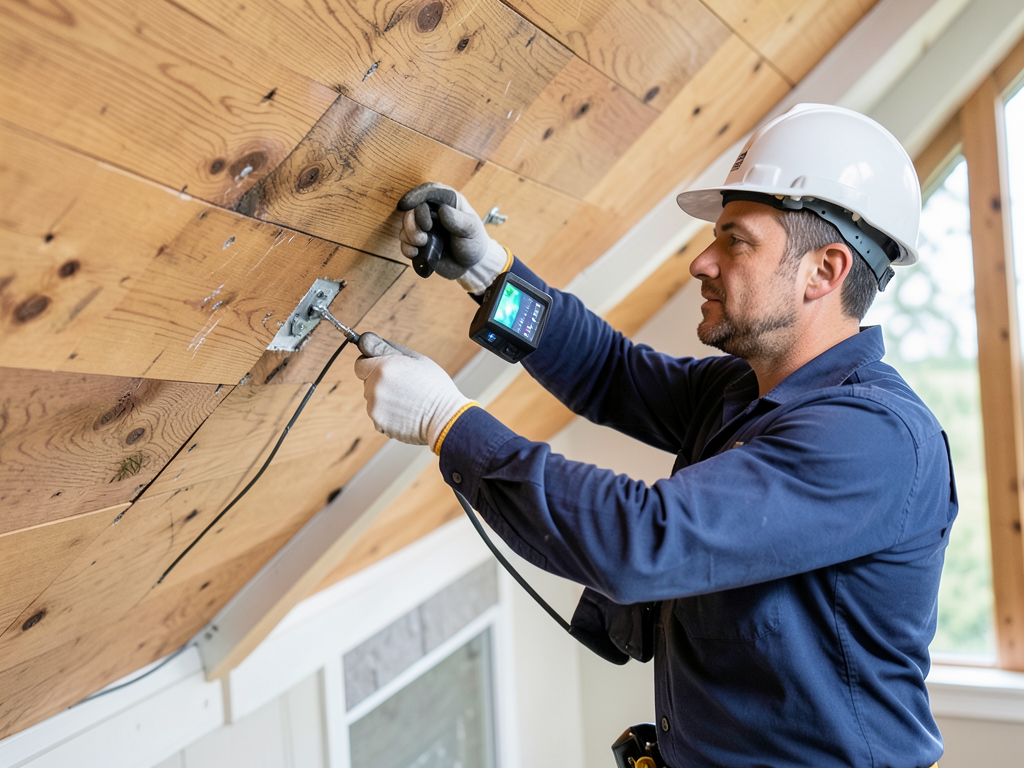
A thorough attic ventilation assessment involves more than just counting vents. We use thermal imaging cameras to identify hot spots and moisture patterns that aren’t visible to the naked eye. This technology reveals exactly where your ventilation system is failing.
We also measure temperature differentials between your attic and the outdoors. On a 90°F day, a properly ventilated attic should stay within 10-15°F of the outside temperature. Readings 30°F or higher indicate serious ventilation problems.
Our assessment includes checking for proper insulation levels, examining ductwork for leaks, and evaluating your current ventilation components. We look for signs of moisture damage, pest infiltration, and structural issues that might be contributing to your attic problems.
Seasonal ventilation considerations for Kentucky homes
Your ventilation needs actually change throughout the year. During humid Louisville summers, your primary concern is heat buildup and moisture control. In winter, preventing ice dams and managing indoor humidity become the priorities.
Spring and fall present unique challenges as temperature swings are most extreme. Your ventilation system needs to adapt to these changes, which is why balanced passive systems often outperform single-solution approaches.
Many Valley Station homeowners are surprised to learn that closing attic vents during winter actually makes problems worse. Your attic needs year-round ventilation to prevent moisture accumulation from bathroom fans, cooking, and everyday household activities.
Energy efficiency and ventilation upgrades
Improving your attic ventilation often goes hand-in-hand with other energy efficiency upgrades. Many LG&E and Kentucky Power customers qualify for rebates when they install energy-efficient ventilation systems as part of a whole-home improvement project.
Modern ventilation products are designed to work with smart home systems, allowing you to monitor attic conditions remotely. Some systems can automatically adjust fan speeds based on temperature and humidity levels, optimizing performance while minimizing energy use.
When combined with proper insulation and air sealing, upgraded ventilation can reduce your home’s overall energy consumption by 20-30%. This makes ventilation improvements one of the highest-ROI home improvement projects you can undertake. Why we are the highest rated roofing team in the Louisville metro area.
Valley Station’s unique climate challenges
Living in the Ohio River Valley creates specific ventilation challenges that homeowners in other regions don’t face. Our high humidity levels mean moisture management is just as important as heat control. The river’s proximity also creates microclimates where certain neighborhoods experience more severe ventilation issues.
Valley Station’s mix of older and newer homes presents another challenge. Many mid-century homes have ventilation systems designed for different building standards and energy costs. These systems often can’t handle today’s higher insulation levels and tighter building envelopes.
Local weather patterns also affect ventilation needs. Our region experiences more cloudy days than many parts of Kentucky, which impacts how much heat your attic absorbs. This means ventilation systems need to work efficiently even when solar gain is limited.
Maintenance tips for optimal ventilation
Even the best ventilation system needs regular maintenance to perform properly. Twice-yearly inspections can catch problems before they become expensive repairs. Check your vents for debris, bird nests, or insect infestations that might be blocking airflow. Commercial flat roof repair and maintenance for business owners in NuLu.
During your inspections, look for signs of moisture damage around vent openings. Rust on metal vents, water stains on roof decking, or musty odors all indicate problems that need immediate attention.
Keep trees trimmed back from your roof to prevent leaves and branches from blocking vents. Also ensure your attic access hatch is properly sealed and insulated, as this is often a major source of air leakage.
When to call a professional
While some ventilation issues are obvious, others require professional diagnosis. If you’ve tried basic troubleshooting without success, or if you notice signs of moisture damage, it’s time to call in experts who understand local building codes and climate conditions.
Professional assessment is especially important if you’re planning a roof replacement or major renovation. Your ventilation system should be evaluated and potentially upgraded whenever you’re making significant changes to your home’s exterior.
Don’t wait until you have a major problem. Early intervention can prevent costly damage and make your home more comfortable year-round.
Frequently Asked Questions
How much does attic ventilation improvement cost?
Costs vary widely depending on your home’s size and the extent of work needed. Simple improvements like adding baffles or cleaning existing vents might cost $200-500. Complete ventilation system upgrades typically range from $1,500-4,000, with most Valley Station homeowners spending around $2,500 for comprehensive solutions.
Can I install ventilation myself?
Some basic maintenance like cleaning vents can be DIY projects. However, installing new ventilation systems involves working on your roof and modifying your home’s structure. Improper installation can create new problems and might void your roof warranty. Professional installation ensures code compliance and optimal performance.
Will better ventilation lower my energy bills?
Yes, improved ventilation typically reduces cooling costs by 10-15% in Kentucky’s climate. The exact savings depend on your home’s size, current insulation levels, and local energy rates. Many homeowners see complete return on investment within 2-3 years through energy savings alone.
How do I know if my ventilation is working properly?
Proper ventilation keeps your attic within 10-15°F of outdoor temperature on hot days. You can check this with a simple thermometer. Also look for even snow melt patterns on your roof in winter and check for moisture or mold in your attic annually.
Does ventilation affect my roof warranty?
Yes, most shingle manufacturers require minimum ventilation levels to maintain warranty coverage. Inadequate ventilation can void your warranty and lead to premature shingle failure. Always ensure your ventilation meets or exceeds manufacturer requirements when installing a new roof.
What’s the difference between ridge vents and other types?
Ridge vents run along the peak of your roof and provide continuous exhaust. They’re generally more effective than individual roof vents because they distribute airflow evenly. However, the best system for your home depends on your roof design, local codes, and specific ventilation needs.
How often should I inspect my attic ventilation?
Inspect your attic ventilation at least twice yearly, ideally in spring and fall. Also check after major storms or if you notice changes in your home’s comfort levels. Regular inspections can catch small problems before they cause expensive damage.
Can ventilation help with ice dams?
Yes, proper ventilation is one of the most effective ways to prevent ice dams. By keeping your attic temperature closer to the outdoor temperature, you prevent the freeze-thaw cycle that creates ice dams. Combined with adequate insulation, good ventilation can eliminate this common winter problem.
What building codes apply to attic ventilation in Louisville?
Kentucky Residential Code requires minimum 1:150 ventilation ratio (1 square foot per 150 square feet of attic space). Local amendments may apply in certain areas. Always check with your local building department or work with licensed contractors who understand current code requirements.
How long does ventilation installation take?
Most ventilation improvements can be completed in one day. Simple repairs might take just a few hours, while complete system installations typically require 4-8 hours depending on your home’s size and roof complexity. Your contractor can provide a more accurate timeline after assessment.
Will ventilation improvements be messy?
Professional ventilation work is generally clean and non-invasive. Most work is done from outside your home or through existing attic access points. Contractors use drop cloths and clean up thoroughly after completing the job. You shouldn’t need to leave your home during the installation.
Can ventilation help with allergies and indoor air quality?
While ventilation primarily affects your attic, it can indirectly improve indoor air quality by reducing moisture that contributes to mold growth. Some advanced systems also include air filtration components that can help reduce airborne allergens throughout your home.
What’s the best time of year for ventilation work?
Spring and fall are ideal for ventilation projects since temperatures are moderate. However, ventilation work can be done year-round. If you’re experiencing problems, don’t wait for a specific season—addressing issues promptly prevents further damage.
How do I maintain my new ventilation system?
Maintenance involves keeping vents clear of debris, checking for damage after storms, and ensuring insulation hasn’t shifted to block airflow. Most systems need minimal maintenance beyond annual inspections. Your contractor should provide specific maintenance guidelines for your particular system.
Can ventilation help with ice dams?
Yes, proper ventilation is one of the most effective ways to prevent ice dams. By keeping your attic temperature closer to the outdoor temperature, you prevent the freeze-thaw cycle that creates ice dams. Combined with adequate insulation, good ventilation can eliminate this common winter problem.
What building codes apply to attic ventilation in Louisville?
Kentucky Residential Code requires minimum 1:150 ventilation ratio (1 square foot per 150 square feet of attic space). Local amendments may apply in certain areas. Always check with your local building department or work with licensed contractors who understand current code requirements.
How long does ventilation installation take?
Most ventilation improvements can be completed in one day. Simple repairs might take just a few hours, while complete system installations typically require 4-8 hours depending on your home’s size and roof complexity. Your contractor can provide a more accurate timeline after assessment.
Will ventilation improvements be messy?
Professional ventilation work is generally clean and non-invasive. Most work is done from outside your home or through existing attic access points. Contractors use drop cloths and clean up thoroughly after completing the job. You shouldn’t need to leave your home during the installation.
Can ventilation help with allergies and indoor air quality?
While ventilation primarily affects your attic, it can indirectly improve indoor air quality by reducing moisture that contributes to mold growth. Some advanced systems also include air filtration components that can help reduce airborne allergens throughout your home.
What’s the best time of year for ventilation work?
Spring and fall are ideal for ventilation projects since temperatures are moderate. However, ventilation work can be done year-round. If you’re experiencing problems, don’t wait for a specific season—addressing issues promptly prevents further damage.
How do I maintain my new ventilation system?
Maintenance involves keeping vents clear of debris, checking for damage after storms, and ensuring insulation hasn’t shifted to block airflow. Most systems need minimal maintenance beyond annual inspections. Your contractor should provide specific maintenance guidelines for your particular system.
Can ventilation help with ice dams?
Yes, proper ventilation is one of the most effective ways to prevent ice dams. By keeping your attic temperature closer to the outdoor temperature, you prevent the freeze-thaw cycle that creates ice dams. Combined with adequate insulation, good ventilation can eliminate this common winter problem.
What building codes apply to attic ventilation in Louisville?
Kentucky Residential Code requires minimum 1:150 ventilation ratio (1 square foot per 150 square feet of attic space). Local amendments may apply in certain areas. Always check with your local building department or work with licensed contractors who understand current code requirements.
How long does ventilation installation take?
Most ventilation improvements can be completed in one day. Simple repairs might take just a few hours, while complete system installations typically require 4-8 hours depending on your home’s size and roof complexity. Your contractor can provide a more accurate timeline after assessment.
Will ventilation improvements be messy?
Professional ventilation work is generally clean and non-invasive. Most work is done from outside your home or through existing attic access points. Contractors use drop cloths and clean up thoroughly after completing the job. You shouldn’t need to leave your home during the installation.
Can ventilation help with allergies and indoor air quality?
While ventilation primarily affects your attic, it can indirectly improve indoor air quality by reducing moisture that contributes to mold growth. Some advanced systems also include air filtration components that can help reduce airborne allergens throughout your home.
What’s the best time of year for ventilation work?
Spring and fall are ideal for ventilation projects since temperatures are moderate. However, ventilation work can be done year-round. If you’re experiencing problems, don’t wait for a specific season—addressing issues promptly prevents further damage.
How do I maintain my new ventilation system?
Maintenance involves keeping vents clear of debris, checking for damage after storms, and ensuring insulation hasn’t shifted to block airflow. Most systems need minimal maintenance beyond annual inspections. Your contractor should provide specific maintenance guidelines for your particular system.
Can ventilation help with ice dams?
Yes, proper ventilation is one of the most effective ways to prevent ice dams. By keeping your attic temperature closer to the outdoor temperature, you prevent the freeze-thaw cycle that creates ice dams. Combined with adequate insulation, good ventilation can eliminate this common winter problem.
What building codes apply to attic ventilation in Louisville?
Kentucky Residential Code requires minimum 1:150 ventilation ratio (1 square foot per 150 square feet of attic space). Local amendments may apply in certain areas. Always check with your local building department or work with licensed contractors who understand current code requirements.
How long does ventilation installation take?
Most ventilation improvements can be completed in one day. Simple repairs might take just a few hours, while complete system installations typically require 4-8 hours depending on your home’s size and roof complexity. Your contractor can provide a more accurate timeline after assessment.
Will ventilation improvements be messy?
Professional ventilation work is generally clean and non-invasive. Most work is done from outside your home or through existing attic access points. Contractors use drop cloths and clean up thoroughly after completing the job. You shouldn’t need to leave your home during the installation.
Can ventilation help with allergies and indoor air quality?
While ventilation primarily affects your attic, it can indirectly improve indoor air quality by reducing moisture that contributes to mold growth. Some advanced systems also include air filtration components that can help reduce airborne allergens throughout your home.
What’s the best time of year for ventilation work?
Spring and fall are ideal for ventilation projects since temperatures are moderate. However, ventilation work can be done year-round. If you’re experiencing problems, don’t wait for a specific season—addressing issues promptly prevents further damage.
How do I maintain my new ventilation system?
Maintenance involves keeping vents clear of debris, checking for damage after storms, and ensuring insulation hasn’t shifted to block airflow. Most systems need minimal maintenance beyond annual inspections. Your contractor should provide specific maintenance guidelines for your particular system.
Can ventilation help with ice dams?
Yes, proper ventilation is one of the most effective ways to prevent ice dams. By keeping your attic temperature closer to the outdoor temperature, you prevent the freeze-thaw cycle that creates ice dams. Combined with adequate insulation, good ventilation can eliminate this common winter problem.
What building codes apply to attic ventilation in Louisville?
Kentucky Residential Code requires minimum 1:150 ventilation ratio (1 square foot per 150 square feet of attic space). Local amendments may apply in certain areas. Always check with your local building department or work with licensed contractors who understand current code requirements.
How long does ventilation installation take?
Most ventilation improvements can be completed in one day. Simple repairs might take just a few hours, while complete system installations typically require 4-8 hours depending on your home’s size and roof complexity. Your contractor can provide a more accurate timeline after assessment.
Will ventilation improvements be messy?
Professional ventilation work is generally clean and non-invasive. Most work is done from outside your home or through existing attic access points. Contractors use drop cloths and clean up thoroughly after completing the job. You shouldn’t need to leave your home during the installation.
Can ventilation help with allergies and indoor air quality?
While ventilation primarily affects your attic, it can indirectly improve indoor air quality by reducing moisture that contributes to mold growth. Some advanced systems also include air filtration components that can help reduce airborne allergens throughout your home.
What’s the best time of year for ventilation work?
Spring and fall are ideal for ventilation projects since temperatures are moderate. However, ventilation work can be done year-round. If you’re experiencing problems, don’t wait for a specific season—addressing issues promptly prevents further damage.
How do I maintain my new ventilation system?
Maintenance involves keeping vents clear of debris, checking for damage after storms, and ensuring insulation hasn’t shifted to block airflow. Most systems need minimal maintenance beyond annual inspections. Your contractor should provide specific maintenance guidelines for your particular system.
Take control of your attic’s temperature today
Don’t let another summer pass with an attic that feels like a blast furnace. The discomfort you’re experiencing now is just the beginning of bigger problems that could cost you thousands in energy bills and repairs.
Fortress Roofing has been helping Valley Station homeowners solve ventilation problems for over 15 years. We understand the unique challenges of Kentucky’s climate and know exactly how to balance your attic’s airflow for maximum comfort and efficiency. Roofing Owensboro.
Our team will conduct a thorough assessment of your current ventilation system, identify problem areas, and recommend solutions tailored to your home’s specific needs. We stand behind our work with comprehensive warranties and guarantee your satisfaction.
Call (502) 678-7557 today to schedule your free attic ventilation assessment. Stop wasting money on high cooling bills and start enjoying a more comfortable home. Your attic doesn’t have to feel like an oven anymore.
Pick up the phone and call (502) 678-7557 before the next heat wave hits. Your comfort—and your wallet—will thank you. For more information, visit Energy.gov attic ventilation guide.
{
“@context”: “https://schema.org”,
“@type”: “BlogPosting”,
“headline”: “Why your Valley Station attic feels like an oven and how your roof might be the problem”,
“description”: “Is your Valley Station attic unbearably hot? Learn how poor ventilation traps heat, drives up cooling costs, and damages your roof. Get expert attic ventilation solutions.”,
“wordCount”: 3941,
“datePublished”: “2026-03-07T12:46:00.000Z”,
“dateModified”: “2026-03-07T12:46:00.000Z”,
“inLanguage”: “en-US”,
“mainEntityOfPage”: {
“@type”: “WebPage”,
“@id”: “https://fortressroofinglouisville.com”
},
“publisher”: {
“@type”: “LocalBusiness”,
“name”: “Fortress Roofing Louisville”,
“url”: “https://fortressroofinglouisville.com”
},
“author”: {
“@type”: “Organization”,
“name”: “Fortress Roofing Louisville”,
“url”: “https://fortressroofinglouisville.com”
},
“image”: {
“@type”: “ImageObject”,
“url”: “https://fortressroofinglouisville.com/wp-content/uploads/2026/03/why-your-valley-station-attic-feels-like-an-oven-a-1.png”
}
}
{
“@context”: “https://schema.org”,
“@type”: “RoofingContractor”,
“name”: “Fortress Roofing Louisville”,
“url”: “https://fortressroofinglouisville.com”,
“address”: {
“@type”: “PostalAddress”,
“addressLocality”: “Louisville”
},
“areaServed”: {
“@type”: “City”,
“name”: “Louisville”
}
}
{
“@context”: “https://schema.org”,
“@type”: “FAQPage”,
“mainEntity”: [
{
“@type”: “Question”,
“name”: “How much does attic ventilation improvement cost?”,
“acceptedAnswer”: {
“@type”: “Answer”,
“text”: “Costs vary widely depending on your home’s size and the extent of work needed. Simple improvements like adding baffles or cleaning existing vents might cost $200-500. Complete ventilation system upgrades typically range from $1,500-4,000, with most Valley Station homeowners spending around $2,500 for comprehensive solutions.”
}
},
{
“@type”: “Question”,
“name”: “Can I install ventilation myself?”,
“acceptedAnswer”: {
“@type”: “Answer”,
“text”: “Some basic maintenance like cleaning vents can be DIY projects. However, installing new ventilation systems involves working on your roof and modifying your home’s structure. Improper installation can create new problems and might void your roof warranty. Professional installation ensures code compliance and optimal performance.”
}
},
{
“@type”: “Question”,
“name”: “Will better ventilation lower my energy bills?”,
“acceptedAnswer”: {
“@type”: “Answer”,
“text”: “Yes, improved ventilation typically reduces cooling costs by 10-15% in Kentucky’s climate. The exact savings depend on your home’s size, current insulation levels, and local energy rates. Many homeowners see complete return on investment within 2-3 years through energy savings alone.”
}
},
{
“@type”: “Question”,
“name”: “How do I know if my ventilation is working properly?”,
“acceptedAnswer”: {
“@type”: “Answer”,
“text”: “Proper ventilation keeps your attic within 10-15°F of outdoor temperature on hot days. You can check this with a simple thermometer. Also look for even snow melt patterns on your roof in winter and check for moisture or mold in your attic annually.”
}
},
{
“@type”: “Question”,
“name”: “Does ventilation affect my roof warranty?”,
“acceptedAnswer”: {
“@type”: “Answer”,
“text”: “Yes, most shingle manufacturers require minimum ventilation levels to maintain warranty coverage. Inadequate ventilation can void your warranty and lead to premature shingle failure. Always ensure your ventilation meets or exceeds manufacturer requirements when installing a new roof.”
}
},
{
“@type”: “Question”,
“name”: “What’s the difference between ridge vents and other types?”,
“acceptedAnswer”: {
“@type”: “Answer”,
“text”: “Ridge vents run along the peak of your roof and provide continuous exhaust. They’re generally more effective than individual roof vents because they distribute airflow evenly. However, the best system for your home depends on your roof design, local codes, and specific ventilation needs.”
}
},
{
“@type”: “Question”,
“name”: “How often should I inspect my attic ventilation?”,
“acceptedAnswer”: {
“@type”: “Answer”,
“text”: “Inspect your attic ventilation at least twice yearly, ideally in spring and fall. Also check after major storms or if you notice changes in your home’s comfort levels. Regular inspections can catch small problems before they cause expensive damage.”
}
},
{
“@type”: “Question”,
“name”: “Can ventilation help with ice dams?”,
“acceptedAnswer”: {
“@type”: “Answer”,
“text”: “Yes, proper ventilation is one of the most effective ways to prevent ice dams. By keeping your attic temperature closer to the outdoor temperature, you prevent the freeze-thaw cycle that creates ice dams. Combined with adequate insulation, good ventilation can eliminate this common winter problem.”
}
},
{
“@type”: “Question”,
“name”: “What building codes apply to attic ventilation in Louisville?”,
“acceptedAnswer”: {
“@type”: “Answer”,
“text”: “Kentucky Residential Code requires minimum 1:150 ventilation ratio (1 square foot per 150 square feet of attic space). Local amendments may apply in certain areas. Always check with your local building department or work with licensed contractors who understand current code requirements.”
}
},
{
“@type”: “Question”,
“name”: “How long does ventilation installation take?”,
“acceptedAnswer”: {
“@type”: “Answer”,
“text”: “Most ventilation improvements can be completed in one day. Simple repairs might take just a few hours, while complete system installations typically require 4-8 hours depending on your home’s size and roof complexity. Your contractor can provide a more accurate timeline after assessment.”
}
},
{
“@type”: “Question”,
“name”: “Will ventilation improvements be messy?”,
“acceptedAnswer”: {
“@type”: “Answer”,
“text”: “Professional ventilation work is generally clean and non-invasive. Most work is done from outside your home or through existing attic access points. Contractors use drop cloths and clean up thoroughly after completing the job. You shouldn’t need to leave your home during the installation.”
}
},
{
“@type”: “Question”,
“name”: “Can ventilation help with allergies and indoor air quality?”,
“acceptedAnswer”: {
“@type”: “Answer”,
“text”: “While ventilation primarily affects your attic, it can indirectly improve indoor air quality by reducing moisture that contributes to mold growth. Some advanced systems also include air filtration components that can help reduce airborne allergens throughout your home.”
}
},
{
“@type”: “Question”,
“name”: “What’s the best time of year for ventilation work?”,
“acceptedAnswer”: {
“@type”: “Answer”,
“text”: “Spring and fall are ideal for ventilation projects since temperatures are moderate. However, ventilation work can be done year-round. If you’re experiencing problems, don’t wait for a specific season—addressing issues promptly prevents further damage.”
}
},
{
“@type”: “Question”,
“name”: “How do I maintain my new ventilation system?”,
“acceptedAnswer”: {
“@type”: “Answer”,
“text”: “Maintenance involves keeping vents clear of debris, checking for damage after storms, and ensuring insulation hasn’t shifted to block airflow. Most systems need minimal maintenance beyond annual inspections. Your contractor should provide specific maintenance guidelines for your particular system.”
}
},
{
“@type”: “Question”,
“name”: “Can ventilation help with ice dams?”,
“acceptedAnswer”: {
“@type”: “Answer”,
“text”: “Yes, proper ventilation is one of the most effective ways to prevent ice dams. By keeping your attic temperature closer to the outdoor temperature, you prevent the freeze-thaw cycle that creates ice dams. Combined with adequate insulation, good ventilation can eliminate this common winter problem.”
}
},
{
“@type”: “Question”,
“name”: “What building codes apply to attic ventilation in Louisville?”,
“acceptedAnswer”: {
“@type”: “Answer”,
“text”: “Kentucky Residential Code requires minimum 1:150 ventilation ratio (1 square foot per 150 square feet of attic space). Local amendments may apply in certain areas. Always check with your local building department or work with licensed contractors who understand current code requirements.”
}
},
{
“@type”: “Question”,
“name”: “How long does ventilation installation take?”,
“acceptedAnswer”: {
“@type”: “Answer”,
“text”: “Most ventilation improvements can be completed in one day. Simple repairs might take just a few hours, while complete system installations typically require 4-8 hours depending on your home’s size and roof complexity. Your contractor can provide a more accurate timeline after assessment.”
}
},
{
“@type”: “Question”,
“name”: “Will ventilation improvements be messy?”,
“acceptedAnswer”: {
“@type”: “Answer”,
“text”: “Professional ventilation work is generally clean and non-invasive. Most work is done from outside your home or through existing attic access points. Contractors use drop cloths and clean up thoroughly after completing the job. You shouldn’t need to leave your home during the installation.”
}
},
{
“@type”: “Question”,
“name”: “Can ventilation help with allergies and indoor air quality?”,
“acceptedAnswer”: {
“@type”: “Answer”,
“text”: “While ventilation primarily affects your attic, it can indirectly improve indoor air quality by reducing moisture that contributes to mold growth. Some advanced systems also include air filtration components that can help reduce airborne allergens throughout your home.”
}
},
{
“@type”: “Question”,
“name”: “What’s the best time of year for ventilation work?”,
“acceptedAnswer”: {
“@type”: “Answer”,
“text”: “Spring and fall are ideal for ventilation projects since temperatures are moderate. However, ventilation work can be done year-round. If you’re experiencing problems, don’t wait for a specific season—addressing issues promptly prevents further damage.”
}
},
{
“@type”: “Question”,
“name”: “How do I maintain my new ventilation system?”,
“acceptedAnswer”: {
“@type”: “Answer”,
“text”: “Maintenance involves keeping vents clear of debris, checking for damage after storms, and ensuring insulation hasn’t shifted to block airflow. Most systems need minimal maintenance beyond annual inspections. Your contractor should provide specific maintenance guidelines for your particular system.”
}
},
{
“@type”: “Question”,
“name”: “Can ventilation help with ice dams?”,
“acceptedAnswer”: {
“@type”: “Answer”,
“text”: “Yes, proper ventilation is one of the most effective ways to prevent ice dams. By keeping your attic temperature closer to the outdoor temperature, you prevent the freeze-thaw cycle that creates ice dams. Combined with adequate insulation, good ventilation can eliminate this common winter problem.”
}
},
{
“@type”: “Question”,
“name”: “What building codes apply to attic ventilation in Louisville?”,
“acceptedAnswer”: {
“@type”: “Answer”,
“text”: “Kentucky Residential Code requires minimum 1:150 ventilation ratio (1 square foot per 150 square feet of attic space). Local amendments may apply in certain areas. Always check with your local building department or work with licensed contractors who understand current code requirements.”
}
},
{
“@type”: “Question”,
“name”: “How long does ventilation installation take?”,
“acceptedAnswer”: {
“@type”: “Answer”,
“text”: “Most ventilation improvements can be completed in one day. Simple repairs might take just a few hours, while complete system installations typically require 4-8 hours depending on your home’s size and roof complexity. Your contractor can provide a more accurate timeline after assessment.”
}
},
{
“@type”: “Question”,
“name”: “Will ventilation improvements be messy?”,
“acceptedAnswer”: {
“@type”: “Answer”,
“text”: “Professional ventilation work is generally clean and non-invasive. Most work is done from outside your home or through existing attic access points. Contractors use drop cloths and clean up thoroughly after completing the job. You shouldn’t need to leave your home during the installation.”
}
},
{
“@type”: “Question”,
“name”: “Can ventilation help with allergies and indoor air quality?”,
“acceptedAnswer”: {
“@type”: “Answer”,
“text”: “While ventilation primarily affects your attic, it can indirectly improve indoor air quality by reducing moisture that contributes to mold growth. Some advanced systems also include air filtration components that can help reduce airborne allergens throughout your home.”
}
},
{
“@type”: “Question”,
“name”: “What’s the best time of year for ventilation work?”,
“acceptedAnswer”: {
“@type”: “Answer”,
“text”: “Spring and fall are ideal for ventilation projects since temperatures are moderate. However, ventilation work can be done year-round. If you’re experiencing problems, don’t wait for a specific season—addressing issues promptly prevents further damage.”
}
},
{
“@type”: “Question”,
“name”: “How do I maintain my new ventilation system?”,
“acceptedAnswer”: {
“@type”: “Answer”,
“text”: “Maintenance involves keeping vents clear of debris, checking for damage after storms, and ensuring insulation hasn’t shifted to block airflow. Most systems need minimal maintenance beyond annual inspections. Your contractor should provide specific maintenance guidelines for your particular system.”
}
},
{
“@type”: “Question”,
“name”: “Can ventilation help with ice dams?”,
“acceptedAnswer”: {
“@type”: “Answer”,
“text”: “Yes, proper ventilation is one of the most effective ways to prevent ice dams. By keeping your attic temperature closer to the outdoor temperature, you prevent the freeze-thaw cycle that creates ice dams. Combined with adequate insulation, good ventilation can eliminate this common winter problem.”
}
},
{
“@type”: “Question”,
“name”: “What building codes apply to attic ventilation in Louisville?”,
“acceptedAnswer”: {
“@type”: “Answer”,
“text”: “Kentucky Residential Code requires minimum 1:150 ventilation ratio (1 square foot per 150 square feet of attic space). Local amendments may apply in certain areas. Always check with your local building department or work with licensed contractors who understand current code requirements.”
}
},
{
“@type”: “Question”,
“name”: “How long does ventilation installation take?”,
“acceptedAnswer”: {
“@type”: “Answer”,
“text”: “Most ventilation improvements can be completed in one day. Simple repairs might take just a few hours, while complete system installations typically require 4-8 hours depending on your home’s size and roof complexity. Your contractor can provide a more accurate timeline after assessment.”
}
},
{
“@type”: “Question”,
“name”: “Will ventilation improvements be messy?”,
“acceptedAnswer”: {
“@type”: “Answer”,
“text”: “Professional ventilation work is generally clean and non-invasive. Most work is done from outside your home or through existing attic access points. Contractors use drop cloths and clean up thoroughly after completing the job. You shouldn’t need to leave your home during the installation.”
}
},
{
“@type”: “Question”,
“name”: “Can ventilation help with allergies and indoor air quality?”,
“acceptedAnswer”: {
“@type”: “Answer”,
“text”: “While ventilation primarily affects your attic, it can indirectly improve indoor air quality by reducing moisture that contributes to mold growth. Some advanced systems also include air filtration components that can help reduce airborne allergens throughout your home.”
}
},
{
“@type”: “Question”,
“name”: “What’s the best time of year for ventilation work?”,
“acceptedAnswer”: {
“@type”: “Answer”,
“text”: “Spring and fall are ideal for ventilation projects since temperatures are moderate. However, ventilation work can be done year-round. If you’re experiencing problems, don’t wait for a specific season—addressing issues promptly prevents further damage.”
}
},
{
“@type”: “Question”,
“name”: “How do I maintain my new ventilation system?”,
“acceptedAnswer”: {
“@type”: “Answer”,
“text”: “Maintenance involves keeping vents clear of debris, checking for damage after storms, and ensuring insulation hasn’t shifted to block airflow. Most systems need minimal maintenance beyond annual inspections. Your contractor should provide specific maintenance guidelines for your particular system.”
}
},
{
“@type”: “Question”,
“name”: “Can ventilation help with ice dams?”,
“acceptedAnswer”: {
“@type”: “Answer”,
“text”: “Yes, proper ventilation is one of the most effective ways to prevent ice dams. By keeping your attic temperature closer to the outdoor temperature, you prevent the freeze-thaw cycle that creates ice dams. Combined with adequate insulation, good ventilation can eliminate this common winter problem.”
}
},
{
“@type”: “Question”,
“name”: “What building codes apply to attic ventilation in Louisville?”,
“acceptedAnswer”: {
“@type”: “Answer”,
“text”: “Kentucky Residential Code requires minimum 1:150 ventilation ratio (1 square foot per 150 square feet of attic space). Local amendments may apply in certain areas. Always check with your local building department or work with licensed contractors who understand current code requirements.”
}
},
{
“@type”: “Question”,
“name”: “How long does ventilation installation take?”,
“acceptedAnswer”: {
“@type”: “Answer”,
“text”: “Most ventilation improvements can be completed in one day. Simple repairs might take just a few hours, while complete system installations typically require 4-8 hours depending on your home’s size and roof complexity. Your contractor can provide a more accurate timeline after assessment.”
}
},
{
“@type”: “Question”,
“name”: “Will ventilation improvements be messy?”,
“acceptedAnswer”: {
“@type”: “Answer”,
“text”: “Professional ventilation work is generally clean and non-invasive. Most work is done from outside your home or through existing attic access points. Contractors use drop cloths and clean up thoroughly after completing the job. You shouldn’t need to leave your home during the installation.”
}
},
{
“@type”: “Question”,
“name”: “Can ventilation help with allergies and indoor air quality?”,
“acceptedAnswer”: {
“@type”: “Answer”,
“text”: “While ventilation primarily affects your attic, it can indirectly improve indoor air quality by reducing moisture that contributes to mold growth. Some advanced systems also include air filtration components that can help reduce airborne allergens throughout your home.”
}
},
{
“@type”: “Question”,
“name”: “What’s the best time of year for ventilation work?”,
“acceptedAnswer”: {
“@type”: “Answer”,
“text”: “Spring and fall are ideal for ventilation projects since temperatures are moderate. However, ventilation work can be done year-round. If you’re experiencing problems, don’t wait for a specific season—addressing issues promptly prevents further damage.”
}
},
{
“@type”: “Question”,
“name”: “How do I maintain my new ventilation system?”,
“acceptedAnswer”: {
“@type”: “Answer”,
“text”: “Maintenance involves keeping vents clear of debris, checking for damage after storms, and ensuring insulation hasn’t shifted to block airflow. Most systems need minimal maintenance beyond annual inspections. Your contractor should provide specific maintenance guidelines for your particular system.”
}
}
]
}
{
“@context”: “https://schema.org”,
“@type”: “BreadcrumbList”,
“itemListElement”: [
{
“@type”: “ListItem”,
“position”: 1,
“name”: “Home”,
“item”: “https://fortressroofinglouisville.com”
},
{
“@type”: “ListItem”,
“position”: 2,
“name”: “Blog”,
“item”: “https://fortressroofinglouisville.com/blog”
},
{
“@type”: “ListItem”,
“position”: 3,
“name”: “Why your Valley Station attic feels like an oven and how your roof might be the problem”
}
]
}
{
“@context”: “https://schema.org”,
“@type”: “Service”,
“serviceType”: “Roofing”,
“provider”: {
“@type”: “LocalBusiness”,
“name”: “Fortress Roofing Louisville”,
“url”: “https://fortressroofinglouisville.com”
},
“areaServed”: {
“@type”: “City”,
“name”: “Louisville”
},
“description”: “Is your Valley Station attic unbearably hot? Learn how poor ventilation traps heat, drives up cooling costs, and damages your roof. Get expert attic ventilation solutions.”
}