
Why the valleys in your Tyler Park roof are the most likely place for a leak
Tyler Park homes sit in one of Louisville’s most beautiful neighborhoods, with mature trees and classic architecture lining the streets. But those same mature trees drop leaves that clog valleys, and the neighborhood’s older homes often have complex roof designs that create perfect conditions for water intrusion. The valleys on your Tyler Park roof are the most vulnerable spots because they handle all the water from two roof planes meeting at a single point. Louisville MSD drainage requirements.
Water naturally flows to the lowest point, and in a valley system, that means hundreds of gallons can concentrate in a single channel during a heavy storm. When you add Louisville’s seasonal freeze-thaw cycles and the area’s high humidity, these valleys become stress points where even small installation flaws can turn into major leaks. The problem isn’t just the water volume—it’s the constant expansion and contraction of materials that eventually breaks down seals and flashing.
Tyler Park specifically faces challenges from its tree canopy. Large oaks and maples drop leaves, twigs, and debris that accumulate in valleys and trap moisture against roofing materials. This creates ideal conditions for algae growth, wood rot, and eventual water penetration through the underlayment. The neighborhood’s mix of historic and newer construction also means varying installation standards, with some older homes lacking the ice and water shield protection that modern building codes require. The most trusted roofing services in Germantown and Schnitzelburg.
The good news is that valley leaks follow predictable patterns, and experienced Louisville roofers know exactly what to look for. Understanding why these areas fail helps you spot problems early before they cause ceiling damage or structural issues inside your home.
What makes a roof valley so vulnerable to leaks
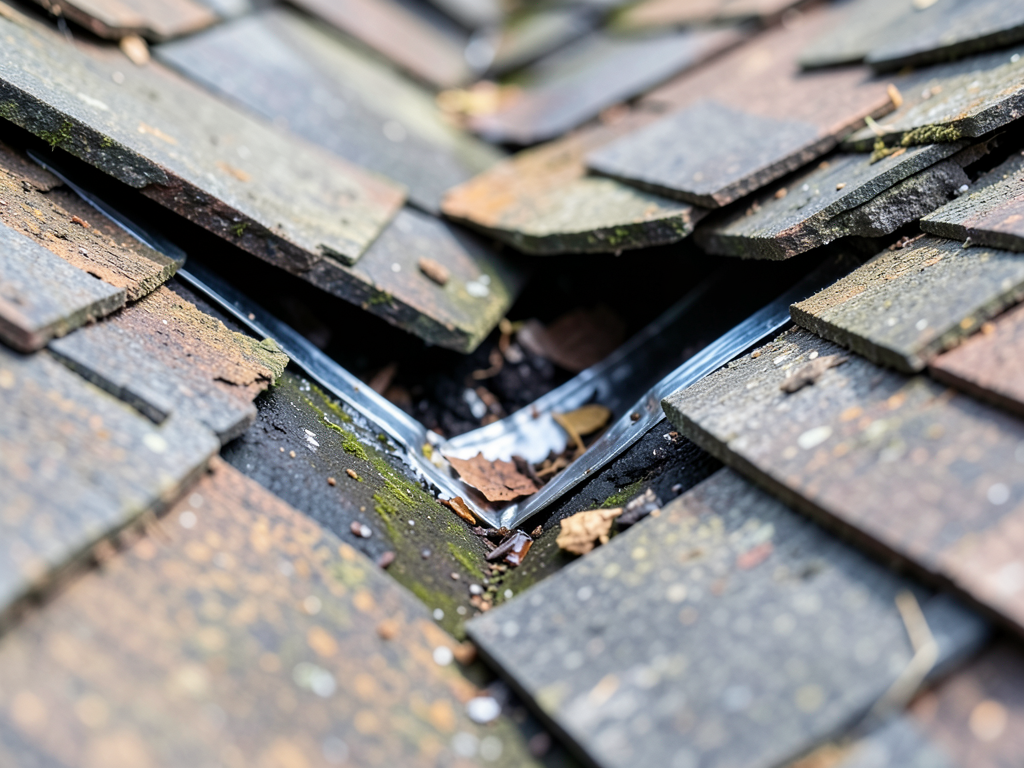
A roof valley is where two roof slopes meet, creating a channel that directs water down to the gutter system. Think of it like a river valley—water naturally flows to the lowest point, and in this case, that’s your roof valley. The design makes sense for drainage, but it also creates a high-stress area where water velocity increases and debris accumulates.
The main problem is that valleys handle more water flow than any other part of your roof. During a heavy rainstorm, water sheets down both roof planes and converges in the valley, creating concentrated pressure. This constant water flow, combined with debris buildup from Tyler Park’s mature trees, means valleys stay wet longer than flat or sloped sections. Why we are the highest rated roofing team in the Louisville metro area.
Another factor is the temperature swings common in Louisville’s climate. When water gets trapped in a valley, it freezes during cold snaps and expands. This ice formation pushes against flashing and shingles, creating tiny gaps that widen over time. The freeze-thaw cycle repeats throughout winter, gradually breaking down seals and allowing water to penetrate deeper into the roofing system. Roofing Owensboro.
Valley construction also matters. There are three main types: open metal valleys, closed-cut valleys, and woven valleys. Open metal valleys use exposed metal flashing, while closed systems hide the metal under shingles. Each has different failure points, but all are more vulnerable than regular roof planes because they handle concentrated water flow and debris accumulation.
Common causes of valley leaks in Tyler Park homes
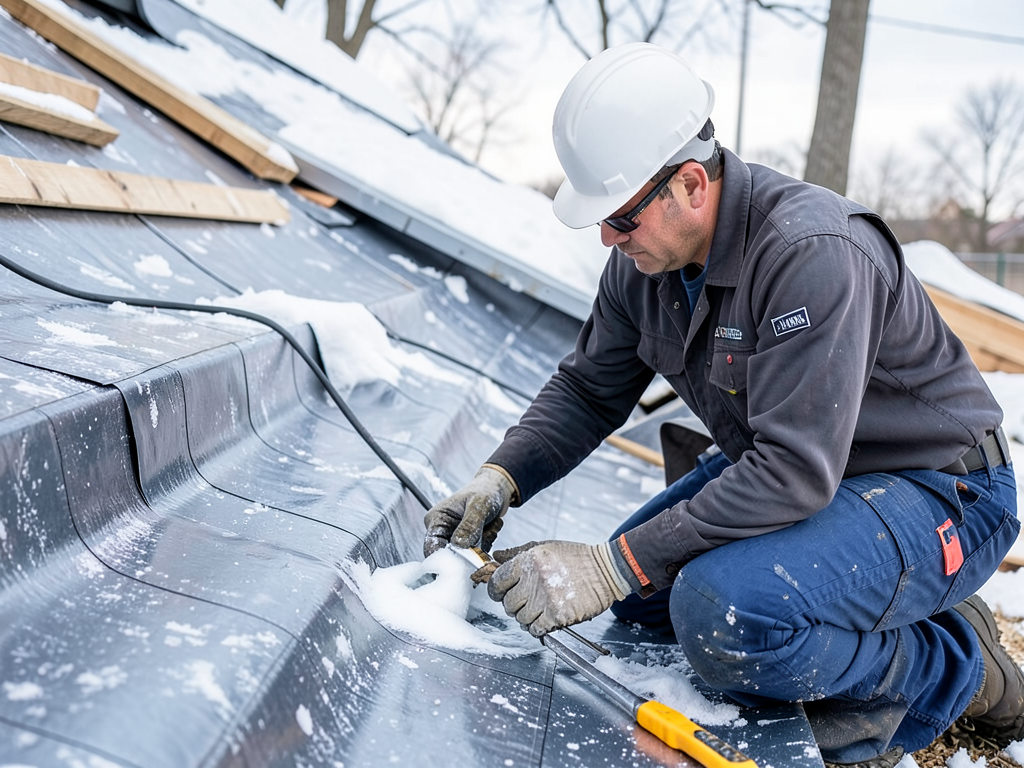
The most frequent cause of valley leaks is improper installation, particularly when it comes to flashing and underlayment. Kentucky Residential Code requires ice and water shield in valleys, but some older Tyler Park homes were built before these standards existed. Without this waterproof membrane, even minor flashing failures can lead to major leaks. Reliable residential roofing specialists serving Jeffersonville and Clarksville.
Debris buildup is another major culprit. Tyler Park’s mature tree canopy means leaves, twigs, and small branches constantly fall onto roofs. When this debris collects in valleys, it traps moisture against roofing materials. Over time, this creates perfect conditions for algae growth, which breaks down shingle granules and exposes the asphalt to UV damage.
Improper nailing is surprisingly common in valley repairs. When shingles are installed over valleys, nails must be placed carefully to avoid penetrating the flashing or creating water channels. Many quick-fix repairs use too many nails or place them in the wrong spots, creating new leak points even if the original problem was fixed. Commercial flat roof repair and maintenance for business owners in NuLu.
Age-related deterioration affects valleys more than other roof areas because of the constant water flow and debris exposure. The sealant around flashing dries out, metal flashing corrodes, and shingle edges curl up, creating gaps where water can penetrate. In Tyler Park’s humid climate, this process happens faster than in drier regions.
Ice dam formation in winter creates another vulnerability. When snow melts on warm roof sections and refreezes at the edges, it can back up into valleys. This standing water finds any weakness in the roofing system and forces its way through, often causing damage that isn’t visible until spring rains arrive.
Signs your Tyler Park valley might be leaking
Interior water stains are the most obvious sign of a valley leak, but they often appear far from the actual leak source due to water traveling along rafters and ceiling joists. Look for brown or yellow stains on ceilings, particularly in upstairs rooms or along exterior walls where valleys are located.
Missing or damaged shingles in the valley area indicate problems. If you notice shingles that are cracked, curled, or completely missing in your roof valley, water is already finding ways to penetrate your roofing system. The damage often starts at the bottom of the valley and works upward as water finds new entry points.
Granule loss in valleys is another warning sign. When you see accumulations of black granules in your gutters or at the bottom of roof valleys, your shingles are breaking down. These granules protect the asphalt from UV damage, and once they’re gone, the shingles deteriorate much faster.
Moss or algae growth in valleys indicates persistent moisture problems. While some moss growth is normal in shady areas, thick green patches in valleys mean water is sitting there regularly. This moisture creates perfect conditions for root systems to penetrate shingle edges and flashing seams.
Water dripping sounds during rain are a clear emergency sign. If you hear dripping sounds in your attic or upper floors during storms, you have an active leak that needs immediate attention. Don’t wait for visible stains to appear—by then, significant damage has already occurred.
Valley repair vs. replacement: What Tyler Park homeowners need to know
Simple valley repairs work when the damage is localized and the rest of the roofing system is in good condition. This might involve replacing damaged flashing, resealing joints, or patching small areas of shingle damage. However, if your roof is over 15 years old or shows widespread wear, a full valley replacement might be more cost-effective long-term.
The decision often comes down to the extent of visible damage and the age of your roofing materials. If you’re seeing multiple failure points or if your shingles are curling and losing granules throughout the roof, replacing just the valley won’t solve the underlying problem. The rest of the roof will likely fail soon after.
Cost considerations vary significantly between repair and replacement. A simple valley repair might cost a few hundred dollars, while a full valley replacement with proper ice and water shield installation could run $1,000 to $3,000 depending on the valley length and complexity. However, the replacement provides much better long-term protection.
Material selection matters for valley work. Modern ice and water shield provides superior protection compared to traditional felt paper, and copper or stainless steel flashing lasts longer than galvanized steel in Louisville’s humid climate. These upgrades cost more upfront but prevent repeat repairs.
Timing is critical for valley repairs in Tyler Park. Spring and fall offer the best weather conditions for roofing work, while summer heat can make materials too soft to install properly and winter cold prevents proper sealing. Planning repairs during optimal seasons ensures better results and longer-lasting fixes.
Louisville building codes and valley installation standards
Kentucky Residential Code Section R905.2.5 requires ice and water shield in all valleys, extending at least 24 inches from the center of the valley on each side. This waterproof membrane is crucial in Louisville’s climate, where freeze-thaw cycles and heavy spring rains create conditions that overwhelm traditional felt paper.
Wind speed requirements in Jefferson County mandate specific nailing patterns for shingles in valley areas. High-wind zones require six nails per shingle instead of the standard four, particularly important in Tyler Park where mature trees can create wind tunnels between homes during storms. Jefferson County building permits.
Flashing installation must comply with International Building Code requirements for step flashing in valleys. Each piece of flashing should overlap the previous one by at least 2 inches, creating a water-shedding system that directs water down the valley rather than allowing it to penetrate the roof deck.
Local amendments to the Kentucky code address specific Louisville concerns like algae-resistant shingles in shaded areas and enhanced ventilation requirements for homes with complex roof designs. These provisions help prevent the moisture buildup that leads to valley deterioration.
Permit requirements for valley repairs depend on the scope of work. Simple flashing replacement might not require a permit, but any work affecting the roof structure or involving new underlayment typically does. Always verify that your roofing contractor pulls necessary permits and follows local inspection requirements.
Emergency steps for active valley leaks
If you discover water actively leaking through your valley during a storm, the first priority is containing the water to prevent interior damage. Place buckets or containers under the leak and move furniture away from affected areas. Use towels or rags to absorb water and prevent it from spreading across floors and walls.
Temporary tarping can help until professional repairs arrive, but it must be done correctly to avoid causing more damage. Never nail a tarp directly to your roof—use 2×4 boards secured with straps around the roof perimeter instead. Improper tarping often damages shingles and creates new leak points.
Document the damage thoroughly with photos and videos before any cleanup begins. This documentation is crucial for insurance claims and helps contractors understand the full extent of the problem. Note the date, time, and weather conditions when the leak occurred.
Avoid the temptation to seal visible cracks with caulk or roofing cement. These quick fixes rarely work on active leaks and can trap water inside the roofing system, causing more extensive damage. Professional repair requires proper drying and preparation before any sealing materials are applied.
Contact a licensed Louisville roofing contractor immediately rather than waiting for the storm to pass. Many valley leaks worsen quickly, and delaying repairs can turn a simple fix into a major reconstruction project. Look for contractors with specific experience in valley repairs and knowledge of local building codes.
Preventing future valley leaks in your Tyler Park home
Regular gutter cleaning is essential for valley health. When gutters clog, water backs up and can flow under shingles at the bottom of valleys. Schedule professional gutter cleaning at least twice yearly—more often if your Tyler Park home has large trees nearby. Consider installing gutter guards to reduce maintenance needs.
Annual roof inspections catch problems before they become leaks. A professional inspection should include checking valley flashing, looking for granule loss, and ensuring proper water flow through the valley system. Early detection of minor issues prevents expensive emergency repairs later.
Tree trimming around your home reduces debris accumulation in valleys. Keep branches at least 10 feet from your roof to minimize leaf drop and prevent animals from accessing your roof. This also reduces the risk of branches falling on your roof during storms.
Consider upgrading to algae-resistant shingles if your roof receives significant shade from Tyler Park’s mature trees. These shingles have copper or zinc granules that inhibit algae growth, extending the life of your roofing system and reducing maintenance needs in shaded valley areas.
Proper attic ventilation prevents ice dam formation and reduces moisture buildup that can affect valley performance. Ensure your attic has adequate intake and exhaust ventilation to maintain consistent roof temperatures and prevent the freeze-thaw cycles that damage valley flashing.
Why choose a Louisville expert for valley repairs
Valley repairs require specialized knowledge of local conditions that out-of-town contractors simply don’t have. Louisville’s unique combination of humidity, temperature swings, and mature tree canopy creates valley failure patterns that only local experts recognize and know how to prevent.
Local contractors understand Tyler Park’s specific challenges, from the age and construction of homes in the neighborhood to the types of trees that create debris problems. This knowledge allows them to recommend the most effective repair strategies and preventive measures for your specific situation.
Permitting and code compliance are easier with local contractors who regularly work in Jefferson County. They know exactly what inspections are required, which materials meet local standards, and how to navigate the permit process efficiently. This prevents costly delays and ensures your repair meets all legal requirements.
Emergency response times matter when valley leaks occur. Local contractors can typically respond within hours rather than days, minimizing water damage to your home. They also understand local weather patterns and can advise on temporary measures to protect your home until permanent repairs can be made.
Warranty considerations often favor local contractors. Many manufacturers require installation by certified local contractors to validate warranties, and local companies are more likely to stand behind their work with meaningful guarantees that actually get honored when problems arise.
Frequently Asked Questions
How long do valley repairs typically last in Louisville’s climate?
Quality valley repairs in Louisville typically last 15-20 years when properly installed with ice and water shield and appropriate flashing materials. However, this depends on factors like tree coverage, attic ventilation, and the age of surrounding roofing materials. Regular inspections can extend the life of repairs significantly.
Can I repair a valley leak myself?
DIY valley repairs are risky because improper installation often causes more damage than the original leak. Valleys require specific flashing techniques, proper underlayment installation, and knowledge of local building codes. A failed DIY repair can void warranties and create conditions that lead to extensive water damage inside your home.
How much does valley repair cost in Louisville?
Valley repair costs in Louisville typically range from $300 to $1,500 depending on the extent of damage, materials needed, and whether ice and water shield replacement is required. Simple flashing repairs cost less, while complete valley reconstruction with new underlayment runs toward the higher end of that range.
How can I tell if my valley needs repair or if the whole roof needs replacement?
If your roof is under 10 years old and valley damage is localized, repair is usually sufficient. However, if your roof is over 15 years old, shows widespread granule loss, or has multiple failing areas, replacement is more cost-effective long-term. A professional inspection can determine which approach makes sense for your situation.
What’s the difference between open and closed valley systems?
Open valleys use exposed metal flashing that’s visible on your roof, while closed valleys hide the metal under shingles. Open systems typically last longer and handle water flow better, but closed systems provide a more uniform appearance. Both can work well when properly installed, though open valleys are often preferred in areas with heavy rainfall.
Valley leaks in Tyler Park homes are common but preventable with proper maintenance and timely repairs. The combination of Louisville’s climate, mature trees, and varying home ages creates perfect conditions for valley problems, but understanding these risks helps you protect your investment. Whether you need emergency repairs or want to prevent future leaks, working with a local roofing expert ensures your valley system handles Kentucky’s weather for years to come.
Don’t wait for water stains to appear on your ceiling. If you suspect valley problems or want a professional inspection of your Tyler Park roof, call Fortress Roofing today at (502) 678-7557. Our local experts understand exactly what your roof needs to withstand Louisville’s challenging climate.
Pick up the phone and call (502) 678-7557 before the next storm hits. Valley leaks only get worse with time, and early intervention saves you money and prevents interior damage to your Tyler Park home.
{
“@context”: “https://schema.org”,
“@type”: “BlogPosting”,
“headline”: “Why the valleys in your Tyler Park roof are the most likely place for a leak”,
“description”: “Tyler Park roofs face unique valley leak risks from Louisville’s heavy rains and freeze-thaw cycles. Learn the causes, signs, and expert repair solutions from Fortress Roofing.”,
“wordCount”: 2733,
“datePublished”: “2026-03-20T16:42:00.000Z”,
“dateModified”: “2026-03-20T16:42:00.000Z”,
“inLanguage”: “en-US”,
“mainEntityOfPage”: {
“@type”: “WebPage”,
“@id”: “https://fortressroofinglouisville.com”
},
“publisher”: {
“@type”: “LocalBusiness”,
“name”: “Fortress Roofing Louisville”,
“url”: “https://fortressroofinglouisville.com”
},
“author”: {
“@type”: “Organization”,
“name”: “Fortress Roofing Louisville”,
“url”: “https://fortressroofinglouisville.com”
},
“image”: {
“@type”: “ImageObject”,
“url”: “https://fortressroofinglouisville.com/wp-content/uploads/2026/03/why-the-valleys-in-your-tyler-park-roof-are-the-mo-1.png”
}
}
{
“@context”: “https://schema.org”,
“@type”: “RoofingContractor”,
“name”: “Fortress Roofing Louisville”,
“url”: “https://fortressroofinglouisville.com”,
“address”: {
“@type”: “PostalAddress”,
“addressLocality”: “Louisville”
},
“areaServed”: {
“@type”: “City”,
“name”: “Louisville”
}
}
{
“@context”: “https://schema.org”,
“@type”: “FAQPage”,
“mainEntity”: [
{
“@type”: “Question”,
“name”: “How long do valley repairs typically last in Louisville’s climate?”,
“acceptedAnswer”: {
“@type”: “Answer”,
“text”: “Quality valley repairs in Louisville typically last 15-20 years when properly installed with ice and water shield and appropriate flashing materials. However, this depends on factors like tree coverage, attic ventilation, and the age of surrounding roofing materials. Regular inspections can extend the life of repairs significantly.”
}
},
{
“@type”: “Question”,
“name”: “Can I repair a valley leak myself?”,
“acceptedAnswer”: {
“@type”: “Answer”,
“text”: “DIY valley repairs are risky because improper installation often causes more damage than the original leak. Valleys require specific flashing techniques, proper underlayment installation, and knowledge of local building codes. A failed DIY repair can void warranties and create conditions that lead to extensive water damage inside your home.”
}
},
{
“@type”: “Question”,
“name”: “How much does valley repair cost in Louisville?”,
“acceptedAnswer”: {
“@type”: “Answer”,
“text”: “Valley repair costs in Louisville typically range from $300 to $1,500 depending on the extent of damage, materials needed, and whether ice and water shield replacement is required. Simple flashing repairs cost less, while complete valley reconstruction with new underlayment runs toward the higher end of that range.”
}
},
{
“@type”: “Question”,
“name”: “How can I tell if my valley needs repair or if the whole roof needs replacement?”,
“acceptedAnswer”: {
“@type”: “Answer”,
“text”: “If your roof is under 10 years old and valley damage is localized, repair is usually sufficient. However, if your roof is over 15 years old, shows widespread granule loss, or has multiple failing areas, replacement is more cost-effective long-term. A professional inspection can determine which approach makes sense for your situation.”
}
},
{
“@type”: “Question”,
“name”: “What’s the difference between open and closed valley systems?”,
“acceptedAnswer”: {
“@type”: “Answer”,
“text”: “Open valleys use exposed metal flashing that’s visible on your roof, while closed valleys hide the metal under shingles. Open systems typically last longer and handle water flow better, but closed systems provide a more uniform appearance. Both can work well when properly installed, though open valleys are often preferred in areas with heavy rainfall.”
}
}
]
}
{
“@context”: “https://schema.org”,
“@type”: “BreadcrumbList”,
“itemListElement”: [
{
“@type”: “ListItem”,
“position”: 1,
“name”: “Home”,
“item”: “https://fortressroofinglouisville.com”
},
{
“@type”: “ListItem”,
“position”: 2,
“name”: “Blog”,
“item”: “https://fortressroofinglouisville.com/blog”
},
{
“@type”: “ListItem”,
“position”: 3,
“name”: “Why the valleys in your Tyler Park roof are the most likely place for a leak”
}
]
}
{
“@context”: “https://schema.org”,
“@type”: “Service”,
“serviceType”: “Roofing”,
“provider”: {
“@type”: “LocalBusiness”,
“name”: “Fortress Roofing Louisville”,
“url”: “https://fortressroofinglouisville.com”
},
“areaServed”: {
“@type”: “City”,
“name”: “Louisville”
},
“description”: “Tyler Park roofs face unique valley leak risks from Louisville’s heavy rains and freeze-thaw cycles. Learn the causes, signs, and expert repair solutions from Fortress Roofing.”
}