
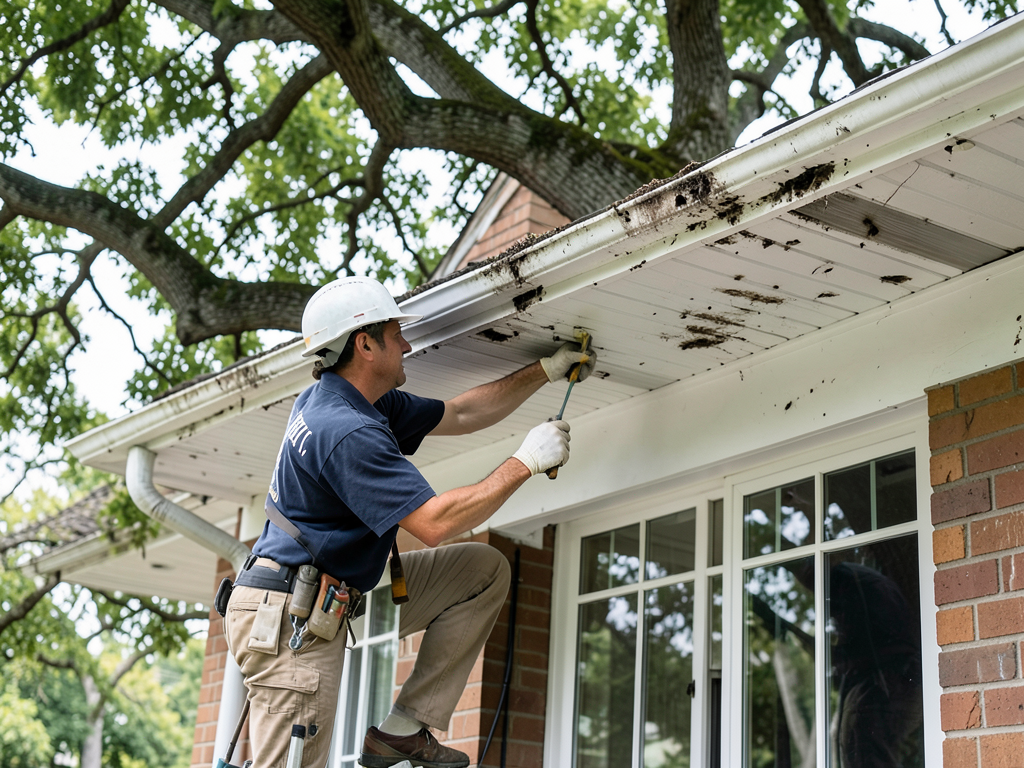
Why squirrels and raccoons are trying to move into your Bonnycastle roof line
Bonnycastle homeowners are hearing strange noises in their attics and finding unexpected damage to their roof lines. The mature oak and maple trees that give Bonnycastle its charm also create perfect pathways for squirrels and raccoons looking for warm nesting spots. These animals can chew through wood fascia boards and shingles within hours, turning your roof into an open invitation for water damage and mold growth.
The problem is especially common in Bonnycastle because the neighborhood’s older homes built in the 1920s and 1930s often have aging soffits and fascia that animals can easily access. When squirrels gnaw through your roof’s edge, they create entry points that let in rain, snow, and cold air. Raccoons can tear open larger holes and may even damage your attic insulation, leading to higher energy bills and potential health hazards from droppings.
Many Bonnycastle residents don’t realize they have a wildlife problem until they see water stains on their ceilings or notice their heating bills climbing. By then, the damage often extends beyond simple pest control into structural roof repairs that require professional attention. The combination of mature trees, older construction, and Louisville’s cold winters makes Bonnycastle particularly attractive to these persistent pests. Louisville Metro Animal Services.
Common signs of wildlife damage on Bonnycastle roofs
Wildlife damage often starts with subtle signs that homeowners miss until major problems develop. You might hear scratching sounds coming from your attic during early morning or evening hours when squirrels and raccoons are most active. Look for chew marks on your fascia boards or soffits, especially near tree branches that hang over your roof.
Another warning sign is finding pieces of insulation in your yard or noticing drafts in your upstairs rooms. Animals tear apart insulation to build nests, and this damage reduces your home’s energy efficiency. You may also spot damaged shingles or see daylight through small holes in your roof line when you’re in the attic.
Water stains on your ceilings often appear weeks after wildlife has created entry points. By the time you see these stains, moisture has already penetrated your roof decking and may be causing wood rot. The Kentucky climate with its freeze-thaw cycles can make this damage spread quickly, turning a small hole into a major structural issue. Kentucky Department of Fish and Wildlife Resources.
How squirrels and raccoons damage different roofing materials
Squirrels can chew through asphalt shingles, cedar shakes, and even some metal roofing materials. Their sharp teeth are designed to gnaw through tough materials like acorns and nuts, making your roof’s edge vulnerable. Once they create an opening, water can seep under the damaged area and cause the surrounding materials to deteriorate faster. The most trusted roofing services in Germantown and Schnitzelburg.
Raccoons are stronger and can tear off entire sections of shingles or damage roof vents while searching for entry points. They often target areas where different roofing materials meet, such as where your roofline connects to a chimney or where flashing has become loose over time. Their weight can also cause structural damage to weakened areas of your roof deck. Roofing Owensboro.
Older Bonnycastle homes with original wood shake roofs face the highest risk since these materials are softer and easier for animals to penetrate. However, even modern asphalt shingle roofs can suffer extensive damage if wildlife finds a weak spot. The combination of animal activity and Louisville’s high humidity creates perfect conditions for wood rot and mold growth. Why we are the highest rated roofing team in the Louisville metro area.
Why Bonnycastle’s tree canopy creates perfect wildlife highways
Bonnycastle’s mature tree canopy provides excellent cover and travel routes for squirrels and raccoons. Trees that grow within six feet of your roof create natural bridges that animals use to access your home. The dense foliage also provides shelter from predators and weather, making your roof an attractive nesting location.
Many Bonnycastle homes were built with minimal clearance between tree branches and the roof edge. Over decades, these trees have grown larger, bringing them even closer to your home’s exterior. The Ohio River Valley’s rich soil and ample rainfall have created ideal growing conditions for these trees, but this also means more wildlife pressure on local homes.
The neighborhood’s historic character means many properties have not been updated with modern wildlife exclusion measures. Original construction often included open soffit vents and uncapped chimneys that animals can easily access. These architectural features, while charming, create vulnerabilities that modern pest control methods can address.
Health risks from wildlife in your attic
Squirrels and raccoons carry parasites like fleas, ticks, and mites that can spread throughout your home once they establish a nest in your attic. Their droppings can contain harmful bacteria and fungi that become airborne when disturbed. This creates potential respiratory issues for your family, especially for those with allergies or asthma.
Raccoon droppings may contain raccoon roundworm, a parasite that can cause serious illness in humans. The eggs of this parasite can survive in your attic for years and become a health hazard during cleaning or renovation work. Squirrels can also carry diseases like leptospirosis that spread through their urine.
The combination of animal waste, damaged insulation, and moisture creates ideal conditions for mold growth in your attic. Louisville’s high humidity levels mean that any moisture from animal entry points can lead to extensive mold colonies within weeks. This not only damages your home’s structure but also creates indoor air quality issues.
Professional inspection process for wildlife damage
A thorough roof inspection for wildlife damage starts with examining your home’s exterior for obvious entry points. Our technicians look for chew marks on fascia boards, damaged shingles, and gaps around vents or chimneys. We also check for signs of animal activity like droppings or nesting materials in your gutters.
Inside your attic, we inspect for damaged insulation, chewed wiring, and evidence of animal nesting. We use moisture meters to detect water damage that may have resulted from wildlife entry points. Our inspection also includes checking your roof’s structural integrity since animals often damage areas that are not immediately visible from the ground.
We document all findings with photos and create a detailed report showing the extent of damage and recommended repairs. This includes identifying which animals are causing the problem since different species require different exclusion methods. Our inspection also checks for secondary damage like mold growth or wood rot that may have developed since the animals gained entry. Commercial flat roof repair and maintenance for business owners in NuLu.
Repair options for wildlife-damaged roofs
Simple repairs might include replacing damaged shingles and sealing small entry points. However, if animals have been active for weeks or months, you may need more extensive repairs. This could include replacing damaged roof decking, installing new flashing, or repairing soffit and fascia boards that have been chewed through.
For severe damage, we may recommend replacing entire sections of your roof edge or installing wildlife-resistant materials. This often includes adding metal drip edges, reinforcing soffit vents with heavy-duty screening, and installing chimney caps. These upgrades not only repair existing damage but also prevent future wildlife problems.
The repair process always includes wildlife exclusion measures to ensure animals cannot re-enter your home. This might involve trimming back tree branches, installing one-way doors that allow animals to exit but not re-enter, and sealing all potential entry points with materials that animals cannot chew through.
Prevention strategies for Bonnycastle homeowners
Regular tree maintenance is your first line of defense against wildlife roof damage. Keep tree branches trimmed at least six feet away from your roof to eliminate animal access routes. This also reduces the amount of leaves and debris that can accumulate in your gutters and create moisture problems.
Install heavy-duty vent covers and chimney caps that animals cannot chew through or remove. Replace damaged soffit and fascia boards with materials that resist animal damage. Consider installing motion-activated lights or sprinklers near your roof line to deter nocturnal animals like raccoons.
Schedule annual roof inspections to catch wildlife damage early before it becomes extensive. A professional inspection can identify potential entry points and weak spots in your roof’s defense against animals. This proactive approach often saves homeowners thousands of dollars in repair costs compared to waiting until major damage occurs.
Cost factors for wildlife damage repairs
The cost of repairing wildlife damage varies significantly based on the extent of the damage and the materials needed. Simple repairs like sealing small holes or replacing a few shingles might cost a few hundred dollars. However, if animals have damaged your roof’s structure or created multiple entry points, repairs can run into thousands of dollars.
Factors that affect repair costs include the age and type of your roof, the extent of water damage, and whether you need to replace insulation or repair electrical wiring that animals may have damaged. Historic Bonnycastle homes may also require specialized materials or techniques to maintain their character while addressing wildlife issues.
Insurance coverage for wildlife damage varies by policy. Some policies cover damage from specific animals but exclude rodents like squirrels. Check your policy details and document all damage with photos if you need to file a claim. Many homeowners find that preventive measures are more cost-effective than dealing with extensive damage after animals have nested in their homes.
When to call a professional vs. DIY solutions
Small preventative measures like trimming tree branches or installing basic vent covers can often be DIY projects. However, if you hear animals in your attic or see visible damage to your roof, professional help is usually necessary. Wildlife removal and exclusion require specific knowledge of animal behavior and building construction.
DIY attempts at wildlife removal can be dangerous and often fail to address the underlying access points. Animals may find new ways into your home if the original entry points are not properly sealed. Professional wildlife control experts also understand local regulations regarding animal removal and can ensure the process is humane and legal.
Roof repairs after wildlife damage require professional expertise to ensure the repairs are weatherproof and durable. Improper repairs can lead to water damage, energy loss, and continued animal access. Professional roofers also carry insurance and warranties that protect you if repairs fail or if additional damage occurs during the repair process.
Local wildlife control regulations in Louisville
Louisville Metro Animal Services regulates wildlife removal within city limits. Some animals, particularly certain bird species, are protected by state and federal laws that restrict when and how they can be removed. Professional wildlife control operators must follow specific guidelines for humane trapping and relocation.
The Kentucky Department of Fish and Wildlife Resources sets state regulations for wildlife management. These regulations cover which animals can be trapped, when trapping is allowed, and where animals can be relocated. Violations of these regulations can result in fines and legal issues for homeowners who attempt DIY wildlife removal.
Professional roofing companies that handle wildlife damage work closely with licensed wildlife control operators to ensure all work complies with local regulations. This coordination ensures that animals are removed humanely and that repairs are completed in a way that prevents their return while maintaining your home’s structural integrity.
Long-term solutions for wildlife prevention
Installing wildlife-resistant roofing materials can provide long-term protection against animal damage. Metal roof edges, heavy-duty soffit materials, and reinforced flashing create barriers that animals cannot easily penetrate. These upgrades may cost more initially but often pay for themselves through reduced repair costs and energy savings.
Consider a comprehensive home exterior inspection that looks beyond just your roof. Animals often enter through multiple points including foundation vents, crawl space openings, and gaps around utility lines. A whole-home approach to wildlife exclusion addresses all potential entry points rather than just the ones currently being used.
Regular maintenance of your home’s exterior prevents the small gaps and weaknesses that animals exploit. This includes keeping gutters clean, repairing damaged siding promptly, and ensuring all vents and openings are properly screened. A well-maintained home is much less attractive to wildlife seeking shelter.
Emergency response for active wildlife problems
If you discover active wildlife in your home, time is critical. Animals can cause extensive damage in just a few days, and the presence of young animals can complicate removal efforts. Contact a professional immediately rather than attempting to handle the situation yourself, as this can lead to injury or legal issues.
Emergency services for wildlife damage include temporary protective measures to prevent further damage while permanent repairs are planned. This might include installing temporary barriers, setting humane traps, or providing guidance on how to minimize damage until professional help arrives. Quick response can prevent thousands of dollars in additional damage.
Document all damage with photos and videos for insurance purposes. Keep records of when you first noticed the problem and any steps you’ve taken to address it. This documentation can be valuable if you need to file an insurance claim or if disputes arise about the extent or cause of the damage.
Frequently Asked Questions
How do I know if squirrels or raccoons are in my attic?
You’ll typically hear scratching, scurrying, or thumping sounds, especially during early morning or evening hours. Look for droppings in your attic, damaged insulation, or chew marks on wood and wiring. You might also notice a strong odor from animal waste or see animals entering and exiting your roof line.
Can I just trap the animals and seal the holes myself?
While trapping might remove current animals, it often fails to address all entry points and can leave young animals trapped inside. Professional wildlife control includes proper exclusion techniques, humane removal, and prevention measures to ensure animals don’t return. DIY attempts can also be dangerous and may violate local wildlife regulations.
Will my homeowner’s insurance cover wildlife damage?
Coverage varies by policy and insurance company. Some policies cover damage from specific animals but exclude rodents like squirrels. Check your policy details and contact your insurance agent to understand your coverage. Document all damage with photos and keep records of any repairs or professional services you obtain.
How long does it take to repair wildlife damage?
Simple repairs might take a few hours, while extensive damage could require several days. The timeline depends on the extent of damage, weather conditions, and whether you need to coordinate with wildlife control professionals. Emergency repairs to prevent further damage can often be completed within 24-48 hours.
What’s the best way to prevent wildlife from returning?
Combine multiple prevention strategies including trimming tree branches away from your roof, installing wildlife-resistant materials, sealing all potential entry points, and maintaining your home’s exterior. Regular inspections and prompt repairs of any damage also help prevent animals from finding vulnerable spots to exploit.
Are there specific risks for Bonnycastle homes?
Bonnycastle’s mature trees and older home construction create ideal conditions for wildlife problems. Many homes have original materials that animals can easily damage, and the dense tree canopy provides excellent access routes. The neighborhood’s historic character also means some homes have architectural features that create wildlife entry points.
How much does wildlife damage repair typically cost?
Costs range from a few hundred dollars for minor repairs to several thousand for extensive damage. Factors include the extent of damage, materials needed, and whether you need wildlife exclusion services. Getting multiple estimates and understanding what’s included in each quote helps you make informed decisions about repairs.
Should I be concerned about health risks?
Yes, wildlife in your home can pose health risks through parasites, bacteria, and diseases carried in animal waste. Raccoon droppings can contain harmful parasites, and animal urine can create respiratory issues. Professional cleanup and proper protective equipment are important when dealing with contaminated areas.
Take action before wildlife turns your roof into their home
Wildlife damage to your roof is not just an inconvenience it’s a threat to your home’s structure, your family’s health, and your wallet. The longer animals have access to your attic, the more extensive and expensive the damage becomes. Don’t wait until you’re dealing with water damage, mold growth, or sky-high energy bills.
Bonnycastle’s unique combination of mature trees and historic homes makes professional wildlife damage prevention especially important. Our team understands the specific challenges of protecting older homes while maintaining their character and charm. We provide comprehensive inspections, effective repairs, and long-term prevention strategies tailored to your home’s needs. Protecting your Lake Louisvilla home from high winds and waterfront humidity.
Call (502) 678-7557 today to schedule your wildlife damage inspection. Our experts will identify current problems, assess potential vulnerabilities, and create a plan to protect your home. Don’t let squirrels and raccoons turn your Bonnycastle home into their personal sanctuary. Pick up the phone and call (502) 678-7557 before the next storm hits and existing damage turns into a major emergency.
Protect your investment and your family’s health with professional wildlife damage prevention and repair. Contact us now to learn how we can help keep your Bonnycastle home safe from unwanted animal guests.
{
“@context”: “https://schema.org”,
“@type”: “BlogPosting”,
“headline”: “Why squirrels and raccoons are trying to move into your Bonnycastle roof line”,
“description”: “Squirrels and raccoons are targeting Bonnycastle homes due to mature trees and older construction. Learn how to spot damage and protect your roof before costly repairs.”,
“wordCount”: 2843,
“datePublished”: “2026-03-29T08:50:00.000Z”,
“dateModified”: “2026-03-29T08:50:00.000Z”,
“inLanguage”: “en-US”,
“mainEntityOfPage”: {
“@type”: “WebPage”,
“@id”: “https://fortressroofinglouisville.com”
},
“publisher”: {
“@type”: “LocalBusiness”,
“name”: “Fortress Roofing Louisville”,
“url”: “https://fortressroofinglouisville.com”
},
“author”: {
“@type”: “Organization”,
“name”: “Fortress Roofing Louisville”,
“url”: “https://fortressroofinglouisville.com”
},
“image”: {
“@type”: “ImageObject”,
“url”: “https://fortressroofinglouisville.com/wp-content/uploads/2026/03/why-squirrels-and-raccoons-are-trying-to-move-into-1.png”
}
}
{
“@context”: “https://schema.org”,
“@type”: “RoofingContractor”,
“name”: “Fortress Roofing Louisville”,
“url”: “https://fortressroofinglouisville.com”,
“address”: {
“@type”: “PostalAddress”,
“addressLocality”: “Louisville”
},
“areaServed”: {
“@type”: “City”,
“name”: “Louisville”
}
}
{
“@context”: “https://schema.org”,
“@type”: “FAQPage”,
“mainEntity”: [
{
“@type”: “Question”,
“name”: “How do I know if squirrels or raccoons are in my attic?”,
“acceptedAnswer”: {
“@type”: “Answer”,
“text”: “You’ll typically hear scratching, scurrying, or thumping sounds, especially during early morning or evening hours. Look for droppings in your attic, damaged insulation, or chew marks on wood and wiring. You might also notice a strong odor from animal waste or see animals entering and exiting your roof line.”
}
},
{
“@type”: “Question”,
“name”: “Can I just trap the animals and seal the holes myself?”,
“acceptedAnswer”: {
“@type”: “Answer”,
“text”: “While trapping might remove current animals, it often fails to address all entry points and can leave young animals trapped inside. Professional wildlife control includes proper exclusion techniques, humane removal, and prevention measures to ensure animals don’t return. DIY attempts can also be dangerous and may violate local wildlife regulations.”
}
},
{
“@type”: “Question”,
“name”: “Will my homeowner’s insurance cover wildlife damage?”,
“acceptedAnswer”: {
“@type”: “Answer”,
“text”: “Coverage varies by policy and insurance company. Some policies cover damage from specific animals but exclude rodents like squirrels. Check your policy details and contact your insurance agent to understand your coverage. Document all damage with photos and keep records of any repairs or professional services you obtain.”
}
},
{
“@type”: “Question”,
“name”: “How long does it take to repair wildlife damage?”,
“acceptedAnswer”: {
“@type”: “Answer”,
“text”: “Simple repairs might take a few hours, while extensive damage could require several days. The timeline depends on the extent of damage, weather conditions, and whether you need to coordinate with wildlife control professionals. Emergency repairs to prevent further damage can often be completed within 24-48 hours.”
}
},
{
“@type”: “Question”,
“name”: “What’s the best way to prevent wildlife from returning?”,
“acceptedAnswer”: {
“@type”: “Answer”,
“text”: “Combine multiple prevention strategies including trimming tree branches away from your roof, installing wildlife-resistant materials, sealing all potential entry points, and maintaining your home’s exterior. Regular inspections and prompt repairs of any damage also help prevent animals from finding vulnerable spots to exploit.”
}
},
{
“@type”: “Question”,
“name”: “Are there specific risks for Bonnycastle homes?”,
“acceptedAnswer”: {
“@type”: “Answer”,
“text”: “Bonnycastle’s mature trees and older home construction create ideal conditions for wildlife problems. Many homes have original materials that animals can easily damage, and the dense tree canopy provides excellent access routes. The neighborhood’s historic character also means some homes have architectural features that create wildlife entry points.”
}
},
{
“@type”: “Question”,
“name”: “How much does wildlife damage repair typically cost?”,
“acceptedAnswer”: {
“@type”: “Answer”,
“text”: “Costs range from a few hundred dollars for minor repairs to several thousand for extensive damage. Factors include the extent of damage, materials needed, and whether you need wildlife exclusion services. Getting multiple estimates and understanding what’s included in each quote helps you make informed decisions about repairs.”
}
},
{
“@type”: “Question”,
“name”: “Should I be concerned about health risks?”,
“acceptedAnswer”: {
“@type”: “Answer”,
“text”: “Yes, wildlife in your home can pose health risks through parasites, bacteria, and diseases carried in animal waste. Raccoon droppings can contain harmful parasites, and animal urine can create respiratory issues. Professional cleanup and proper protective equipment are important when dealing with contaminated areas.”
}
}
]
}
{
“@context”: “https://schema.org”,
“@type”: “BreadcrumbList”,
“itemListElement”: [
{
“@type”: “ListItem”,
“position”: 1,
“name”: “Home”,
“item”: “https://fortressroofinglouisville.com”
},
{
“@type”: “ListItem”,
“position”: 2,
“name”: “Blog”,
“item”: “https://fortressroofinglouisville.com/blog”
},
{
“@type”: “ListItem”,
“position”: 3,
“name”: “Why squirrels and raccoons are trying to move into your Bonnycastle roof line”
}
]
}
{
“@context”: “https://schema.org”,
“@type”: “Service”,
“serviceType”: “Roofing”,
“provider”: {
“@type”: “LocalBusiness”,
“name”: “Fortress Roofing Louisville”,
“url”: “https://fortressroofinglouisville.com”
},
“areaServed”: {
“@type”: “City”,
“name”: “Louisville”
},
“description”: “Squirrels and raccoons are targeting Bonnycastle homes due to mature trees and older construction. Learn how to spot damage and protect your roof before costly repairs.”
}