
Why moss is growing on your Douglas Hills roof and how to safely remove it
Green patches spreading across your roof aren’t just an eyesore—they’re a warning sign that moisture is trapped beneath your shingles. In Douglas Hills, where mature oak trees and high humidity create the perfect breeding ground, moss can take hold in just a few seasons. Left untreated, it lifts shingles, traps water, and shortens your roof’s lifespan by years.
Fortress Roofing uses a soft-wash method that kills moss at the root without damaging your shingles. Our process follows ARMA (Asphalt Roofing Manufacturers Association) guidelines and uses eco-friendly solutions that are safe for your family, pets, and landscaping. Call (502) 678-7557 today to stop moss before it causes costly damage. Asphalt Roofing Manufacturers Association.
How Louisville’s climate creates moss problems in Douglas Hills
Douglas Hills sits in a low-lying area where warm, moist air from the Ohio River Valley settles against the rolling hills. This creates a microclimate with higher humidity than surrounding areas. Combined with the dense tree canopy along Stony Brook Drive and Old Heady Road, your roof rarely dries completely after rain. Valley Leak Repair.
The National Weather Service reports Louisville averages 45 inches of rain annually, with humidity often exceeding 70% from May through September. These conditions allow moss spores to germinate within 24-48 hours of moisture contact. Once established, moss can spread across an entire roof face in just one growing season. National Weather Service.
Older homes in Douglas Hills built in the 1970s and 1980s often have north-facing slopes that receive minimal direct sunlight. This creates the damp, cool environment where moss thrives. The clay-rich soil in Jefferson County also contributes to moisture retention, as water evaporates slowly from surrounding landscaping.
During our inspections, we often find moss growing in valleys where leaves and debris accumulate. This organic matter acts like a sponge, holding moisture against your shingles for days after rain stops. The constant dampness breaks down the asphalt binder in your shingles, making them brittle and prone to cracking.
Why pressure washing damages your roof and voids warranties
Many homeowners think blasting moss off with high-pressure water is the fastest solution. This approach causes more harm than good. High-pressure washing can strip the protective granules from asphalt shingles, exposing the underlying asphalt to UV damage and accelerating deterioration.
According to ARMA technical bulletin, pressure washing above 100 PSI can void your roof’s manufacturer warranty. The force of water can also force moisture beneath shingles, leading to deck rot and interior leaks. We’ve seen cases where pressure washing pushed water into attic spaces, causing ceiling stains and mold growth inside homes.
The Kentucky Residential Code requires roofing work to maintain manufacturer specifications for warranty compliance. Using prohibited cleaning methods could leave you responsible for premature roof replacement costs. Insurance companies may also deny claims if damage results from improper maintenance techniques. Reliable residential roofing specialists serving Jeffersonville and Clarksville.
Beyond warranty issues, pressure washing creates safety hazards. Walking on a moss-covered roof is already dangerous due to slipperiness. Adding high-pressure water makes surfaces extremely slick, increasing fall risks for anyone on the roof. Professional soft-washing eliminates this danger while achieving better results.
Our ARMA-compliant soft-wash moss removal process
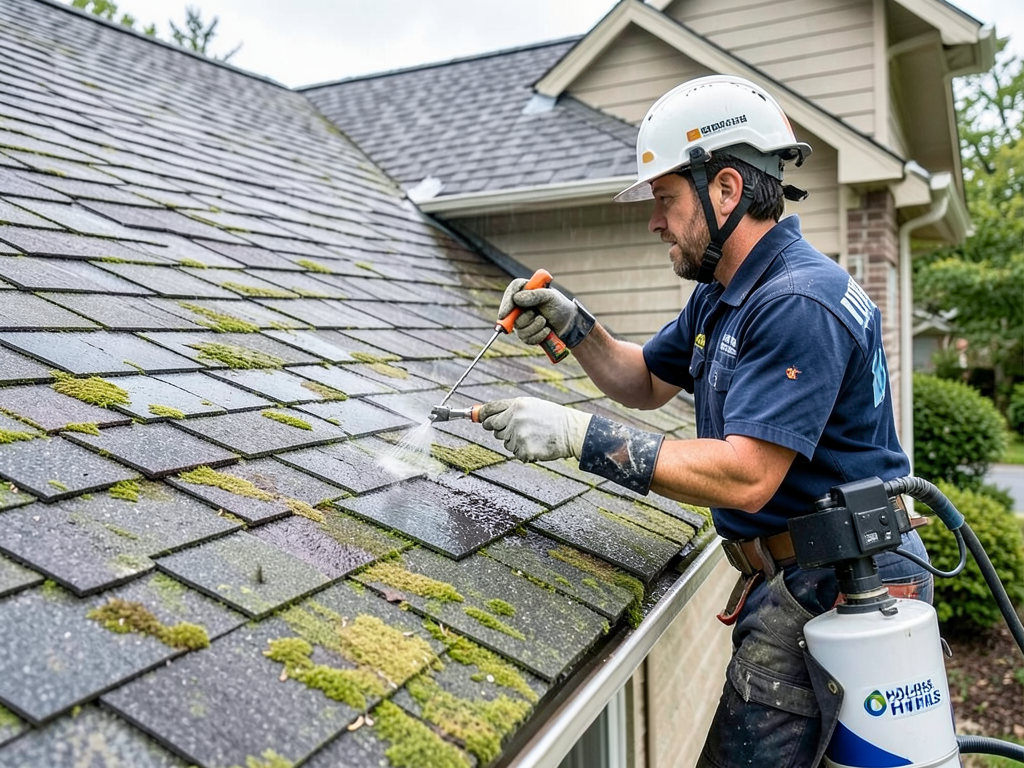
Fortress Roofing follows a proven soft-wash system that kills moss without damaging your roof. Our process begins with a thorough inspection to identify problem areas and assess roof condition. We check for loose shingles, damaged flashing, and signs of water infiltration before starting treatment. The most trusted roofing services in Germantown and Schnitzelburg.
The cleaning solution we use contains sodium hypochlorite at concentrations safe for roofing materials but strong enough to kill moss, algae, and lichen. This biodegradable formula breaks down into salt and water within days. We apply it using low-pressure spray equipment that delivers the solution evenly across affected areas. Roofing Owensboro.
After application, the solution needs 15-20 minutes to penetrate and kill the moss roots. During this time, you might notice the moss turning white or brown—this is normal and indicates the treatment is working. We then perform a gentle rinse with garden hose pressure to remove dead moss and residue.
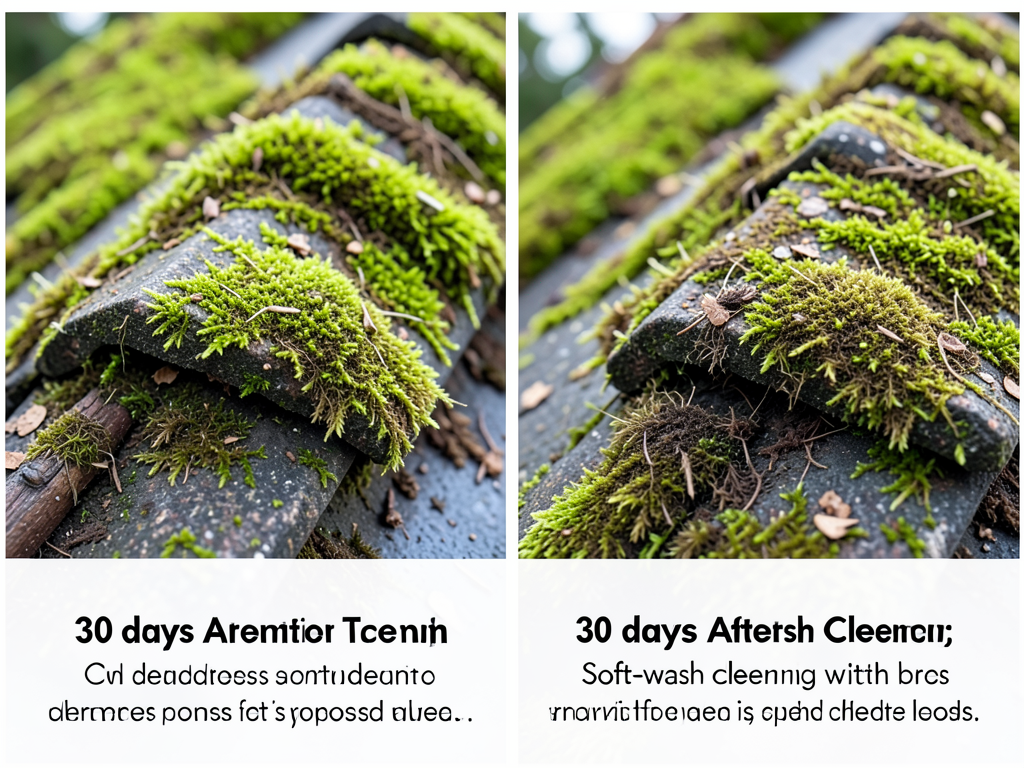
The entire process typically takes 2-4 hours for an average Douglas Hills home. Your roof may look worse temporarily as dead moss turns brown and begins to flake off. This is actually a good sign—it means the treatment reached the roots. Most of the dead moss will wash away with the next few rains.
We also apply zinc or copper strips near the roof peak during the service. When rain hits these metal strips, it creates a solution that flows down your roof and prevents new moss growth for 2-3 years. This proactive step saves you money on future cleanings.
Protecting your investment: moss prevention for Louisville homes
Once your roof is clean, several strategies can prevent moss from returning. First, trim tree branches that overhang your roof. This increases sunlight exposure and reduces debris accumulation. For Douglas Hills homes, we recommend keeping branches at least 10 feet from roof surfaces.
Clean your gutters regularly to prevent water backup. Clogged gutters cause water to pool on lower roof sections, creating ideal moss-growing conditions. We suggest cleaning gutters in spring and fall, or more often if you have many trees nearby.
Consider installing zinc or copper strips along both roof ridges. These cost-effective strips release metal ions during rainfall that inhibit moss and algae growth. The initial investment pays for itself within two cleaning cycles by reducing the frequency of professional treatments.
Improve attic ventilation to reduce moisture buildup under your roof. Poor ventilation causes temperature differences that promote condensation on the underside of shingles. This hidden moisture eventually migrates to the exterior surface, feeding moss growth. Proper ventilation can extend your roof’s life by 5-10 years.
Schedule annual roof inspections to catch moss early. Small patches are much easier and cheaper to treat than widespread growth. Our technicians can identify early warning signs and recommend preventive measures specific to your home’s conditions.
Moss vs. algae vs. lichen: knowing what grows on your roof
Many homeowners confuse different types of organic growth on their roofs. Moss appears as raised, green clumps with a fuzzy texture. It holds water like a sponge and can lift shingles as it grows thicker. Algae, specifically Gloeocapsa magma, creates black streaks and doesn’t lift shingles but still retains moisture.
Lichen forms when algae and fungus combine. It appears as flat, crusty patches in various colors including green, gray, and orange. Lichen bonds tightly to surfaces and requires specific treatment to remove without damaging the underlying material.
Each organism requires different treatment approaches. Moss needs solutions that penetrate to the root system. Algae responds to copper-based treatments that disrupt photosynthesis. Lichen requires both killing the organism and physically removing the bonded material.
Identifying what’s growing on your roof helps determine the best treatment plan. During our inspections, we document the types and extent of growth to recommend the most effective and economical solution. Some homes have multiple organisms requiring combined treatment approaches.
The Kentucky Office of Housing, Buildings and Construction recognizes these organic growths as maintenance issues that affect roof performance. Regular removal is considered standard home maintenance, similar to gutter cleaning or HVAC servicing.
Cost comparison: cleaning vs. premature roof replacement
Professional moss removal typically costs between $300-$800 for an average Douglas Hills home, depending on roof size and moss severity. This investment can extend your roof’s life by 5-10 years, delaying the $8,000-$15,000 replacement cost for an asphalt shingle roof.
Consider this: a 2,000-square-foot roof with moderate moss growth might need cleaning every 3-4 years at $500 per treatment. Over 12 years, that’s $1,500-$2,000 in maintenance versus $12,000 for premature replacement due to moss damage. The math clearly favors prevention.
Insurance companies often deny claims for damage caused by neglected maintenance. If moss-related leaks damage your interior, you might pay the full repair cost out of pocket. Regular professional cleaning demonstrates responsible home maintenance and protects your insurance coverage. Commercial flat roof repair and maintenance for business owners in NuLu.
Energy efficiency also suffers when moss covers your roof. The organic growth retains heat in summer and prevents proper insulation in winter. Clean roofs reflect more sunlight, potentially reducing cooling costs by 10-15% during Louisville’s hot summers.
Property values can drop when buyers see moss-covered roofs. A clean, well-maintained roof signals overall home care and can be a selling point. Conversely, visible moss suggests neglect and may reduce your home’s market appeal.
Frequently Asked Questions
How long does the soft-wash treatment take to work?
The moss-killing solution works immediately on contact, but you’ll see visible results within 24-48 hours as the moss turns color. Complete removal occurs over 2-4 weeks as dead moss naturally washes away with rain. Most homeowners notice significant improvement after the first rain following treatment.
Is the cleaning solution safe for my plants and pets?
Yes, our biodegradable solutions are safe when properly applied. We pre-soak landscaping and cover delicate plants as precautions. The sodium hypochlorite solution breaks down into harmless salt and water. Pets should stay indoors during application and for a few hours afterward while surfaces dry completely.
Will moss grow back after cleaning?
Without preventive measures, moss can return in 2-3 years. Installing zinc or copper strips significantly extends this timeframe to 5-7 years. Regular maintenance, tree trimming, and improving roof ventilation also help prevent regrowth. We offer maintenance plans to keep your roof moss-free year-round.
Can I clean the moss myself with store-bought products?
DIY products exist but often provide temporary results and can damage your roof if misused. Many contain harsh chemicals that harm landscaping and aren’t eco-friendly. Professional soft-washing uses commercial-grade solutions at proper concentrations and includes safety equipment and expertise to protect your roof and property.
How do I know if moss has already damaged my roof?
Signs of moss damage include lifted or curled shingles, visible water stains on ceilings, granules in gutters, and soft spots when walking on the roof. If you notice any of these issues, schedule an inspection immediately. Early detection prevents costly repairs and extends roof life.
What time of year is best for moss removal?
Spring and fall offer ideal conditions for moss treatment in Louisville. Temperatures between 50-70°F allow solutions to work effectively without rapid evaporation. Avoid treatment during freezing conditions or when rain is forecast within 24 hours. We can schedule service year-round based on your specific needs.
Does moss removal help with energy efficiency?
Absolutely. Moss-covered roofs absorb more heat in summer and retain less insulation in winter. Clean roofs reflect more sunlight and allow better attic ventilation. Many homeowners report 10-15% reductions in cooling costs after moss removal, especially during Louisville’s humid summer months.
Will my homeowner’s insurance cover moss damage?
Standard policies typically don’t cover damage from lack of maintenance, including moss-related issues. However, regular professional cleaning demonstrates responsible maintenance, which can be important if you need to file other types of claims. Some insurers offer discounts for documented preventive maintenance.
How does moss affect my roof warranty?
Most manufacturers require proper maintenance for warranty validity. Severe moss growth can void warranties by causing premature shingle deterioration. Using prohibited cleaning methods like pressure washing also voids warranties. Our ARMA-compliant soft-washing maintains warranty compliance while effectively removing moss.
What makes Douglas Hills particularly susceptible to moss?
Douglas Hills combines several risk factors: mature tree canopy, low elevation in the Ohio River Valley, clay soil that retains moisture, and many north-facing roof slopes that receive minimal sunlight. The area’s average humidity exceeds 70% during growing season, creating ideal conditions for moss spore germination and growth.
[IMAGE_PLACEHOLDER_3>
Take action before moss damages your roof
Green patches on your roof aren’t just cosmetic—they’re actively destroying your shingles and shortening your roof’s life. In Douglas Hills’ humid climate, moss can cause thousands in damage within just a few seasons. The longer you wait, the more extensive and expensive the repairs become.
Fortress Roofing’s soft-wash treatment kills moss at the root without damaging your shingles or voiding your warranty. Our Louisville-based team understands the specific challenges Douglas Hills homes face and provides solutions that last. We’ve helped hundreds of homeowners protect their investments and avoid premature roof replacement.
Don’t let moss win this battle. Call (502) 678-7557 today to schedule your free inspection and take the first step toward a healthier, longer-lasting roof. Our team will assess your specific situation and recommend the most effective treatment plan for your home.
Pick up the phone and call (502) 678-7557 before the next rain makes the problem worse. Your roof protects everything you value—make sure it gets the care it deserves.
{
“@context”: “https://schema.org”,
“@type”: “BlogPosting”,
“headline”: “Why moss is growing on your Douglas Hills roof and how to safely remove it”,
“description”: “Is moss damaging your Douglas Hills roof? Learn why Louisville’s humid climate causes moss growth and discover our safe soft-wash removal process that protects your shingles.”,
“wordCount”: 2119,
“datePublished”: “2026-03-27T12:54:00.000Z”,
“dateModified”: “2026-03-27T12:54:00.000Z”,
“inLanguage”: “en-US”,
“mainEntityOfPage”: {
“@type”: “WebPage”,
“@id”: “https://fortressroofinglouisville.com”
},
“publisher”: {
“@type”: “LocalBusiness”,
“name”: “Fortress Roofing Louisville”,
“url”: “https://fortressroofinglouisville.com”
},
“author”: {
“@type”: “Organization”,
“name”: “Fortress Roofing Louisville”,
“url”: “https://fortressroofinglouisville.com”
},
“image”: {
“@type”: “ImageObject”,
“url”: “https://fortressroofinglouisville.com/wp-content/uploads/2026/03/why-moss-is-growing-on-your-douglas-hills-roof-and-1.png”
}
}
{
“@context”: “https://schema.org”,
“@type”: “RoofingContractor”,
“name”: “Fortress Roofing Louisville”,
“url”: “https://fortressroofinglouisville.com”,
“address”: {
“@type”: “PostalAddress”,
“addressLocality”: “Louisville”
},
“areaServed”: {
“@type”: “City”,
“name”: “Louisville”
}
}
{
“@context”: “https://schema.org”,
“@type”: “FAQPage”,
“mainEntity”: [
{
“@type”: “Question”,
“name”: “How long does the soft-wash treatment take to work?”,
“acceptedAnswer”: {
“@type”: “Answer”,
“text”: “The moss-killing solution works immediately on contact, but you’ll see visible results within 24-48 hours as the moss turns color. Complete removal occurs over 2-4 weeks as dead moss naturally washes away with rain. Most homeowners notice significant improvement after the first rain following treatment.”
}
},
{
“@type”: “Question”,
“name”: “Is the cleaning solution safe for my plants and pets?”,
“acceptedAnswer”: {
“@type”: “Answer”,
“text”: “Yes, our biodegradable solutions are safe when properly applied. We pre-soak landscaping and cover delicate plants as precautions. The sodium hypochlorite solution breaks down into harmless salt and water. Pets should stay indoors during application and for a few hours afterward while surfaces dry completely.”
}
},
{
“@type”: “Question”,
“name”: “Will moss grow back after cleaning?”,
“acceptedAnswer”: {
“@type”: “Answer”,
“text”: “Without preventive measures, moss can return in 2-3 years. Installing zinc or copper strips significantly extends this timeframe to 5-7 years. Regular maintenance, tree trimming, and improving roof ventilation also help prevent regrowth. We offer maintenance plans to keep your roof moss-free year-round.”
}
},
{
“@type”: “Question”,
“name”: “Can I clean the moss myself with store-bought products?”,
“acceptedAnswer”: {
“@type”: “Answer”,
“text”: “DIY products exist but often provide temporary results and can damage your roof if misused. Many contain harsh chemicals that harm landscaping and aren’t eco-friendly. Professional soft-washing uses commercial-grade solutions at proper concentrations and includes safety equipment and expertise to protect your roof and property.”
}
},
{
“@type”: “Question”,
“name”: “How do I know if moss has already damaged my roof?”,
“acceptedAnswer”: {
“@type”: “Answer”,
“text”: “Signs of moss damage include lifted or curled shingles, visible water stains on ceilings, granules in gutters, and soft spots when walking on the roof. If you notice any of these issues, schedule an inspection immediately. Early detection prevents costly repairs and extends roof life.”
}
},
{
“@type”: “Question”,
“name”: “What time of year is best for moss removal?”,
“acceptedAnswer”: {
“@type”: “Answer”,
“text”: “Spring and fall offer ideal conditions for moss treatment in Louisville. Temperatures between 50-70°F allow solutions to work effectively without rapid evaporation. Avoid treatment during freezing conditions or when rain is forecast within 24 hours. We can schedule service year-round based on your specific needs.”
}
},
{
“@type”: “Question”,
“name”: “Does moss removal help with energy efficiency?”,
“acceptedAnswer”: {
“@type”: “Answer”,
“text”: “Absolutely. Moss-covered roofs absorb more heat in summer and retain less insulation in winter. Clean roofs reflect more sunlight and allow better attic ventilation. Many homeowners report 10-15% reductions in cooling costs after moss removal, especially during Louisville’s humid summer months.”
}
},
{
“@type”: “Question”,
“name”: “Will my homeowner’s insurance cover moss damage?”,
“acceptedAnswer”: {
“@type”: “Answer”,
“text”: “Standard policies typically don’t cover damage from lack of maintenance, including moss-related issues. However, regular professional cleaning demonstrates responsible maintenance, which can be important if you need to file other types of claims. Some insurers offer discounts for documented preventive maintenance.”
}
},
{
“@type”: “Question”,
“name”: “How does moss affect my roof warranty?”,
“acceptedAnswer”: {
“@type”: “Answer”,
“text”: “Most manufacturers require proper maintenance for warranty validity. Severe moss growth can void warranties by causing premature shingle deterioration. Using prohibited cleaning methods like pressure washing also voids warranties. Our ARMA-compliant soft-washing maintains warranty compliance while effectively removing moss.”
}
},
{
“@type”: “Question”,
“name”: “What makes Douglas Hills particularly susceptible to moss?”,
“acceptedAnswer”: {
“@type”: “Answer”,
“text”: “Douglas Hills combines several risk factors: mature tree canopy, low elevation in the Ohio River Valley, clay soil that retains moisture, and many north-facing roof slopes that receive minimal sunlight. The area’s average humidity exceeds 70% during growing season, creating ideal conditions for moss spore germination and growth.”
}
}
]
}
{
“@context”: “https://schema.org”,
“@type”: “BreadcrumbList”,
“itemListElement”: [
{
“@type”: “ListItem”,
“position”: 1,
“name”: “Home”,
“item”: “https://fortressroofinglouisville.com”
},
{
“@type”: “ListItem”,
“position”: 2,
“name”: “Blog”,
“item”: “https://fortressroofinglouisville.com/blog”
},
{
“@type”: “ListItem”,
“position”: 3,
“name”: “Why moss is growing on your Douglas Hills roof and how to safely remove it”
}
]
}
{
“@context”: “https://schema.org”,
“@type”: “Service”,
“serviceType”: “Roofing”,
“provider”: {
“@type”: “LocalBusiness”,
“name”: “Fortress Roofing Louisville”,
“url”: “https://fortressroofinglouisville.com”
},
“areaServed”: {
“@type”: “City”,
“name”: “Louisville”
},
“description”: “Is moss damaging your Douglas Hills roof? Learn why Louisville’s humid climate causes moss growth and discover our safe soft-wash removal process that protects your shingles.”
}