
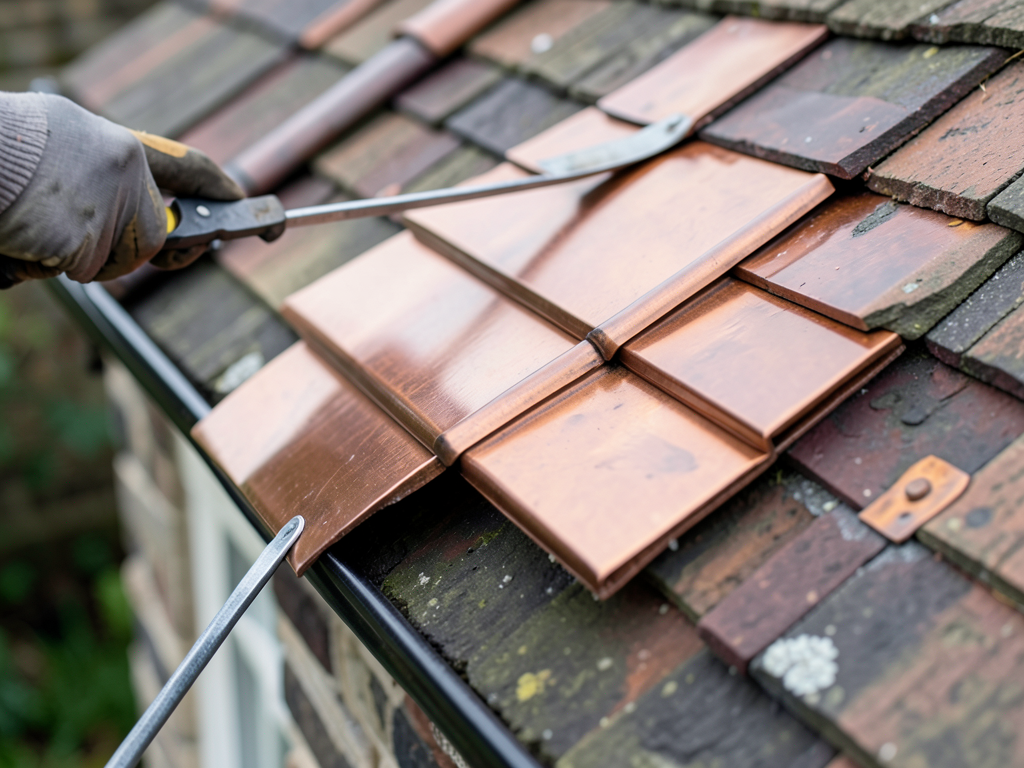
Old Louisville homeowners face unique challenges when their historic roofs need repair or replacement. The neighborhood’s Victorian and Italianate architecture requires specialized knowledge of traditional materials like slate, clay tile, and copper flashing. Standard roofing contractors often lack the expertise to navigate the Louisville Metro Landmarks Commission approval process or understand the preservation requirements that protect these architectural treasures. Louisville Metro Landmarks Commission.
Historic roof restoration in Old Louisville demands more than basic roofing skills. The process involves understanding the original construction methods, sourcing period-appropriate materials, and working within strict guidelines that maintain the home’s historical integrity. From the ornate turrets on Third Street to the detailed cornices along St. James Court, each restoration project requires careful attention to architectural details that define Old Louisville’s character. The most trusted roofing services in Germantown and Schnitzelburg.
The humid Kentucky climate creates additional challenges for historic roofs. Moisture can penetrate aging materials, causing deterioration that accelerates during freeze-thaw cycles common in Louisville winters. Moss and algae growth on traditional slate or tile surfaces can trap moisture against the roof deck, leading to rot and structural damage if not addressed properly.
Homeowners in Old Louisville choose specialized contractors who understand these complexities. The right restoration team brings experience with the Louisville Landmarks Commission, knowledge of approved material substitutions, and the craftsmanship needed to preserve architectural details while ensuring modern weather protection.
Understanding Louisville’s Historic Preservation Requirements
The Louisville Metro Landmarks Commission oversees all exterior modifications in historic districts. Property owners must obtain a Certificate of Appropriateness before any roof work begins. This process ensures changes maintain the neighborhood’s historical character while meeting modern building standards.
The approval process typically takes 30-45 days and requires detailed drawings showing existing conditions and proposed work. Commission members review applications for architectural compatibility, material authenticity, and impact on the streetscape. They often recommend specific material types, colors, and installation methods that align with the home’s original construction period.
Common requirements include maintaining original roof pitches, using historically accurate materials, and preserving decorative elements like finials, cresting, and ornamental brackets. The commission may require documentation proving material sources match those available during the home’s construction era, typically the late 1800s to early 1900s for Old Louisville.
Working without proper approval can result in fines, mandatory removal of non-compliant work, and delays in future renovation projects. Experienced historic restoration contractors maintain relationships with commission staff and understand how to prepare successful applications that balance preservation goals with practical roofing needs. Roofing Owensboro.
Specialized Materials for Historic Roof Restoration
Traditional slate remains the gold standard for historic roof restoration in Old Louisville. Vermont Buckingham slate, quarried since the 1800s, offers the authentic appearance and durability that preservation guidelines require. Each slate piece measures 1/4 to 3/8 inch thick and installs with copper nails that resist corrosion in Louisville’s humid climate.
Clay tile provides another historically accurate option, particularly for Italianate and Mediterranean-influenced homes. Ludowici tile, manufactured in Ohio since 1888, offers the same patterns and colors used in Old Louisville’s original construction. The interlocking design creates excellent wind resistance during Kentucky’s severe storm season.
Copper flashing and gutters represent both historical accuracy and superior performance. Natural copper develops a protective patina that prevents corrosion while maintaining the roof’s visual character. Custom-fabricated copper components include step flashing, chimney crickets, and valley metal that integrate seamlessly with traditional materials. Valley Leak Repair.
Modern synthetic alternatives sometimes receive approval when they match the appearance of traditional materials. Composite slate products from DaVinci Roofscapes offer 50-year warranties and resist impact damage from Louisville’s frequent hailstorms. These materials install faster than natural slate while maintaining the visual characteristics required by preservation guidelines.
Common Challenges in Historic Roof Restoration
Structural integrity often poses the first major challenge in historic roof restoration. Many Old Louisville homes built between 1880 and 1910 used lighter roof decking materials than modern standards require. Installing heavy slate or tile may necessitate reinforcing rafters and adding new plywood sheathing to support the additional weight.
Box gutters present another common issue in Victorian-era homes. These built-in gutter systems, typically 12-18 inches wide, collect debris easily and often suffer from hidden rot. Water damage behind box gutters can extend several feet into the roof structure before becoming visible from the exterior.
Ornamental features require careful removal and reinstallation during roof replacement. Decorative cresting along roof ridges, cast-iron finials, and carved wooden brackets need labeling and storage to ensure proper reassembly. Missing or damaged elements often require custom fabrication by skilled craftsmen familiar with Victorian design details.
Ventilation poses unique challenges in historic homes. Original construction lacked the attic ventilation required by modern building codes. Installing ridge vents or soffit ventilation must balance code compliance with maintaining the roof’s historical appearance. Some projects require custom-designed ventilation solutions that remain invisible from street view.
Navigating the Certificate of Appropriateness Process
The Certificate of Appropriateness application requires specific documentation that demonstrates compliance with preservation standards. Applicants must submit site plans showing property boundaries, existing building elevations with detailed roof measurements, and material samples for all proposed work.
Technical specifications should include fastener types, underlayment materials, and flashing details. The Louisville Metro Code of Ordinances Section 156.010 requires that all proposed changes maintain the structure’s historical character and not adversely affect the surrounding historic district.
Commission meetings occur monthly, and applications must be submitted at least two weeks before scheduled meetings. Staff reviews often identify issues requiring revisions before formal consideration. Common concerns include material color choices that differ from the original palette or installation methods that could damage existing architectural features.
Successful applications typically include letters of support from neighbors, especially those directly adjacent to the property. These communications demonstrate community awareness and support for the proposed work. Some homeowners also include historical documentation about their home’s original construction, which helps commission members understand the significance of specific design elements.
Material Comparisons for Historic Roof Restoration
Choosing the right roofing material involves balancing historical accuracy, performance requirements, and budget constraints. The following comparison examines common options for Old Louisville restorations:
| Material | Historical Accuracy | Lifespan | Cost Range | Maintenance Needs |
|---|---|---|---|---|
| Natural Slate | Excellent | 75-100 years | $15-25 per sq ft | Minimal |
| Clay Tile | Excellent | 50-75 years | $12-20 per sq ft | Moderate |
| Copper | Excellent | 100+ years | $25-40 per sq ft | Minimal |
| Synthetic Slate | Good | 50 years | $8-12 per sq ft | Minimal |
Natural materials typically receive faster commission approval due to their authenticity. However, synthetic alternatives offer advantages in impact resistance and installation speed. The choice often depends on the specific architectural style, budget constraints, and the homeowner’s long-term plans for the property.
Maintenance Strategies for Historic Roofs
Regular maintenance prevents costly repairs and extends the life of historic roofing materials. Annual inspections should examine flashing joints, check for missing or damaged tiles, and assess gutter systems for proper drainage. Louisville’s humid climate accelerates moss and algae growth, requiring periodic cleaning to prevent moisture retention. Commercial flat roof repair and maintenance for business owners in NuLu.
Copper components develop a protective patina over 5-7 years, turning from bright orange to deep brown and eventually green. This natural oxidation process protects the metal from corrosion. Cleaning copper with harsh chemicals removes this protective layer and should be avoided.
Slate roofs require minimal maintenance when properly installed. Individual damaged tiles can be replaced without affecting surrounding materials. The key indicator of slate condition is the sound it makes when tapped – intact slate produces a clear ring, while delaminated pieces sound dull.
Tree branches overhanging historic roofs create multiple problems. Falling limbs can crack tiles or slate, while accumulated leaves trap moisture against roofing materials. Maintaining proper clearances prevents both physical damage and moisture-related deterioration.
Why Historical Accuracy Matters for Property Value
Historic preservation significantly impacts property values in Old Louisville. Homes maintaining original architectural features typically sell for 15-20% more than similar properties with modern alterations. The National Park Service reports that historic district properties appreciate faster than non-historic neighborhoods in comparable markets.
Insurance considerations also favor historically accurate restorations. Some insurers offer premium discounts for homes using original materials and construction methods, recognizing their superior durability and fire resistance. Copper and slate materials often qualify for additional credits due to their longevity.
Tax incentives provide financial benefits for certified historic restorations. The Federal Historic Preservation Tax Incentives program offers 20% tax credits for substantial rehabilitation of certified historic structures. Kentucky also provides state-level tax credits for qualified preservation projects. Federal Historic Preservation Tax Incentives.
Neighborhood character directly influences quality of life and property desirability. Old Louisville’s historic designation protects the area from incompatible development, ensuring that investments in historic restoration maintain their value over time. The community’s commitment to preservation creates a stable, attractive environment that benefits all property owners.
Portfolio: Historic Roof Projects in Old Louisville
Our team has completed numerous historic roof restorations throughout Old Louisville, each presenting unique challenges and opportunities. One Third Street project involved replacing 80-year-old slate with matching Vermont Buckingham slate while preserving original copper flashing and ornamental cresting.
A St. James Court restoration required custom-fabricating replacement clay tiles to match those damaged by a 2022 hailstorm. The project demonstrated how modern manufacturing techniques can replicate historical materials while meeting current performance standards. Why we are the highest rated roofing team in the Louisville metro area.
Several homes in the area needed structural reinforcement before new roofing materials could be installed. These projects involved adding support beams and upgrading roof decking while maintaining the original roof lines visible from the street.
Our experience with the Louisville Landmarks Commission streamlines the approval process for homeowners. We prepare complete applications with detailed drawings, material specifications, and historical documentation that address commission concerns before they arise.
Frequently Asked Questions
How long does a historic roof restoration typically take?
Most historic roof restorations in Old Louisville require 4-6 weeks for complete replacement, depending on weather conditions and the complexity of ornamental features. The Certificate of Appropriateness process adds 30-45 days before work can begin.
Can I use asphalt shingles on my historic home?
Asphalt shingles rarely receive approval for visible roof areas in historic districts. The Louisville Landmarks Commission prefers materials that match the home’s original construction period. Synthetic alternatives that mimic slate or tile may be acceptable in some cases.
What happens if I need emergency repairs before getting approval?
Emergency repairs to prevent water damage are generally allowed, but must use matching materials and be documented for later commission review. Temporary solutions should be clearly marked and replaced with approved materials as soon as possible.
How do I know if my roof qualifies as historic?
Homes built before 1940 typically qualify for historic designation, but specific requirements vary by neighborhood. The Louisville Metro Planning and Design Services office can verify if your property falls within a designated historic district.
Are there financial assistance programs for historic roof restoration?
Several programs offer financial assistance, including federal tax credits for substantial rehabilitation, Kentucky state tax credits, and local preservation grants. The National Trust for Historic Preservation also provides resources for funding historic restoration projects.
Diagnostic Testing for Historic Roof Assessment
Before beginning any historic roof restoration, our team performs comprehensive diagnostic testing to assess the roof’s true condition. We use moisture meters at multiple depths to detect water infiltration that may not be visible from the surface. This testing often reveals hidden damage behind decorative elements or within box gutter systems.
Core sampling provides information about original material thickness and condition. Small samples removed from less visible areas help determine if the existing roof structure can support heavier replacement materials. This testing prevents costly surprises during the restoration process.
Infrared thermography identifies areas of heat loss that may indicate missing insulation or ventilation problems. This technology helps optimize energy efficiency while maintaining historical accuracy. The imaging also reveals structural issues like separated rafters or damaged decking.
Material analysis determines the composition and age of existing roofing components. Laboratory testing of slate, tile, or metal elements provides information about original manufacturing techniques and helps source matching replacement materials. This analysis proves invaluable when working with the Landmarks Commission to ensure material authenticity.
Call (502) 678-7557 today to schedule your historic roof assessment.
Old Louisville’s architectural heritage deserves specialized care from contractors who understand historic preservation requirements. Our team combines 15+ years of local experience with technical expertise in traditional roofing materials and Louisville Landmarks Commission procedures.
Don’t risk fines or delays from improper restoration work. We handle everything from initial Certificate of Appropriateness applications to final inspections, ensuring your historic roof meets both preservation standards and modern performance requirements.
Call (502) 678-7557 today to schedule your historic roof assessment. Our specialists will evaluate your home’s specific needs, explain material options, and outline the approval process for your restoration project. Protect your investment and preserve Old Louisville’s architectural legacy with expert restoration services.
{
“@context”: “https://schema.org”,
“@type”: “BlogPosting”,
“headline”: “Why homeowners in Old Louisville choose us for historic roof restorations”,
“description”: “Expert historic roof restoration in Old Louisville. We handle Louisville Landmarks Commission approvals, slate, tile, and copper materials with 15+ years local experience.”,
“wordCount”: 2138,
“datePublished”: “2026-02-18T10:14:00.000Z”,
“dateModified”: “2026-02-18T10:14:00.000Z”,
“inLanguage”: “en-US”,
“mainEntityOfPage”: {
“@type”: “WebPage”,
“@id”: “https://fortressroofinglouisville.com”
},
“publisher”: {
“@type”: “LocalBusiness”,
“name”: “Fortress Roofing Louisville”,
“url”: “https://fortressroofinglouisville.com”
},
“author”: {
“@type”: “Organization”,
“name”: “Fortress Roofing Louisville”,
“url”: “https://fortressroofinglouisville.com”
},
“image”: {
“@type”: “ImageObject”,
“url”: “https://fortressroofinglouisville.com/wp-content/uploads/2026/03/why-homeowners-in-old-louisville-choose-us-for-his-1.png”
}
}
{
“@context”: “https://schema.org”,
“@type”: “RoofingContractor”,
“name”: “Fortress Roofing Louisville”,
“url”: “https://fortressroofinglouisville.com”,
“address”: {
“@type”: “PostalAddress”,
“addressLocality”: “Louisville”
},
“areaServed”: {
“@type”: “City”,
“name”: “Louisville”
}
}
{
“@context”: “https://schema.org”,
“@type”: “FAQPage”,
“mainEntity”: [
{
“@type”: “Question”,
“name”: “How long does a historic roof restoration typically take?”,
“acceptedAnswer”: {
“@type”: “Answer”,
“text”: “Most historic roof restorations in Old Louisville require 4-6 weeks for complete replacement, depending on weather conditions and the complexity of ornamental features. The Certificate of Appropriateness process adds 30-45 days before work can begin.”
}
},
{
“@type”: “Question”,
“name”: “Can I use asphalt shingles on my historic home?”,
“acceptedAnswer”: {
“@type”: “Answer”,
“text”: “Asphalt shingles rarely receive approval for visible roof areas in historic districts. The Louisville Landmarks Commission prefers materials that match the home’s original construction period. Synthetic alternatives that mimic slate or tile may be acceptable in some cases.”
}
},
{
“@type”: “Question”,
“name”: “What happens if I need emergency repairs before getting approval?”,
“acceptedAnswer”: {
“@type”: “Answer”,
“text”: “Emergency repairs to prevent water damage are generally allowed, but must use matching materials and be documented for later commission review. Temporary solutions should be clearly marked and replaced with approved materials as soon as possible.”
}
},
{
“@type”: “Question”,
“name”: “How do I know if my roof qualifies as historic?”,
“acceptedAnswer”: {
“@type”: “Answer”,
“text”: “Homes built before 1940 typically qualify for historic designation, but specific requirements vary by neighborhood. The Louisville Metro Planning and Design Services office can verify if your property falls within a designated historic district.”
}
},
{
“@type”: “Question”,
“name”: “Are there financial assistance programs for historic roof restoration?”,
“acceptedAnswer”: {
“@type”: “Answer”,
“text”: “Several programs offer financial assistance, including federal tax credits for substantial rehabilitation, Kentucky state tax credits, and local preservation grants. The National Trust for Historic Preservation also provides resources for funding historic restoration projects.”
}
}
]
}
{
“@context”: “https://schema.org”,
“@type”: “BreadcrumbList”,
“itemListElement”: [
{
“@type”: “ListItem”,
“position”: 1,
“name”: “Home”,
“item”: “https://fortressroofinglouisville.com”
},
{
“@type”: “ListItem”,
“position”: 2,
“name”: “Blog”,
“item”: “https://fortressroofinglouisville.com/blog”
},
{
“@type”: “ListItem”,
“position”: 3,
“name”: “Why homeowners in Old Louisville choose us for historic roof restorations”
}
]
}
{
“@context”: “https://schema.org”,
“@type”: “Service”,
“serviceType”: “Roofing”,
“provider”: {
“@type”: “LocalBusiness”,
“name”: “Fortress Roofing Louisville”,
“url”: “https://fortressroofinglouisville.com”
},
“areaServed”: {
“@type”: “City”,
“name”: “Louisville”
},
“description”: “Expert historic roof restoration in Old Louisville. We handle Louisville Landmarks Commission approvals, slate, tile, and copper materials with 15+ years local experience.”
}