
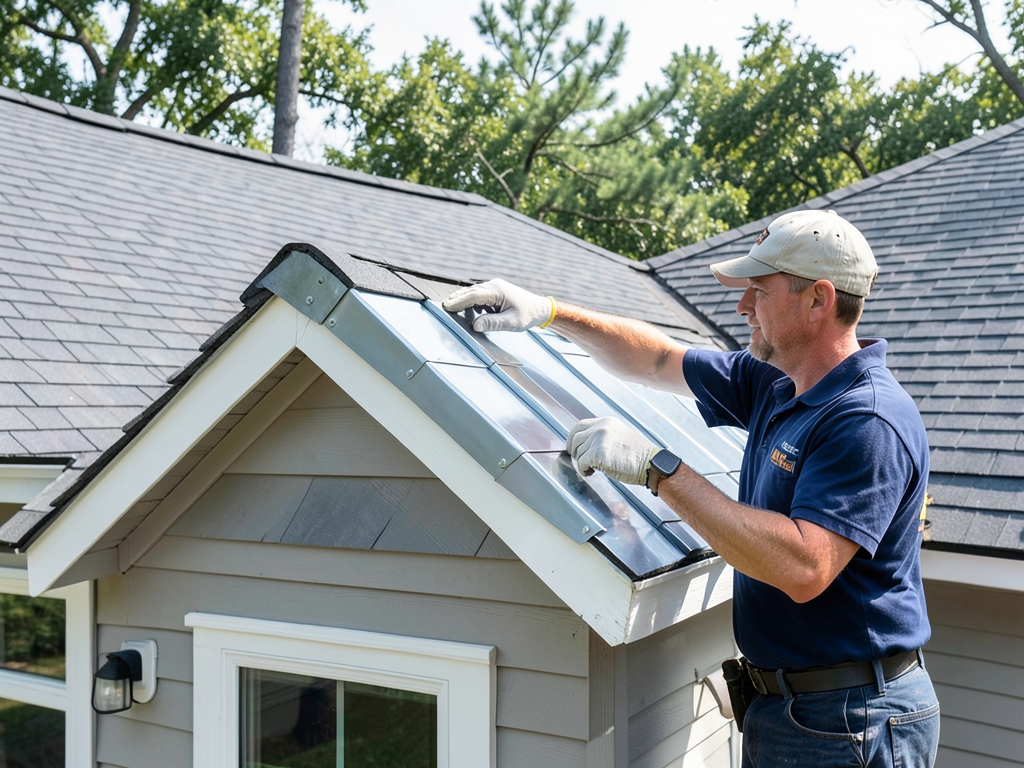
Using zinc strips to prevent unsightly mold and fungus on your Wildwood roof
Black streaks running down your Wildwood roof aren’t just dirt—they’re Gloeocapsa Magma, a blue-green algae that thrives in Louisville’s humid climate. These unsightly stains can damage your asphalt shingles and reduce your home’s curb appeal. Zinc strips offer a natural, long-term solution by releasing zinc ions that prevent algae growth without harming your landscaping or pets.
Wildwood homeowners face unique challenges due to the neighborhood’s mature tree canopy and proximity to Floyds Fork. The combination of shade, organic debris, and Kentucky’s 70% average humidity creates perfect conditions for mold, moss, and algae to colonize your roof. Left untreated, these organisms can shorten your shingle lifespan by up to 30%.
Installing zinc strips along your roof ridges creates a protective barrier that stops algae before it starts. As rainwater flows over the zinc, it carries microscopic particles across your shingles, creating an environment where mold and fungus cannot survive. This method costs significantly less than chemical treatments and provides protection for 5-10 years.
How Louisville’s climate affects your Wildwood roof
Louisville sits in the Ohio Valley, where average annual rainfall exceeds 45 inches and humidity levels hover around 70%. These conditions, combined with Wildwood’s tree-lined streets and mature oaks, create a microclimate that accelerates organic growth on roofing materials. The most trusted roofing services in Germantown and Schnitzelburg.
The Ohio River’s proximity adds another layer of moisture to the air, particularly during summer months. When warm, humid air meets the cooler surface of your roof, condensation forms—providing the water source algae need to establish themselves. This process happens fastest on north-facing slopes that receive less direct sunlight.
Wildwood’s development patterns contribute to the problem. Homes built in the 1970s-1990s typically feature asphalt shingles with limestone filler—a favorite food source for Gloeocapsa Magma. The algae feed on this limestone, creating the characteristic black streaks that worsen each year.
5 natural methods for roof mold prevention
Protecting your Wildwood roof doesn’t require harsh chemicals. These five methods work together to create a hostile environment for mold and fungus while preserving your landscaping. Protecting your Lake Louisvilla home from high winds and waterfront humidity.
1. Installing zinc or copper strips
Zinc strips installed under the first row of shingles at roof ridges release ions that prevent algae growth. The process works through galvanic action—when rainwater contacts the zinc, it creates a mild electrical current that releases zinc particles. These particles flow down your roof with each rainfall, coating the surface below.
Copper strips work similarly but release copper ions instead. Copper is more toxic to algae but also more expensive. Zinc offers the best balance of effectiveness and cost for most Wildwood homes. Installation requires working near the roof edge, making professional installation safer than DIY attempts.
2. Strategic tree trimming
Wildwood’s mature trees provide beauty but also create shade that promotes mold growth. Trimming branches to allow 6-8 hours of direct sunlight on your roof dramatically reduces moisture retention. Focus on removing branches that hang within 10 feet of your roof surface.
Pay special attention to trees that drop excessive debris. Maple and oak leaves hold moisture and create acidic conditions when they decompose on your roof. A clean roof dries faster after rainfall, making it less hospitable to algae and moss.
3. Regular gutter maintenance
Clogged gutters cause water to back up under your shingles, creating the damp conditions mold loves. Clean your gutters at least twice yearly—once in late spring after oak pollen season and again in late fall after leaves drop.
Check that downspouts direct water at least 5 feet away from your foundation. Water pooling near your home’s base increases humidity levels in your attic, which rises to affect your roof deck. Proper drainage is your first defense against moisture-related roof problems.
4. Vinegar-based spot cleaning
For existing stains, a 70% water, 30% white vinegar solution kills algae without the toxicity of bleach. Apply with a garden sprayer on a cloudy day to prevent rapid evaporation. Let the solution sit for 15-20 minutes, then rinse with low-pressure water.
Never use pressure washers on asphalt shingles—they strip protective granules and void warranties. The vinegar solution works by altering the pH on your roof surface, making it inhospitable to algae. This method works best for spot treatments rather than whole-roof applications.
5. Improving attic ventilation
Heat buildup in your attic creates temperature differentials that promote condensation on your roof deck. Kentucky Residential Code requires minimum 1 square foot of net free ventilation area per 150 square feet of attic floor space. Reliable residential roofing specialists serving Jeffersonville and Clarksville.
Check that your soffit vents aren’t blocked by insulation and that ridge vents or roof vents provide adequate exhaust. Proper ventilation keeps your roof deck within 10-15 degrees of outside temperature, reducing the freeze-thaw cycles that damage shingles and create moisture pockets where mold thrives.
The difference between mold, moss, and Gloeocapsa Magma
Understanding what’s growing on your roof helps you choose the right prevention strategy. These three organisms require different approaches.
Gloeocapsa Magma appears as black streaks and is actually a type of cyanobacteria. It forms a protective coating that makes it resistant to simple cleaning methods. This organism feeds on limestone in asphalt shingles and spreads through airborne spores. Once established, it creates a microclimate that supports other growths.
Moss looks like a green, fuzzy carpet and thrives in persistently damp, shaded areas. Unlike algae, moss has roots that can lift shingles and create entry points for water. Moss holds moisture against your roof surface, accelerating deterioration of the underlying materials.
True mold appears as black or dark green patches and indicates moisture problems beyond simple algae growth. Mold often signals ventilation issues or roof leaks. While less common on exterior roofing than algae, mold growth suggests conditions that could affect your home’s interior as well. Roofing Owensboro.
Each organism requires different treatment. Zinc strips effectively prevent algae but may not stop established moss. Vinegar solutions kill algae but won’t remove moss roots. Understanding the specific growth on your Wildwood roof ensures you choose the most effective prevention method.
When to call a Louisville professional
Some roof problems require professional assessment. Knowing when to call for help prevents costly damage and ensures your safety.
Steep roof pitches common in Wildwood’s older homes create fall hazards that make DIY work dangerous. If your roof pitch exceeds 7:12 (a rise of 7 inches per foot of horizontal run), professional equipment and training become necessary. The risk of serious injury outweighs potential savings.
Visible structural damage indicates problems beyond surface algae. Sagging roof sections, missing shingles, or water stains on interior ceilings suggest underlying issues that zinc strips cannot fix. A professional inspection can identify whether you need repairs or replacement. EPA WaterSense guidelines.
Multiple layers of existing roofing complicate DIY work. If your home has more than one layer of shingles, the additional weight and altered roof geometry create unique challenges. Professionals understand how to work with these conditions without causing further damage.
Large areas of growth covering more than 30% of your roof surface may require chemical treatment followed by zinc strip installation. Professionals have access to EPA-registered cleaners that kill existing growth without damaging your landscaping or harming local waterways.
Insurance considerations also matter. If your roof damage relates to a covered peril like wind or hail, DIY repairs might violate your policy terms. Professional documentation of damage and repairs protects your claim rights. Commercial flat roof repair and maintenance for business owners in NuLu.
Cost comparison: DIY vs. professional zinc strip installation
Understanding the true cost of roof protection helps you make informed decisions. This comparison shows what you’ll actually pay for each approach.
| Cost Factor | DIY Installation | Professional Installation |
|---|---|---|
| Zinc strip material (per linear foot) | $2.50 – $4.00 | $3.00 – $5.00 (includes markup) |
| Roof safety equipment rental | $75 – $150 per day | Included in service |
| Potential roof damage from improper installation | $500 – $2,000 | Warranty against damage |
| Time investment | 8-12 hours | 2-3 hours |
| Expected lifespan of installation | 5-7 years | 7-10 years |
| Total estimated cost (average 2,000 sq ft roof) | $450 – $600 | $800 – $1,200 |
The price difference narrows when you factor in equipment costs and potential damage. Professional installers bring experience that prevents costly mistakes like lifting shingles or creating water entry points.
Seasonal maintenance schedule for Wildwood roofs
Following a seasonal maintenance schedule prevents minor issues from becoming major problems. This timeline works for Wildwood’s specific climate conditions.
- Early Spring (March-April)
Inspect for winter damage, clean gutters, check for lifted shingles. Remove any debris that accumulated over winter months.
- Late Spring (May-June)
Check attic ventilation, inspect flashing around chimneys and vents, trim trees that contact roof surface.
- Early Summer (July-August)
Look for algae growth beginning to form, check for proper water drainage during rainfall, inspect for hail damage.
- Fall (September-October)
Clean gutters after leaves drop, check for moss growth in shaded areas, inspect seals around roof penetrations.
- Late Fall (November)
Final inspection before winter, check for loose shingles, ensure proper attic insulation to prevent ice dams.
Wildwood’s location near Floyds Fork means your home may experience slightly different conditions than houses in higher elevations. Homes closer to the creek often have higher humidity levels and may need more frequent inspections during peak algae growth seasons.
Building code considerations for zinc strip installation
Kentucky Residential Code Section R903.4 requires that roofing materials be installed according to manufacturer specifications. This includes proper fastening of any additional components like zinc strips.
The code also mandates that any roof penetration or modification maintain the roof’s weather-resistant barrier. Zinc strips must be installed under the shingle layer to prevent water infiltration at the installation points. This requirement affects where and how strips can be placed.
Jefferson County may have additional requirements for homes in historic districts or those with specific architectural features. Check with local building officials if your Wildwood home falls under special zoning or preservation guidelines.
Most zinc strip installations qualify as minor modifications that don’t require permits. However, if your installation involves removing existing shingles or modifying the roof structure, you may need approval from Jefferson County building inspection.
Insurance companies often require documentation of any roof modifications. Keep receipts and photos of your zinc strip installation in case you need to file a claim related to roof damage in the future.
Environmental impact of zinc strip vs. chemical treatments
Choosing between zinc strips and chemical treatments affects more than just your roof. Understanding the environmental implications helps you make a responsible choice for your Wildwood property.
Zinc strips release ions continuously at low concentrations—typically 0.1 to 0.5 parts per million in runoff water. These levels are generally safe for plants and animals but effectively prevent algae growth. The zinc gradually dissolves over 5-10 years, requiring replacement.
Chemical treatments often use sodium hypochlorite (bleach) or copper sulfate. While effective at killing existing growth, these chemicals can harm beneficial soil microorganisms and damage plants. Runoff from chemical treatments may exceed safe levels for aquatic life in nearby Floyds Fork.
The production of zinc strips has its own environmental cost, but their long lifespan and targeted action make them more sustainable than repeated chemical applications. One zinc strip installation prevents the need for multiple chemical treatments over its lifetime.
For Wildwood homeowners concerned about local ecosystems, zinc strips offer a balanced approach. They protect your roof while minimizing harm to the neighborhood’s trees, gardens, and the nearby creek that supports local wildlife.
Frequently Asked Questions
How long do zinc strips last on a roof?
Zinc strips typically last 5-10 years depending on rainfall volume and roof pitch. Steeper roofs shed water faster, reducing the contact time between rainwater and zinc, which can extend strip lifespan. Most manufacturers recommend inspection after 5 years to assess remaining effectiveness.
Will zinc strips damage my shingles?
No, zinc strips won’t damage asphalt shingles when properly installed. The zinc ions released are too dilute to affect the shingle material itself. In fact, by preventing algae growth that feeds on limestone filler in shingles, zinc strips can extend your roof’s functional lifespan.
Can I install zinc strips myself?
While DIY installation is possible, working on roofs carries significant fall risks. Professional installation ensures proper placement under shingles and includes safety equipment. If you have a walkable roof pitch and experience with roofing work, DIY can save money, but the safety trade-off should be carefully considered.
Do zinc strips work on all roof types?
Zinc strips work best on asphalt shingles, which are most common in Wildwood. They’re also effective on cedar shakes and some metal roofs. For concrete or clay tile roofs, the effectiveness varies based on surface texture and water flow patterns. Consult a professional for non-standard roofing materials.
How much do zinc strips cost?
Material costs range from $2.50 to $4.00 per linear foot. For an average Wildwood home with 200 feet of roof ridges, expect to pay $500-$800 for materials alone. Professional installation typically adds $300-$500, bringing total costs to $800-$1,300 depending on roof complexity.
Will zinc strips prevent all roof stains?
Zinc strips effectively prevent algae-related black streaks but won’t stop all staining. Rust from metal roof components, soot from nearby fires or industrial activity, and tannin stains from overhanging trees require different prevention methods. Zinc strips address the most common stain cause in Wildwood’s climate.
Protecting your Wildwood roof from mold and fungus doesn’t require harsh chemicals or constant maintenance. Zinc strips offer a natural, long-term solution that works with Louisville’s climate rather than against it. By understanding the specific challenges your neighborhood faces—from high humidity to mature tree canopies—you can choose the most effective prevention strategy.
Don’t wait until black streaks appear. Proactive installation of zinc strips prevents the problem before it starts, saving you money on cleaning and potential repairs. Your roof protects your home every day—return the favor with proper maintenance and prevention.
Call (502) 678-7557 today to schedule your inspection. Our Louisville-based team understands Wildwood’s unique roofing challenges and can recommend the best protection for your specific situation. Pick up the phone and call (502) 678-7557 before the next algae bloom takes hold. For more information, visit National Roofing Contractors Association.
{
“@context”: “https://schema.org”,
“@type”: “BlogPosting”,
“headline”: “Using zinc strips to prevent unsightly mold and fungus on your Wildwood roof”,
“description”: “Prevent black streaks and mold on your Wildwood roof with zinc strips. Learn how Louisville’s humidity causes algae growth and discover natural prevention methods.”,
“wordCount”: 2374,
“datePublished”: “2026-05-24T10:03:00.000Z”,
“dateModified”: “2026-05-24T10:03:00.000Z”,
“inLanguage”: “en-US”,
“mainEntityOfPage”: {
“@type”: “WebPage”,
“@id”: “https://fortressroofinglouisville.com”
},
“publisher”: {
“@type”: “LocalBusiness”,
“name”: “Fortress Roofing Louisville”,
“url”: “https://fortressroofinglouisville.com”
},
“author”: {
“@type”: “Organization”,
“name”: “Fortress Roofing Louisville”,
“url”: “https://fortressroofinglouisville.com”
},
“image”: {
“@type”: “ImageObject”,
“url”: “https://fortressroofinglouisville.com/wp-content/uploads/2026/03/using-zinc-strips-to-prevent-unsightly-mold-and-fu-1.png”
}
}
{
“@context”: “https://schema.org”,
“@type”: “RoofingContractor”,
“name”: “Fortress Roofing Louisville”,
“url”: “https://fortressroofinglouisville.com”,
“address”: {
“@type”: “PostalAddress”,
“addressLocality”: “Louisville”
},
“areaServed”: {
“@type”: “City”,
“name”: “Louisville”
}
}
{
“@context”: “https://schema.org”,
“@type”: “FAQPage”,
“mainEntity”: [
{
“@type”: “Question”,
“name”: “How long do zinc strips last on a roof?”,
“acceptedAnswer”: {
“@type”: “Answer”,
“text”: “Zinc strips typically last 5-10 years depending on rainfall volume and roof pitch. Steeper roofs shed water faster, reducing the contact time between rainwater and zinc, which can extend strip lifespan. Most manufacturers recommend inspection after 5 years to assess remaining effectiveness.”
}
},
{
“@type”: “Question”,
“name”: “Will zinc strips damage my shingles?”,
“acceptedAnswer”: {
“@type”: “Answer”,
“text”: “No, zinc strips won’t damage asphalt shingles when properly installed. The zinc ions released are too dilute to affect the shingle material itself. In fact, by preventing algae growth that feeds on limestone filler in shingles, zinc strips can extend your roof’s functional lifespan.”
}
},
{
“@type”: “Question”,
“name”: “Can I install zinc strips myself?”,
“acceptedAnswer”: {
“@type”: “Answer”,
“text”: “While DIY installation is possible, working on roofs carries significant fall risks. Professional installation ensures proper placement under shingles and includes safety equipment. If you have a walkable roof pitch and experience with roofing work, DIY can save money, but the safety trade-off should be carefully considered.”
}
},
{
“@type”: “Question”,
“name”: “Do zinc strips work on all roof types?”,
“acceptedAnswer”: {
“@type”: “Answer”,
“text”: “Zinc strips work best on asphalt shingles, which are most common in Wildwood. They’re also effective on cedar shakes and some metal roofs. For concrete or clay tile roofs, the effectiveness varies based on surface texture and water flow patterns. Consult a professional for non-standard roofing materials.”
}
},
{
“@type”: “Question”,
“name”: “How much do zinc strips cost?”,
“acceptedAnswer”: {
“@type”: “Answer”,
“text”: “Material costs range from $2.50 to $4.00 per linear foot. For an average Wildwood home with 200 feet of roof ridges, expect to pay $500-$800 for materials alone. Professional installation typically adds $300-$500, bringing total costs to $800-$1,300 depending on roof complexity.”
}
},
{
“@type”: “Question”,
“name”: “Will zinc strips prevent all roof stains?”,
“acceptedAnswer”: {
“@type”: “Answer”,
“text”: “Zinc strips effectively prevent algae-related black streaks but won’t stop all staining. Rust from metal roof components, soot from nearby fires or industrial activity, and tannin stains from overhanging trees require different prevention methods. Zinc strips address the most common stain cause in Wildwood’s climate.”
}
}
]
}
{
“@context”: “https://schema.org”,
“@type”: “HowTo”,
“name”: “Seasonal Roof Maintenance Schedule”,
“step”: [
{
“@type”: “HowToStep”,
“position”: 1,
“name”: “Early Spring (March-April)”,
“text”: “Inspect for winter damage, clean gutters, check for lifted shingles. Remove any debris that accumulated over winter months.”
},
{
“@type”: “HowToStep”,
“position”: 2,
“name”: “Late Spring (May-June)”,
“text”: “Check attic ventilation, inspect flashing around chimneys and vents, trim trees that contact roof surface.”
},
{
“@type”: “HowToStep”,
“position”: 3,
“name”: “Early Summer (July-August)”,
“text”: “Look for algae growth beginning to form, check for proper water drainage during rainfall, inspect for hail damage.”
},
{
“@type”: “HowToStep”,
“position”: 4,
“name”: “Fall (September-October)”,
“text”: “Clean gutters after leaves drop, check for moss growth in shaded areas, inspect seals around roof penetrations.”
},
{
“@type”: “HowToStep”,
“position”: 5,
“name”: “Late Fall (November)”,
“text”: “Final inspection before winter, check for loose shingles, ensure proper attic insulation to prevent ice dams.”
}
],
“image”: “https://fortressroofinglouisville.com/wp-content/uploads/2026/03/using-zinc-strips-to-prevent-unsightly-mold-and-fu-1.png”
}
{
“@context”: “https://schema.org”,
“@type”: “BreadcrumbList”,
“itemListElement”: [
{
“@type”: “ListItem”,
“position”: 1,
“name”: “Home”,
“item”: “https://fortressroofinglouisville.com”
},
{
“@type”: “ListItem”,
“position”: 2,
“name”: “Blog”,
“item”: “https://fortressroofinglouisville.com/blog”
},
{
“@type”: “ListItem”,
“position”: 3,
“name”: “Using zinc strips to prevent unsightly mold and fungus on your Wildwood roof”
}
]
}
{
“@context”: “https://schema.org”,
“@type”: “Service”,
“serviceType”: “Roofing”,
“provider”: {
“@type”: “LocalBusiness”,
“name”: “Fortress Roofing Louisville”,
“url”: “https://fortressroofinglouisville.com”
},
“areaServed”: {
“@type”: “City”,
“name”: “Louisville”
},
“description”: “Prevent black streaks and mold on your Wildwood roof with zinc strips. Learn how Louisville’s humidity causes algae growth and discover natural prevention methods.”
}