
Your mid-century modern home in Beechmont deserves a roof that honors its architectural heritage while standing up to Louisville’s challenging climate. The clean lines and distinctive roof profiles of MCM homes require specialized knowledge and materials that go far beyond standard asphalt shingles. Louisville Metro Building Inspection.
Updating your roof without compromising your home’s character means understanding the unique challenges of low-slope designs, proper drainage for butterfly and shed roof configurations, and selecting materials that complement rather than clash with your home’s aesthetic. From TPO membranes to standing seam metal, the right choices can enhance both beauty and performance.
This guide walks you through everything you need to know about preserving your Beechmont MCM home’s architectural integrity while ensuring your new roof provides decades of reliable protection against Kentucky’s humidity, wind, and freeze-thaw cycles. Reliable residential roofing specialists serving Jeffersonville and Clarksville.
Understanding MCM Roof Profiles in Louisville
Mid-century modern homes in Beechmont typically feature three distinct roof profiles that define their architectural character. The butterfly roof creates dramatic V-shaped lines that require careful water management, while flat roofs with integrated drainage systems maintain the minimalist aesthetic. Shed roofs offer a single-directional slope that works well with clerestory windows and open floor plans. Why we are the highest rated roofing team in the Louisville metro area.
Each profile presents unique technical challenges. Butterfly roofs collect water in their central valley, requiring engineered drainage solutions that prevent ponding. Flat roofs in Louisville’s humid climate need enhanced insulation and ventilation to combat moisture buildup. Shed roofs must handle concentrated water flow from their steep ends without overwhelming gutter systems.
The key to preserving character lies in maintaining these original lines while upgrading the underlying structure. This often means reinforcing roof decks, installing proper vapor barriers, and selecting materials that can handle Louisville’s 45 inches of annual rainfall without visible seams or bulky mounting hardware that would disrupt clean architectural lines.
Best Roofing Materials for Louisville MCM Homes
Selecting the right material means balancing aesthetics, durability, and Louisville’s climate demands. Here’s how the top options compare for mid-century modern applications:
| Material | Best For | Climate Performance | Character Preservation |
|---|---|---|---|
| TPO Membrane | Flat/butterfly roofs | Excellent UV resistance, energy efficient | Seamless white surface maintains clean lines |
| Standing Seam Metal | Shed roofs, accent walls | Handles wind up to 140 mph, hail resistant | Vertical lines enhance MCM aesthetic |
| Modified Bitumen | Low-slope applications | Flexible in freeze-thaw, good waterproofing | Available in dark colors for period accuracy |
| EPDM Rubber | Budget flat roof solutions | Durable, handles temperature extremes | Black surface may contrast with white MCM themes |
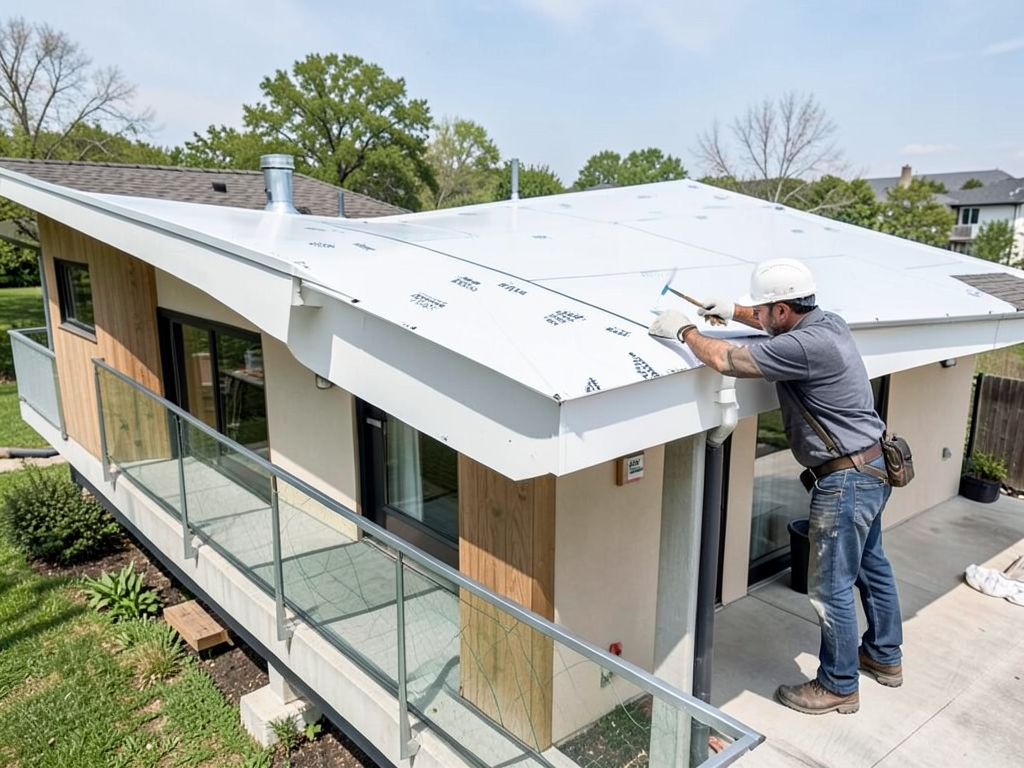
TPO membranes have become the gold standard for MCM flat roofs in Louisville. The white reflective surface reduces cooling costs during our humid summers while the heat-welded seams create the seamless appearance that MCM architecture demands. The material handles Louisville’s freeze-thaw cycles without becoming brittle, and its 25-30 year lifespan means your investment lasts through multiple ownership cycles.
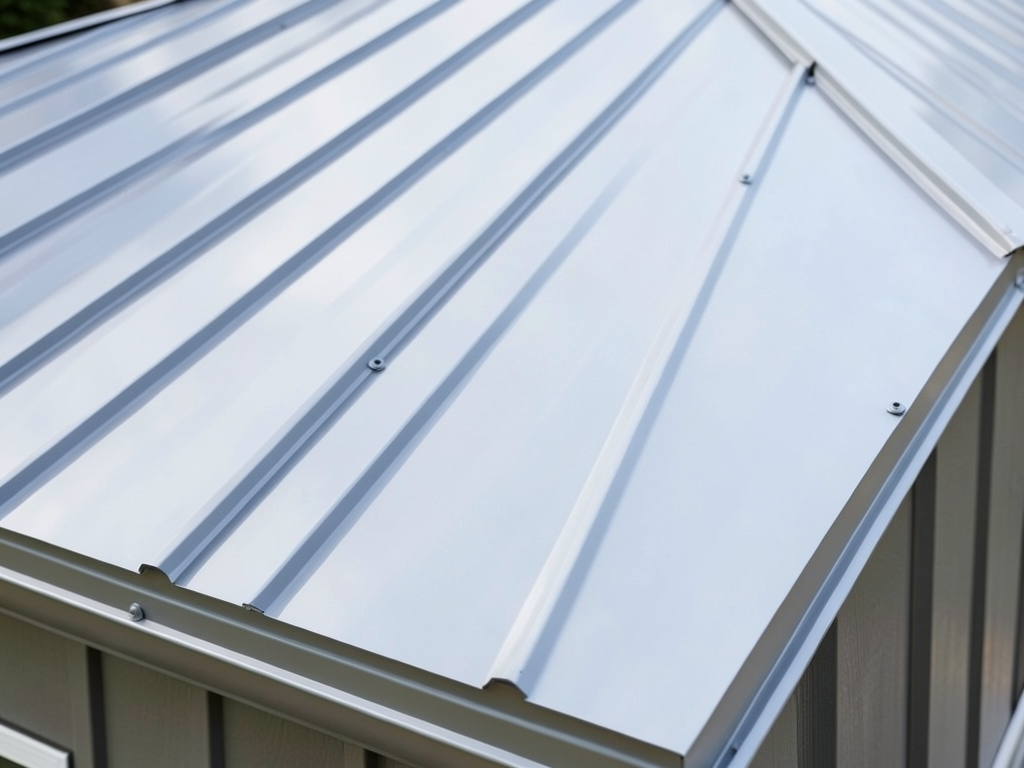
Standing seam metal works beautifully on shed roof sections, creating vertical shadow lines that echo MCM design principles. The material’s Class 4 impact resistance protects against Louisville’s frequent hailstorms, while the concealed fastener system maintains clean roof lines without visible screws or nails that would disrupt the minimalist aesthetic.
Addressing Louisville’s Climate: Drainage and Insulation
Louisville’s climate creates specific challenges for MCM roofs that require engineered solutions. Our 45 inches of annual rainfall concentrates on low-slope surfaces, while humidity levels averaging 70% year-round create condensation risks in roof assemblies. The freeze-thaw cycles common in January and February cause expansion and contraction that can split traditional materials.
Proper drainage starts with understanding your roof’s specific geometry. Butterfly roofs need internal drains or scuppers sized for 100-year storm events, not just standard residential calculations. Flat roofs require tapered insulation systems that create positive drainage slopes toward collection points, eliminating ponding water that can damage membranes and create mosquito breeding grounds.
Insulation requirements in Kentucky have evolved significantly. Current Kentucky Residential Code Section R402.1.1 mandates R-30 minimum in roof assemblies, but MCM homes often need R-38 or higher to meet modern energy standards while maintaining the original roof profile. This means using high-density foam boards or spray foam that provides maximum R-value per inch without building up roof edges.
Ventilation becomes critical in Louisville’s humid climate. Without proper airflow, moisture trapped in roof assemblies creates conditions for wood rot, mold growth, and premature material failure. Clerestory windows in MCM designs offer natural ventilation opportunities, but mechanical systems with humidity sensors ensure consistent moisture control year-round.
Case Study: A Beechmont MCM Restoration
The Johnson residence on Southern Parkway exemplifies successful MCM roof preservation. Built in 1962 with a butterfly roof design, the home had suffered from chronic leaks and energy inefficiency. The original built-up gravel roof had reached the end of its service life, with multiple patches creating an uneven surface that disrupted the home’s clean lines.
The restoration began with structural assessment. The roof deck showed signs of water damage from decades of inadequate drainage, requiring selective replacement of rotted sheathing. The team installed a new tapered insulation system that created proper drainage slopes while maintaining the butterfly profile’s dramatic visual impact.
For the new roofing system, we selected a premium TPO membrane in bright white to reflect heat while maintaining the seamless appearance MCM architecture demands. The installation included upgraded internal drains with oversized strainers to handle Louisville’s heavy rainfall events. The project also incorporated solar tubes in the clerestory areas, providing natural light without compromising the roof’s structural integrity. The most trusted roofing services in Germantown and Schnitzelburg.
The result preserved the home’s architectural character while solving the chronic moisture problems. Energy bills dropped by 28% in the first year, and the new roof’s 30-year warranty provides peace of mind against Louisville’s weather extremes. The project demonstrates how modern materials and techniques can honor mid-century design while meeting contemporary performance standards.
Louisville Building Codes and MCM Roofing
Working on MCM homes in Louisville requires navigating specific code requirements that affect low-slope roofing applications. The Louisville Metro Building Code adopts the 2018 International Residential Code with local amendments that impact roof assemblies, particularly regarding wind resistance and ice dam protection. Roofing Owensboro.
Wind requirements vary by location within the metro area. Homes in the downtown corridor and along the Ohio River face higher design wind speeds, often requiring enhanced fastening patterns for membrane roofing. The code mandates specific pull-test requirements for low-slope applications, ensuring your new roof can withstand Louisville’s frequent spring wind storms.
Ice dam protection requirements under IRC Section R905.2.7 apply to all roof eaves, including those on MCM homes with minimal overhangs. This typically means installing self-adhering polymer-modified bitumen membranes extending at least 24 inches inside the exterior wall line. In Louisville’s climate, extending this protection to 36 inches provides additional insurance against ice dam formation during our occasional but severe winter storms.
Flat roof installations must comply with additional requirements under IRC Section R907, including enhanced perimeter fastening, specific slope minimums (typically 1/4 inch per foot), and approved drainage systems. The code also addresses fire ratings for low-slope roofs, particularly important for homes with cedar or wood siding that could be vulnerable to ember spread during dry periods.
Maintenance Checklist for MCM Roof Longevity
Preserving your MCM roof investment requires regular maintenance that addresses Louisville’s specific environmental challenges. The combination of high humidity, abundant tree cover in Beechmont, and seasonal debris creates conditions that can shorten roof life without proper care.
Seasonal inspections should focus on different concerns throughout the year. Spring inspections check for winter damage and clear debris accumulated during fall and winter. Summer maintenance addresses algae and moss growth common in Louisville’s humid conditions. Fall preparation involves gutter cleaning and ensuring drainage systems are clear before winter storms arrive. Winter checks verify ice dam prevention systems are functioning properly. EPA Roofing Guidelines.
Key maintenance tasks include:
- Cleaning scuppers and internal drains quarterly to prevent clogging
- Inspecting membrane seams annually for signs of separation or damage
- Checking roof penetrations around vents, skylights, and HVAC equipment
- Cleaning gutters and downspouts to ensure proper water flow
- Trimming tree branches that could damage roof surfaces during storms
Professional inspections every two years help identify developing issues before they become major problems. A qualified roofing contractor familiar with MCM architecture can spot early signs of membrane degradation, drainage issues, or structural concerns specific to low-slope designs.
Cost Considerations for MCM Roof Projects
Roofing a mid-century modern home typically costs 20-40% more than standard residential roofing due to the specialized materials, precise installation requirements, and often complex geometry. However, this investment preserves your home’s architectural integrity and can prevent costly water damage repairs common with aging MCM roofs. Commercial flat roof repair and maintenance for business owners in NuLu.
Material costs vary significantly by choice. TPO membranes run $5-8 per square foot installed, while standing seam metal ranges from $10-15 per square foot. Modified bitumen offers a middle ground at $7-10 per square foot but may not provide the same aesthetic appeal for MCM designs. The premium for materials that maintain clean lines and period-appropriate appearance is often worth the investment for architecturally significant homes.
Installation complexity adds another layer of cost. Butterfly and flat roof configurations require more labor hours, specialized equipment, and experienced crews familiar with low-slope applications. The need for precise drainage engineering, enhanced insulation systems, and careful integration with existing architectural features all contribute to higher installation costs compared to standard gable roofs.
Long-term value considerations often justify the premium. Modern materials like TPO provide 30-year warranties, significant energy savings through improved insulation and reflectivity, and protection against Louisville’s weather extremes. When factoring in avoided repair costs and energy savings, the lifetime cost often compares favorably to repeated repairs on aging systems.
Frequently Asked Questions
Can I install traditional asphalt shingles on my MCM home’s flat roof sections?
No. Asphalt shingles are not rated for low-slope applications and will fail prematurely on surfaces with less than a 2:12 pitch. They also create an aesthetic that conflicts with MCM design principles. Modern single-ply membranes or modified bitumen systems are the appropriate choices for these applications.
How do I maintain the period look while meeting modern energy codes?
High-density insulation boards and tapered insulation systems allow you to meet R-value requirements without building up roof edges or creating visual bulk. These products provide maximum insulation in minimal thickness, preserving the clean lines essential to MCM architecture while meeting current energy standards.
Are there historic preservation considerations for MCM homes in Louisville?
While most Beechmont MCM homes aren’t in designated historic districts, the Louisville Landmarks Commission provides guidelines for preserving mid-century architecture. These typically emphasize maintaining original roof profiles, using period-appropriate materials, and avoiding alterations that would significantly change the home’s character.
What’s the typical timeline for a complete MCM roof replacement?
Most projects take 2-3 weeks from start to finish, depending on weather conditions and roof complexity. This includes removal of existing roofing, structural repairs if needed, installation of new insulation and drainage systems, and final roofing installation. Weather delays are common during Louisville’s stormy seasons.
Will a new roof increase my home’s value?
Yes. A properly executed MCM roof replacement that preserves architectural character while solving chronic issues can increase home value by 5-10%. The combination of improved energy efficiency, eliminated leak risks, and preserved aesthetic appeal makes your home more attractive to buyers who appreciate mid-century architecture.
Updating your mid-century modern home’s roof in Beechmont doesn’t mean sacrificing its character for modern performance. With the right materials, proper drainage engineering, and attention to Louisville’s specific climate challenges, you can preserve the clean lines and distinctive profiles that make MCM architecture special while ensuring your home remains protected for decades to come.
The key is working with contractors who understand both the technical requirements of low-slope roofing and the aesthetic principles of mid-century design. This specialized knowledge ensures your investment enhances rather than compromises your home’s architectural integrity.
Ready to preserve your Beechmont MCM home’s character with a roof that performs beautifully in Louisville’s climate? Call (502) 678-7557 today to schedule your inspection and discover how modern materials can honor your home’s mid-century heritage.
Don’t wait until the next storm reveals your roof’s weaknesses. Pick up the phone and call (502) 678-7557 before minor issues become major problems that could damage your home’s interior and compromise its architectural integrity.
{
“@context”: “https://schema.org”,
“@type”: “BlogPosting”,
“headline”: “Updating the roof on your mid-century Beechmont home without losing its character”,
“description”: “Preserve your Beechmont mid-century home’s character with the right roofing materials. Learn about flat roof systems, drainage solutions, and local Louisville building codes.”,
“wordCount”: 2059,
“datePublished”: “2026-03-14T12:06:00.000Z”,
“dateModified”: “2026-03-14T12:06:00.000Z”,
“inLanguage”: “en-US”,
“mainEntityOfPage”: {
“@type”: “WebPage”,
“@id”: “https://fortressroofinglouisville.com”
},
“publisher”: {
“@type”: “LocalBusiness”,
“name”: “Fortress Roofing Louisville”,
“url”: “https://fortressroofinglouisville.com”
},
“author”: {
“@type”: “Organization”,
“name”: “Fortress Roofing Louisville”,
“url”: “https://fortressroofinglouisville.com”
},
“image”: {
“@type”: “ImageObject”,
“url”: “https://fortressroofinglouisville.com/wp-content/uploads/2026/03/updating-the-roof-on-your-mid-century-beechmont-ho-1.png”
}
}
{
“@context”: “https://schema.org”,
“@type”: “RoofingContractor”,
“name”: “Fortress Roofing Louisville”,
“url”: “https://fortressroofinglouisville.com”,
“address”: {
“@type”: “PostalAddress”,
“addressLocality”: “Louisville”
},
“areaServed”: {
“@type”: “City”,
“name”: “Louisville”
}
}
{
“@context”: “https://schema.org”,
“@type”: “FAQPage”,
“mainEntity”: [
{
“@type”: “Question”,
“name”: “Can I install traditional asphalt shingles on my MCM home’s flat roof sections?”,
“acceptedAnswer”: {
“@type”: “Answer”,
“text”: “No. Asphalt shingles are not rated for low-slope applications and will fail prematurely on surfaces with less than a 2:12 pitch. They also create an aesthetic that conflicts with MCM design principles. Modern single-ply membranes or modified bitumen systems are the appropriate choices for these applications.”
}
},
{
“@type”: “Question”,
“name”: “How do I maintain the period look while meeting modern energy codes?”,
“acceptedAnswer”: {
“@type”: “Answer”,
“text”: “High-density insulation boards and tapered insulation systems allow you to meet R-value requirements without building up roof edges or creating visual bulk. These products provide maximum insulation in minimal thickness, preserving the clean lines essential to MCM architecture while meeting current energy standards.”
}
},
{
“@type”: “Question”,
“name”: “Are there historic preservation considerations for MCM homes in Louisville?”,
“acceptedAnswer”: {
“@type”: “Answer”,
“text”: “While most Beechmont MCM homes aren’t in designated historic districts, the Louisville Landmarks Commission provides guidelines for preserving mid-century architecture. These typically emphasize maintaining original roof profiles, using period-appropriate materials, and avoiding alterations that would significantly change the home’s character.”
}
},
{
“@type”: “Question”,
“name”: “What’s the typical timeline for a complete MCM roof replacement?”,
“acceptedAnswer”: {
“@type”: “Answer”,
“text”: “Most projects take 2-3 weeks from start to finish, depending on weather conditions and roof complexity. This includes removal of existing roofing, structural repairs if needed, installation of new insulation and drainage systems, and final roofing installation. Weather delays are common during Louisville’s stormy seasons.”
}
},
{
“@type”: “Question”,
“name”: “Will a new roof increase my home’s value?”,
“acceptedAnswer”: {
“@type”: “Answer”,
“text”: “Yes. A properly executed MCM roof replacement that preserves architectural character while solving chronic issues can increase home value by 5-10%. The combination of improved energy efficiency, eliminated leak risks, and preserved aesthetic appeal makes your home more attractive to buyers who appreciate mid-century architecture.”
}
}
]
}
{
“@context”: “https://schema.org”,
“@type”: “BreadcrumbList”,
“itemListElement”: [
{
“@type”: “ListItem”,
“position”: 1,
“name”: “Home”,
“item”: “https://fortressroofinglouisville.com”
},
{
“@type”: “ListItem”,
“position”: 2,
“name”: “Blog”,
“item”: “https://fortressroofinglouisville.com/blog”
},
{
“@type”: “ListItem”,
“position”: 3,
“name”: “Updating the roof on your mid-century Beechmont home without losing its character”
}
]
}
{
“@context”: “https://schema.org”,
“@type”: “Service”,
“serviceType”: “Roofing”,
“provider”: {
“@type”: “LocalBusiness”,
“name”: “Fortress Roofing Louisville”,
“url”: “https://fortressroofinglouisville.com”
},
“areaServed”: {
“@type”: “City”,
“name”: “Louisville”
},
“description”: “Preserve your Beechmont mid-century home’s character with the right roofing materials. Learn about flat roof systems, drainage solutions, and local Louisville building codes.”
}