
Understanding Roof Decking and When Replacement Becomes Necessary
Your roof’s decking forms the critical foundation that supports every layer above it. In Louisville’s climate, this wooden substrate faces unique challenges from humidity, temperature swings, and seasonal storms that can accelerate deterioration. Understanding when replacement becomes necessary helps you make informed decisions before small issues become major structural problems. Louisville Metro Code Enforcement.
Roof decking typically consists of plywood or oriented strand board (OSB) sheets nailed to your roof trusses. These sheets create the solid surface that shingles attach to and provide structural integrity for your entire roofing system. When this wood becomes compromised, the entire roof system fails to function properly. The most trusted roofing services in Germantown and Schnitzelburg.
Local conditions in Louisville create specific challenges for roof decking. The Ohio River Valley’s high humidity levels promote moisture absorption in wood materials. Combined with the area’s freeze-thaw cycles during winter months, this creates an environment where wood can deteriorate faster than in drier climates. Understanding these local factors helps you recognize when replacement becomes necessary rather than attempting temporary repairs. Commercial flat roof repair and maintenance for business owners in NuLu.
Several warning signs indicate your decking may need replacement. Sagging areas in your roof surface suggest the wood underneath has lost structural integrity. Water stains on your ceiling or walls often point to leaks that have penetrated through damaged decking. If you notice granules from asphalt shingles accumulating in your gutters, this could indicate your roof is aging and the underlying wood may be compromised. Why we are the highest rated roofing team in the Louisville metro area.
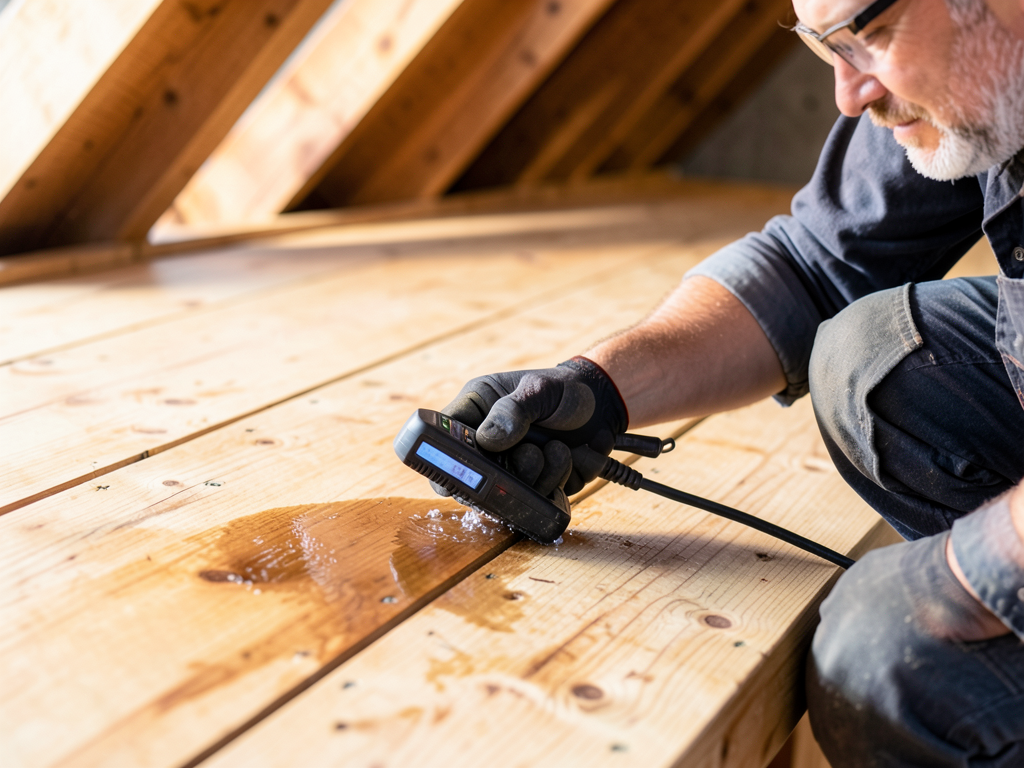
The inspection process reveals whether decking replacement is necessary. A qualified roofing contractor will check for soft spots by walking the roof surface and noting any areas that feel spongy or unstable. They may use a moisture meter to detect elevated moisture levels in the wood. In some cases, they might need to remove a few shingles to visually inspect the decking condition underneath. Roofing Owensboro.
Building codes in Louisville require specific standards for roof decking replacement. The Kentucky Residential Code mandates minimum thickness requirements for new decking materials. For most residential applications, this means using 7/16-inch thick plywood or OSB panels. However, certain roof slopes or local zoning requirements may necessitate thicker materials. Reliable residential roofing specialists serving Jeffersonville and Clarksville.
Permit requirements apply when replacing roof decking in Jefferson County. The Louisville Metro Department of Codes and Regulations requires permits for structural roofing work that affects the deck. This ensures all replacement work meets current building standards and passes inspection before the project completes.
Material selection impacts both cost and longevity. CDX plywood offers better moisture resistance than standard OSB in Louisville’s humid climate. The exterior glue used in CDX plywood provides additional protection against moisture penetration. While OSB costs less initially, plywood’s superior moisture resistance often makes it the better long-term investment for local conditions.
Installation techniques affect how well new decking performs. Proper spacing between sheets allows for natural expansion and contraction as temperatures change. Using the correct fasteners at proper intervals ensures the decking remains securely attached to the trusses. These details matter significantly for preventing future problems.
The relationship between decking condition and shingle performance cannot be overstated. Even high-quality shingles cannot perform properly when installed over deteriorated decking. The solid foundation provided by good decking allows shingles to lay flat and seal correctly. Without this foundation, shingles may buckle, crack, or fail prematurely.
Ventilation plays a crucial role in decking longevity. Proper attic ventilation prevents moisture buildup that can lead to wood rot. In Louisville’s climate, ensuring adequate intake and exhaust ventilation helps maintain stable moisture levels in your decking materials. This often gets overlooked during roof replacement projects.
Age considerations factor into decking replacement decisions. Most decking materials last 20-30 years under normal conditions. However, Louisville’s climate can shorten this lifespan significantly. Homes near the Ohio River or in low-lying areas may experience faster deterioration due to higher moisture exposure.
Insurance considerations affect decking replacement projects. Some insurance policies cover decking replacement when damage results from covered perils like wind or hail. However, replacement due to normal aging or poor maintenance typically falls outside coverage parameters. Understanding your policy helps you budget appropriately.
The inspection process should include checking for specific types of damage. Wood rot appears as soft, discolored areas that may crumble when pressed. Delamination occurs when plywood layers separate due to moisture exposure. Both conditions require replacement rather than repair for long-term reliability.
Cost factors vary based on several variables. Material prices fluctuate based on market conditions and availability. Labor costs depend on roof complexity, with steeper slopes requiring more time and safety equipment. Accessibility also affects pricing, as two-story homes or those with difficult roof access may incur additional charges.
Timing considerations influence project planning. Spring and fall typically offer the most favorable weather conditions for roof work in Louisville. However, emergency situations may require work during less ideal times. Planning ahead allows for better scheduling and potentially better pricing.
Quality installation ensures decking replacement provides lasting value. This includes proper fastening patterns, appropriate material selection for local conditions, and attention to detail around penetrations like chimneys and vents. Cutting corners during installation often leads to premature failure.
Maintenance practices after replacement help maximize your investment. Regular inspections allow you to catch minor issues before they become major problems. Keeping gutters clean prevents water backup that could damage new decking. These simple steps extend the life of your roofing system.
Environmental factors specific to Louisville affect decking performance. The urban heat island effect in downtown areas can increase temperature extremes on roof surfaces. Homes near industrial areas may face additional chemical exposure that affects wood durability. Understanding these factors helps in material selection.
Historical homes in Louisville often present unique challenges for decking replacement. Many older homes used different materials or construction methods than current standards require. Working with experienced contractors familiar with local historic architecture ensures proper approaches that preserve structural integrity while meeting modern codes.
The connection between decking and other roof components cannot be overlooked. Flashing, underlayment, and ventilation systems all work together with the decking to create a complete roofing system. Addressing all components during replacement ensures optimal performance and longevity.
Energy efficiency considerations increasingly influence decking choices. Some newer materials offer improved insulation properties that can help reduce heating and cooling costs. While these may cost more initially, the energy savings over time can offset the additional investment.
Local building practices continue to evolve based on experience and new technology. Staying informed about current best practices helps you make better decisions about your roofing investments. Working with contractors who stay current with industry developments ensures you receive the most effective solutions.
Safety considerations during decking replacement cannot be overlooked. Working at heights requires proper equipment and training. Weather conditions must be monitored closely, as sudden storms can create hazardous situations. Professional contractors maintain appropriate insurance and follow safety protocols to protect workers and your property.
The decision between repair and replacement often comes down to cost-effectiveness over time. While repairing damaged sections may seem less expensive initially, widespread deterioration typically makes full replacement the more economical choice long-term. A thorough inspection helps determine the most appropriate approach.
Communication with your contractor throughout the process helps ensure satisfactory results. Understanding what to expect at each stage reduces anxiety and allows you to prepare appropriately. Clear expectations about timelines, costs, and cleanup help the project proceed smoothly.
Documentation of your decking replacement provides valuable records for future reference. This includes material specifications, warranty information, and inspection reports. These documents help with insurance claims, property sales, and future maintenance planning.
Frequently Asked Questions
How long should roof decking last in Louisville’s climate?
Under normal conditions, roof decking typically lasts 20-30 years. However, Louisville’s high humidity and freeze-thaw cycles can reduce this lifespan to 15-20 years for some homes, particularly those near the Ohio River or in areas with poor attic ventilation.
Can I replace only the damaged sections of decking?
While spot repairs are possible for isolated damage, widespread deterioration usually makes full replacement more cost-effective. Mixing old and new decking can create uneven surfaces that affect shingle performance and may lead to premature failure of the entire roofing system.
What building code requirements apply to decking replacement in Louisville?
The Kentucky Residential Code requires minimum 7/16-inch thickness for most applications. Jefferson County also requires permits for structural roofing work. Local inspectors verify that replacement materials and installation methods meet current standards before final approval.
How can I tell if my decking needs replacement without climbing on the roof?
Look for water stains on interior ceilings or walls, check your attic for daylight showing through the roof boards, and examine your attic during or after rain for active leaks. Sagging areas in your ceiling can also indicate compromised decking above.
Does insurance cover decking replacement?
Insurance typically covers decking replacement only when damage results from covered perils like wind or hail. Normal aging, poor maintenance, or wear-and-tear generally falls outside coverage. Review your specific policy or consult with your insurance agent for details about your coverage. For more information, visit ASTM Standards for Wood Structural Panels.
{
“@context”: “https://schema.org”,
“@type”: “BlogPosting”,
“headline”: “Understanding roof decking and when you need to replace the wood under your shingles”,
“description”: “Learn how Louisville’s humidity and freeze-thaw cycles destroy roof decking. See when wood needs replacement and how building codes affect your project.”,
“wordCount”: 1547,
“datePublished”: “2026-03-17T14:07:00.000Z”,
“dateModified”: “2026-03-17T14:07:00.000Z”,
“inLanguage”: “en-US”,
“mainEntityOfPage”: {
“@type”: “WebPage”,
“@id”: “https://fortressroofinglouisville.com”
},
“publisher”: {
“@type”: “LocalBusiness”,
“name”: “Fortress Roofing Louisville”,
“url”: “https://fortressroofinglouisville.com”
},
“author”: {
“@type”: “Organization”,
“name”: “Fortress Roofing Louisville”,
“url”: “https://fortressroofinglouisville.com”
},
“image”: {
“@type”: “ImageObject”,
“url”: “https://fortressroofinglouisville.com/wp-content/uploads/2026/03/understanding-roof-decking-and-when-you-need-to-re-1.png”
}
}
{
“@context”: “https://schema.org”,
“@type”: “RoofingContractor”,
“name”: “Fortress Roofing Louisville”,
“url”: “https://fortressroofinglouisville.com”,
“address”: {
“@type”: “PostalAddress”,
“addressLocality”: “Louisville”
},
“areaServed”: {
“@type”: “City”,
“name”: “Louisville”
}
}
{
“@context”: “https://schema.org”,
“@type”: “FAQPage”,
“mainEntity”: [
{
“@type”: “Question”,
“name”: “How long should roof decking last in Louisville’s climate?”,
“acceptedAnswer”: {
“@type”: “Answer”,
“text”: “Under normal conditions, roof decking typically lasts 20-30 years. However, Louisville’s high humidity and freeze-thaw cycles can reduce this lifespan to 15-20 years for some homes, particularly those near the Ohio River or in areas with poor attic ventilation.”
}
},
{
“@type”: “Question”,
“name”: “Can I replace only the damaged sections of decking?”,
“acceptedAnswer”: {
“@type”: “Answer”,
“text”: “While spot repairs are possible for isolated damage, widespread deterioration usually makes full replacement more cost-effective. Mixing old and new decking can create uneven surfaces that affect shingle performance and may lead to premature failure of the entire roofing system.”
}
},
{
“@type”: “Question”,
“name”: “What building code requirements apply to decking replacement in Louisville?”,
“acceptedAnswer”: {
“@type”: “Answer”,
“text”: “The Kentucky Residential Code requires minimum 7/16-inch thickness for most applications. Jefferson County also requires permits for structural roofing work. Local inspectors verify that replacement materials and installation methods meet current standards before final approval.”
}
},
{
“@type”: “Question”,
“name”: “How can I tell if my decking needs replacement without climbing on the roof?”,
“acceptedAnswer”: {
“@type”: “Answer”,
“text”: “Look for water stains on interior ceilings or walls, check your attic for daylight showing through the roof boards, and examine your attic during or after rain for active leaks. Sagging areas in your ceiling can also indicate compromised decking above.”
}
},
{
“@type”: “Question”,
“name”: “Does insurance cover decking replacement?”,
“acceptedAnswer”: {
“@type”: “Answer”,
“text”: “Insurance typically covers decking replacement only when damage results from covered perils like wind or hail. Normal aging, poor maintenance, or wear-and-tear generally falls outside coverage. Review your specific policy or consult with your insurance agent for details about your coverage. For more information, visit ASTM Standards for Wood Structural Panels.”
}
}
]
}
{
“@context”: “https://schema.org”,
“@type”: “BreadcrumbList”,
“itemListElement”: [
{
“@type”: “ListItem”,
“position”: 1,
“name”: “Home”,
“item”: “https://fortressroofinglouisville.com”
},
{
“@type”: “ListItem”,
“position”: 2,
“name”: “Blog”,
“item”: “https://fortressroofinglouisville.com/blog”
},
{
“@type”: “ListItem”,
“position”: 3,
“name”: “Understanding roof decking and when you need to replace the wood under your shingles”
}
]
}
{
“@context”: “https://schema.org”,
“@type”: “Service”,
“serviceType”: “Roofing”,
“provider”: {
“@type”: “LocalBusiness”,
“name”: “Fortress Roofing Louisville”,
“url”: “https://fortressroofinglouisville.com”
},
“areaServed”: {
“@type”: “City”,
“name”: “Louisville”
},
“description”: “Learn how Louisville’s humidity and freeze-thaw cycles destroy roof decking. See when wood needs replacement and how building codes affect your project.”
}