
Keeping Your Detached Backyard Studio or She Shed Dry with a Small Scale Roofing Upgrade in NuLu
Small backyard structures in NuLu face unique weather challenges that larger buildings don’t experience. The Ohio Valley’s high humidity, frequent storms, and freeze-thaw cycles can quickly destroy poorly installed roofs on detached studios and she sheds. Understanding proper material selection, ventilation requirements, and installation techniques makes the difference between a dry workspace and a constant battle with leaks.
The compact size of these structures creates specific vulnerabilities. Water runoff concentrates on smaller roof areas, increasing pressure on flashing and edge details. Limited attic space restricts airflow, trapping moisture that leads to rot and mold growth. Temperature swings cause expansion and contraction that larger buildings handle more easily. These factors demand specialized approaches to small-scale roofing that many general contractors overlook. The most trusted roofing services in Germantown and Schnitzelburg.
Material selection becomes critical when working with small footprints. Traditional asphalt shingles work well on larger homes but may overwhelm the visual scale of a backyard studio. Metal roofing offers durability and proper water shedding but requires careful fastening to prevent noise amplification in confined spaces. Synthetic materials provide the look of natural products without the weight concerns that stress small roof structures.. Read more about The specific roofing permits and regulations you need before starting a renovation in Heritage Creek.
Common Small Structure Roofing Materials for NuLu Backyards
Asphalt shingles remain the most popular choice for backyard studios due to their affordability and ease of installation. Three-tab shingles work well on low-pitch roofs while architectural shingles provide better wind resistance for exposed locations. The key difference lies in the weight distribution across small roof decks. Standard 15-pound felt underlayment provides adequate moisture protection, but synthetic underlayments offer superior tear resistance during installation.
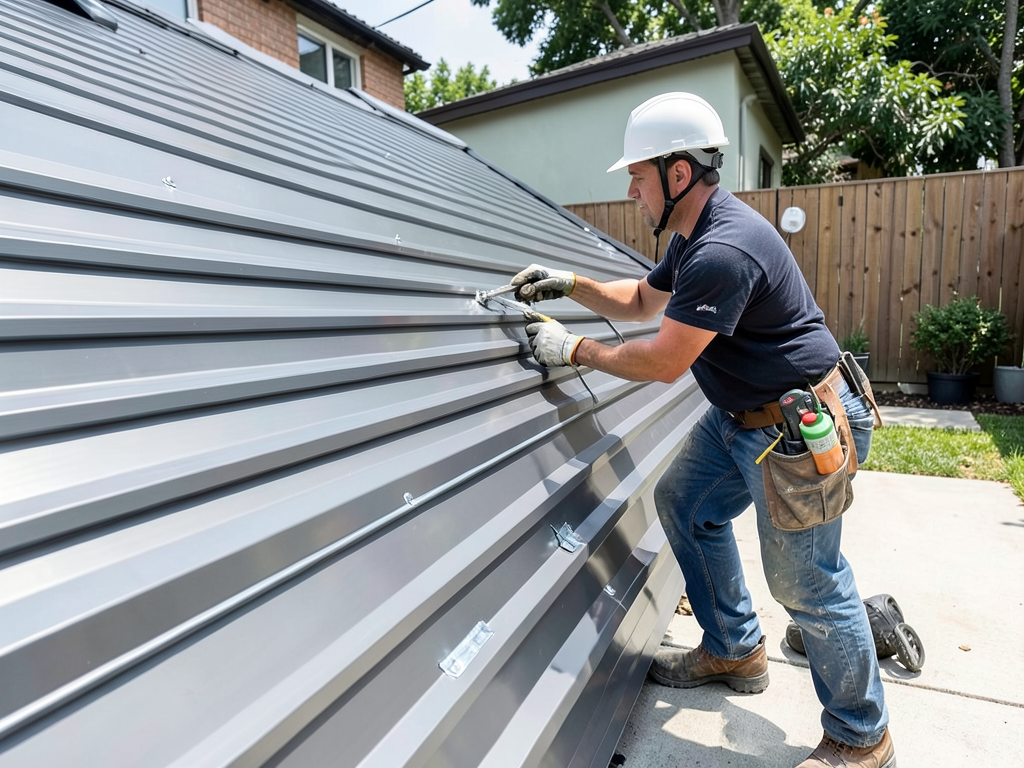
Metal roofing systems excel in Louisville’s storm-prone climate. Standing seam panels create clean lines that complement modern studio designs while providing exceptional water shedding. The interlocking seams eliminate exposed fasteners that can leak over time. However, metal requires proper sound-deadening underlayment to prevent drumming during heavy rain on small structures where sound amplifies.
Synthetic slate and shake products give backyard studios upscale appearance without the weight of natural materials. These polymer-based products install easily on small structures and resist the algae growth common in NuLu’s humid environment. The lightweight nature prevents structural stress on the modest framing typical of backyard buildings.
EPDM rubber roofing works exceptionally well for flat or low-slope studio roofs. The seamless membrane prevents leaks at the most vulnerable roof-to-wall transitions. Heat-welded seams create waterproof joints that outlast traditional adhesives. The black surface absorbs heat in winter but requires proper insulation to prevent condensation in summer.
Ventilation Requirements for Small Unheated Structures
Proper ventilation prevents moisture accumulation that destroys small roof systems. Unlike heated buildings where vapor barriers control moisture movement, unheated studios rely on airflow to keep roof assemblies dry. Ridge vents work well on gable-roof studios, allowing warm moist air to escape at the highest point. However, the limited ridge length on small structures reduces ventilation effectiveness. Why we are the highest rated roofing team in the Louisville metro area.
Soffit vents provide essential intake airflow but require careful installation to prevent insect entry through the large openings needed for adequate ventilation. Continuous soffit vents work better than individual vents on small structures where every opening represents a significant percentage of the total ventilation area. The 1:150 ventilation ratio applies to small buildings just as it does to larger homes.
Unheated structures benefit from passive ventilation systems that don’t require electricity. Turbine vents spin with even slight breezes, creating constant air movement through the roof assembly. The compact size of backyard studios means a single turbine can provide adequate ventilation where multiple units would be needed on larger buildings. Gable-end louvers offer another option, particularly for studios with limited ridge length.
Moisture meters help diagnose ventilation problems before they cause damage. Testing the roof deck moisture content reveals whether current ventilation provides adequate drying. Readings above 15% indicate excessive moisture that requires additional ventilation or vapor barrier improvements. The small size of backyard studios makes moisture problems develop faster than in larger buildings.
NuLu Climate Challenges for Small Roof Systems
Louisville’s climate creates specific challenges for small roof structures. The Ohio Valley’s high humidity levels, averaging 70% annually, promote algae and moss growth on roof surfaces. Small structures surrounded by trees or other buildings receive less direct sunlight, extending the time moisture remains on roof surfaces. This creates ideal conditions for biological growth that degrades roofing materials.
Spring storm systems bring intense rainfall that tests small roof drainage systems. The concentrated runoff from limited roof areas can overwhelm standard gutters designed for larger buildings. Oversized downspouts and wider gutter profiles prevent overflow during heavy downpours common in April and May. The 6:12 pitch minimum for asphalt shingles becomes critical in preventing water backup under shingles during wind-driven rain.
Freeze-thaw cycles stress small roof assemblies more severely than larger structures. The limited thermal mass of backyard studios allows temperatures to fluctuate rapidly, causing expansion and contraction of roofing materials. Metal roofing expands twice as much as asphalt shingles with temperature changes, requiring special fastening systems that accommodate movement without creating gaps.
Hail damage affects small structures disproportionately. The concentrated impact area means a single hailstone can damage a larger percentage of the total roof surface. Class 4 impact-resistant shingles provide better protection but cost 20-30% more than standard shingles. The investment often pays for itself through reduced maintenance and longer service life in hail-prone areas.
Installation Techniques for Small Scale Roofing Projects
Small structure roofing requires different installation approaches than standard residential projects. The limited working area means roofers must work more carefully to avoid damaging surrounding landscaping. Ladder stabilizers prevent damage to siding and trim during material transport. The compact workspace increases the importance of organization and debris control. Reliable residential roofing specialists serving Jeffersonville and Clarksville.
Flashing details become critical on small structures where every penetration represents a larger percentage of the total roof area. Pipe boots require extra sealant application and mechanical fastening to prevent leaks at plumbing vents. Skylights on backyard studios need custom flashing pans rather than standard kits designed for larger buildings. The 4-inch minimum headlap for asphalt shingles ensures proper water shedding on the shorter shingle courses typical of small roofs.
Starter strip installation prevents shingle blow-off at the most vulnerable roof edges. The adhesive strip on starter shingles bonds with the first course of field shingles, creating a continuous seal along eaves and rakes. On small structures, this detail prevents wind damage that could lift entire shingle courses due to the concentrated uplift forces on limited roof areas.
Drip edge installation protects the roof deck and fascia while directing water into gutters. The 3/8-inch overhang dimension works well on small structures where larger overhangs look disproportionate. Metal drip edge should extend 1/2 inch beyond the fascia to ensure water drips clear of trim boards. The limited roof area means proper drip edge installation prevents concentrated water damage to walls and foundations.
Cost Factors for Small Structure Roofing in NuLu
Small roofing projects often cost more per square foot than larger jobs due to setup and teardown requirements that don’t scale down proportionally. A typical backyard studio roof of 100-200 square feet requires the same equipment mobilization as a 2,000-square-foot house. The minimum service charge for most roofing contractors covers basic overhead costs that make very small jobs economically challenging.
Material costs vary significantly by product selection. Three-tab asphalt shingles cost $75-100 per square for materials, while architectural shingles run $100-150 per square. Metal roofing systems range from $200-400 per square installed, with standing seam options at the higher end. Synthetic slate products cost $300-500 per square but provide 40-50 year lifespans compared to 15-20 years for asphalt.
Labor costs for small structures depend on roof complexity rather than size. A simple gable roof on a 10×12 studio might take 4-6 hours for an experienced crew, while a hip roof with multiple valleys could require 12-16 hours. The limited workspace increases installation time as workers must move materials more carefully and work in tighter conditions.
Permit requirements in Jefferson County affect project costs. Structures under 150 square feet typically don’t require permits, but anything larger needs building department approval. The $75-150 permit fee seems minor but adds to the total project cost. Electrical work for lighting or outlets requires separate permits and inspections, potentially doubling the administrative costs. Jefferson County Building Permits.
Maintenance Requirements for Backyard Studios
Small structures require regular maintenance to prevent premature roof failure. The limited roof area means debris accumulation has a larger impact than on bigger buildings. Leaves, pine needles, and twigs trap moisture against roofing materials, accelerating deterioration. Quarterly cleaning prevents the organic matter buildup that leads to rot and leaks.
Annual inspections identify problems before they cause interior damage. Small roof areas make visual inspection easier than on larger buildings, but the concentrated impact of any failure makes early detection critical. Checking for loose shingles, damaged flashing, and clogged gutters takes less than 30 minutes but prevents costly repairs. The 6-inch rule applies to tree branches near small structures – no branches should extend within 6 inches of the roof surface. Commercial flat roof repair and maintenance for business owners in NuLu.
Algae and moss growth requires specific treatments for small structures. The concentrated growth on limited roof areas can spread rapidly across the entire surface. Oxygen bleach solutions clean effectively without damaging roofing materials or surrounding landscaping. Application with a pump sprayer works better than pressure washing, which can damage shingles and force water under roofing materials.
Gutter maintenance becomes more critical for small structures where overflow causes concentrated damage. The limited roof drainage area means clogged gutters lead to water spilling directly onto walls and foundations. Gutter guards reduce maintenance frequency but require proper installation to prevent debris accumulation that defeats their purpose. The 2×3 downspout minimum size handles typical rainfall, but 3×4 downspouts prevent overflow during heavy storms.
DIY vs Professional Installation Considerations
DIY roofing installation on small structures seems appealing due to the limited square footage, but several factors make professional installation worthwhile. The concentrated impact of any installation error on a small roof means leaks cause immediate interior damage. Professional roofers understand proper fastening patterns, underlayment installation, and flashing details that prevent the most common failure points.
Safety concerns increase with small structure height. Backyard studios often sit on elevated decks or platforms, creating fall hazards that exceed those on ground-level installations. Professional roofers use proper fall protection equipment and understand how to work safely in confined spaces. The $200-300 equipment rental costs for DIY projects often approach professional installation labor costs.
Warranty coverage differs significantly between DIY and professional installation. Most roofing material manufacturers void warranties for self-installation, while professional installation typically includes 1-2 year workmanship warranties. The limited roof area means interior damage from a single leak can exceed the cost difference between DIY and professional installation.
Time investment for DIY projects often exceeds professional installation. A homeowner might spend 16-20 hours on a small roof installation spread over multiple weekends, while a professional crew completes the same work in 4-6 hours. The weather delays common in Louisville’s spring and fall storm seasons can extend DIY projects for weeks, exposing unfinished roofs to damaging conditions.
Building Code Requirements for Accessory Structures
Jefferson County building codes regulate small structure construction to ensure safety and property protection. The Kentucky Residential Code requires permits for structures over 150 square feet, with specific requirements for footing depth, framing, and roofing. The 2021 IRC mandates minimum roof live loads of 20 pounds per square foot for residential accessory structures, ensuring they can support snow loads common in Kentucky winters.
Wind requirements vary by location within the county. Areas near the Ohio River face higher wind speeds, requiring enhanced fastening for roofing materials. The International Building Code requires 90 mph wind resistance for most Louisville areas, with 110 mph requirements in exposed locations. Metal roofing must use specific clip spacing and screw patterns to meet these requirements, with closer spacing on small structures where wind uplift concentrates. International Code Council.
Fire safety regulations affect material selection for structures near property lines. Class A fire-rated roofing materials are required for buildings within 10 feet of property lines or other structures. This eliminates some wood shake and untreated wood products from consideration for backyard studios in dense neighborhoods like NuLu where lot sizes are limited.
Energy code compliance affects insulation and ventilation requirements. While unheated structures have fewer requirements than living spaces, proper ventilation prevents moisture problems that can damage adjacent structures. The 2021 IECC requires minimum ventilation rates based on enclosed area, with small structures needing proportionally more ventilation per square foot than larger buildings due to their higher surface area to volume ratio.
Extending Roof Life Through Proper Design
Design choices significantly impact small roof longevity. Simple roof shapes with fewer valleys and penetrations reduce leak potential. A basic gable roof on a backyard studio eliminates the complex flashing details required for hip roofs or structures with multiple roof planes. The 4:12 minimum pitch for asphalt shingles provides adequate water shedding while remaining practical for small structures where steep pitches look disproportionate.
Overhang dimensions affect both aesthetics and function. The 12-18 inch eave overhang typical of small structures provides adequate protection for walls while preventing wind-driven rain from reaching siding. Rake overhangs of 6-8 inches balance appearance with the need to prevent uplift on gable ends. The limited roof area means proper overhang design prevents concentrated water damage to foundations and landscaping.
Dormer additions to backyard studios create additional complexity and potential leak points. Each dormer requires proper flashing integration with the main roof, with the cricket detail behind chimneys and larger penetrations becoming critical on small roofs where water concentration increases. The 12-inch minimum cricket width ensures adequate water diversion around these obstacles.
Color selection affects both aesthetics and performance. Light-colored roofing materials reflect heat in summer, reducing cooling costs for studios used as offices or workshops. However, light colors show dirt and algae growth more readily in Louisville’s humid climate. Darker colors absorb heat, potentially melting snow and ice more quickly but increasing summer cooling loads.
Emergency Repairs for Small Roof Leaks
Small roof leaks require immediate attention to prevent interior damage to valuable contents. The concentrated impact area means even minor leaks can destroy flooring, equipment, and stored items in backyard studios. Emergency tarping provides temporary protection while permanent repairs are arranged. The 6-mil polyethylene tarps available at hardware stores work well for short-term coverage.
Temporary repair techniques vary by roof type. For asphalt shingles, slipping a piece of metal flashing under the damaged shingle provides immediate protection. The 4-inch overlap on all sides ensures water sheds properly. For metal roofs, applying butyl tape over the damaged area creates a waterproof seal that lasts several weeks. EPDM patches work well for rubber roof punctures when applied to clean, dry surfaces.
Interior damage assessment helps prioritize repairs. Water stains on ceiling materials indicate leak location but may not show the full extent of damage. Using a moisture meter to check roof deck moisture content reveals whether the leak has compromised structural integrity. Readings above 20% indicate the need for immediate professional assessment and repair.
Insurance coverage for small structure damage varies by policy. Many homeowners policies cover detached structures under the same coverage as the main dwelling, but with different deductibles. The 10% rule applies to many policies – detached structures are covered up to 10% of the dwelling coverage amount. Documenting damage with photos and moisture readings helps with insurance claims for water damage to contents.
Frequently Asked Questions
What’s the best roofing material for a backyard studio in Louisville?
Metal roofing provides the best combination of durability, wind resistance, and low maintenance for Louisville’s climate. Standing seam metal handles the area’s frequent storms and temperature swings while providing 40-50 year service life. The initial cost is higher than asphalt but pays for itself through reduced maintenance and longer replacement cycles.
How much does it cost to roof a small backyard structure?
Small structure roofing costs $800-3,000 depending on size, material selection, and complexity. A 10×12 studio with asphalt shingles typically costs $1,200-1,800, while the same structure with metal roofing runs $2,000-2,800. The higher per-square-foot cost reflects minimum service charges that don’t scale down with size.
Do I need a permit for a small backyard studio roof replacement?
Jefferson County requires permits for structures over 150 square feet. Most backyard studios fall under this threshold, but if your structure exceeds this size or has electrical work, you’ll need a permit. The $75-150 permit fee is typically included in professional installation quotes but adds cost for DIY projects.
How long should a small structure roof last in Louisville?
Asphalt shingle roofs on small structures typically last 15-20 years in Louisville’s climate, while metal roofing provides 40-50 years of service. The concentrated weather exposure on small roofs often reduces lifespan compared to larger buildings. Proper ventilation and maintenance can add 5-10 years to any roofing system.
Can I install a small roof myself to save money?
DIY installation is possible but risky for small structures where installation errors cause immediate interior damage. The concentrated impact of leaks on limited roof areas means even minor mistakes lead to costly repairs. Professional installation typically costs $500-1,000 more than DIY but includes warranties and ensures proper installation techniques.
- Quarterly Debris Removal
Remove leaves, pine needles, and twigs from roof surface using a leaf blower or soft broom. Pay special attention to valleys and areas around roof penetrations where debris accumulates.
- Annual Inspection
Check for loose or damaged shingles, cracked caulk around flashing, and signs of algae or moss growth. Use binoculars for safe inspection of steep or high roofs.
- Gutter Cleaning
Clean gutters and downspouts twice yearly, especially in fall when leaves create blockages. Ensure downspouts direct water at least 3 feet from foundation to prevent erosion.
- Sealant Maintenance
Inspect and replace cracked or missing sealant around roof penetrations, vents, and flashing joints. Use roofing-grade sealant compatible with your roofing material.
Protecting your NuLu backyard studio or she shed requires understanding the unique challenges small structures face in Louisville’s climate. From material selection to proper ventilation and maintenance, every decision impacts the roof’s ability to keep your space dry and usable for years to come. The concentrated weather exposure on small roofs means investing in quality materials and professional installation often proves more economical than repeated DIY repairs and water damage cleanup. Protecting your Lake Louisvilla home from high winds and waterfront humidity.
Don’t let a small roof problem become a big headache. Call (502) 678-7557 today to schedule your small structure roofing inspection and get expert advice on protecting your backyard investment from Louisville’s challenging weather conditions.
{
“@context”: “https://schema.org”,
“@type”: “BlogPosting”,
“headline”: “Keeping your detached backyard studio or she shed dry with a small scale roofing upgrade in NuLu”,
“description”: “Learn how to protect your NuLu backyard studio or she shed with proper roofing materials and installation. Get expert tips on small-scale upgrades that prevent leaks and weather damage.”,
“wordCount”: 3143,
“datePublished”: “2026-06-02T10:39:00.000Z”,
“dateModified”: “2026-06-02T10:39:00.000Z”,
“inLanguage”: “en-US”,
“mainEntityOfPage”: {
“@type”: “WebPage”,
“@id”: “https://fortressroofinglouisville.com”
},
“publisher”: {
“@type”: “LocalBusiness”,
“name”: “Fortress Roofing Louisville”,
“url”: “https://fortressroofinglouisville.com”
},
“author”: {
“@type”: “Organization”,
“name”: “Fortress Roofing Louisville”,
“url”: “https://fortressroofinglouisville.com”
},
“image”: {
“@type”: “ImageObject”,
“url”: “https://fortressroofinglouisville.com/wp-content/uploads/2026/03/keeping-your-detached-backyard-studio-or-she-shed-1.png”
}
}
{
“@context”: “https://schema.org”,
“@type”: “RoofingContractor”,
“name”: “Fortress Roofing Louisville”,
“url”: “https://fortressroofinglouisville.com”,
“address”: {
“@type”: “PostalAddress”,
“addressLocality”: “Louisville”
},
“areaServed”: {
“@type”: “City”,
“name”: “Louisville”
}
}
{
“@context”: “https://schema.org”,
“@type”: “FAQPage”,
“mainEntity”: [
{
“@type”: “Question”,
“name”: “What’s the best roofing material for a backyard studio in Louisville?”,
“acceptedAnswer”: {
“@type”: “Answer”,
“text”: “Metal roofing provides the best combination of durability, wind resistance, and low maintenance for Louisville’s climate. Standing seam metal handles the area’s frequent storms and temperature swings while providing 40-50 year service life. The initial cost is higher than asphalt but pays for itself through reduced maintenance and longer replacement cycles.”
}
},
{
“@type”: “Question”,
“name”: “How much does it cost to roof a small backyard structure?”,
“acceptedAnswer”: {
“@type”: “Answer”,
“text”: “Small structure roofing costs $800-3,000 depending on size, material selection, and complexity. A 10×12 studio with asphalt shingles typically costs $1,200-1,800, while the same structure with metal roofing runs $2,000-2,800. The higher per-square-foot cost reflects minimum service charges that don’t scale down with size.”
}
},
{
“@type”: “Question”,
“name”: “Do I need a permit for a small backyard studio roof replacement?”,
“acceptedAnswer”: {
“@type”: “Answer”,
“text”: “Jefferson County requires permits for structures over 150 square feet. Most backyard studios fall under this threshold, but if your structure exceeds this size or has electrical work, you’ll need a permit. The $75-150 permit fee is typically included in professional installation quotes but adds cost for DIY projects.”
}
},
{
“@type”: “Question”,
“name”: “How long should a small structure roof last in Louisville?”,
“acceptedAnswer”: {
“@type”: “Answer”,
“text”: “Asphalt shingle roofs on small structures typically last 15-20 years in Louisville’s climate, while metal roofing provides 40-50 years of service. The concentrated weather exposure on small roofs often reduces lifespan compared to larger buildings. Proper ventilation and maintenance can add 5-10 years to any roofing system.”
}
},
{
“@type”: “Question”,
“name”: “Can I install a small roof myself to save money?”,
“acceptedAnswer”: {
“@type”: “Answer”,
“text”: “DIY installation is possible but risky for small structures where installation errors cause immediate interior damage. The concentrated impact of leaks on limited roof areas means even minor mistakes lead to costly repairs. Professional installation typically costs $500-1,000 more than DIY but includes warranties and ensures proper installation techniques.”
}
}
]
}
{
“@context”: “https://schema.org”,
“@type”: “HowTo”,
“name”: “How to Maintain Your Small Structure Roof”,
“step”: [
{
“@type”: “HowToStep”,
“position”: 1,
“name”: “Quarterly Debris Removal”,
“text”: “Remove leaves, pine needles, and twigs from roof surface using a leaf blower or soft broom. Pay special attention to valleys and areas around roof penetrations where debris accumulates.”
},
{
“@type”: “HowToStep”,
“position”: 2,
“name”: “Annual Inspection”,
“text”: “Check for loose or damaged shingles, cracked caulk around flashing, and signs of algae or moss growth. Use binoculars for safe inspection of steep or high roofs.”
},
{
“@type”: “HowToStep”,
“position”: 3,
“name”: “Gutter Cleaning”,
“text”: “Clean gutters and downspouts twice yearly, especially in fall when leaves create blockages. Ensure downspouts direct water at least 3 feet from foundation to prevent erosion.”
},
{
“@type”: “HowToStep”,
“position”: 4,
“name”: “Sealant Maintenance”,
“text”: “Inspect and replace cracked or missing sealant around roof penetrations, vents, and flashing joints. Use roofing-grade sealant compatible with your roofing material.”
}
],
“image”: “https://fortressroofinglouisville.com/wp-content/uploads/2026/03/keeping-your-detached-backyard-studio-or-she-shed-1.png”
}
{
“@context”: “https://schema.org”,
“@type”: “BreadcrumbList”,
“itemListElement”: [
{
“@type”: “ListItem”,
“position”: 1,
“name”: “Home”,
“item”: “https://fortressroofinglouisville.com”
},
{
“@type”: “ListItem”,
“position”: 2,
“name”: “Blog”,
“item”: “https://fortressroofinglouisville.com/blog”
},
{
“@type”: “ListItem”,
“position”: 3,
“name”: “Keeping your detached backyard studio or she shed dry with a small scale roofing upgrade in NuLu”
}
]
}
{
“@context”: “https://schema.org”,
“@type”: “Service”,
“serviceType”: “Roofing”,
“provider”: {
“@type”: “LocalBusiness”,
“name”: “Fortress Roofing Louisville”,
“url”: “https://fortressroofinglouisville.com”
},
“areaServed”: {
“@type”: “City”,
“name”: “Louisville”
},
“description”: “Learn how to protect your NuLu backyard studio or she shed with proper roofing materials and installation. Get expert tips on small-scale upgrades that prevent leaks and weather damage.”
}