
How to tell if your shingles are just old or actually damaged by hail
When you see dark spots or bubbling on your roof after a storm, you might wonder if you need to file an insurance claim or just replace aging shingles. The difference matters because hail damage is typically covered by insurance while blistering from age or poor ventilation usually is not. Here’s how to tell what you’re actually looking at.
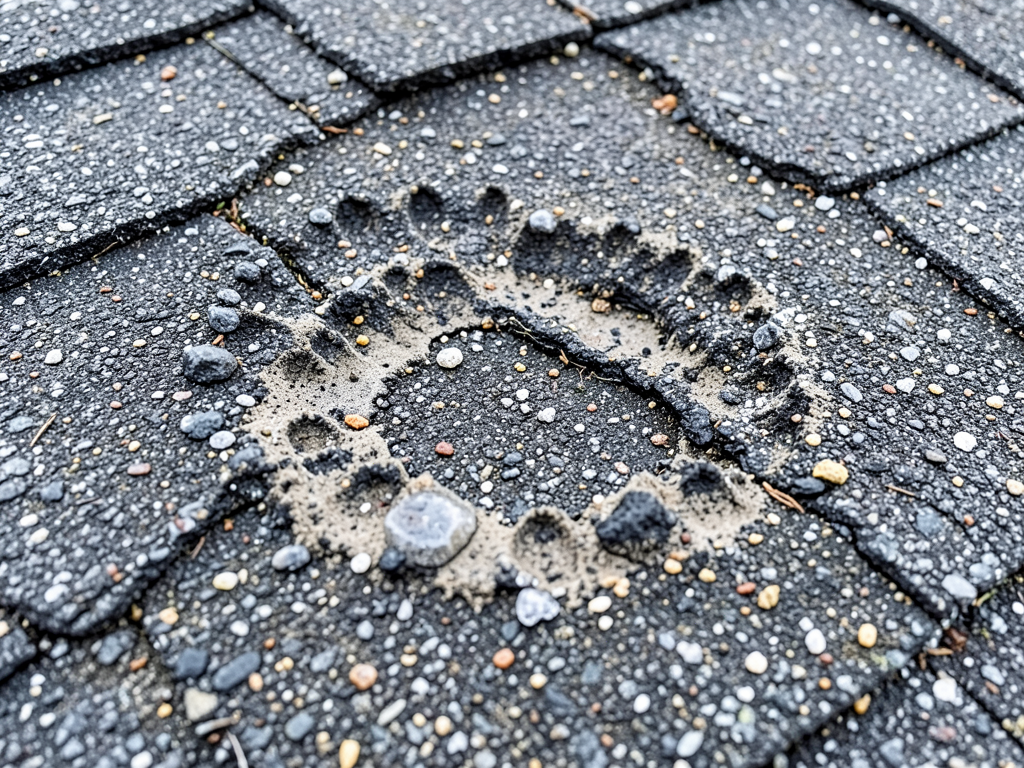
Visual comparison: what hail damage looks like versus blistering
Hail damage and shingle blistering can look similar from the ground, but they have distinct characteristics when examined closely. Hail impacts create circular indentations or bruising on shingles where the force of the ice pellet struck. These marks often appear as dark spots where the impact broke through the protective granule layer and exposed the asphalt underneath. The pattern tends to be random and scattered across the roof surface.
Blistered shingles develop from trapped moisture or poor ventilation and create raised bubbles or pockets on the shingle surface. These blisters typically appear in clusters or uniform patterns rather than random spots. When you touch a blistered area, it often feels soft or spongy, while hail-damaged areas feel firm with a defined impact point.
Key visual differences:
- Hail damage shows circular bruising with granule loss at impact points
- Blistered areas appear as raised bubbles without clear impact points
- Hail damage creates random patterns; blistering follows uniform areas
- Dark spots from hail expose asphalt; blistering may show granule displacement
Call (502) 678-7557 today to schedule your inspection.
What causes shingles to blister in Louisville’s climate
Shingle blistering develops over time due to several factors common in Kentucky’s climate. Poor attic ventilation allows heat and moisture to build up beneath the roof deck. This creates pressure that pushes against the underside of shingles, causing them to bubble and blister. Louisville’s high humidity levels exacerbate this problem by increasing the moisture content in attic spaces.
Manufacturing defects can also cause blistering. If moisture becomes trapped between shingle layers during production, those shingles will develop blisters when exposed to heat. The freeze-thaw cycles common in Kentucky winters cause shingles to expand and contract repeatedly. This movement can create stress points that eventually lead to blistering.
Common causes of blistering:
- Insufficient attic ventilation trapping heat and moisture
- Manufacturing defects with trapped moisture
- Freeze-thaw cycles common in Kentucky winters
- Excessive attic temperatures during summer months
Learn more about our professional inspection services for Louisville homeowners.
What hail damage actually looks like on asphalt shingles
Hail damage creates specific patterns that trained inspectors can identify. When hail strikes a shingle, it causes a bruise or impact point that breaks through the granule layer. This exposes the asphalt underneath, which often appears as a dark or black spot. The impact creates a circular indentation that you can feel by running your hand across the shingle surface.
Severe hail damage may cause the shingle to crack or split at the impact point. You might notice pieces of granules knocked loose and collecting in gutters or at the base of downspouts. The damage pattern follows the path of the storm, with the most severe impacts on roof slopes facing the direction the hail came from.
Signs of hail damage:
- Circular bruising with exposed asphalt underneath
- Granule loss around impact points
- Random pattern following storm path
- Soft spots that feel different from surrounding areas
Need a professional assessment? Call (502) 678-7557 for expert inspection.
The insurance factor: why the distinction matters for your claim
Understanding whether you have hail damage or blistering affects your insurance coverage significantly. Hail damage is considered an “act of God” event that is typically covered under standard homeowners insurance policies. Insurance companies send adjusters to inspect roofs after reported hail storms and will often approve claims for verified hail damage.
Blistered shingles, however, are generally considered a maintenance or manufacturing issue rather than storm damage. Insurance companies view blistering as wear and tear that occurs over time due to poor ventilation, age, or manufacturing defects. Most policies exclude coverage for these types of gradual deterioration issues.
Insurance implications:
| Damage Type | Insurance Coverage | Common Outcome |
|---|---|---|
| Hail Damage | Typically covered | Claim approved, roof replacement possible |
| Shingle Blistering | Usually not covered | Out-of-pocket repair or replacement |
| Manufacturing Defect | Manufacturer warranty only | Limited to warranty terms |
Protect your investment. Call (502) 678-7557 to schedule a professional inspection before filing a claim.
Louisville storm case study: the April 2025 hail event
The severe hailstorm that moved through Louisville on April 12, 2025, provided a clear example of how hail damage patterns differ from normal wear. The storm produced golf ball-sized hail that struck homes across the Highlands, St. Matthews, and East End neighborhoods. Homeowners who had their roofs inspected within 48 hours of the storm showed consistent circular impact marks on south-facing slopes.
Properties inspected a week later showed different patterns. Some homes displayed the expected hail damage, while others showed pre-existing blistering that had been hidden by recent rainfall. The storm highlighted how important timing is when assessing potential hail damage. Moisture from the storm can temporarily mask existing problems while making fresh hail damage more visible.
Recent Louisville weather patterns:
- April 2025: Golf ball-sized hail across central Louisville
- Spring 2025: Above-average rainfall increasing moisture-related issues
- Summer 2025: Heat waves exacerbating ventilation problems
Don’t wait for the next storm. Call (502) 678-7557 for a thorough roof inspection.
Diagnostic test: the touch and visual inspection method
Professional roofers use specific diagnostic methods to distinguish hail damage from blistering. The touch test involves running your hand across the shingle surface to feel for differences in texture and elevation. Hail impact points feel firm and defined, while blistered areas feel soft and spongy. You can also press gently on suspected areas to test their resilience.
The visual inspection focuses on pattern recognition. Hail damage creates random circular marks that follow the storm’s path across your roof. Blistering appears in clusters or uniform areas, often concentrated where heat and moisture build up most. Look for granule displacement patterns that differ between the two types of damage. Why we are the highest rated roofing team in the Louisville metro area.
Professional diagnostic steps:
- Visual pattern assessment from ground level
- Touch test to identify texture differences
- Granule loss examination in gutters
- Impact point measurement for hail size estimation
- Ventilation assessment to identify blistering causes
Schedule your professional inspection today. Call (502) 678-7557.
Next steps: professional inspection in Jefferson County
If you suspect your roof has hail damage or significant blistering, the next step is a professional inspection. Louisville roofing contractors familiar with Jefferson County building codes can provide accurate assessments and help you understand your options. They can document damage patterns, take measurements, and provide the detailed reports insurance companies require. The most trusted roofing services in Germantown and Schnitzelburg.
Professional inspectors use specialized tools like moisture meters and infrared cameras to detect underlying problems that aren’t visible from the ground. They can also assess your attic ventilation system to determine if poor airflow contributed to blistering. This comprehensive approach ensures you understand the full scope of any roof issues.
Inspection process includes:
- Complete roof surface examination
- Attic ventilation assessment
- Moisture detection testing
- Detailed damage documentation
- Insurance claim assistance if applicable
Don’t guess about your roof’s condition. Call (502) 678-7557 for expert inspection and honest assessment.
Frequently Asked Questions
How soon after a hailstorm should I inspect my roof?
Inspect your roof within 48-72 hours after a hailstorm if possible. This timing allows you to see fresh damage before weather conditions change the appearance of your shingles. However, wait for safe conditions and consider professional inspection for accurate assessment.
Can I tell the difference between hail damage and blistering from the ground?
From ground level, it’s difficult to distinguish between hail damage and blistering with certainty. Hail damage often shows as dark spots or circular marks, while blistering may appear as raised areas. Professional inspection with close examination is recommended for accurate identification.
Will my insurance cover roof replacement if I have hail damage?
Insurance typically covers hail damage if the damage meets your policy’s severity threshold. Most policies require damage to affect a significant portion of the roof or compromise its functionality. A professional inspection can determine if your damage qualifies for coverage.
How long does hail damage take to cause leaks?
Hail damage can cause immediate leaks if the impact punctures through all shingle layers. More often, damage weakens the shingle structure, and leaks develop over weeks or months as weather exposure worsens the compromised areas. Early inspection helps prevent water damage to your home’s interior.
What should I do if I find damage but am unsure about insurance coverage?
Document the damage with photos and contact a professional roofing contractor for inspection. They can provide an assessment of the damage type and help you understand whether it’s likely covered by insurance. Many contractors offer free inspections and can guide you through the claims process if applicable. For more information, visit EPA ventilation guidelines. For more information, visit FEMA hail damage prevention.
{
“@context”: “https://schema.org”,
“@type”: “BlogPosting”,
“headline”: “How to tell if your shingles are just old or actually damaged by hail”,
“description”: “Learn to identify hail damage vs. shingle blistering on Louisville roofs. Understand the visual differences, insurance implications, and when to call a professional inspector.”,
“wordCount”: 1512,
“datePublished”: “2026-03-26T11:45:00.000Z”,
“dateModified”: “2026-03-26T11:45:00.000Z”,
“inLanguage”: “en-US”,
“mainEntityOfPage”: {
“@type”: “WebPage”,
“@id”: “https://fortressroofinglouisville.com”
},
“publisher”: {
“@type”: “LocalBusiness”,
“name”: “Fortress Roofing Louisville”,
“url”: “https://fortressroofinglouisville.com”
},
“author”: {
“@type”: “Organization”,
“name”: “Fortress Roofing Louisville”,
“url”: “https://fortressroofinglouisville.com”
},
“image”: {
“@type”: “ImageObject”,
“url”: “https://fortressroofinglouisville.com/wp-content/uploads/2026/03/how-to-tell-if-your-shingles-are-just-old-or-actua-1.png”
}
}
{
“@context”: “https://schema.org”,
“@type”: “RoofingContractor”,
“name”: “Fortress Roofing Louisville”,
“url”: “https://fortressroofinglouisville.com”,
“address”: {
“@type”: “PostalAddress”,
“addressLocality”: “Louisville”
},
“areaServed”: {
“@type”: “City”,
“name”: “Louisville”
}
}
{
“@context”: “https://schema.org”,
“@type”: “FAQPage”,
“mainEntity”: [
{
“@type”: “Question”,
“name”: “How soon after a hailstorm should I inspect my roof?”,
“acceptedAnswer”: {
“@type”: “Answer”,
“text”: “Inspect your roof within 48-72 hours after a hailstorm if possible. This timing allows you to see fresh damage before weather conditions change the appearance of your shingles. However, wait for safe conditions and consider professional inspection for accurate assessment.”
}
},
{
“@type”: “Question”,
“name”: “Can I tell the difference between hail damage and blistering from the ground?”,
“acceptedAnswer”: {
“@type”: “Answer”,
“text”: “From ground level, it’s difficult to distinguish between hail damage and blistering with certainty. Hail damage often shows as dark spots or circular marks, while blistering may appear as raised areas. Professional inspection with close examination is recommended for accurate identification.”
}
},
{
“@type”: “Question”,
“name”: “Will my insurance cover roof replacement if I have hail damage?”,
“acceptedAnswer”: {
“@type”: “Answer”,
“text”: “Insurance typically covers hail damage if the damage meets your policy’s severity threshold. Most policies require damage to affect a significant portion of the roof or compromise its functionality. A professional inspection can determine if your damage qualifies for coverage.”
}
}
]
}
{
“@context”: “https://schema.org”,
“@type”: “BreadcrumbList”,
“itemListElement”: [
{
“@type”: “ListItem”,
“position”: 1,
“name”: “Home”,
“item”: “https://fortressroofinglouisville.com”
},
{
“@type”: “ListItem”,
“position”: 2,
“name”: “Blog”,
“item”: “https://fortressroofinglouisville.com/blog”
},
{
“@type”: “ListItem”,
“position”: 3,
“name”: “How to tell if your shingles are just old or actually damaged by hail”
}
]
}
{
“@context”: “https://schema.org”,
“@type”: “Service”,
“serviceType”: “Roofing”,
“provider”: {
“@type”: “LocalBusiness”,
“name”: “Fortress Roofing Louisville”,
“url”: “https://fortressroofinglouisville.com”
},
“areaServed”: {
“@type”: “City”,
“name”: “Louisville”
},
“description”: “Learn to identify hail damage vs. shingle blistering on Louisville roofs. Understand the visual differences, insurance implications, and when to call a professional inspector.”
}