
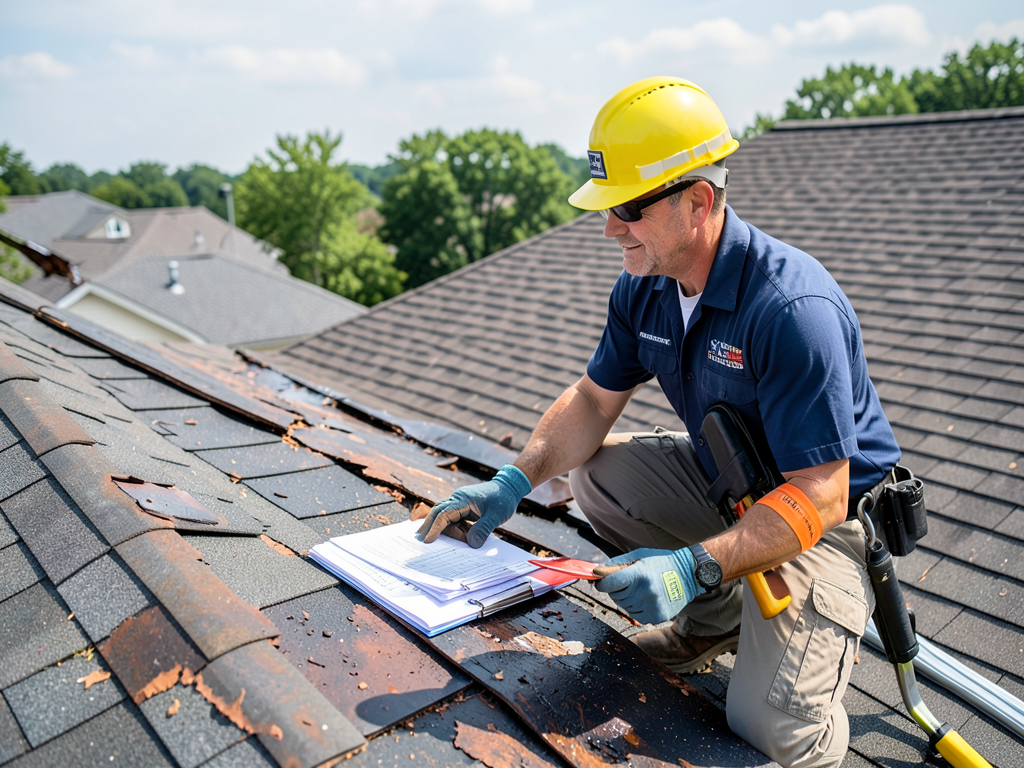
After a major storm hits Shepherdsville, out-of-town contractors flood the area offering quick fixes. These storm chasers prey on homeowners in vulnerable situations, often disappearing after collecting deposits or performing substandard work. Knowing how to identify these fraudulent operators can save you thousands of dollars and prevent months of headaches.
Storm chasers typically arrive within hours of severe weather, setting up temporary offices and knocking on doors with high-pressure sales tactics. They target neighborhoods with visible damage, offering “special deals” for immediate repairs. Many operate without proper licensing, insurance, or knowledge of local building codes, leaving homeowners with incomplete or dangerous work. Commercial flat roof repair and maintenance for business owners in NuLu.
The Kentucky Attorney General’s Office receives hundreds of complaints annually about roofing fraud, with storm chasers representing a significant portion of these cases. In Bullitt County specifically, the combination of rural properties and seasonal severe weather creates an ideal environment for these scams to flourish. Kentucky Attorney General’s Office of Consumer Protection.
Local building departments in Shepherdsville and Bullitt County have documented patterns of storm chasers bypassing permit requirements, using inferior materials, and failing to complete contracted work. Some even file fraudulent insurance claims using stolen homeowner information, creating additional legal problems for victims. Bullitt County Planning and Zoning Department.
Understanding the warning signs and knowing where to verify credentials can protect your investment. This guide provides specific red flags to watch for and resources to confirm whether a contractor legitimately operates in the Shepherdsville area.. Read more about Understanding the difference between a roof repair and a partial replacement in Lynnview.
Red Flags That Signal Storm Chaser Activity
Storm chasers exhibit predictable behavior patterns that experienced homeowners can recognize. These warning signs become apparent during initial contact and throughout the sales process.
Out-of-state license plates on contractor vehicles represent the most obvious indicator. Storm chasers often drive vehicles with temporary tags or license plates from states like Florida, Texas, or Illinois. They may park these vehicles away from the work site to avoid detection by local authorities or suspicious homeowners.
Temporary office setups provide another clear warning sign. Storm chasers frequently establish operations in hotels, rental properties, or vacant commercial spaces without proper signage or permanent infrastructure. These “pop-up” offices often disappear within weeks of the initial storm.
High-pressure sales tactics distinguish storm chasers from legitimate contractors. They create artificial urgency by claiming limited-time offers, threatening price increases, or suggesting immediate action prevents further damage. Legitimate contractors provide detailed proposals and allow homeowners time to make informed decisions.
Requests for large upfront payments indicate potential fraud. While some reputable contractors require deposits, storm chasers often demand full payment before beginning work. This leaves homeowners with no leverage if the contractor fails to complete the project or performs substandard work.. Read more about Managing Large Scale Roof Replacements for Townhomes and Condos in Blue Ridge Manor.
Lack of physical business address in the Louisville or Shepherdsville area raises immediate concerns. Storm chasers cannot provide verifiable office locations, instead offering only phone numbers or temporary meeting spots. Legitimate local contractors maintain permanent offices where customers can visit and verify their operations.
Unwillingness to provide local references represents another critical red flag. Storm chasers cannot produce satisfied customers from the immediate area because they lack established relationships in the community. They may offer references from distant locations, but these provide no assurance of local reliability.
Generic contracts without specific details about materials, timelines, or warranty coverage suggest storm chaser operations. These documents often contain vague language that allows contractors to substitute inferior materials or extend completion times indefinitely.. Read more about The specific roofing permits and regulations you need before starting a renovation in Heritage Creek.
Missing or expired liability insurance documentation poses serious financial risks. Storm chasers frequently operate without proper insurance, leaving homeowners liable for workplace injuries or property damage that occurs during the project.. Read more about Why your home insurance premium might drop after a professional roof inspection in Prospect.
Refusal to obtain necessary permits from Bullitt County Planning and Zoning indicates disregard for local regulations. Storm chasers often skip this step to avoid detection or reduce costs, but unpermitted work can create legal problems and insurance claim denials.
Limited warranty offerings or refusal to provide written warranty terms suggests temporary operation. Storm chasers cannot honor long-term warranties because they plan to leave the area, making warranty claims impossible after they depart.
Door-to-door solicitation without proper permits violates Shepherdsville municipal ordinances. The city requires solicitors to obtain permits and display identification, but storm chasers typically operate illegally to avoid creating paper trails.
Unusual payment methods beyond standard checks or credit cards raise suspicion. Storm chasers may request cash payments, wire transfers, or prepaid debit cards, making it difficult to trace funds or dispute charges if problems arise.
Claims of special relationships with insurance companies often prove false. Storm chasers may promise to handle claims or guarantee approval, but legitimate contractors work within established insurance processes without making unrealistic promises.
Lack of manufacturer certifications for specific roofing materials indicates limited expertise. Reputable contractors maintain certifications with major manufacturers, while storm chasers typically lack these credentials due to their temporary nature. The most trusted roofing services in Germantown and Schnitzelburg.
Missing Better Business Bureau accreditation or poor online reviews from multiple states suggest pattern of complaints. Storm chasers often accumulate negative feedback in various locations before moving to new territories.
Refusal to provide detailed project plans or material specifications indicates intention to cut corners. Legitimate contractors provide comprehensive proposals with specific products, installation methods, and completion timelines.
Absence of local business registration with the Kentucky Secretary of State demonstrates lack of legal business presence. Storm chasers cannot provide valid business registration numbers or demonstrate compliance with state business requirements.. Read more about How Kentucky Matching Laws Can Help You Get a Full Roof Replacement from Insurance.
Claims of being “preferred contractors” for insurance companies without verification often prove misleading. Insurance companies maintain specific approved contractor lists, and storm chasers rarely appear on these rosters.
Limited communication options beyond cell phones suggest temporary operation. Storm chasers typically provide only mobile numbers without office lines, email addresses, or other permanent contact methods.
Failure to provide proof of workers’ compensation insurance creates liability risks for homeowners. Without this coverage, property owners may become responsible for worker injuries occurring on their property.
Unusually low bids compared to local market rates often indicate plans for inferior materials or incomplete work. Storm chasers use low initial prices to secure contracts, then add unexpected charges or perform substandard work.
Missing or altered manufacturer warranties suggest counterfeit materials or unauthorized substitutions. Storm chasers may provide fake warranty documents or void legitimate warranties through improper installation methods.
Lack of knowledge about local building codes and permit requirements demonstrates unfamiliarity with regional requirements. Storm chasers cannot answer specific questions about Shepherdsville or Bullitt County construction standards.
Pressure to sign contingency contracts giving contractors rights to insurance payments represents a common storm chaser tactic. These agreements often favor contractors unfairly and limit homeowner control over the repair process.
Refusal to allow homeowners to verify contractor credentials with licensing boards or consumer protection agencies indicates something to hide. Legitimate contractors welcome credential verification as a trust-building measure.
Missing or incomplete business cards without physical addresses, license numbers, or professional affiliations suggest temporary operation. Storm chasers often use generic cards without verifiable contact information.
Claims of “exclusive deals” or “one-time offers” create artificial urgency without basis in market reality. Legitimate contractors maintain consistent pricing structures and do not rely on high-pressure sales tactics.
Lack of knowledge about local weather patterns and common roofing problems in the Shepherdsville area demonstrates outsider status. Storm chasers cannot discuss specific regional challenges or provide location-appropriate solutions.
Missing or incomplete liability insurance documentation poses serious financial risks. Storm chasers frequently operate without proper coverage, leaving homeowners vulnerable to property damage or worker injury claims.
Refusal to provide lien waivers protecting homeowners from subcontractor claims indicates potential financial instability. Storm chasers may fail to pay suppliers or subcontractors, resulting in liens against homeowner properties. Protecting your Lake Louisvilla home from high winds and waterfront humidity.
Local Verification Resources in Shepherdsville and Bullitt County
Several local resources help verify contractor legitimacy and report suspicious activity. These agencies maintain databases of licensed contractors and handle consumer complaints.
The Bullitt County Planning and Zoning Department maintains records of all building permits issued within the county. Homeowners can verify whether contractors have obtained required permits for specific projects by contacting the department directly at (502) 543-7382.
The Kentucky Secretary of State’s Business Entity Search allows verification of company registration status. Legitimate contractors must register their businesses in Kentucky, and this database provides information about company formation, status, and registered agents.
The Kentucky Labor Cabinet licenses contractors through its Division of Compliance. Homeowners can verify contractor licenses by calling (502) 564-3534 or checking the online license verification system.
The Better Business Bureau of Louisville, Southern Indiana, and Western Kentucky maintains records of accredited businesses and customer complaints. The BBB website provides ratings, complaint histories, and accreditation status for roofing contractors.
The Kentucky Attorney General’s Office of Consumer Protection handles complaints about fraudulent contractors and provides resources for reporting suspected scams. The office operates a toll-free hotline at 1-888-432-9257 for consumer complaints.
The Shepherdsville Police Department responds to reports of suspicious door-to-door solicitation and can verify whether contractors have obtained required city permits. The department’s non-emergency number is (502) 543-4831.
The Bullitt County Chamber of Commerce maintains membership directories of established local businesses. Chamber membership indicates long-term community commitment and provides additional verification of business legitimacy.
Local roofing material suppliers often maintain preferred contractor lists and can verify whether specific contractors purchase materials through legitimate channels. These suppliers typically require proof of insurance and licensing before establishing accounts.
Insurance companies maintain approved contractor networks and can verify whether specific contractors have legitimate relationships with major insurers. Homeowners should contact their insurance providers before signing contracts with any contractor.
The National Roofing Contractors Association provides certification verification and maintains standards for professional roofing contractors. NRCA membership indicates commitment to industry best practices and continuing education.
Local banks and credit unions often maintain business account records that can verify whether contractors operate legitimate businesses. Financial institutions typically require extensive documentation before establishing commercial accounts.
The Kentucky Transportation Cabinet maintains records of commercial vehicle registrations and can verify whether contractor vehicles operate legally within the state. This information helps identify out-of-state operators.
Local building inspectors familiar with regional construction standards can evaluate contractor proposals and identify potential problems. These professionals understand Shepherdsville-specific requirements and common regional issues.
Neighborhood associations and community groups often maintain records of reliable local contractors and can provide recommendations based on community experiences. These organizations help identify contractors with established local reputations. Reliable residential roofing specialists serving Jeffersonville and Clarksville.
Online review platforms like Google Business, Yelp, and Angie’s List provide customer feedback and ratings for local contractors. However, storm chasers may create fake reviews, so multiple verification sources remain important.
Social media community groups specific to Shepherdsville and Bullitt County often discuss local contractor experiences and can provide real-time warnings about suspicious activity in the area.
Shepherdsville-Specific Building Requirements
Bullitt County and Shepherdsville maintain specific building requirements that storm chasers often ignore or misunderstand. Understanding these requirements helps identify contractors unfamiliar with local regulations.
The Bullitt County Building Code requires permits for all roofing replacements exceeding 100 square feet. This requirement ensures proper inspection and compliance with local wind load and fire resistance standards specific to the region.
Shepherdsville municipal code mandates specific setback requirements for roofing equipment and materials stored on residential properties during construction. Storm chasers unfamiliar with these requirements may create code violations that become the homeowner’s responsibility.
The county requires specific underlayment materials for roofs in areas prone to ice dam formation. These requirements vary based on roof pitch and exposure, with higher standards for north-facing slopes and areas near the Ohio River valley.
Bullitt County enforces wind speed requirements based on updated International Building Code standards. Roofs in certain areas must withstand winds up to 115 mph, requiring specific fastening patterns and material specifications that storm chasers may not understand.
The county requires impact-resistant shingles in areas with documented hail history. These Class 4 rated materials meet specific Underwriters Laboratories standards and must be installed according to manufacturer specifications to maintain warranty coverage. Why we are the highest rated roofing team in the Louisville metro area.
Shepherdsville enforces specific regulations for roofing waste disposal and recycling. Contractors must follow county guidelines for material disposal, with special requirements for asbestos-containing materials in older homes.
The county requires specific ice and water shield installation in valleys and around roof penetrations. These requirements exceed minimum standards and provide additional protection against the freeze-thaw cycles common in Kentucky winters.
Bullitt County maintains specific requirements for roof ventilation based on attic square footage and local climate conditions. Improper ventilation can lead to moisture problems and reduced energy efficiency, creating liability for homeowners.
The county enforces specific requirements for chimney flashing and roof-to-wall intersections. These details prevent water infiltration at critical junctions where storm chasers often cut corners.
Shepherdsville requires specific documentation for roofing projects involving historic properties or homes in designated districts. These requirements ensure preservation of architectural character and compliance with local historic guidelines.
The county maintains specific requirements for skylight installations and roof-mounted equipment. These requirements address structural loading and weatherproofing concerns specific to the region.
Bullitt County enforces specific requirements for roof deck preparation and repair before new shingle installation. These requirements address the wood decay and moisture problems common in the local climate.
The county requires specific documentation of existing roof conditions before beginning replacement work. This documentation protects homeowners from claims about pre-existing damage and ensures proper assessment of replacement needs.
Shepherdsville enforces specific requirements for roof drainage and gutter systems. These requirements address the heavy rainfall patterns and prevent water damage to foundations and landscaping.
The county maintains specific requirements for roof-mounted solar panels and other alternative energy systems. These requirements address structural loading and weatherproofing concerns specific to the region.
Bullitt County requires specific warranties for roofing work that exceed minimum state requirements. These warranties must be provided in writing and include specific coverage terms and duration.
The county enforces specific requirements for contractor insurance coverage, including higher liability limits for roofing work. Storm chasers often carry minimum coverage that does not meet local requirements.
Shepherdsville maintains specific requirements for roofing work in flood-prone areas near the Salt River and other waterways. These requirements address elevation and water resistance concerns specific to low-lying properties.
The county requires specific documentation for roofing work involving multiple trade contractors. This documentation ensures proper coordination and liability assignment among different contractors working on the same project.
Common Storm Chaser Scams in Kentucky
Storm chasers employ specific scam techniques that target Kentucky homeowners. Understanding these tactics helps identify fraudulent operations before significant damage occurs.
The “free roof” scam promises homeowners completely free roof replacements through insurance claims. Storm chasers file inflated claims or misrepresent damage extent, pocketing the difference between actual repair costs and insurance payments.
Deductible fraud involves contractors offering to pay or waive insurance deductibles. This practice violates Kentucky insurance laws and often indicates plans for inferior materials or incomplete work to compensate for the lost deductible amount.
Contingency fee agreements give contractors rights to insurance claim payments and control over repair decisions. These contracts often favor contractors unfairly and limit homeowner involvement in the repair process.
Material substitution scams involve contractors quoting premium materials but installing inferior products. Storm chasers pocket the difference between quoted and actual material costs, leaving homeowners with substandard roofs.
Upfront payment fraud involves contractors collecting large deposits or full payments before beginning work. Many storm chasers disappear after receiving payment, leaving homeowners with incomplete or non-existent repairs.
Insurance fraud scams involve contractors filing claims for pre-existing damage or damage from previous storms. These fraudulent claims can result in insurance policy cancellations and legal problems for homeowners.
“One-time offer” scams create artificial urgency through limited-time pricing or availability claims. Storm chasers use high-pressure tactics to secure contracts before homeowners can verify credentials or obtain competitive bids.
Permit fraud involves contractors working without required permits to avoid detection or reduce costs. Unpermitted work can create legal problems and insurance claim denials if damage occurs.
Warranty fraud involves providing fake warranty documents or voiding legitimate warranties through improper installation. Storm chasers cannot honor long-term warranties because they plan to leave the area.
Subcontractor fraud involves contractors failing to pay suppliers or workers, resulting in liens against homeowner properties. Storm chasers often operate with insufficient capital to complete projects properly.
License fraud involves contractors claiming credentials they do not possess or misrepresenting their licensing status. Storm chasers frequently operate without required licenses or insurance coverage.
Reference fraud involves providing fake customer references or reviews from non-existent projects. Storm chasers cannot produce satisfied local customers because they lack established community presence.
Equipment fraud involves using rented or borrowed equipment without proper insurance coverage. Storm chasers may damage property with improperly operated equipment, leaving homeowners liable for repairs.
Material theft involves contractors stealing materials from supplier yards or other job sites. Storm chasers may use stolen materials to reduce costs, creating liability for homeowners if theft is discovered.
Worker safety fraud involves contractors failing to provide proper safety equipment or training. Storm chasers may create dangerous working conditions that result in injuries and potential liability for homeowners.
Cleanup fraud involves contractors failing to remove construction debris or properly dispose of roofing materials. Storm chasers may leave properties in poor condition, creating additional cleanup costs for homeowners.
Timeline fraud involves contractors providing unrealistic completion estimates or extending project timelines indefinitely. Storm chasers may delay work to pressure homeowners into additional payments or accepting substandard results.
Quality fraud involves contractors performing minimal work to collect insurance payments while leaving significant problems unresolved. Storm chasers may create temporary fixes that fail quickly, requiring additional repairs.
Documentation fraud involves providing falsified inspection reports, permit documents, or material certifications. Storm chasers may create fake documents to appear legitimate while avoiding actual compliance requirements.
Insurance coordination fraud involves contractors misrepresenting their relationship with insurance companies or promising claim approvals they cannot deliver. Storm chasers may create unrealistic expectations about insurance coverage.
Payment fraud involves contractors using fraudulent checks, money orders, or electronic payments that later bounce or get reversed. Storm chasers may collect payments through unreliable methods to avoid detection.
Subcontracting fraud involves contractors hiring unlicensed or uninsured workers to reduce costs. Storm chasers may create liability risks for homeowners by using unqualified labor without proper insurance coverage.
Material sourcing fraud involves contractors purchasing materials from unauthorized distributors or using counterfeit products. Storm chasers may use inferior materials that fail prematurely or void manufacturer warranties.
Inspection fraud involves contractors creating fake inspection reports or bribing inspectors to approve substandard work. Storm chasers may bypass required inspections to avoid detection of code violations.
Steps to Take If You Suspect Storm Chaser Activity
Identifying storm chaser activity requires immediate action to protect your property and financial interests. Following specific steps helps document problems and involve appropriate authorities.
Document all interactions with suspicious contractors through photographs, videos, and written notes. Record license plate numbers, vehicle descriptions, and physical appearances of individuals making unsolicited contact.
Request written estimates and contracts from all contractors, including those you suspect may be storm chasers. Legitimate contractors provide detailed proposals, while storm chasers often avoid written documentation.
Verify contractor credentials through multiple sources before signing any agreements. Check licensing status, insurance coverage, and business registration with state and local agencies.
Contact your insurance company before allowing any contractor to inspect your property or begin repairs. Insurance companies can provide guidance about legitimate contractors and proper claim procedures.
Report suspicious activity to local law enforcement and consumer protection agencies. Provide detailed information about contractor behavior, vehicle descriptions, and any documentation you have collected.
Notify neighbors about suspicious contractors operating in your area. Storm chasers often target multiple properties in the same neighborhood, and community awareness helps prevent widespread fraud.
Document existing property damage through photographs before allowing any contractor to begin work. This documentation protects you from claims about pre-existing conditions or damage caused by contractor activities.
Obtain multiple estimates from established local contractors for comparison. Storm chasers often provide unusually low bids that seem too good to be true, while legitimate contractors maintain consistent pricing.
Review all contracts carefully before signing, paying particular attention to payment terms, warranty provisions, and dispute resolution procedures. Storm chasers often include unfavorable terms in fine print.
Avoid making large upfront payments or paying in cash for roofing services. Legitimate contractors typically require modest deposits and accept standard payment methods like checks or credit cards.
Check references carefully by contacting previous customers directly rather than accepting provided contact information. Storm chasers may provide fake references or use friends to pose as satisfied customers.
Verify physical business addresses by visiting contractor offices or using online mapping services. Storm chasers often provide fake addresses or operate from temporary locations without permanent infrastructure.
Request proof of insurance coverage and verify policy status with insurance companies. Storm chasers frequently operate without proper insurance, creating liability risks for homeowners.
Check for complaints with the Better Business Bureau and state attorney general’s office. Storm chasers often have extensive complaint histories in multiple states.
Ask specific questions about local building codes and permit requirements. Storm chasers unfamiliar with regional regulations cannot provide accurate information about compliance requirements.
Request manufacturer certifications for specific roofing materials. Legitimate contractors maintain current certifications with major manufacturers, while storm chasers typically lack these credentials.
Verify worker’s compensation coverage through state labor departments. Storm chasers often operate without required worker’s compensation insurance, creating liability risks for homeowners.
Check for membership in professional associations like the National Roofing Contractors Association. Legitimate contractors maintain professional affiliations that demonstrate commitment to industry standards.
Review online presence carefully, looking for consistent information across multiple platforms. Storm chasers may have limited or inconsistent online profiles that lack professional polish.
Trust your instincts if something feels wrong about a contractor’s approach or proposals. Storm chasers rely on high-pressure tactics and may create discomfort through aggressive sales techniques.
Take time to make decisions about major home repairs rather than rushing into agreements. Storm chasers create artificial urgency, but legitimate contractors allow homeowners to make informed choices.
Consult with neighbors who have completed similar projects to learn about their experiences with local contractors. Community knowledge helps identify reliable service providers and avoid problematic ones.
Check social media community groups for discussions about local contractor activity and experiences. These platforms often provide real-time warnings about suspicious operations in the area.
Review local building department records to verify permit requirements and ensure contractors follow proper procedures. Storm chasers often skip permits to avoid detection or reduce costs.
Document all communications with contractors through email or written notes rather than relying on verbal agreements. Written documentation provides protection if disputes arise later.
Consider hiring a third-party inspector to evaluate contractor proposals and verify proposed work meets local standards. Independent professionals can identify potential problems before contracts are signed.
Maintain copies of all documents related to roofing projects, including contracts, permits, inspection reports, and payment records. Complete documentation proves valuable if problems arise later.
Follow up on warranty information to ensure coverage is properly registered and documented. Storm chasers may provide fake warranty documents or fail to complete required registration procedures.
Monitor project progress regularly and document any concerns or problems that arise during construction. Active involvement helps ensure work meets quality standards and contractual requirements.
Complete final inspections and documentation before making final payments. Ensure all work meets code requirements and contractual specifications before releasing remaining funds.
Protecting Your Home from Storm Chaser Fraud
Prevention represents the most effective strategy for avoiding storm chaser problems. Taking specific steps before storms occur helps establish relationships with reliable contractors and avoid high-pressure situations.
Research local roofing contractors during calm weather rather than waiting for storm damage. Establishing relationships with reliable providers before emergencies occur prevents rushed decisions under pressure.
Maintain regular roof inspections through established local contractors who understand regional weather patterns and common problems. Preventive maintenance helps identify issues before they become major problems requiring emergency repairs.
Document your property’s condition through photographs and written records before storms occur. This documentation proves valuable for insurance claims and helps identify actual storm damage versus pre-existing conditions.. Read more about Owens Corning versus GAF Shingles (Choosing the Right Material for Kentucky Storms).
Review your insurance coverage to understand what types of storm damage are covered and what procedures must be followed for claims. Knowledge of insurance requirements helps avoid contractor promises that cannot be delivered.
Establish relationships with multiple local contractors for different types of home services. Having trusted providers for various needs creates a network of reliable professionals who can provide recommendations and referrals.
Join neighborhood associations or community groups that share information about local service providers and potential problems. Community networks provide valuable warnings about suspicious activity and recommendations for reliable contractors.
Keep emergency contact information for trusted contractors readily available. Having established relationships prevents the need to search for help during stressful situations when storm chasers are most active.
Understand common roofing problems in your specific area based on local weather patterns and construction practices. Knowledge of regional issues helps identify legitimate concerns versus exaggerated claims.
Maintain your property according to recommended schedules for painting, sealing, and other protective measures. Well-maintained properties experience less damage and require fewer emergency repairs.
Document all home improvement projects and repairs with permits, warranties, and contractor information. Complete records help establish property history and identify patterns that might attract storm chasers.
Consider joining online homeowner groups specific to your area to share information and experiences about local contractors. These communities often provide real-time warnings about suspicious activity.
Review local building codes and permit requirements to understand what should be required for roofing projects. Knowledge of regulations helps identify contractors who cut corners or operate illegally.
Maintain good relationships with neighbors to share information about contractor experiences and suspicious activity. Community awareness helps prevent widespread fraud and identifies reliable service providers.
Keep your property well-lit and maintained to discourage door-to-door solicitation. Visible security measures and active property maintenance suggest engaged homeowners who are less likely to fall for high-pressure tactics.
Display signs or stickers from alarm companies or neighborhood watch programs to indicate active property monitoring. These visible deterrents may discourage storm chasers from targeting your property.
Consider installing security cameras to monitor property activity and document any suspicious behavior. Video evidence proves valuable for reporting problems to authorities and identifying repeat offenders.
Maintain updated contact information with your insurance company and understand your agent’s role in claim procedures. Direct communication with insurance professionals helps avoid contractor misrepresentations about coverage.
Establish a home maintenance fund to handle unexpected repairs without financial pressure. Having resources available prevents rushed decisions based on immediate financial concerns.
Learn basic roofing terminology and common problems to communicate effectively with contractors. Understanding basic concepts helps identify legitimate concerns versus exaggerated claims.
Request references from multiple sources when hiring contractors, including suppliers, insurance agents, and other homeowners. Comprehensive reference checking provides better assurance of contractor reliability.
Trust your instincts about contractor behavior and proposals. If something feels wrong or too good to be true, take time to investigate further before making commitments.
Remember that legitimate contractors welcome questions and provide detailed information about their qualifications and processes. Storm chasers often avoid direct questions or provide vague answers about their operations.
Keep in mind that quality roofing work requires proper materials, skilled labor, and appropriate insurance coverage. Contractors offering unusually low prices often cut corners in these critical areas.
Understand that storm chasers rely on volume and speed rather than quality and customer satisfaction. Their business model depends on quick profits before moving to new territories.
Recognize that legitimate local contractors have established reputations and long-term community commitments. These professionals rely on satisfied customers and referrals rather than high-pressure sales tactics.
Remember that protecting your home requires active involvement in the repair process rather than passive acceptance of contractor recommendations. Your property represents a significant investment worth protecting through careful contractor selection.
Frequently Asked Questions
How can I tell if a roofing contractor is from Shepherdsville or just visiting after a storm?
Check for local business registration, physical office location, and community involvement. Legitimate Shepherdsville contractors maintain permanent offices, participate in local events, and have established customer relationships in the area. Request their Kentucky Secretary of State business registration number and verify it online.
What should I do if a storm chaser already started work on my roof?
Document all work completed, stop payment on any checks written, and contact local authorities immediately. Report the situation to the Bullitt County Planning and Zoning Department and the Kentucky Attorney General’s Office. Consider hiring a local inspector to evaluate the work quality and identify any code violations.
Are storm chasers more active during certain times of year in Kentucky?
Yes, storm chasers typically follow severe weather patterns, with peak activity during spring tornado season and summer thunderstorm periods. They also target areas after winter ice storms or fall wind events. Kentucky’s location in “Tornado Alley” makes it particularly vulnerable to post-storm contractor influx.
What legal protections exist for homeowners against roofing fraud in Kentucky?
Kentucky law prohibits deductible fraud, requires written contracts for home improvement projects over $500, and mandates specific insurance requirements for contractors. The Kentucky Home Improvement Act provides additional protections, and the Attorney General’s office handles consumer complaints about fraudulent contractors.
How much should I expect to pay upfront for roofing work in Shepherdsville?
Legitimate contractors typically request 10-30% upfront for material costs, with the balance due upon completion. Avoid contractors demanding full payment before work begins or those unwilling to provide detailed contracts with payment schedules tied to project milestones.
Can storm chasers file insurance claims without my permission?
Yes, and this represents a common fraud tactic. Storm chasers may file claims using your information without authorization, potentially affecting your insurance rates or coverage. Never provide personal information to unsolicited contractors and always contact your insurance company directly about potential claims.
What documents should I receive from a legitimate roofing contractor?
Legitimate contractors provide written contracts, proof of insurance, license documentation, detailed project specifications, material warranties, permit documentation, and lien waivers. They should also provide information about manufacturer certifications and their physical business location.
Conclusion
Protecting your home from storm chaser fraud requires vigilance, knowledge, and proactive verification of contractor credentials. The Shepherdsville and Bullitt County area faces unique challenges from seasonal severe weather that attracts fraudulent operators looking to exploit vulnerable homeowners.
By understanding the warning signs of storm chaser activity, knowing where to verify contractor legitimacy, and following proper procedures for hiring roofing services, you can avoid becoming a victim of roofing fraud. Remember that legitimate local contractors welcome credential verification and provide detailed documentation of their qualifications and processes.
Take time to establish relationships with reliable local contractors before emergencies occur, and maintain your property according to recommended schedules to prevent storm damage. When severe weather does strike, your preparation and knowledge will help you make informed decisions rather than rushed choices under pressure.
Trust your instincts if something feels wrong about a contractor’s approach or proposals. Quality roofing work requires proper materials, skilled labor, and appropriate insurance coverage. Contractors offering unusually low prices often cut corners in these critical areas, leaving you with substandard results and potential liability problems.
Your home represents a significant investment worth protecting through careful contractor selection and active involvement in the repair process. Don’t let storm chasers take advantage of your vulnerable situation after severe weather events. Take control by following the verification steps outlined in this guide and working with established local professionals who have your best interests in mind.
If you suspect storm chaser activity in your Shepherdsville neighborhood or need reliable roofing services from a trusted local contractor, call (502) 678-7557 today. Fortress Roofing has served the Louisville metro area for over 15 years with licensed, insured professionals who understand local building requirements and provide quality workmanship you can count on.
{
“@context”: “https://schema.org”,
“@type”: “BlogPosting”,
“headline”: “How to spot out of town storm chasers after a major weather event in Shepherdsville”,
“description”: “Learn to identify roofing storm chasers in Shepherdsville with these 7 red flags. Protect your home with local experts. Call (502) 678-7557 for trusted service.”,
“wordCount”: 5291,
“datePublished”: “2026-05-25T06:27:00.000Z”,
“dateModified”: “2026-05-25T06:27:00.000Z”,
“inLanguage”: “en-US”,
“mainEntityOfPage”: {
“@type”: “WebPage”,
“@id”: “https://fortressroofinglouisville.com”
},
“publisher”: {
“@type”: “LocalBusiness”,
“name”: “Fortress Roofing Louisville”,
“url”: “https://fortressroofinglouisville.com”
},
“author”: {
“@type”: “Organization”,
“name”: “Fortress Roofing Louisville”,
“url”: “https://fortressroofinglouisville.com”
},
“image”: {
“@type”: “ImageObject”,
“url”: “https://fortressroofinglouisville.com/wp-content/uploads/2026/03/how-to-spot-out-of-town-storm-chasers-after-a-majo-1.png”
}
}
{
“@context”: “https://schema.org”,
“@type”: “RoofingContractor”,
“name”: “Fortress Roofing Louisville”,
“url”: “https://fortressroofinglouisville.com”,
“address”: {
“@type”: “PostalAddress”,
“addressLocality”: “Louisville”
},
“areaServed”: {
“@type”: “City”,
“name”: “Louisville”
}
}
{
“@context”: “https://schema.org”,
“@type”: “FAQPage”,
“mainEntity”: [
{
“@type”: “Question”,
“name”: “How can I tell if a roofing contractor is from Shepherdsville or just visiting after a storm?”,
“acceptedAnswer”: {
“@type”: “Answer”,
“text”: “Check for local business registration, physical office location, and community involvement. Legitimate Shepherdsville contractors maintain permanent offices, participate in local events, and have established customer relationships in the area. Request their Kentucky Secretary of State business registration number and verify it online.”
}
},
{
“@type”: “Question”,
“name”: “What should I do if a storm chaser already started work on my roof?”,
“acceptedAnswer”: {
“@type”: “Answer”,
“text”: “Document all work completed, stop payment on any checks written, and contact local authorities immediately. Report the situation to the Bullitt County Planning and Zoning Department and the Kentucky Attorney General’s Office. Consider hiring a local inspector to evaluate the work quality and identify any code violations.”
}
},
{
“@type”: “Question”,
“name”: “Are storm chasers more active during certain times of year in Kentucky?”,
“acceptedAnswer”: {
“@type”: “Answer”,
“text”: “Yes, storm chasers typically follow severe weather patterns, with peak activity during spring tornado season and summer thunderstorm periods. They also target areas after winter ice storms or fall wind events. Kentucky’s location in \”Tornado Alley\” makes it particularly vulnerable to post-storm contractor influx.”
}
},
{
“@type”: “Question”,
“name”: “What legal protections exist for homeowners against roofing fraud in Kentucky?”,
“acceptedAnswer”: {
“@type”: “Answer”,
“text”: “Kentucky law prohibits deductible fraud, requires written contracts for home improvement projects over $500, and mandates specific insurance requirements for contractors. The Kentucky Home Improvement Act provides additional protections, and the Attorney General’s office handles consumer complaints about fraudulent contractors.”
}
},
{
“@type”: “Question”,
“name”: “How much should I expect to pay upfront for roofing work in Shepherdsville?”,
“acceptedAnswer”: {
“@type”: “Answer”,
“text”: “Legitimate contractors typically request 10-30% upfront for material costs, with the balance due upon completion. Avoid contractors demanding full payment before work begins or those unwilling to provide detailed contracts with payment schedules tied to project milestones.”
}
},
{
“@type”: “Question”,
“name”: “What documents should I receive from a legitimate roofing contractor?”,
“acceptedAnswer”: {
“@type”: “Answer”,
“text”: “Legitimate contractors provide written contracts, proof of insurance, license documentation, detailed project specifications, material warranties, permit documentation, and lien waivers. They should also provide information about manufacturer certifications and their physical business location.”
}
}
]
}
{
“@context”: “https://schema.org”,
“@type”: “BreadcrumbList”,
“itemListElement”: [
{
“@type”: “ListItem”,
“position”: 1,
“name”: “Home”,
“item”: “https://fortressroofinglouisville.com”
},
{
“@type”: “ListItem”,
“position”: 2,
“name”: “Blog”,
“item”: “https://fortressroofinglouisville.com/blog”
},
{
“@type”: “ListItem”,
“position”: 3,
“name”: “How to spot out of town storm chasers after a major weather event in Shepherdsville”
}
]
}
{
“@context”: “https://schema.org”,
“@type”: “Service”,
“serviceType”: “Roofing”,
“provider”: {
“@type”: “LocalBusiness”,
“name”: “Fortress Roofing Louisville”,
“url”: “https://fortressroofinglouisville.com”
},
“areaServed”: {
“@type”: “City”,
“name”: “Louisville”
},
“description”: “Learn to identify roofing storm chasers in Shepherdsville with these 7 red flags. Protect your home with local experts. Call (502) 678-7557 for trusted service.”
}