
The first freeze in Louisville can hit Brownsboro Road as early as November, and when it does, your roof becomes the only barrier between your home and the Ohio Valley’s brutal winter conditions. Ice, wind, and freeze-thaw cycles common to this area can turn small roof vulnerabilities into major leaks overnight. This guide walks you through exactly what Brownsboro Road homeowners need to do now to prevent costly winter damage. Valley Leak Repair.
Why Louisville Winters are Unique for Your Roof
Brownsboro Road sits in the Ohio Valley where humidity meets freezing temperatures, creating the perfect conditions for ice dams and shingle damage. The freeze-thaw cycle common here causes water trapped under shingles to expand and contract, breaking the seal that protects your home. When temperatures fluctuate above and below freezing multiple times in a week, this expansion and contraction accelerates, especially on older roofs where granules have already worn thin.
The area’s mature tree canopy along Brownsboro Road drops leaves and branches that clog gutters, creating ice dams when snow melts and refreezes. These ice dams force water under shingles, leading to interior damage that often goes unnoticed until spring. Additionally, the road’s proximity to the Ohio River means higher moisture levels in the air, which can lead to condensation in poorly ventilated attics during cold snaps.
Local building codes in Jefferson County require ice and water shield installation in valleys and along eaves, but many homes built before the 2012 Kentucky Residential Code updates may lack this critical protection. A professional inspection can identify whether your roof meets current standards for ice dam prevention. Reliable residential roofing specialists serving Jeffersonville and Clarksville.
The 5-Point Louisville Winterization Checklist
Before the first freeze hits Brownsboro Road, complete these five essential steps to protect your home. Each addresses a specific vulnerability that Kentucky winters exploit.
- Gutter Cleaning and Drainage Assessment
Remove all leaves, twigs, and debris from gutters and downspouts. In Louisville’s climate, clogged gutters create ice dams that back water under shingles. Check that downspouts direct water at least five feet from your foundation to prevent basement moisture issues common in the area’s clay soil.
- Inspection of Flashing and Sealants
Examine all roof penetrations including chimneys, vents, and skylights for cracked or missing sealant. Louisville’s freeze-thaw cycles cause sealant to expand and contract, creating gaps. Look for rust on metal flashing, which indicates deterioration that allows water infiltration during winter storms.
- Attic Insulation and Ventilation Assessment
Check your attic’s insulation depth and ventilation. Kentucky’s climate zone 4A requires R-38 to R-49 insulation in attics. Insufficient insulation allows heat to escape, melting snow on the roof and creating ice dams. Proper soffit and ridge ventilation prevents moisture buildup that leads to mold growth in winter.
- Tree Limb Removal
Trim branches hanging over your roof, especially oaks and maples common in Brownsboro Road neighborhoods. These trees drop heavy limbs during ice storms, causing immediate damage. Leaves from these species also retain moisture against shingles, accelerating deterioration in Louisville’s humid winters.
- Professional Roof Tune-up vs. DIY
While you can handle basic maintenance, a professional inspection identifies hidden issues. Licensed Kentucky contractors know local building codes and can spot problems specific to Louisville’s climate. They’ll check for granule loss, shingle curling, and proper fastener installation that meets Jefferson County wind requirements of up to 115 mph.
Spotting Early Signs of Ice Dams
Ice dams form when heat escapes through your attic, melting snow on the roof that refreezes at the colder eaves. On Brownsboro Road homes, these dams often appear as thick ridges of ice along the roof edge, sometimes with icicles hanging from gutters. The presence of ice dams indicates poor attic insulation or ventilation, both critical for Louisville’s climate.
Early warning signs include water stains on interior ceilings or walls, particularly in upper-level rooms. You might also notice water dripping from light fixtures during daytime thaws. In severe cases, ice dams can cause gutters to pull away from the fascia, creating additional entry points for water.
Prevention requires addressing the root cause: heat loss through the attic. This means adding insulation to meet Kentucky’s R-value requirements and ensuring proper ventilation to maintain consistent roof temperatures. Without these measures, ice dams will return year after year, causing cumulative damage to your roof structure.
Local Case Study: Recent Brownsboro Road Winter Prep
Last November, we inspected a 1960s ranch home on Brownsboro Road in the 40207 zip code that had experienced minor leaks during the previous winter. The homeowner had noticed water stains on their living room ceiling after a particularly harsh cold snap. Our inspection revealed several issues common to older Louisville homes.
The roof lacked proper ice and water shield underlayment, a requirement added to the Kentucky Residential Code in 2012. We found significant granule loss on the north-facing slope where moisture from the Ohio River’s proximity created ideal conditions for algae growth. The attic had only R-19 insulation, well below the current recommendation of R-49 for this climate zone.
After completing the winterization, which included adding ice and water shield, replacing damaged shingles, and upgrading attic insulation, the homeowner reported no issues during the subsequent winter’s freeze-thaw cycles. This case demonstrates how addressing code compliance and insulation deficiencies prevents winter damage specific to the Brownsboro Road area.
Cost Considerations for Louisville Winter Roof Prep
Professional winterization costs in Louisville typically range from $500 to $2,500 depending on your roof’s size and condition. While this represents an upfront investment, it pales compared to emergency repairs that can cost $3,000 to $8,000 for water damage, mold remediation, and structural repairs. EPA radon information.
Homeowners insurance in Kentucky often covers sudden damage from winter storms but may deny claims for damage resulting from lack of maintenance. Regular winterization demonstrates due diligence to insurance companies, improving your chances of claim approval if severe weather does cause unexpected damage.
For Brownsboro Road residents, the return on investment becomes clear when considering Louisville’s average winter brings 12 inches of snow and multiple freeze-thaw cycles. Preventing just one ice dam incident can save thousands in repairs while extending your roof’s lifespan by several years. Commercial flat roof repair and maintenance for business owners in NuLu.
Professional Inspection: What to Expect
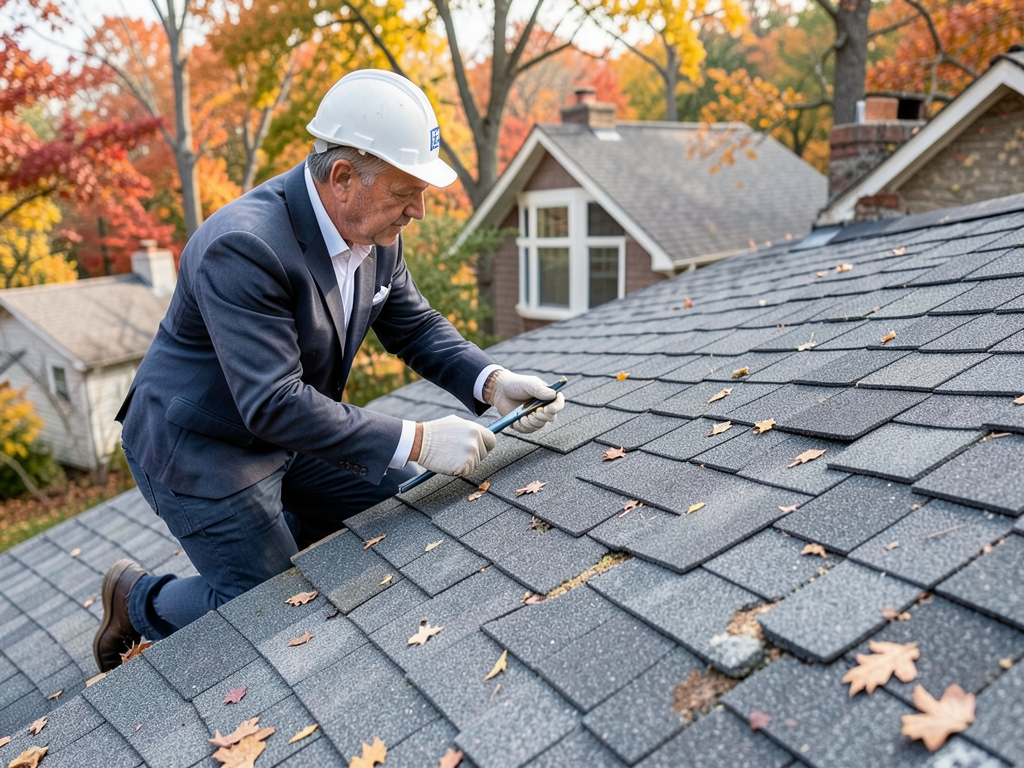
A thorough roof inspection by a licensed Kentucky contractor includes checking for specific Louisville-area vulnerabilities. Technicians examine shingle integrity, looking for curling, cracking, or missing granules that indicate age-related deterioration accelerated by the region’s humidity. They assess flashing around chimneys and vents, common failure points during winter storms. Why we are the highest rated roofing team in the Louisville metro area.
Inspectors also evaluate attic ventilation and insulation levels, measuring current R-values against Kentucky’s climate-specific recommendations. They check for proper fastener spacing that meets Jefferson County’s wind load requirements and inspect for signs of previous water damage that might indicate hidden vulnerabilities.
Professional inspections typically take 1-2 hours and provide a detailed report with recommendations prioritized by urgency. This assessment helps Brownsboro Road homeowners make informed decisions about necessary repairs before winter weather makes conditions unsafe for roof work.
Emergency Winter Roof Protection
Sometimes winter arrives before you can complete all preparations. If you’re facing an imminent freeze with unfinished winterization, several emergency measures can provide temporary protection. These are not substitutes for proper maintenance but can prevent immediate damage.
Clear snow from your roof using a roof rake with a long extension handle. Remove snow in layers, working from the edge upward to avoid damaging shingles. This prevents excessive weight that can cause structural issues and reduces the amount of snow available to form ice dams.
Apply calcium chloride ice melt in a sock or nylon stocking placed vertically across ice dams. This creates channels for water to drain, though it won’t eliminate the dam entirely. Never use rock salt, which can damage shingles and kill vegetation below.
Check interior ceilings and walls for water stains, particularly after sunny winter days when melting is most likely. Early detection allows you to implement temporary interior protection before damage spreads.
Long-term Roof Investment Strategies
For Brownsboro Road homeowners planning to stay in their homes long-term, certain upgrades provide superior winter protection. Impact-resistant shingles rated for Kentucky’s wind zones offer better durability against the area’s frequent storms. Synthetic slate provides the aesthetic appeal of traditional slate without the weight concerns of older Louisville homes.
Consider upgrading to architectural shingles with enhanced granule adhesion, specifically designed to withstand Louisville’s freeze-thaw cycles. These shingles cost 15-20% more than standard three-tab shingles but can extend your roof’s life by 5-7 years in this climate.
Proper attic insulation upgrades not only prevent ice dams but also reduce heating costs significantly. Louisville residents typically see 15-20% reductions in winter heating bills after bringing attic insulation up to current code requirements.
Frequently Asked Questions
When should I start winterizing my Brownsboro Road roof?
Begin winter preparations in early October, before the first freeze typically hits Louisville in November. This timeline allows for proper material ordering and scheduling with contractors who get busy as winter approaches.
Can I handle winter roof prep myself or should I hire a professional?
Basic tasks like gutter cleaning are DIY-friendly, but inspections and repairs require professional expertise. Licensed contractors understand Louisville’s specific building codes and can identify hidden issues that untrained eyes miss.
How much does professional winter roof preparation cost in Louisville?
Professional winterization typically costs $500-$2,500 depending on roof size and condition. This investment prevents much more expensive emergency repairs that can cost $3,000-$8,000 for winter storm damage.
What are the signs my roof isn’t ready for winter?
Warning signs include missing or damaged shingles, clogged gutters, insufficient attic insulation, and visible gaps in flashing. Water stains on interior ceilings indicate existing vulnerabilities that winter weather will worsen.
Does my homeowner’s insurance cover winter roof damage?
Insurance typically covers sudden damage from winter storms but may deny claims for damage resulting from lack of maintenance. Regular winterization demonstrates due diligence and improves claim approval chances.
Take Action Before the First Freeze
Don’t wait until the first ice storm hits Brownsboro Road to discover your roof has vulnerabilities. The time to act is now, while weather conditions allow for safe roof work and before contractors’ schedules fill up for the season. Every week you delay increases the risk of winter damage that could cost thousands to repair.
Fortress Roofing has served Louisville homeowners for over 15 years, handling everything from routine winterizations to emergency storm repairs. Our team understands the specific challenges that Brownsboro Road’s location presents, from the freeze-thaw cycles to the impact of Ohio River humidity on roofing materials. The most trusted roofing services in Germantown and Schnitzelburg.
Call (502) 678-7557 today to schedule your winter roof inspection. Our licensed Kentucky contractors will provide a comprehensive assessment and prioritize recommendations based on urgency and your budget. Don’t let winter catch you unprepared. Pick up the phone and call (502) 678-7557 before the next cold front arrives. Your home deserves the fortress-level protection that only experienced local professionals can provide. For more information, visit FEMA disaster preparedness.
{
“@context”: “https://schema.org”,
“@type”: “BlogPosting”,
“headline”: “How to prep your Brownsboro Road roof for a freezing Kentucky winter”,
“description”: “Prepare your Brownsboro Road roof for Kentucky’s harsh winters with our expert guide. Learn about ice dams, attic insulation, and when to call Fortress Roofing at (502) 678-7557.”,
“wordCount”: 1845,
“datePublished”: “2026-03-18T09:51:00.000Z”,
“dateModified”: “2026-03-18T09:51:00.000Z”,
“inLanguage”: “en-US”,
“mainEntityOfPage”: {
“@type”: “WebPage”,
“@id”: “https://fortressroofinglouisville.com”
},
“publisher”: {
“@type”: “LocalBusiness”,
“name”: “Fortress Roofing Louisville”,
“url”: “https://fortressroofinglouisville.com”
},
“author”: {
“@type”: “Organization”,
“name”: “Fortress Roofing Louisville”,
“url”: “https://fortressroofinglouisville.com”
},
“image”: {
“@type”: “ImageObject”,
“url”: “https://fortressroofinglouisville.com/wp-content/uploads/2026/03/how-to-prep-your-brownsboro-road-roof-for-a-freezi-1.png”
}
}
{
“@context”: “https://schema.org”,
“@type”: “RoofingContractor”,
“name”: “Fortress Roofing Louisville”,
“url”: “https://fortressroofinglouisville.com”,
“address”: {
“@type”: “PostalAddress”,
“addressLocality”: “Louisville”
},
“areaServed”: {
“@type”: “City”,
“name”: “Louisville”
}
}
{
“@context”: “https://schema.org”,
“@type”: “FAQPage”,
“mainEntity”: [
{
“@type”: “Question”,
“name”: “When should I start winterizing my Brownsboro Road roof?”,
“acceptedAnswer”: {
“@type”: “Answer”,
“text”: “Begin winter preparations in early October, before the first freeze typically hits Louisville in November. This timeline allows for proper material ordering and scheduling with contractors who get busy as winter approaches.”
}
},
{
“@type”: “Question”,
“name”: “Can I handle winter roof prep myself or should I hire a professional?”,
“acceptedAnswer”: {
“@type”: “Answer”,
“text”: “Basic tasks like gutter cleaning are DIY-friendly, but inspections and repairs require professional expertise. Licensed contractors understand Louisville’s specific building codes and can identify hidden issues that untrained eyes miss.”
}
},
{
“@type”: “Question”,
“name”: “How much does professional winter roof preparation cost in Louisville?”,
“acceptedAnswer”: {
“@type”: “Answer”,
“text”: “Professional winterization typically costs $500-$2,500 depending on roof size and condition. This investment prevents much more expensive emergency repairs that can cost $3,000-$8,000 for winter storm damage.”
}
},
{
“@type”: “Question”,
“name”: “What are the signs my roof isn’t ready for winter?”,
“acceptedAnswer”: {
“@type”: “Answer”,
“text”: “Warning signs include missing or damaged shingles, clogged gutters, insufficient attic insulation, and visible gaps in flashing. Water stains on interior ceilings indicate existing vulnerabilities that winter weather will worsen.”
}
},
{
“@type”: “Question”,
“name”: “Does my homeowner’s insurance cover winter roof damage?”,
“acceptedAnswer”: {
“@type”: “Answer”,
“text”: “Insurance typically covers sudden damage from winter storms but may deny claims for damage resulting from lack of maintenance. Regular winterization demonstrates due diligence and improves claim approval chances.”
}
}
]
}
{
“@context”: “https://schema.org”,
“@type”: “HowTo”,
“name”: “Winter Roof Preparation Steps”,
“step”: [
{
“@type”: “HowToStep”,
“position”: 1,
“name”: “Gutter Cleaning and Drainage Assessment”,
“text”: “Remove all leaves, twigs, and debris from gutters and downspouts. In Louisville’s climate, clogged gutters create ice dams that back water under shingles. Check that downspouts direct water at least five feet from your foundation to prevent basement moisture issues common in the area’s clay soil.”
},
{
“@type”: “HowToStep”,
“position”: 2,
“name”: “Inspection of Flashing and Sealants”,
“text”: “Examine all roof penetrations including chimneys, vents, and skylights for cracked or missing sealant. Louisville’s freeze-thaw cycles cause sealant to expand and contract, creating gaps. Look for rust on metal flashing, which indicates deterioration that allows water infiltration during winter storms.”
},
{
“@type”: “HowToStep”,
“position”: 3,
“name”: “Attic Insulation and Ventilation Assessment”,
“text”: “Check your attic’s insulation depth and ventilation. Kentucky’s climate zone 4A requires R-38 to R-49 insulation in attics. Insufficient insulation allows heat to escape, melting snow on the roof and creating ice dams. Proper soffit and ridge ventilation prevents moisture buildup that leads to mold growth in winter.”
},
{
“@type”: “HowToStep”,
“position”: 4,
“name”: “Tree Limb Removal”,
“text”: “Trim branches hanging over your roof, especially oaks and maples common in Brownsboro Road neighborhoods. These trees drop heavy limbs during ice storms, causing immediate damage. Leaves from these species also retain moisture against shingles, accelerating deterioration in Louisville’s humid winters.”
},
{
“@type”: “HowToStep”,
“position”: 5,
“name”: “Professional Roof Tune-up vs. DIY”,
“text”: “While you can handle basic maintenance, a professional inspection identifies hidden issues. Licensed Kentucky contractors know local building codes and can spot problems specific to Louisville’s climate. They’ll check for granule loss, shingle curling, and proper fastener installation that meets Jefferson County wind requirements of up to 115 mph.”
}
],
“image”: “https://fortressroofinglouisville.com/wp-content/uploads/2026/03/how-to-prep-your-brownsboro-road-roof-for-a-freezi-1.png”
}
{
“@context”: “https://schema.org”,
“@type”: “BreadcrumbList”,
“itemListElement”: [
{
“@type”: “ListItem”,
“position”: 1,
“name”: “Home”,
“item”: “https://fortressroofinglouisville.com”
},
{
“@type”: “ListItem”,
“position”: 2,
“name”: “Blog”,
“item”: “https://fortressroofinglouisville.com/blog”
},
{
“@type”: “ListItem”,
“position”: 3,
“name”: “How to prep your Brownsboro Road roof for a freezing Kentucky winter”
}
]
}
{
“@context”: “https://schema.org”,
“@type”: “Service”,
“serviceType”: “Roofing”,
“provider”: {
“@type”: “LocalBusiness”,
“name”: “Fortress Roofing Louisville”,
“url”: “https://fortressroofinglouisville.com”
},
“areaServed”: {
“@type”: “City”,
“name”: “Louisville”
},
“description”: “Prepare your Brownsboro Road roof for Kentucky’s harsh winters with our expert guide. Learn about ice dams, attic insulation, and when to call Fortress Roofing at (502) 678-7557.”
}