
Comparing asphalt shingles vs metal roofing for your Louisville home
Choosing between asphalt shingles and metal roofing for your Louisville home means weighing durability against cost while considering Kentucky’s volatile weather. Asphalt shingles dominate the local market due to their affordability and proven track record, but metal roofing offers superior longevity and storm resistance that many homeowners overlook. Your decision impacts everything from energy bills to insurance premiums, especially in Louisville’s high-humidity climate where algae growth and wind-driven rain test roofing materials year-round.
Metal roofing typically costs 2-3 times more upfront than asphalt but can last 40-70 years compared to 15-25 years for standard shingles. However, asphalt’s lower initial investment and ease of repair make it the practical choice for many Louisville properties, particularly in historic neighborhoods where architectural compatibility matters. The real question isn’t which material is objectively better, but which delivers the best value for your specific home, budget, and long-term goals. EPA WaterSense guidelines.
Asphalt shingles dominate Louisville’s roofing market
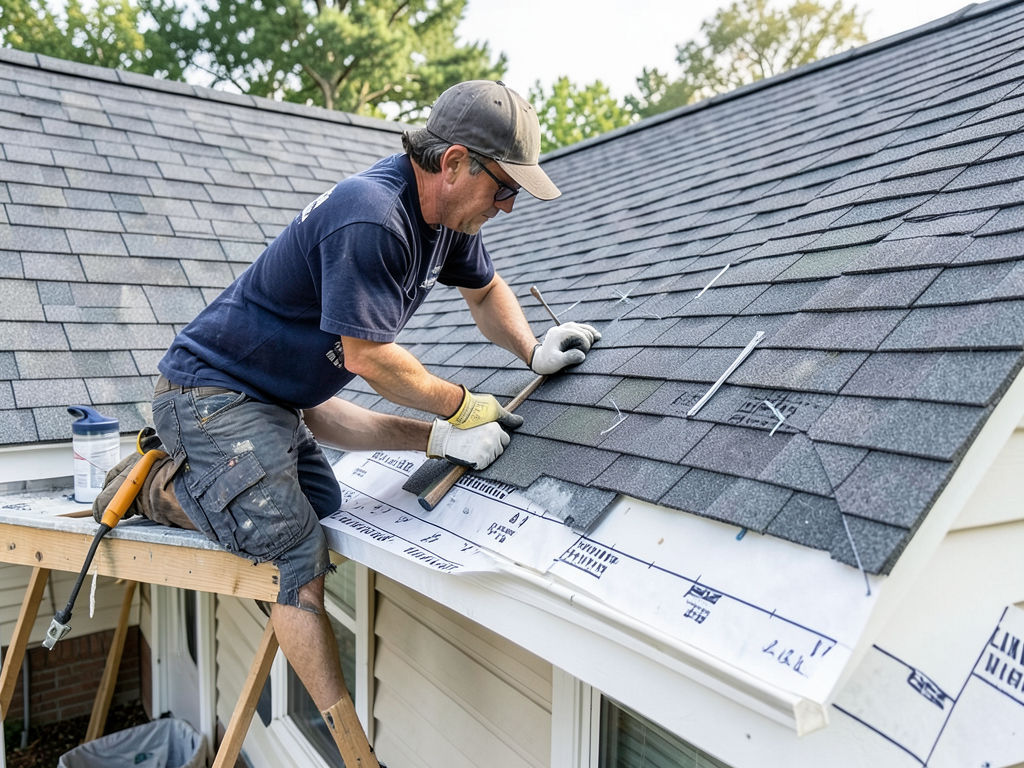
Asphalt shingles remain the most popular roofing choice in Louisville for good reason. These materials handle Kentucky’s temperature swings well, install quickly, and come in architectural styles that complement everything from East End modern builds to Highlands bungalows. The three-tab variety costs less upfront but only lasts 15-20 years in our humid climate, while architectural shingles with algae-resistant coatings can push 25 years when properly maintained.
Local installers appreciate asphalt’s forgiving nature during installation, especially on complex rooflines common in neighborhoods like St. Matthews and Middletown. The material’s weight actually helps it resist uplift in Louisville’s occasional high-wind events, though proper fastening per Kentucky Residential Code requirements remains critical. Most asphalt failures in Louisville stem from poor ventilation rather than material defects, making proper attic airflow essential for maximizing lifespan.
Metal roofing’s storm resistance advantage
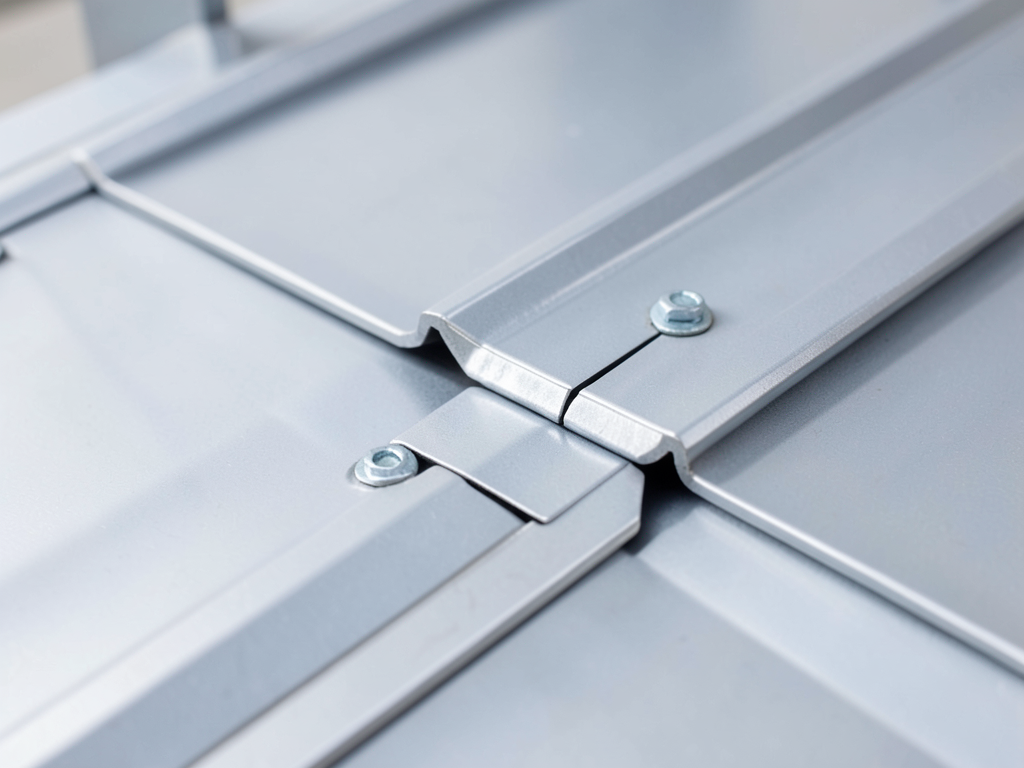
Metal roofing excels where Louisville’s weather gets aggressive. Standing seam metal panels lock together to create a virtually impenetrable water barrier that handles wind-driven rain better than any shingle system. The material’s Class 4 impact resistance rating means it shrugs off hail that would dent or crack asphalt, a crucial advantage given Louisville’s frequent spring hailstorms.
Metal’s smooth surface also sheds snow and ice more effectively than asphalt, reducing ice dam formation that plagues many Louisville homes during winter freeze-thaw cycles. The reflective properties of metal can lower cooling costs by 20-30% during Kentucky’s humid summers, though this benefit varies based on color and coating. Metal’s fire resistance provides additional peace of mind in older Louisville neighborhoods with mature trees and overhead power lines.
Cost comparison for Louisville homeowners
Metal roofing installation in Louisville typically runs $12-18 per square foot, while asphalt shingles cost $4-7 per square foot. The price gap narrows when factoring in asphalt’s shorter lifespan and higher maintenance needs. A metal roof might cost $30,000 upfront but could eliminate replacement costs for 50+ years, while asphalt at $12,000 would need replacement every 20 years.
Insurance companies often provide premium discounts for metal roofing due to its superior durability and fire resistance. Some Louisville homeowners report 10-15% annual savings, which can offset the higher initial investment over time. However, the break-even point depends on your specific situation, including roof complexity, local labor rates, and how long you plan to stay in your home.
Climate performance in Louisville’s Ohio Valley
Louisville’s climate creates unique challenges that affect roofing material performance. Our high humidity levels promote algae and moss growth, particularly on north-facing asphalt shingles in neighborhoods like the Highlands where mature trees provide shade. Metal’s smooth surface resists biological growth better, though it can still accumulate pollen and debris that trap moisture.
Temperature fluctuations in Louisville cause materials to expand and contract, stressing fasteners and sealants. Asphalt handles these cycles reasonably well but can become brittle after 10-15 years of UV exposure. Metal expands more dramatically but uses engineered fastening systems that accommodate movement without compromising weathertightness. The key difference shows up during Louisville’s frequent thunderstorms, where metal’s interlocking panels prevent the uplift and blow-off that occasionally affects poorly installed asphalt.
Installation considerations and local expertise
Finding qualified installers matters as much as choosing the right material. Louisville’s roofing contractors have decades of asphalt experience but fewer specialize in metal installation, particularly standing seam systems that require specific tools and techniques. The Kentucky Residential Code mandates specific underlayment requirements and fastening patterns that both material types must follow, but metal installation demands additional expertise in panel alignment and seam sealing.
Historic districts in Louisville often have strict guidelines about roofing materials and colors. The Old Louisville neighborhood, for instance, may require materials that maintain architectural authenticity, potentially limiting metal options or necessitating specialized coatings that mimic traditional materials. Always check with local authorities before committing to either material, as permits and inspections apply to both.
Environmental impact and sustainability
Metal roofing contains recycled content and is fully recyclable at end-of-life, making it the more sustainable choice for environmentally conscious Louisville homeowners. Asphalt shingles, while containing some recycled material, typically end up in landfills after replacement. However, asphalt’s lower manufacturing energy requirements and lighter weight reduce transportation emissions.
Both materials can support rainwater harvesting systems, though metal’s smoother surface yields cleaner runoff. Louisville’s occasional water restrictions make rainwater collection increasingly popular, and either material can accommodate proper gutter systems for collection. The environmental calculus shifts when considering longevity – a single metal roof replacing three asphalt installations generates less manufacturing waste over decades.
Making the right choice for your Louisville home
Your decision ultimately depends on your priorities, budget, and how long you plan to stay in your home. Asphalt makes sense if you need a cost-effective solution for a home you’ll sell within 10-15 years, or if you’re restoring a historic property where material authenticity matters. The lower upfront cost and ease of repair provide flexibility that many Louisville homeowners value.
Metal becomes the better investment when you prioritize longevity, storm resistance, and energy efficiency over initial cost. It’s particularly valuable for homes in exposed locations, properties prone to ice damming, or situations where insurance premium reductions offset the higher price. Consider your home’s architecture, neighborhood character, and personal preferences when weighing these factors.
Neither material is universally superior – both can provide decades of reliable protection when properly specified and installed. The key is matching the material to your specific needs rather than chasing the latest trend or lowest price. A well-informed decision now prevents costly regrets later.
- Assess your budget and timeline
Determine how much you can invest upfront and how long you plan to stay in your home. Metal’s higher cost makes more sense for long-term ownership.
- Evaluate your home’s architecture
Consider whether your home’s style and neighborhood guidelines favor one material over another. Historic districts may limit options.
- Factor in Louisville’s weather patterns
Think about how each material handles humidity, hail, wind, and temperature swings specific to our region.
- Get multiple quotes from qualified contractors
Ensure any contractor you consider has experience with your chosen material and understands local building codes.
- Check insurance implications
Ask your insurance provider about premium differences between material types in Louisville.
Frequently Asked Questions
How long does each roofing material typically last in Louisville?
Asphalt shingles generally last 15-25 years in Louisville’s climate, while metal roofing can last 40-70 years or more. The actual lifespan depends on installation quality, ventilation, and maintenance practices.
Which material handles Louisville’s severe weather better?
Metal roofing typically outperforms asphalt during severe weather events. Its Class 4 impact resistance handles hail better, and its interlocking panels resist wind uplift more effectively than individual shingles.
Are there energy efficiency differences between the materials?
Metal roofing often provides better energy efficiency due to its reflective properties, potentially reducing cooling costs by 20-30% during Louisville’s humid summers. However, proper attic ventilation matters more than material choice for overall energy performance.
What are the maintenance requirements for each material?
Asphalt shingles require periodic inspections for damaged or missing shingles, especially after storms. Metal roofing needs less frequent maintenance but should be checked for loose fasteners and sealant integrity, particularly at penetrations and transitions.
Does Louisville have specific building code requirements for these materials?
Yes, the Kentucky Residential Code specifies underlayment requirements, fastening patterns, and wind resistance ratings for both materials. Local jurisdictions may have additional requirements, particularly in historic districts or high-wind zones.
Ready to upgrade your Louisville home’s protection? Call (502) 678-7557 today to schedule your inspection and get expert advice on which roofing material fits your needs. Our team understands Louisville’s unique climate challenges and can help you make the right choice for your home and budget.
Don’t wait until the next storm reveals weaknesses in your current roof. Pick up the phone and call (502) 678-7557 before minor issues become major problems. We serve Louisville, Owensboro, Elizabethtown, and all surrounding Kentucky communities with the expertise your home deserves. For more information, visit National Fire Protection Association.
{
“@context”: “https://schema.org”,
“@type”: “BlogPosting”,
“headline”: “Comparing asphalt shingles vs metal roofing for your Louisville home”,
“description”: “Compare asphalt shingles vs metal roofing for Louisville homes. Learn about durability, costs, and climate performance from local experts serving Louisville, KY.”,
“wordCount”: 1480,
“datePublished”: “2026-03-02T14:37:00.000Z”,
“dateModified”: “2026-03-02T14:37:00.000Z”,
“inLanguage”: “en-US”,
“mainEntityOfPage”: {
“@type”: “WebPage”,
“@id”: “https://fortressroofinglouisville.com”
},
“publisher”: {
“@type”: “LocalBusiness”,
“name”: “Fortress Roofing Louisville”,
“url”: “https://fortressroofinglouisville.com”
},
“author”: {
“@type”: “Organization”,
“name”: “Fortress Roofing Louisville”,
“url”: “https://fortressroofinglouisville.com”
},
“image”: {
“@type”: “ImageObject”,
“url”: “https://fortressroofinglouisville.com/wp-content/uploads/2026/03/comparing-asphalt-shingles-vs-metal-roofing-for-yo-1.png”
}
}
{
“@context”: “https://schema.org”,
“@type”: “RoofingContractor”,
“name”: “Fortress Roofing Louisville”,
“url”: “https://fortressroofinglouisville.com”,
“address”: {
“@type”: “PostalAddress”,
“addressLocality”: “Louisville”
},
“areaServed”: {
“@type”: “City”,
“name”: “Louisville”
}
}
{
“@context”: “https://schema.org”,
“@type”: “FAQPage”,
“mainEntity”: [
{
“@type”: “Question”,
“name”: “How long does each roofing material typically last in Louisville?”,
“acceptedAnswer”: {
“@type”: “Answer”,
“text”: “Asphalt shingles generally last 15-25 years in Louisville’s climate, while metal roofing can last 40-70 years or more. The actual lifespan depends on installation quality, ventilation, and maintenance practices.”
}
},
{
“@type”: “Question”,
“name”: “Which material handles Louisville’s severe weather better?”,
“acceptedAnswer”: {
“@type”: “Answer”,
“text”: “Metal roofing typically outperforms asphalt during severe weather events. Its Class 4 impact resistance handles hail better, and its interlocking panels resist wind uplift more effectively than individual shingles.”
}
},
{
“@type”: “Question”,
“name”: “Are there energy efficiency differences between the materials?”,
“acceptedAnswer”: {
“@type”: “Answer”,
“text”: “Metal roofing often provides better energy efficiency due to its reflective properties, potentially reducing cooling costs by 20-30% during Louisville’s humid summers. However, proper attic ventilation matters more than material choice for overall energy performance.”
}
},
{
“@type”: “Question”,
“name”: “What are the maintenance requirements for each material?”,
“acceptedAnswer”: {
“@type”: “Answer”,
“text”: “Asphalt shingles require periodic inspections for damaged or missing shingles, especially after storms. Metal roofing needs less frequent maintenance but should be checked for loose fasteners and sealant integrity, particularly at penetrations and transitions.”
}
},
{
“@type”: “Question”,
“name”: “Does Louisville have specific building code requirements for these materials?”,
“acceptedAnswer”: {
“@type”: “Answer”,
“text”: “Yes, the Kentucky Residential Code specifies underlayment requirements, fastening patterns, and wind resistance ratings for both materials. Local jurisdictions may have additional requirements, particularly in historic districts or high-wind zones.”
}
}
]
}
{
“@context”: “https://schema.org”,
“@type”: “HowTo”,
“name”: “How to Choose Between Asphalt and Metal Roofing”,
“step”: [
{
“@type”: “HowToStep”,
“position”: 1,
“name”: “Assess your budget and timeline”,
“text”: “Determine how much you can invest upfront and how long you plan to stay in your home. Metal’s higher cost makes more sense for long-term ownership.”
},
{
“@type”: “HowToStep”,
“position”: 2,
“name”: “Evaluate your home’s architecture”,
“text”: “Consider whether your home’s style and neighborhood guidelines favor one material over another. Historic districts may limit options.”
},
{
“@type”: “HowToStep”,
“position”: 3,
“name”: “Factor in Louisville’s weather patterns”,
“text”: “Think about how each material handles humidity, hail, wind, and temperature swings specific to our region.”
},
{
“@type”: “HowToStep”,
“position”: 4,
“name”: “Get multiple quotes from qualified contractors”,
“text”: “Ensure any contractor you consider has experience with your chosen material and understands local building codes.”
},
{
“@type”: “HowToStep”,
“position”: 5,
“name”: “Check insurance implications”,
“text”: “Ask your insurance provider about premium differences between material types in Louisville.”
}
],
“image”: “https://fortressroofinglouisville.com/wp-content/uploads/2026/03/comparing-asphalt-shingles-vs-metal-roofing-for-yo-1.png”
}
{
“@context”: “https://schema.org”,
“@type”: “BreadcrumbList”,
“itemListElement”: [
{
“@type”: “ListItem”,
“position”: 1,
“name”: “Home”,
“item”: “https://fortressroofinglouisville.com”
},
{
“@type”: “ListItem”,
“position”: 2,
“name”: “Blog”,
“item”: “https://fortressroofinglouisville.com/blog”
},
{
“@type”: “ListItem”,
“position”: 3,
“name”: “Comparing asphalt shingles vs metal roofing for your Louisville home”
}
]
}
{
“@context”: “https://schema.org”,
“@type”: “Service”,
“serviceType”: “Roofing”,
“provider”: {
“@type”: “LocalBusiness”,
“name”: “Fortress Roofing Louisville”,
“url”: “https://fortressroofinglouisville.com”
},
“areaServed”: {
“@type”: “City”,
“name”: “Louisville”
},
“description”: “Compare asphalt shingles vs metal roofing for Louisville homes. Learn about durability, costs, and climate performance from local experts serving Louisville, KY.”
}