
Repairing the Complex Roof Lines of Victorian Homes in the Phoenix Hill Neighborhood
Victorian homes in Louisville’s Phoenix Hill neighborhood feature intricate roof lines with multiple gables, turrets, and decorative elements that require specialized craftsmanship. These architectural treasures demand expertise in historic materials like slate and copper flashing, along with knowledge of Louisville Landmarks Commission requirements for preservation. Louisville Landmarks Commission.
The steep pitches and complex geometry of Victorian roofs create unique challenges. Turrets often develop leaks at the base where water pools, while decorative finials and cresting require careful restoration to maintain both function and aesthetic integrity. Phoenix Hill’s historic homes, built between 1880 and 1920, showcase Queen Anne and Italianate styles that rely on precise roof geometry for their signature appearance.
Common issues in these structures include failing box gutters, deteriorated slate tiles, and compromised flashing around chimneys and dormers. The freeze-thaw cycles in Louisville’s climate accelerate wear on these historic systems, making regular maintenance essential for preserving both the roof’s integrity and the home’s architectural value. Why we are the highest rated roofing team in the Louisville metro area.
Understanding Phoenix Hill’s Victorian Architecture
Phoenix Hill developed as Louisville’s east end expanded in the late 19th century. The neighborhood features predominantly Queen Anne and Italianate Victorian homes with characteristic complex roof lines including multiple intersecting gables, turrets, and decorative dormers. These architectural elements create beautiful silhouettes but also create numerous valleys and joints where water infiltration commonly occurs.
The area’s historic significance means many homes fall under Louisville Landmarks Commission oversight. Properties near East Broadway and within the original Phoenix Hill subdivision often require commission approval before any exterior modifications. This includes roof repairs that might alter the home’s historic character or use non-period appropriate materials. Commercial flat roof repair and maintenance for business owners in NuLu.
Victorian homes in this area typically feature slate roofs, copper flashing, and built-in box gutters. The slate often comes from Vermont or Pennsylvania quarries, with varying thicknesses and color patterns that create the distinctive appearance. Understanding these material specifications proves essential for proper restoration work.
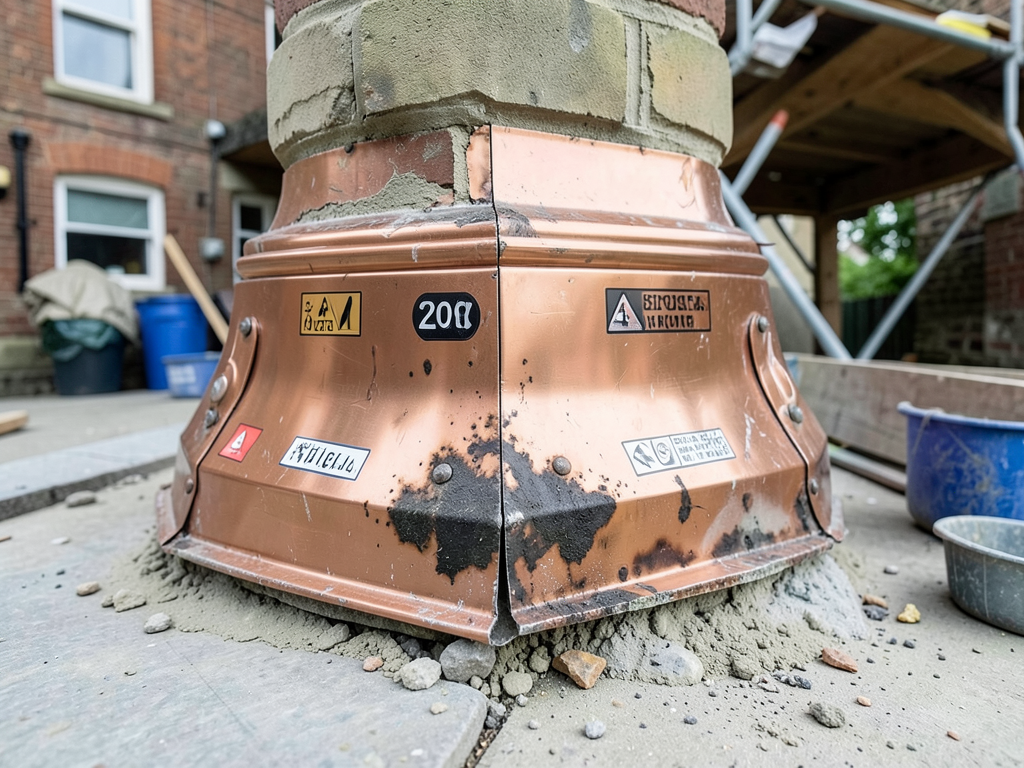
Diagram showing Victorian roof geometry with turrets, gables, and valley configurations specific to Phoenix Hill architecture
Specialized Materials for Historic Roof Restoration
Victorian roof restoration requires authentic materials that match the original construction. Natural slate remains the gold standard for these applications, with Buckingham slate from Virginia being common in Kentucky’s historic homes. This material offers 75-100 year lifespans when properly installed, compared to 20-30 years for modern asphalt shingles.
Copper flashing represents another critical component. The material develops a protective patina over time while providing superior corrosion resistance. Victorian homes often feature decorative copper elements including finials, cresting, and ornamental gutters that require specialized fabrication skills. The copper must be properly soldered at joints to prevent water infiltration.
Cedar shakes provide authentic roofing for certain Victorian applications, particularly on secondary roof sections or decorative gables. The material requires specific installation techniques including proper spacing for ventilation and treatment against Louisville’s humid climate. Modern synthetic alternatives can mimic the appearance while offering improved durability. The most trusted roofing services in Germantown and Schnitzelburg.
| Material | Lifespan | Victorian Application | Maintenance Needs |
|---|---|---|---|
| Natural Slate | 75-100 years | Primary roof surface | Inspection every 5 years |
| Copper Flashing | 50-75 years | Valleys, chimneys, dormers | Solder joint inspection |
| Cedar Shakes | 30-40 years | Decorative gables | Treat every 5-7 years |
| Cast Iron Gutters | 40-50 years | Box gutter systems | Cleaning twice yearly |
Navigating Louisville Landmarks Commission Requirements
The Louisville Landmarks Commission oversees exterior modifications to historic properties in designated districts. For Phoenix Hill homes, this means any roof replacement or significant repair requires commission approval before work begins. The commission evaluates proposals based on material authenticity, color compatibility, and impact on the home’s historic character.
Application process typically takes 3-4 weeks and requires detailed documentation including material samples, color swatches, and installation methods. The commission prefers materials that match the original construction, often requiring natural slate rather than synthetic alternatives. They may also specify color palettes that reflect historic Victorian roof colors.
Commission staff can provide guidance on appropriate materials and techniques for specific architectural styles. They maintain records of original construction materials for many Phoenix Hill homes, helping homeowners make informed decisions about restoration approaches. Working with commission-approved contractors who understand these requirements streamlines the approval process.
Common Victorian Roofing Issues in Phoenix Hill
Turret leaks represent one of the most challenging repairs in Victorian homes. The curved walls and complex flashing details create multiple potential failure points. Water often infiltrates at the turret base where it meets the main roof, requiring careful removal of surrounding materials to access and repair the underlying structure.
Valley failures occur frequently in these complex roof systems. The multiple intersecting planes create valleys that channel large volumes of water during Louisville’s heavy rains. Original copper flashing in these areas often deteriorates from the inside out, creating hidden leaks that damage interior plaster and woodwork.
Box gutter systems, common in Victorian construction, frequently clog with debris or deteriorate from standing water. These built-in gutters require complete disassembly for proper cleaning and repair. The surrounding wood framing often shows water damage that must be addressed before new gutter systems can function properly.
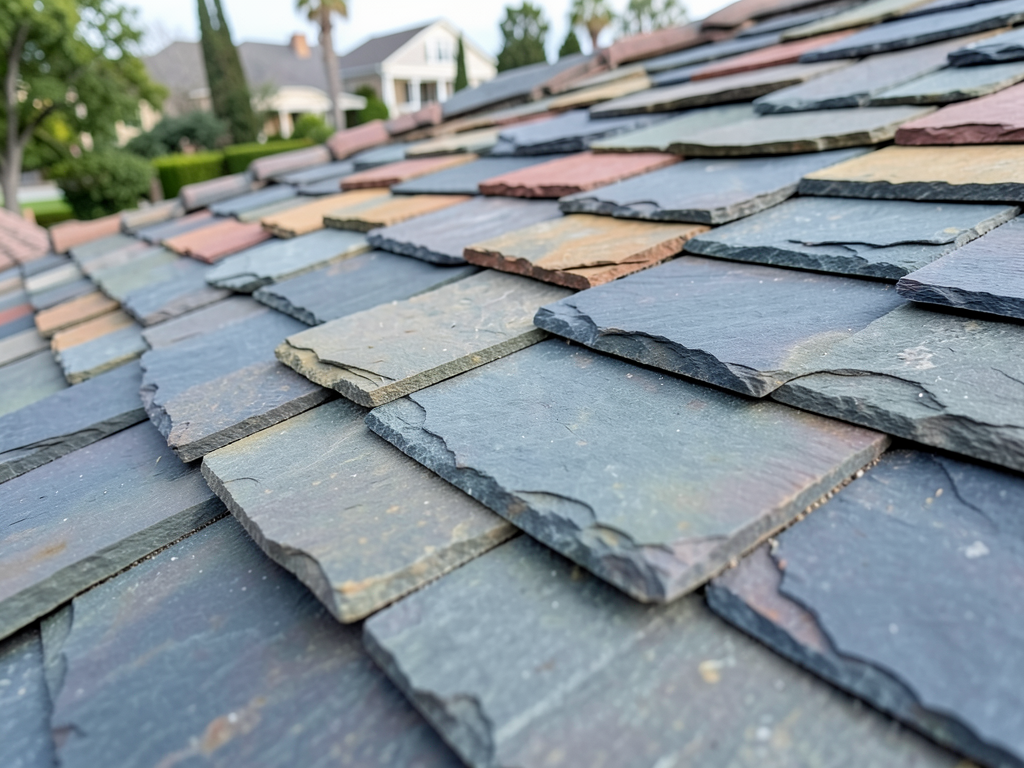
Photo showing copper flashing repair at a Victorian turret base with water damage indicators
Diagnostic Testing for Historic Roof Systems
Professional roofers use specific diagnostic tools to assess Victorian roof conditions without causing additional damage. A moisture meter with deep penetration probes helps identify water infiltration in areas not visible from the surface. This testing reveals the extent of damage behind decorative elements and within structural cavities.
Infrared thermography identifies temperature variations that indicate moisture presence or insulation deficiencies. This non-invasive technique proves especially valuable for detecting leaks in slate roofs where visual inspection cannot reveal underlying problems. The technology shows exactly where water penetrates the roof assembly.
Core sampling of slate tiles determines material thickness and condition. This test involves removing a small section of tile to examine the substrate and assess the overall roof structure. The process helps determine whether individual tile replacement suffices or if complete roof replacement becomes necessary.
Restoration vs Replacement Considerations
Historic preservation principles favor restoration over replacement when feasible. Individual slate tiles can be replaced without disturbing surrounding materials, preserving the roof’s historic character. This approach proves more economical when damage affects less than 20% of the roof surface.
Complete replacement becomes necessary when structural damage extends beyond the roof covering. Deteriorated sheathing, damaged rafters, or widespread slate failure requires comprehensive restoration. Modern underlayments and ventilation systems can be incorporated while maintaining the historic exterior appearance.
Cost factors vary significantly between restoration and replacement. Restoration typically costs 40-60% less than complete replacement but requires more frequent maintenance. Replacement offers longer-term reliability but may face greater regulatory scrutiny from preservation authorities.
Energy Efficiency in Historic Roofing
Victorian homes often lack modern insulation, creating significant energy losses through the roof. Restoration projects can incorporate energy-efficient underlayments and ventilation systems that improve performance without altering the historic appearance. These upgrades reduce heating and cooling costs while protecting the roof structure. Protecting your Lake Louisvilla home from high winds and waterfront humidity.
Proper attic ventilation prevents moisture accumulation that damages historic materials. Ridge vents, soffit vents, and carefully placed exhaust fans maintain airflow while remaining invisible from the street. These systems extend the life of roofing materials by preventing temperature extremes and moisture buildup. Roofing Owensboro.
Reflective underlayments can reduce heat gain in summer months, improving comfort in upper floor rooms. These materials work beneath the visible roofing surface, maintaining the historic character while providing modern performance benefits. The combination of preservation and efficiency appeals to many historic homeowners.
Finding Qualified Victorian Roofing Specialists
Victorian roof repair requires specialized skills not found in standard roofing companies. Look for contractors with experience in historic preservation, knowledge of traditional materials, and familiarity with Louisville’s Landmarks Commission requirements. These specialists understand the balance between modern performance and historic authenticity.
Ask potential contractors about their experience with slate installation, copper work, and complex roof geometry. Request references from similar projects in Phoenix Hill or other Louisville historic districts. Verify their knowledge of local building codes and preservation guidelines before hiring.
Insurance requirements for historic roof work often exceed standard policies. Ensure contractors carry adequate coverage for specialized materials and techniques. The higher value of historic materials and the complexity of Victorian roof systems justify additional insurance protection.
Before and after restoration showing Victorian turret with new copper flashing and restored slate tiles
Maintenance Schedule for Historic Roofs
Regular maintenance prevents costly repairs in historic roofing systems. Biannual inspections identify problems before they cause significant damage. Spring inspections check for winter damage, while fall inspections prepare the roof for winter weather.
Cleaning gutters and valleys prevents water backup that damages historic materials. Remove debris from roof surfaces to prevent moisture retention that accelerates deterioration. Check flashing joints and sealant conditions during each inspection.
Document all maintenance activities, including photographs and repair details. This record proves valuable for future restoration work and may satisfy Landmarks Commission requirements for ongoing maintenance. Regular maintenance often qualifies for preservation tax incentives in historic districts.
Cost Factors in Victorian Roof Restoration
Several factors influence restoration costs in historic roofing. Material authenticity often increases expenses, as natural slate costs more than synthetic alternatives. The complexity of Victorian roof geometry requires more labor hours than standard roof installations.
Access challenges in historic neighborhoods can affect pricing. Narrow streets and limited parking in Phoenix Hill may require special equipment or additional labor for material transport. Working around mature trees and landscaping also increases project complexity.
Permit fees and commission review processes add administrative costs to historic projects. These expenses vary based on project scope and may include application fees, review costs, and potential redesign expenses if initial proposals require modification.
Frequently Asked Questions
How long does a Victorian roof restoration typically take?
Most Victorian roof restorations in Phoenix Hill require 3-6 weeks depending on weather conditions and project scope. Complex turret repairs may extend timelines, while simple slate replacement projects complete more quickly. Weather delays are common during Louisville’s rainy seasons.
Can I use modern materials on my historic Victorian roof?
The Louisville Landmarks Commission generally requires materials that match the original construction. Synthetic slate may be acceptable in some cases, but natural materials are strongly preferred. Commission approval depends on the specific property and proposed materials.
What signs indicate my Victorian roof needs professional attention?
Water stains on interior ceilings, missing or cracked slate tiles, sagging gutters, and visible flashing deterioration indicate problems requiring professional assessment. Early intervention prevents more extensive and expensive repairs to historic materials.
Are there tax incentives for historic roof restoration?
Federal and state tax credits may be available for certified historic preservation work. The Kentucky State Historic Preservation Office and Louisville Landmarks Commission can provide information about current incentive programs and qualification requirements.
Protecting Your Victorian Investment
Victorian homes in Phoenix Hill represent significant architectural and financial investments. Proper roof maintenance and restoration preserves both the home’s value and its historic character. The specialized skills required for this work justify the additional cost compared to standard roofing services.
Working with qualified historic preservation contractors ensures compliance with preservation guidelines while delivering quality results. These specialists understand the unique challenges of Victorian roofing and can recommend appropriate solutions for your specific property.
Regular maintenance and prompt attention to developing problems extend the life of historic roofing systems. The combination of authentic materials, proper installation, and ongoing care can preserve your Victorian roof for generations to come.
Call (502) 678-7557 Today to Schedule Your Inspection
Don’t wait until water damage compromises your historic home’s structural integrity. Our team specializes in Victorian roof restoration throughout Louisville’s historic districts, including Phoenix Hill. We understand the unique requirements of these architectural treasures and work within Landmarks Commission guidelines to preserve your home’s character.
Call (502) 678-7557 today to schedule a comprehensive roof inspection. We’ll identify potential problems, recommend appropriate solutions, and provide detailed estimates for restoration work. Protect your investment and preserve Louisville’s architectural heritage with expert Victorian roof care.
Pick up the phone and call (502) 678-7557 before the next storm hits. Your historic home deserves specialized attention from professionals who understand both the technical requirements and the preservation guidelines that protect Louisville’s architectural legacy. For more information, visit National Park Service on Historic Roofing Materials.
{
“@context”: “https://schema.org”,
“@type”: “BlogPosting”,
“headline”: “Repairing the Complex Roof Lines of Victorian Homes in the Phoenix Hill Neighborhood”,
“description”: “Expert Victorian roof repair in Louisville’s Phoenix Hill. Specializing in slate, copper flashing, and complex turret restoration. Call (502) 678-7557 for historic home roofing.”,
“wordCount”: 2066,
“datePublished”: “2026-04-25T09:44:00.000Z”,
“dateModified”: “2026-04-25T09:44:00.000Z”,
“inLanguage”: “en-US”,
“mainEntityOfPage”: {
“@type”: “WebPage”,
“@id”: “https://fortressroofinglouisville.com”
},
“publisher”: {
“@type”: “LocalBusiness”,
“name”: “Fortress Roofing Louisville”,
“url”: “https://fortressroofinglouisville.com”
},
“author”: {
“@type”: “Organization”,
“name”: “Fortress Roofing Louisville”,
“url”: “https://fortressroofinglouisville.com”
},
“image”: {
“@type”: “ImageObject”,
“url”: “https://fortressroofinglouisville.com/wp-content/uploads/2026/03/repairing-the-complex-roof-lines-of-victorian-home-1.png”
}
}
{
“@context”: “https://schema.org”,
“@type”: “RoofingContractor”,
“name”: “Fortress Roofing Louisville”,
“url”: “https://fortressroofinglouisville.com”,
“address”: {
“@type”: “PostalAddress”,
“addressLocality”: “Louisville”
},
“areaServed”: {
“@type”: “City”,
“name”: “Louisville”
}
}
{
“@context”: “https://schema.org”,
“@type”: “FAQPage”,
“mainEntity”: [
{
“@type”: “Question”,
“name”: “How long does a Victorian roof restoration typically take?”,
“acceptedAnswer”: {
“@type”: “Answer”,
“text”: “Most Victorian roof restorations in Phoenix Hill require 3-6 weeks depending on weather conditions and project scope. Complex turret repairs may extend timelines, while simple slate replacement projects complete more quickly. Weather delays are common during Louisville’s rainy seasons.”
}
},
{
“@type”: “Question”,
“name”: “Can I use modern materials on my historic Victorian roof?”,
“acceptedAnswer”: {
“@type”: “Answer”,
“text”: “The Louisville Landmarks Commission generally requires materials that match the original construction. Synthetic slate may be acceptable in some cases, but natural materials are strongly preferred. Commission approval depends on the specific property and proposed materials.”
}
},
{
“@type”: “Question”,
“name”: “What signs indicate my Victorian roof needs professional attention?”,
“acceptedAnswer”: {
“@type”: “Answer”,
“text”: “Water stains on interior ceilings, missing or cracked slate tiles, sagging gutters, and visible flashing deterioration indicate problems requiring professional assessment. Early intervention prevents more extensive and expensive repairs to historic materials.”
}
}
]
}
{
“@context”: “https://schema.org”,
“@type”: “BreadcrumbList”,
“itemListElement”: [
{
“@type”: “ListItem”,
“position”: 1,
“name”: “Home”,
“item”: “https://fortressroofinglouisville.com”
},
{
“@type”: “ListItem”,
“position”: 2,
“name”: “Blog”,
“item”: “https://fortressroofinglouisville.com/blog”
},
{
“@type”: “ListItem”,
“position”: 3,
“name”: “Repairing the Complex Roof Lines of Victorian Homes in the Phoenix Hill Neighborhood”
}
]
}
{
“@context”: “https://schema.org”,
“@type”: “Service”,
“serviceType”: “Roofing”,
“provider”: {
“@type”: “LocalBusiness”,
“name”: “Fortress Roofing Louisville”,
“url”: “https://fortressroofinglouisville.com”
},
“areaServed”: {
“@type”: “City”,
“name”: “Louisville”
},
“description”: “Expert Victorian roof repair in Louisville’s Phoenix Hill. Specializing in slate, copper flashing, and complex turret restoration. Call (502) 678-7557 for historic home roofing.”
}