
What to do when your heavy stone chimney starts pulling away from your roof in Hurstbourne
A stone chimney weighing thousands of pounds should never move. If you notice gaps widening between your chimney and siding or see cracks forming in the mortar joints, you’re witnessing a serious structural problem that threatens both your roof and your home’s foundation.
In Hurstbourne’s older neighborhoods, many homes built between the 1960s and 1980s feature massive stone chimneys that were constructed without adequate footings for their weight. The combination of Kentucky’s expansive clay soil and seasonal freeze-thaw cycles creates perfect conditions for foundation settling. When the chimney footing fails to extend below the frost line or rests on unstable soil, the entire structure begins to lean away from your house.
The first sign homeowners notice is often a hairline gap at the roofline where the chimney meets the flashing. What starts as a quarter-inch separation quickly becomes an inch or more as gravity and soil movement continue. This separation tears through counter-flashing, creating water channels that rot roof decking and leak into attic spaces. The problem compounds as water infiltration accelerates mortar deterioration, making the chimney even more unstable. EPA chimney flashing guidelines.
Beyond the immediate roof damage, a leaning chimney creates dangerous conditions. The shifting weight can crack interior walls, separate gas vent connections, and in severe cases, create enough lateral force to damage roof trusses. The chimney becomes a pendulum waiting for the right wind gust or seismic event to bring it crashing through your roof.
Before attempting any repairs, you need to determine whether this is a roofing issue, a foundation problem, or both. A qualified Louisville roofing contractor with structural experience will inspect the chimney’s base, evaluate soil conditions around your foundation, and assess the extent of roof damage caused by the separation. This diagnosis is critical because the repair approach depends entirely on whether the chimney is simply leaning or actively separating from a moving foundation. Louisville Metro Code Enforcement.
Time matters. Every month of delay allows the gap to widen, water damage to spread, and repair costs to climb. The good news is that modern stabilization techniques can save most chimneys without requiring complete demolition. But you need to act before the structure reaches the point of no return. Commercial flat roof repair and maintenance for business owners in NuLu.
Call (502) 678-7557 today to schedule your inspection. Our Louisville-based team has stabilized hundreds of chimneys throughout Hurstbourne and surrounding neighborhoods, using proven methods that address both the visible symptoms and the underlying causes.
Identifying the Gap: Common Signs of Chimney Separation
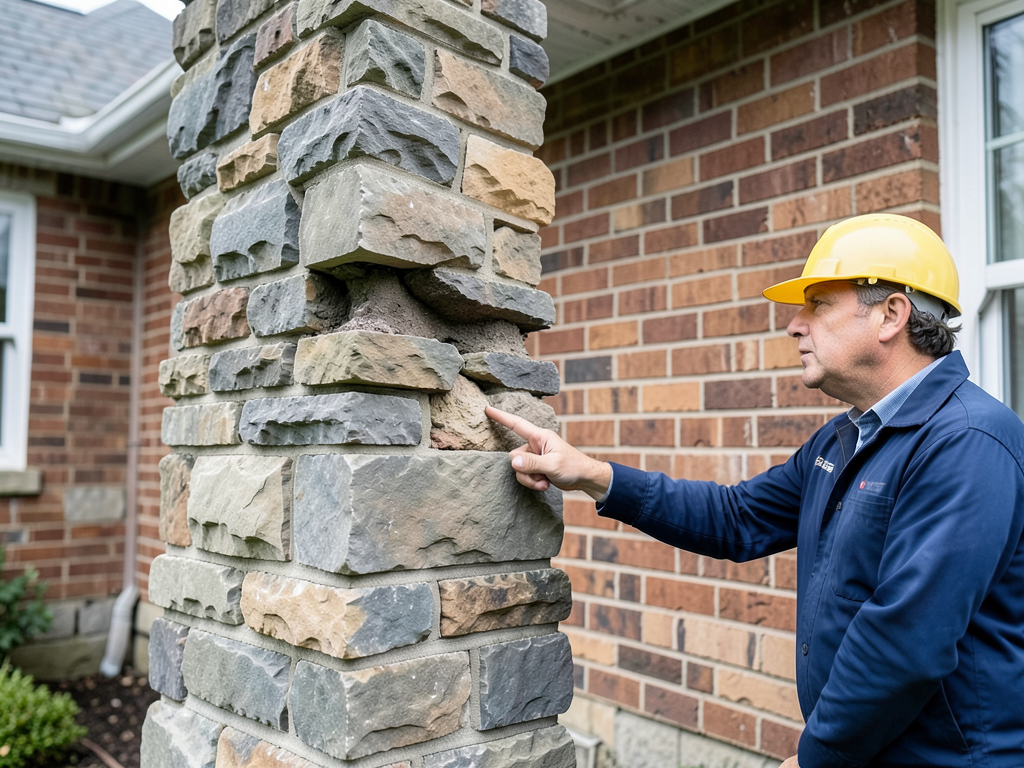
Recognizing chimney separation early can mean the difference between a repair and a complete rebuild. The most obvious indicator is a visible gap where the chimney meets your exterior wall or roofline. This gap often starts small but widens rapidly as the foundation continues to settle. Valley Leak Repair.
Cracked or crumbling mortar joints throughout the chimney structure indicate ongoing movement. When you see stair-step cracks in the mortar following the pattern of the bricks or stones, the chimney is actively shifting. These cracks typically appear worse on the side facing away from your house as gravity pulls the structure outward.
Interior warning signs include cracks appearing in drywall or plaster near the chimney’s interior face. You might notice doors and windows nearby becoming difficult to open or close as the shifting chimney warps adjacent wall frames. In severe cases, you’ll hear popping or creaking sounds as the masonry moves under stress.
Roof-specific damage includes torn or missing counter-flashing, rusted step flashing, and water stains on the ceiling near the chimney. The separation often creates a funnel effect that directs rainwater directly onto your roof decking. Check your attic for water stains, mold growth, or rotted wood around the chimney penetration point.
Exterior siding damage appears as horizontal gaps opening between the chimney and adjacent walls. Vinyl siding may show waves or buckling as it’s pulled by the moving chimney. In some cases, the separation is so severe that you can see daylight through the gap when standing outside.
Foundation indicators include cracks in your home’s foundation walls, especially on the same side as the chimney. If the chimney footing was poured as part of your home’s foundation, the entire structure may be experiencing differential settling. Walk around your home’s exterior and look for vertical cracks in brick or concrete that follow a straight line from the chimney toward the ground.
Water damage patterns provide crucial diagnostic information. If you notice water stains concentrated on one side of the chimney or water pooling in the gap between the chimney and house, the separation has created a drainage problem that accelerates deterioration. Moss or algae growth in these areas indicates chronic moisture exposure. Why we are the highest rated roofing team in the Louisville metro area.
Don’t wait for a complete failure. If you observe any combination of these warning signs, immediate professional assessment is essential. The cost of early intervention is always less than emergency repairs after a collapse.
Why It Happens: The Science of Louisville Soil and Foundations
Kentucky’s expansive clay soil creates unique challenges for heavy masonry structures. Jefferson County’s soil contains high percentages of montmorillonite clay that expands when wet and contracts when dry. This constant volume change exerts tremendous pressure on foundations, causing them to shift seasonally by as much as an inch or more.
The freeze-thaw cycle in the Ohio River Valley compounds this problem. When moisture trapped in soil freezes, it expands approximately 9% in volume. This ice lensing effect lifts foundations unevenly, creating differential settling that worsens each winter. Stone chimneys, with their massive weight concentrated on relatively small footings, are particularly vulnerable to this seasonal movement.
Many Hurstbourne homes were built before modern soil engineering standards. The Kentucky Residential Code now requires chimney footings to extend at least 12 inches below grade and rest on undisturbed soil. However, older construction often used shallow footings that barely reached the frost line, if at all. When these inadequate footings rest on expansive clay, the chimney becomes a giant lever prying itself away from the house. Reliable residential roofing specialists serving Jeffersonville and Clarksville.
Water management plays a critical role in foundation stability. Poor gutter drainage, downspouts emptying too close to the foundation, or negative grading that slopes toward the house all increase soil moisture content around the chimney footing. This excess moisture amplifies the clay’s expansion properties and creates hydrostatic pressure that pushes the chimney outward.
Limestone bedrock underlies much of Jefferson County, but its depth varies significantly. In some areas, bedrock lies just a few feet below the surface, while in others it may be 20 feet or more deep. Builders who encountered shallow bedrock sometimes anchored footings to it, creating stable conditions. However, where bedrock is deep, chimneys rest entirely on clay soil that’s prone to seasonal movement.
According to the Louisville Metro Code Enforcement, chimney footings must now meet specific engineering requirements for structures over 6 feet tall. Section 18.20.090 of the Louisville Metro Code requires engineered foundations for masonry chimneys exceeding certain height-to-base ratios. Many existing chimneys were grandfathered under older standards that didn’t account for modern soil analysis.
Soil composition varies even within Hurstbourne neighborhoods. Areas near Floyds Fork tend to have higher moisture content and more pronounced clay expansion. Homes on elevated lots may experience different settling patterns than those in low-lying areas where water accumulates. This geographic variation means two identical chimneys just blocks apart might experience completely different rates of separation.
The age of your home also matters. Mortar joints in chimneys over 30 years old often contain less cement and more lime than modern mixes, making them more susceptible to water infiltration and freeze-thaw damage. As mortar deteriorates, it loses its ability to hold the structure together during seasonal movements, accelerating the separation process.
Understanding these soil and foundation dynamics is crucial for effective repair. Simply re-mortaring visible cracks without addressing the underlying soil movement is like putting a bandage on a broken bone. The chimney will continue to move, and the repairs will fail within months.
The Roofer’s Role: How Separation Damages Your Roof System
When a chimney separates from your house, the roof system becomes Ground Zero for water infiltration and structural damage. The chimney-to-roof connection represents one of the most vulnerable points in your home’s weather barrier, and separation turns this vulnerability into a major liability.
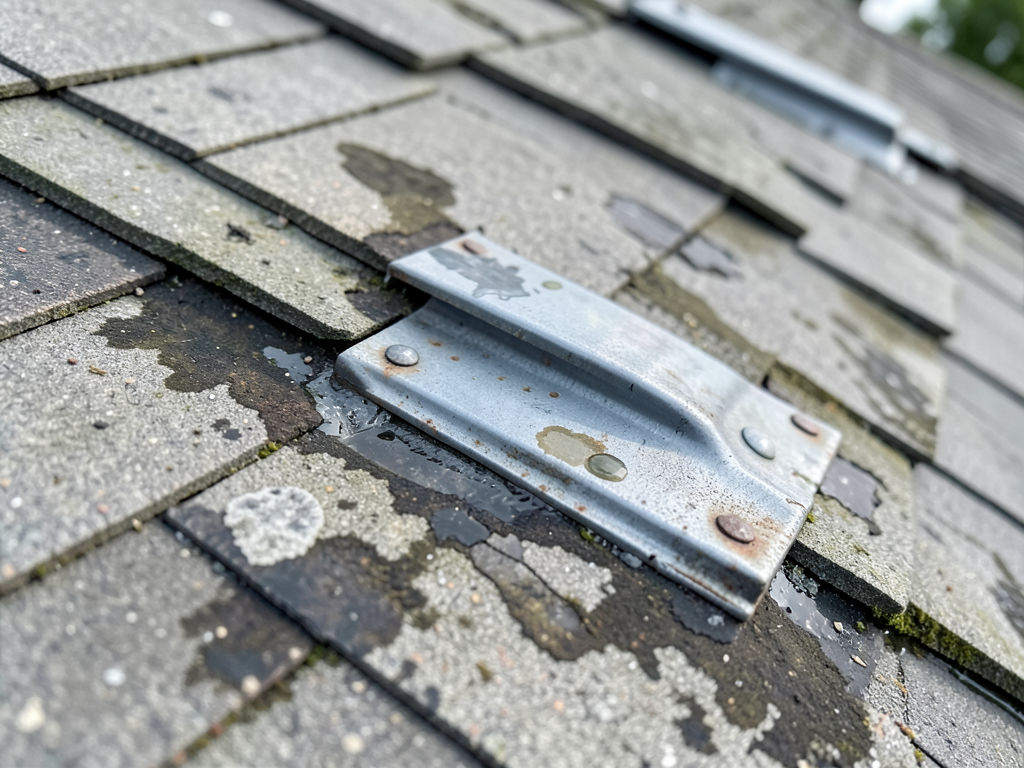
Counter-flashing serves as the primary defense against water entering through the chimney penetration. This L-shaped metal component is embedded into the chimney’s mortar joints and folds down over the step flashing on the roof surface. When the chimney moves away from the house, it tears the counter-flashing from its moorings, creating gaps wide enough for water to pour directly onto your roof deck.
Step flashing, the individual metal pieces woven between roof shingles along the chimney’s sides, also fails under separation stress. The constant pulling motion bends and breaks these flashings, eliminating their water-shedding capability. Once step flashing fails, water runs freely down the chimney’s sides and into your attic space.
Roof decking damage occurs rapidly once water breaches the flashing system. OSB and plywood decking absorb moisture like sponges, swelling and losing structural integrity. In attic inspections, we frequently find decking that’s rotted to the consistency of wet cardboard around separated chimneys. This damage often extends 3-4 feet in all directions from the chimney penetration.
The separation creates a perfect trap for ice dams during Louisville’s winter months. As snow melts on the warm roof surface and refreezes at the colder eaves, water backs up under damaged flashing and into the gaps created by chimney separation. The freeze-thaw cycle inside these gaps widens them further, accelerating the damage pattern.
Shingle damage around separated chimneys takes several forms. The constant movement tears nails holding shingles in place, creates buckling as the roof deck swells from moisture, and leaves edges exposed where flashing should protect them. Hail damage becomes more severe on already-compromised areas where the shingle mat is stressed by underlying movement.
Attic ventilation systems near separated chimneys often fail as well. Ridge vents, soffit vents, and other ventilation components rely on stable roof structures. When the chimney moves, it can warp the roof plane enough to block airflow, creating condensation problems that compound the moisture issues from external water infiltration.
Valley flashing deterioration frequently accompanies chimney separation problems. Many Hurstbourne homes feature complex roof designs where chimneys interrupt valleys that channel large volumes of water. When separation occurs, these valleys often develop leaks at their highest stress points, creating waterfall effects during heavy rains.
The weight distribution across your roof also changes as the chimney leans. This shifting load can cause truss members to bend or connectors to fail, particularly in older homes where the roof structure wasn’t designed for asymmetric loading. The result is a cascade of structural problems that extend far beyond the immediate chimney area.
Professional roofers must address both the immediate water infiltration and the underlying structural issues when repairing damage from chimney separation. This means replacing damaged decking, installing new flashing systems that accommodate some movement, and ensuring proper ventilation to prevent future moisture problems. Simply patching the visible damage without addressing the root cause guarantees repeat failures.
Is It an Emergency? Assessing Structural Danger
Determining whether your separating chimney poses an immediate threat requires quick assessment of several danger factors. Not every leaning chimney requires emergency evacuation, but certain warning signs demand immediate professional intervention.
Measure the gap between your chimney and house at both the top and bottom. If the gap is wider at the top than the bottom, the chimney is leaning away from your home and could fall entirely. A gap difference of more than 2 inches over a 10-foot height indicates dangerous instability that could fail during the next storm.
Listen for unusual sounds coming from the chimney area. Cracking, popping, or creaking noises suggest the masonry is under extreme stress and could fail catastrophically. These sounds often precede visible movement by days or weeks, making them critical warning indicators.
Check for interior wall cracks radiating from the chimney’s inside face. Vertical cracks extending from floor to ceiling indicate the chimney is pulling away with enough force to damage your home’s structural framing. These cracks often appear near door frames or window corners where stress concentrates.
Examine the chimney’s base from inside your attic if possible. Look for gaps between the chimney and surrounding framing members, or signs of fire blocking being pushed out of place. These gaps indicate the separation is severe enough to compromise fire safety barriers designed to prevent attic fires from spreading.
Gas appliance connections require immediate attention if your chimney vents a furnace, water heater, or fireplace. Separation can break vent pipe connections, allowing deadly carbon monoxide to enter your living spaces. If you suspect vent disconnection, evacuate immediately and call emergency services.
Weather conditions dramatically affect emergency risk levels. High winds, especially those common in Louisville’s spring storm season, can exert lateral forces that push an already unstable chimney past its failure point. The risk increases significantly when the ground is saturated from recent rains, as this reduces soil’s ability to stabilize the foundation.
Consider the chimney’s construction materials when assessing danger. Solid masonry chimneys without internal liners concentrate their weight in a smaller area, creating higher stress points. Older chimneys built with lime mortar are more likely to fail suddenly than those with modern cement-based mortar, which tends to crack gradually.
Age and previous repair history provide important context. A 50-year-old chimney that’s been slowly separating for a decade may fail more suddenly than a 10-year-old chimney experiencing rapid movement. Previous repairs that didn’t address underlying causes often create weak points that fail first during stress events.
Professional assessment tools can quantify the danger level. Engineers use laser levels to measure movement rates, sometimes finding chimneys shifting several inches per year. They also check for foundation failure indicators like rotating basement walls or heaving floors that suggest the entire structure is unstable.
If you determine your chimney poses an immediate threat, take these emergency steps: evacuate the area immediately, avoid using any gas appliances vented through the chimney, and call both emergency services and a structural engineer. Do not attempt to brace or support the chimney yourself, as this often creates more dangerous conditions.
For chimneys that show warning signs but aren’t immediately dangerous, implement temporary safety measures while arranging professional repairs. These include keeping children and pets away from the area, avoiding use of connected gas appliances, and monitoring the gap width daily to catch any acceleration in movement.
The cost of emergency response far exceeds the cost of proactive repair. A chimney that falls through your roof can cause tens of thousands in damage and create life-threatening conditions. When in doubt about the danger level, err on the side of caution and treat it as an emergency.
Repair Options: Helical Piers vs. Masonry Rebuilding
Modern chimney repair offers two fundamentally different approaches: stabilization through foundation underpinning or reconstruction of the masonry structure. The right choice depends on your chimney’s condition, the underlying soil problems, and your long-term goals for the property.
Helical pier systems represent the most effective solution for chimneys suffering from foundation settlement. These steel shafts with helical blades are screwed into the ground beneath your failing foundation until they reach stable soil or bedrock. The piers transfer the chimney’s weight to competent bearing strata, permanently stopping the settlement that caused the separation.
Installation involves excavating around the chimney’s base to expose the existing footing, then strategically placing helical piers around the perimeter. Each pier can support thousands of pounds, and a typical chimney requires 4-6 piers depending on its size and the severity of the lean. The entire system gets connected to the chimney with specialized brackets that lift and level the structure.
Advantages of helical piers include minimal disruption to your roof and interior, the ability to lift the chimney back to its original position, and a permanent solution that addresses the root cause rather than just the symptoms. The piers also provide resistance against future soil movement, making them ideal for Louisville’s expansive clay conditions.
Costs for helical pier systems typically range from $3,000 to $8,000 depending on the number of piers required, soil conditions, and the chimney’s size. While this represents a significant investment, it’s often less expensive than complete reconstruction and provides better long-term value by preserving your existing chimney.
Masonry rebuilding becomes necessary when the chimney’s structure is too deteriorated to save or when the separation has caused extensive cracking that compromises structural integrity. This approach involves dismantling the chimney above the roofline and rebuilding it with proper footings, modern mortar, and updated flashing systems.
Partial rebuilding might involve removing only the damaged sections above the roof while leaving the lower structure intact. This approach works when the foundation is stable but the above-roof portion has suffered weather damage or structural failure. Complete rebuilding becomes necessary when foundation issues extend throughout the entire structure.
Reconstruction allows you to upgrade to modern materials and building techniques. New chimneys can include stainless steel flue liners, improved insulation, and flashing systems designed to accommodate minor movement without failing. You can also change the chimney’s appearance or size during reconstruction to better match your home’s current style.
The cost of masonry rebuilding varies dramatically based on the chimney’s size, height, and the chosen materials. A basic rebuild might start around $5,000, while elaborate stone chimneys with custom detailing can exceed $15,000. Height is a major cost factor since scaffolding and labor increase significantly for chimneys over 15 feet tall.
Combination approaches often provide the best results. For example, installing helical piers to stabilize the foundation while rebuilding the above-roof portion allows you to address both the underlying settlement and the visible damage. This hybrid method ensures the new masonry doesn’t separate again due to ongoing foundation movement.
Timing considerations affect your repair strategy. Helical pier installation can typically be completed in 2-3 days regardless of weather conditions. Masonry work requires dry conditions and temperatures above freezing, potentially delaying reconstruction during Louisville’s wet winter months. Planning your repair during dry seasons can save weeks of project time.
Permit requirements vary by municipality. Louisville Metro requires permits for both foundation underpinning and structural masonry work. The permitting process includes engineering calculations demonstrating the proposed solution will adequately support the chimney’s weight and resist local wind and seismic loads.
Long-term maintenance differs between repair methods. Helical pier systems require minimal maintenance beyond occasional inspection of connection brackets. Rebuilt chimneys need regular mortar joint maintenance, flashing inspection, and waterproofing treatments to prevent water infiltration that could cause future deterioration. The most trusted roofing services in Germantown and Schnitzelburg.
Insurance coverage may influence your repair choice. Foundation stabilization through helical piers might be covered under foundation repair riders, while complete rebuilding is typically considered a maintenance expense. Check your policy details and consider whether the repair method affects your coverage for future damage.
The decision between stabilization and rebuilding ultimately comes down to cost, longevity expectations, and the chimney’s current condition. A structural engineer can provide specific recommendations based on detailed inspection of your chimney’s foundation, masonry condition, and the surrounding soil characteristics.
Estimated Costs for Chimney Repair in Louisville, KY
Understanding the cost spectrum for chimney repairs helps you budget appropriately and avoid surprises. Prices vary significantly based on the repair method chosen, the chimney’s size and height, and the extent of associated roof damage that must be addressed.
Minor repairs for early-stage separation typically cost between $500 and $1,500. These include sealing small gaps with flexible sealants, repairing minor flashing damage, and tuckpointing small sections of deteriorated mortar. This price range applies when the gap is less than half an inch and there’s no structural damage to the roof or foundation.
Intermediate repairs involving flashing replacement and minor masonry work generally run $1,500 to $3,500. This includes removing and replacing counter-flashing and step flashing, repairing damaged roof decking around the chimney, and repointing mortar joints in the affected areas. These repairs address water infiltration but don’t correct the underlying foundation movement.
Helical pier foundation stabilization represents a mid-range investment of $3,000 to $8,000. This cost includes soil analysis, engineering design, pier installation, and lifting the chimney back to level. Additional costs may apply if you need to repair roof damage discovered during the stabilization process or if soil conditions require deeper piers.
Complete masonry rebuilding costs vary widely based on materials and complexity. Basic brick chimneys might cost $5,000 to $8,000 to rebuild, while elaborate stone chimneys with custom detailing can range from $10,000 to $20,000. Height significantly impacts pricing, with each additional story adding considerable labor and scaffolding costs.
Roof repair costs associated with chimney separation typically add $1,000 to $4,000 to the total project. This includes replacing rotted decking, installing new underlayment, and ensuring proper integration between the new chimney work and the existing roof system. These repairs are essential for preventing future water damage.
Emergency repairs command premium pricing, often 25-50% higher than scheduled work. If your chimney requires immediate stabilization during storm season or outside normal business hours, expect to pay emergency service rates. Some contractors charge additional fees for working in hazardous conditions around unstable structures.
Geographic factors within Louisville affect pricing. Contractors in downtown areas or neighborhoods with limited access may charge more due to logistical challenges. Conversely, areas with high contractor competition might see slightly lower prices. Hurstbourne’s mix of older and newer homes means pricing varies significantly even within this single community.
Permit costs add $100 to $500 to most chimney repair projects. Louisville Metro requires permits for structural work, foundation repairs, and masonry reconstruction. Engineering stamps for complex repairs can add another $500 to $1,500 to the project cost but may be required for insurance coverage or code compliance.
Hidden costs often surprise homeowners. These include temporary supports needed during repair, disposal fees for demolished materials, and potential landscaping restoration if extensive excavation is required. Always ask contractors for detailed breakdowns that include these often-overlooked expenses.
Insurance coverage can offset some costs, but coverage varies significantly. Standard homeowners policies typically exclude foundation settlement, considering it a maintenance issue. However, if the separation results from covered damage like a lightning strike or windstorm, some policies may provide partial coverage. Foundation repair riders can provide coverage for stabilization work.
DIY repairs might seem cost-effective but carry significant risks. Improper flashing installation or inadequate mortar mixing can lead to immediate failure and water damage. Worse, working on unstable chimneys creates serious safety hazards. Professional repairs include warranties and insurance coverage that protect you from liability if something goes wrong.
Payment structures vary among contractors. Some require 50% upfront with the balance due upon completion, while others offer payment plans for larger projects. Be wary of contractors demanding full payment before work begins. Reputable companies typically offer 1-2 year warranties on both materials and workmanship.
Consider the long-term value when evaluating costs. A $5,000 repair that lasts 20 years costs $250 annually, while a $2,000 repair that fails in 3 years costs over $660 annually plus the inconvenience and potential damage of repeated failures. Quality materials and proper installation always prove more economical over time.
Multiple quotes help ensure fair pricing, but don’t automatically choose the lowest bid. Look for contractors with specific experience in chimney repair, proper licensing and insurance, and good references from local homeowners. The cheapest option often cuts corners that lead to expensive failures within months.
Financing options exist for major repairs. Some contractors partner with lenders to offer low-interest loans for home repairs. Additionally, certain energy efficiency improvements related to chimney repair might qualify for tax credits or utility rebates, though these programs change frequently so verify current availability.
Preventive maintenance costs $200 to $500 annually but can prevent costly emergency repairs. This includes annual inspections, minor tuckpointing as needed, and ensuring proper water drainage away from the chimney base. These services often detect problems while they’re still minor and easily repairable.
The most cost-effective approach combines timely intervention with quality workmanship. Addressing chimney separation when gaps are small and damage is minimal almost always costs less than emergency repairs after structural failure occurs. Regular inspections by qualified professionals can identify problems before they become expensive emergencies.
Call (502) 678-7557 today to get your personalized repair estimate. Our Louisville-based team provides transparent pricing with no hidden fees, and we stand behind our work with comprehensive warranties that protect your investment for years to come.
Frequently Asked Questions
How long can I wait before repairing a separating chimney?
Every month of delay increases repair costs by 10-15% on average. Small gaps can be sealed quickly, but once they exceed 2 inches, structural repairs become necessary. Water infiltration accelerates deterioration, and seasonal freeze-thaw cycles worsen the separation. Don’t wait for a complete failure.
Will my homeowners insurance cover chimney separation repairs?
Standard policies typically exclude foundation settlement as a maintenance issue. However, if the separation results from a covered peril like storm damage or if you have a foundation repair rider, partial coverage may apply. Check your specific policy details and ask about coverage before beginning repairs.
Can I stay in my home during chimney repairs?
Most repairs allow you to remain in your home, though there may be noise and some dust. However, if the chimney poses an immediate collapse risk or if gas appliances need to be disconnected, temporary relocation might be necessary. Your contractor will advise based on the specific conditions.
How do I know if the problem is with the chimney or my foundation?
Professional inspection using laser levels and soil analysis can determine whether the chimney is leaning independently or if your entire foundation is settling. Signs of widespread foundation issues include cracks in walls away from the chimney, doors that stick throughout the house, and uneven floors.
What’s the difference between tuckpointing and chimney rebuilding?
Tuckpointing involves removing deteriorated mortar and replacing it with fresh mortar, typically costing $500-$1,500. It’s a maintenance procedure that extends the life of sound masonry. Rebuilding involves dismantling and reconstructing the chimney, costing $5,000-$20,000, and is necessary when the structure is too damaged to repair.
How long do chimney repairs typically take?
Minor repairs take 1-2 days. Helical pier installation requires 2-3 days. Complete rebuilding can take 1-2 weeks depending on weather conditions and chimney size. Emergency repairs may be completed faster but often at premium pricing. Your contractor should provide a detailed timeline during the estimate process.
Should I repair or replace my separating chimney?
Repair is usually the best option if the foundation is stable and the masonry is in good condition. Replacement becomes necessary when the structure is too deteriorated, when you want to change the chimney’s appearance or size, or when repair costs approach replacement costs.
How can I prevent my chimney from separating again after repairs?
Proper drainage away from the foundation, annual inspections, and timely maintenance of mortar joints and flashing prevent recurrence. If foundation issues caused the separation, ensure the repair method addresses soil movement. Some modern flashing systems accommodate minor movement without failing.
What permits are required for chimney repairs in Louisville?
Louisville Metro requires permits for structural modifications, foundation work, and masonry reconstruction. Engineering stamps may be required for complex repairs. Your contractor should handle permitting, but always verify they have the necessary approvals before work begins.
Can a separating chimney cause carbon monoxide problems?
Yes, separation can break vent pipe connections or create gaps that allow exhaust gases to enter your home. This is especially dangerous with gas appliances. If you suspect vent disconnection, evacuate immediately and call emergency services. Install carbon monoxide detectors near bedrooms as a safety precaution.
Don’t let a separating chimney threaten your home’s safety and value. Call (502) 678-7557 today for a comprehensive inspection and repair estimate. Our Louisville-based team has the experience and equipment to stabilize your chimney and protect your investment for years to come.
{
“@context”: “https://schema.org”,
“@type”: “BlogPosting”,
“headline”: “What to do when your heavy stone chimney starts pulling away from your roof in Hurstbourne”,
“description”: “Your stone chimney is pulling away from your Hurstbourne home. Learn the warning signs, structural risks, and expert repair options from Louisville’s trusted roofing specialists.”,
“wordCount”: 4688,
“datePublished”: “2026-05-28T07:04:00.000Z”,
“dateModified”: “2026-05-28T07:04:00.000Z”,
“inLanguage”: “en-US”,
“mainEntityOfPage”: {
“@type”: “WebPage”,
“@id”: “https://fortressroofinglouisville.com”
},
“publisher”: {
“@type”: “LocalBusiness”,
“name”: “Fortress Roofing Louisville”,
“url”: “https://fortressroofinglouisville.com”
},
“author”: {
“@type”: “Organization”,
“name”: “Fortress Roofing Louisville”,
“url”: “https://fortressroofinglouisville.com”
},
“image”: {
“@type”: “ImageObject”,
“url”: “https://fortressroofinglouisville.com/wp-content/uploads/2026/03/what-to-do-when-your-heavy-stone-chimney-starts-pu-1.png”
}
}
{
“@context”: “https://schema.org”,
“@type”: “RoofingContractor”,
“name”: “Fortress Roofing Louisville”,
“url”: “https://fortressroofinglouisville.com”,
“address”: {
“@type”: “PostalAddress”,
“addressLocality”: “Louisville”
},
“areaServed”: {
“@type”: “City”,
“name”: “Louisville”
}
}
{
“@context”: “https://schema.org”,
“@type”: “FAQPage”,
“mainEntity”: [
{
“@type”: “Question”,
“name”: “How long can I wait before repairing a separating chimney?”,
“acceptedAnswer”: {
“@type”: “Answer”,
“text”: “Every month of delay increases repair costs by 10-15% on average. Small gaps can be sealed quickly, but once they exceed 2 inches, structural repairs become necessary. Water infiltration accelerates deterioration, and seasonal freeze-thaw cycles worsen the separation. Don’t wait for a complete failure.”
}
},
{
“@type”: “Question”,
“name”: “Will my homeowners insurance cover chimney separation repairs?”,
“acceptedAnswer”: {
“@type”: “Answer”,
“text”: “Standard policies typically exclude foundation settlement as a maintenance issue. However, if the separation results from a covered peril like storm damage or if you have a foundation repair rider, partial coverage may apply. Check your specific policy details and ask about coverage before beginning repairs.”
}
},
{
“@type”: “Question”,
“name”: “Can I stay in my home during chimney repairs?”,
“acceptedAnswer”: {
“@type”: “Answer”,
“text”: “Most repairs allow you to remain in your home, though there may be noise and some dust. However, if the chimney poses an immediate collapse risk or if gas appliances need to be disconnected, temporary relocation might be necessary. Your contractor will advise based on the specific conditions.”
}
},
{
“@type”: “Question”,
“name”: “How do I know if the problem is with the chimney or my foundation?”,
“acceptedAnswer”: {
“@type”: “Answer”,
“text”: “Professional inspection using laser levels and soil analysis can determine whether the chimney is leaning independently or if your entire foundation is settling. Signs of widespread foundation issues include cracks in walls away from the chimney, doors that stick throughout the house, and uneven floors.”
}
},
{
“@type”: “Question”,
“name”: “What’s the difference between tuckpointing and chimney rebuilding?”,
“acceptedAnswer”: {
“@type”: “Answer”,
“text”: “Tuckpointing involves removing deteriorated mortar and replacing it with fresh mortar, typically costing $500-$1,500. It’s a maintenance procedure that extends the life of sound masonry. Rebuilding involves dismantling and reconstructing the chimney, costing $5,000-$20,000, and is necessary when the structure is too damaged to repair.”
}
},
{
“@type”: “Question”,
“name”: “How long do chimney repairs typically take?”,
“acceptedAnswer”: {
“@type”: “Answer”,
“text”: “Minor repairs take 1-2 days. Helical pier installation requires 2-3 days. Complete rebuilding can take 1-2 weeks depending on weather conditions and chimney size. Emergency repairs may be completed faster but often at premium pricing. Your contractor should provide a detailed timeline during the estimate process.”
}
},
{
“@type”: “Question”,
“name”: “Should I repair or replace my separating chimney?”,
“acceptedAnswer”: {
“@type”: “Answer”,
“text”: “Repair is usually the best option if the foundation is stable and the masonry is in good condition. Replacement becomes necessary when the structure is too deteriorated, when you want to change the chimney’s appearance or size, or when repair costs approach replacement costs.”
}
},
{
“@type”: “Question”,
“name”: “How can I prevent my chimney from separating again after repairs?”,
“acceptedAnswer”: {
“@type”: “Answer”,
“text”: “Proper drainage away from the foundation, annual inspections, and timely maintenance of mortar joints and flashing prevent recurrence. If foundation issues caused the separation, ensure the repair method addresses soil movement. Some modern flashing systems accommodate minor movement without failing.”
}
},
{
“@type”: “Question”,
“name”: “What permits are required for chimney repairs in Louisville?”,
“acceptedAnswer”: {
“@type”: “Answer”,
“text”: “Louisville Metro requires permits for structural modifications, foundation work, and masonry reconstruction. Engineering stamps may be required for complex repairs. Your contractor should handle permitting, but always verify they have the necessary approvals before work begins.”
}
},
{
“@type”: “Question”,
“name”: “Can a separating chimney cause carbon monoxide problems?”,
“acceptedAnswer”: {
“@type”: “Answer”,
“text”: “Yes, separation can break vent pipe connections or create gaps that allow exhaust gases to enter your home. This is especially dangerous with gas appliances. If you suspect vent disconnection, evacuate immediately and call emergency services. Install carbon monoxide detectors near bedrooms as a safety precaution.”
}
}
]
}
{
“@context”: “https://schema.org”,
“@type”: “BreadcrumbList”,
“itemListElement”: [
{
“@type”: “ListItem”,
“position”: 1,
“name”: “Home”,
“item”: “https://fortressroofinglouisville.com”
},
{
“@type”: “ListItem”,
“position”: 2,
“name”: “Blog”,
“item”: “https://fortressroofinglouisville.com/blog”
},
{
“@type”: “ListItem”,
“position”: 3,
“name”: “What to do when your heavy stone chimney starts pulling away from your roof in Hurstbourne”
}
]
}
{
“@context”: “https://schema.org”,
“@type”: “Service”,
“serviceType”: “Roofing”,
“provider”: {
“@type”: “LocalBusiness”,
“name”: “Fortress Roofing Louisville”,
“url”: “https://fortressroofinglouisville.com”
},
“areaServed”: {
“@type”: “City”,
“name”: “Louisville”
},
“description”: “Your stone chimney is pulling away from your Hurstbourne home. Learn the warning signs, structural risks, and expert repair options from Louisville’s trusted roofing specialists.”
}