
Why the direction your roof faces matters for shingle longevity in the Watterson Park area
If you’ve noticed one side of your roof looking worse than the other, you’re not imagining things. South-facing roofs in Watterson Park take a beating from Kentucky’s intense UV exposure and dramatic temperature swings. The science is simple but the damage is real: your south slope can reach 160°F while the air temperature is only 90°F, causing thermal shock that cracks and curls shingles 20-30% faster than shaded sides.. Read more about Using zinc strips to prevent unsightly mold and fungus on your Wildwood roof.
Before you replace the whole roof, understand what’s happening. Watterson Park homes sit in Louisville’s urban heat island zone where asphalt shingles face relentless sun exposure from April through October. Combined with our high humidity and frequent thunderstorms, this creates the perfect storm for premature roof failure. The good news? You can protect your investment with proper ventilation and material choices designed for Kentucky’s climate.
The science of UV radiation and asphalt shingles
UV radiation doesn’t just fade colors—it breaks down the chemical bonds in asphalt. This process, called photo-oxidation, makes shingles brittle and prone to cracking. In Watterson Park, where summer UV index regularly hits 9-10, south-facing slopes absorb 30% more UV energy than north-facing surfaces.
The angle of the sun matters too. During peak summer months, sunlight hits south-facing roofs at nearly perpendicular angles, maximizing energy absorption. This creates hot spots that accelerate granule loss—the tiny ceramic particles that protect shingles from UV damage. Once granules disappear, UV rays attack the asphalt directly, causing rapid deterioration.
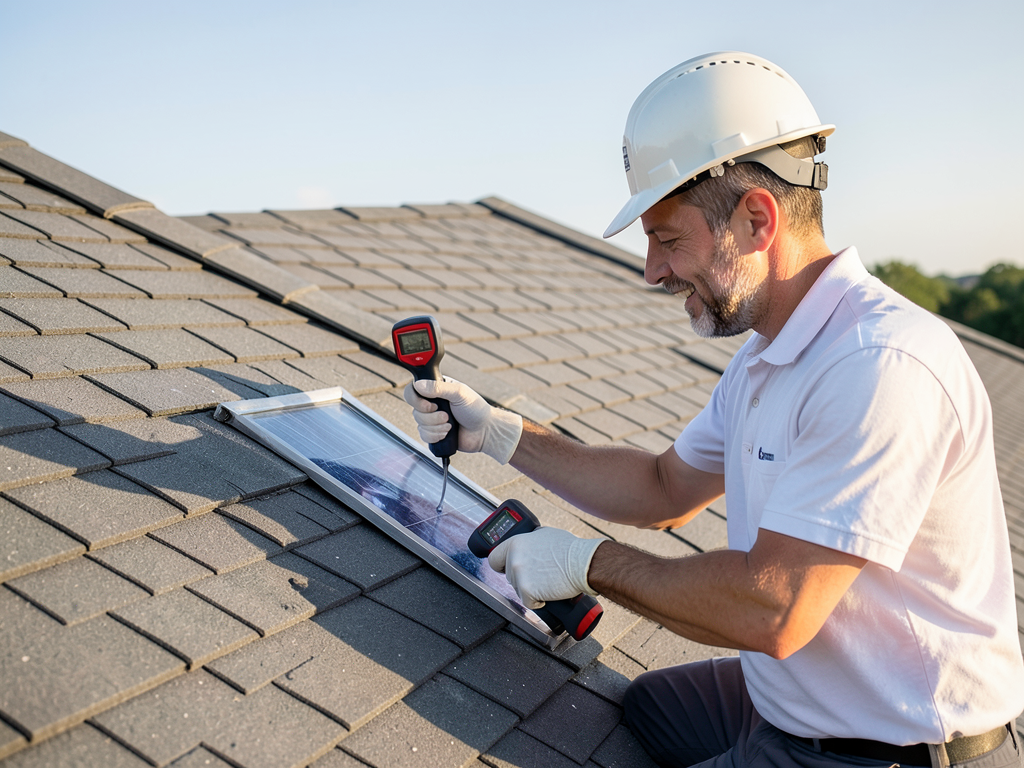
Diagram showing UV radiation angles on different roof slopes throughout the year
Thermal expansion: the ‘quiet killer’ of southern exposures
While UV damage gets most of the attention, thermal expansion silently destroys south-facing roofs. When asphalt shingles heat up to 160°F on a sunny Watterson Park afternoon, they expand significantly. Then sudden thunderstorms drop temperatures 30-40 degrees in minutes, causing rapid contraction.
This constant expansion and contraction cycle—called thermal shock—weakens the shingle’s internal structure. The asphalt becomes less flexible with each cycle, eventually cracking when it can no longer bend. You’ll see this as curling edges, cracked surfaces, and those characteristic ‘fishmouth’ deformations along the shingle tabs.
According to the Kentucky Residential Code Section R905.2, proper attic ventilation isn’t just recommended—it’s required to prevent moisture buildup and regulate roof deck temperatures. Yet many Watterson Park homes built before 2010 have inadequate ridge vents, trapping heat against south-facing shingles.
5 signs of south-facing roof damage to look for
- Granule accumulation in gutters – If you see dark sand-like particles in your downspouts, your south-facing shingles are losing their UV protection layer
- Curling shingle edges – The corners lift away from the roof deck, creating entry points for water
- Blistering or bubbling – Looks like raised bumps on the shingle surface, indicating trapped moisture or heat damage
- Cracked or split shingles – Often appears as horizontal cracks across the shingle width
- Exposed fiberglass mat – When granules wear completely off, you’ll see the white or gray fiberglass underneath
Run your hand along south-facing slopes during a sunny afternoon. If the surface feels excessively hot or shows these damage patterns, you’re witnessing thermal shock in action. The north side of the same roof might look pristine because it never experiences these extreme temperature swings.
How Louisville’s climate accelerates shingle aging
Watterson Park sits in a unique microclimate where urban development meets the Ohio River valley. This creates conditions that punish south-facing roofs year-round. Our average July high of 89°F combined with 75% relative humidity means south-facing shingles stay hot and damp—the perfect recipe for algae growth and material breakdown. Valley Leak Repair.
Spring brings another threat: severe thunderstorms with rapid temperature drops. A south-facing roof at 150°F can experience 40-degree drops in 30 minutes when a storm front passes. This thermal shock cycle repeats dozens of times each season, gradually destroying shingle flexibility.
Winter isn’t kinder. Freeze-thaw cycles cause additional expansion stress. When moisture gets under damaged shingles and freezes overnight, it expands by 9%, prying shingles loose. By spring, south-facing slopes often show the worst granular loss and cracking.
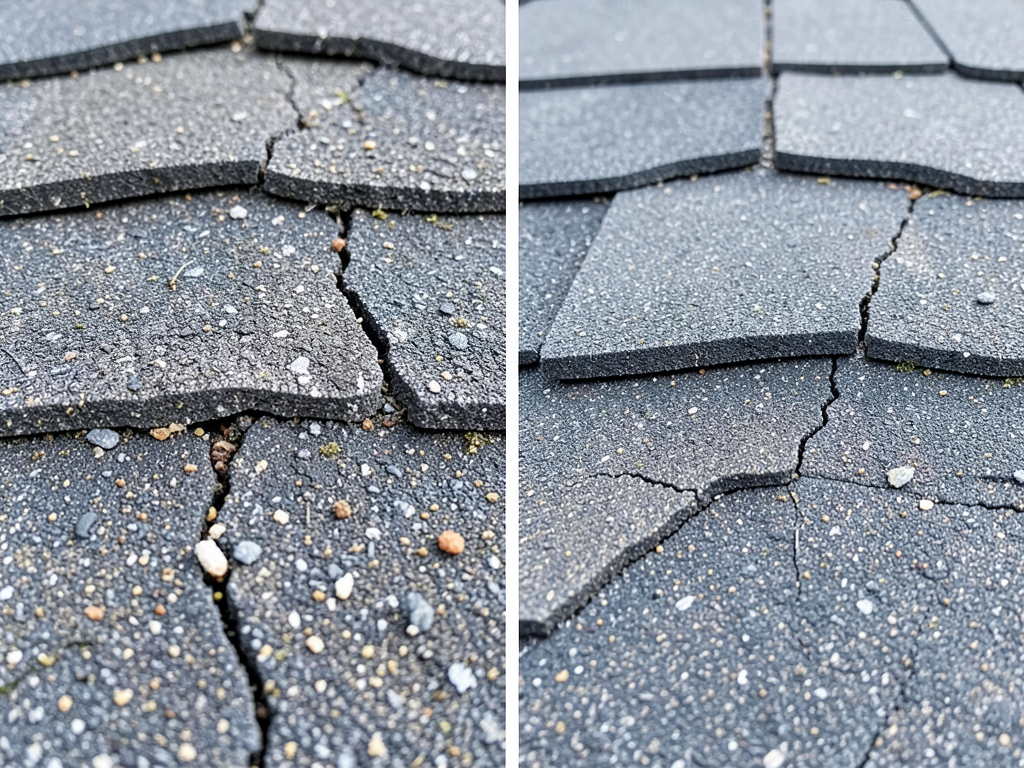
Before and after comparison of south-facing vs. north-facing roof sections on a Watterson Park home
Solutions: how to protect your south-facing roof
Protecting your south-facing roof starts with understanding that you can’t stop the sun, but you can minimize its damage. The most effective solution combines proper ventilation with heat-reflective materials designed for Kentucky’s climate. Protecting your Lake Louisvilla home from high winds and waterfront humidity.
First, check your attic ventilation. The building code requires 1 square foot of net free ventilation area for every 150 square feet of attic space, split evenly between intake and exhaust vents. Many Watterson Park homes have only half the required ventilation, trapping heat against south-facing shingles.. Read more about Understanding the difference between a roof repair and a partial replacement in Lynnview.
Consider these upgrades if your south-facing roof shows damage:
- Install additional ridge vents or improve soffit ventilation
- Add a radiant barrier in your attic to reflect heat
- Choose lighter-colored shingles with high solar reflectance
- Upgrade to Class 4 impact-resistant shingles for better durability
The importance of proper ridge ventilation
Proper ridge ventilation creates continuous airflow that pulls heat and moisture from your attic. This simple upgrade can reduce south-facing roof temperatures by 20-30°F during summer months. The cooler shingles expand and contract less dramatically, extending their lifespan significantly.
During our inspections, we use an infrared thermometer to measure surface temperatures. A properly ventilated south-facing roof might read 130°F on a 90°F day, while an inadequately ventilated one hits 160°F or higher. That 30-degree difference translates to years of extended shingle life.
Choosing high-reflectivity shingles for Kentucky homes
Not all shingles handle Kentucky’s sun equally. Owens Corning’s Cool Roof Collection and GAF’s Timberline HDZ reflect up to 40% more solar energy than standard shingles. These materials use special granules that bounce UV rays away rather than absorbing them.
Lighter colors naturally reflect more heat, but modern reflective technology works in darker shades too. A medium-gray reflective shingle might perform better than a white non-reflective one. The key is the granule composition, not just the color.
When replacing south-facing sections, consider synthetic slate or composite materials. These products resist thermal shock better than traditional asphalt and often come with 50-year warranties—double the standard asphalt warranty.
When to call a Louisville roofer for an inspection
Don’t wait until water stains appear on your ceiling. By then, south-facing damage has likely progressed beyond simple repairs. Schedule an inspection if you notice granule loss, curling, or if your south-facing roof is over 15 years old. EPA heat island effect.
During a professional inspection, we check for ventilation adequacy, measure surface temperatures, and assess the extent of UV damage. We can often replace just the south-facing section with upgraded materials while leaving the protected north side intact, saving you thousands.
Insurance typically covers sudden damage but considers gradual UV deterioration normal wear and tear. However, if thermal shock causes a shingle to crack and create a leak during a storm, that secondary damage might be claimable. Document everything with photos if you suspect storm-related failures.
Technician using infrared thermometer to measure roof surface temperature differences
Frequently Asked Questions
Can I just replace the south-facing side of my roof?
Yes, this is often the most cost-effective solution. We can match new shingles to your existing ones within a few years’ weathering range. This approach addresses the most vulnerable area while maximizing your existing investment.
How much longer will properly ventilated shingles last?
With adequate ventilation and reflective materials, south-facing shingles can last 25-30 years instead of the typical 15-20 years. That’s a 30-50% improvement in lifespan, often justifying the upfront investment in better materials and ventilation.
Does homeowners insurance cover sun damage?
Standard policies exclude gradual deterioration from UV exposure. However, if thermal shock causes sudden cracking during a storm that leads to leaks, the resulting water damage might be covered. Always document storm events and subsequent damage with photos and prompt inspections.
What’s the best shingle color for south-facing roofs?
Light colors like weathered wood, driftwood, or light gray reflect the most heat. However, modern reflective technology means even medium-dark colors can perform well. Focus on the solar reflectance index (SRI) rating rather than just color when selecting materials.
Understanding why your south-facing roof ages faster is the first step to protecting your home. Watterson Park’s unique combination of intense sun, humidity, and temperature swings creates conditions that demand specialized solutions. Don’t let thermal shock destroy your roof prematurely.
Call (502) 678-7557 today to schedule your professional roof inspection. We’ll measure your south-facing temperatures, assess ventilation adequacy, and recommend solutions that could add 10+ years to your roof’s life. Don’t wait until the next storm reveals hidden damage—pick up the phone and call (502) 678-7557 before small problems become expensive emergencies.
Learn why we’re the highest rated roofing team in the Louisville metro area
See our residential work in nearby communities For more information, visit ASHRAE ventilation standards.
You may also find this helpful. Roofing Maintenance Strategies for Long Term Rental Properties in the Highlands.
{
“@context”: “https://schema.org”,
“@type”: “BlogPosting”,
“headline”: “Why the direction your roof faces matters for shingle longevity in the Watterson Park area”,
“description”: “Learn why south-facing roofs in Watterson Park degrade faster due to UV exposure and thermal shock. Get expert tips from Louisville roofers to protect your investment.”,
“wordCount”: 1488,
“datePublished”: “2026-05-29T10:57:00.000Z”,
“dateModified”: “2026-05-29T10:57:00.000Z”,
“inLanguage”: “en-US”,
“mainEntityOfPage”: {
“@type”: “WebPage”,
“@id”: “https://fortressroofinglouisville.com”
},
“publisher”: {
“@type”: “LocalBusiness”,
“name”: “Fortress Roofing Louisville”,
“url”: “https://fortressroofinglouisville.com”
},
“author”: {
“@type”: “Organization”,
“name”: “Fortress Roofing Louisville”,
“url”: “https://fortressroofinglouisville.com”
},
“image”: {
“@type”: “ImageObject”,
“url”: “https://fortressroofinglouisville.com/wp-content/uploads/2026/03/why-the-direction-your-roof-faces-matters-for-shin-1.png”
}
}
{
“@context”: “https://schema.org”,
“@type”: “RoofingContractor”,
“name”: “Fortress Roofing Louisville”,
“url”: “https://fortressroofinglouisville.com”,
“address”: {
“@type”: “PostalAddress”,
“addressLocality”: “Louisville”
},
“areaServed”: {
“@type”: “City”,
“name”: “Louisville”
}
}
{
“@context”: “https://schema.org”,
“@type”: “FAQPage”,
“mainEntity”: [
{
“@type”: “Question”,
“name”: “Can I just replace the south-facing side of my roof?”,
“acceptedAnswer”: {
“@type”: “Answer”,
“text”: “Yes, this is often the most cost-effective solution. We can match new shingles to your existing ones within a few years’ weathering range. This approach addresses the most vulnerable area while maximizing your existing investment.”
}
},
{
“@type”: “Question”,
“name”: “How much longer will properly ventilated shingles last?”,
“acceptedAnswer”: {
“@type”: “Answer”,
“text”: “With adequate ventilation and reflective materials, south-facing shingles can last 25-30 years instead of the typical 15-20 years. That’s a 30-50% improvement in lifespan, often justifying the upfront investment in better materials and ventilation.”
}
},
{
“@type”: “Question”,
“name”: “Does homeowners insurance cover sun damage?”,
“acceptedAnswer”: {
“@type”: “Answer”,
“text”: “Standard policies exclude gradual deterioration from UV exposure. However, if thermal shock causes sudden cracking during a storm that leads to leaks, the resulting water damage might be covered. Always document storm events and subsequent damage with photos and prompt inspections.”
}
}
]
}
{
“@context”: “https://schema.org”,
“@type”: “BreadcrumbList”,
“itemListElement”: [
{
“@type”: “ListItem”,
“position”: 1,
“name”: “Home”,
“item”: “https://fortressroofinglouisville.com”
},
{
“@type”: “ListItem”,
“position”: 2,
“name”: “Blog”,
“item”: “https://fortressroofinglouisville.com/blog”
},
{
“@type”: “ListItem”,
“position”: 3,
“name”: “Why the direction your roof faces matters for shingle longevity in the Watterson Park area”
}
]
}
{
“@context”: “https://schema.org”,
“@type”: “Service”,
“serviceType”: “Roofing”,
“provider”: {
“@type”: “LocalBusiness”,
“name”: “Fortress Roofing Louisville”,
“url”: “https://fortressroofinglouisville.com”
},
“areaServed”: {
“@type”: “City”,
“name”: “Louisville”
},
“description”: “Learn why south-facing roofs in Watterson Park degrade faster due to UV exposure and thermal shock. Get expert tips from Louisville roofers to protect your investment.”
}