
Why you should never use a pressure washer on your shingles in Windy Hills
The black streaks running down your roof aren’t dirt—they’re living organisms eating away at your shingles. In Windy Hills’ humid climate, Gloeocapsa magma algae thrives on the limestone filler in asphalt shingles, creating those unsightly dark streaks. Using a pressure washer to blast them away seems logical, but it’s actually destroying your roof’s protective granules and voiding your manufacturer’s warranty. The high-pressure water strips away the very surface designed to protect your home from UV rays and weather damage.
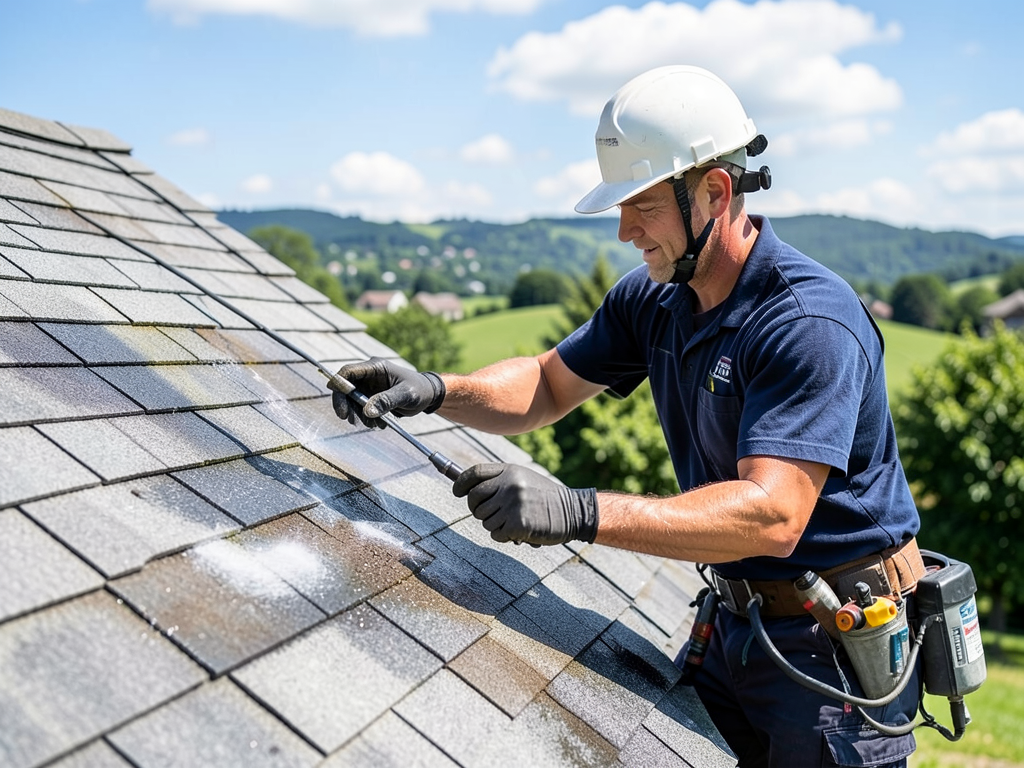
Instead, soft washing with the proper chemical solution removes algae without harming your shingles. This method uses low pressure and specialized cleaning agents that kill the organisms at their roots, preventing regrowth for years. Your roof will look clean again without the expensive damage caused by pressure washing.
Call (502) 678-7557 today to schedule your inspection.
The Danger of Black Streaks: It’s Not Just Dirt
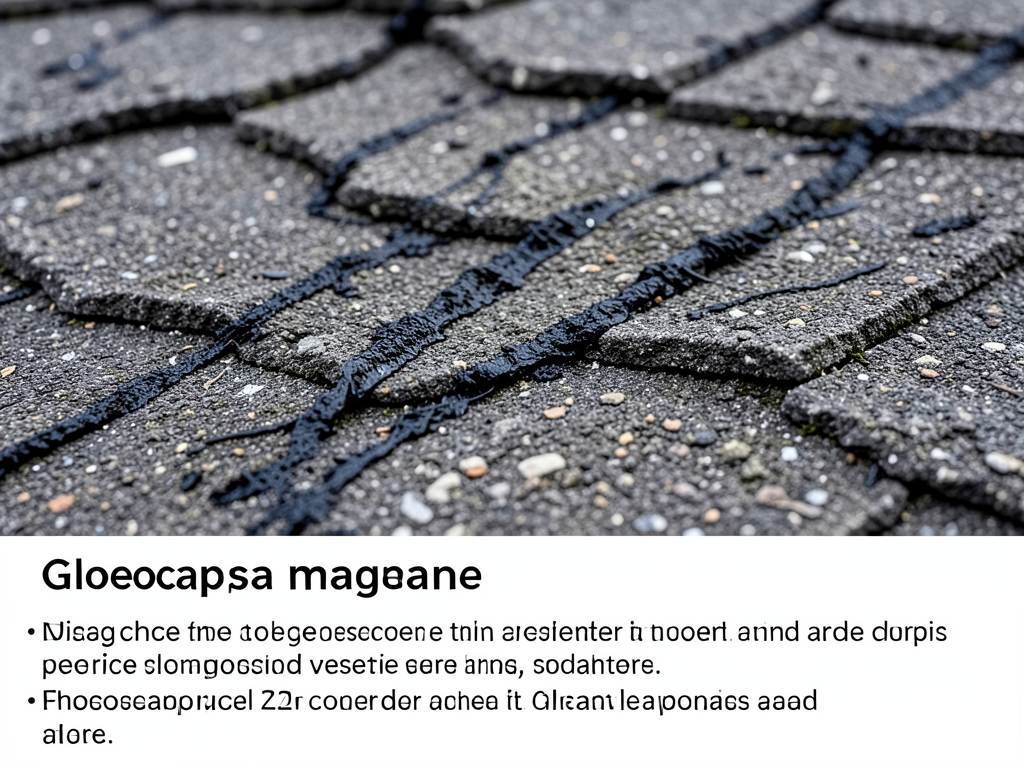
Those dark streaks crawling across your Windy Hills roof are Gloeocapsa magma, a blue-green algae that feeds on the limestone filler in asphalt shingles. This organism arrived in Kentucky through airborne spores and thrives in our humid Ohio Valley climate. The algae forms a protective coating that shields it from UV rays while it consumes the limestone, which weakens your shingles’ structural integrity. Kentucky EPA water quality standards.
The problem compounds over time. As the algae colony expands, it creates a microclimate that traps moisture against your roof surface. This moisture becomes a breeding ground for moss and lichen, which have root systems that physically lift and separate shingle layers. In Windy Hills’ freeze-thaw cycles, this trapped moisture expands and contracts, causing cracks and lifting shingles that eventually lead to leaks.
Beyond aesthetics, neglected algae growth significantly reduces your roof’s lifespan. Shingles covered in algae can’t reflect heat properly, causing your attic to heat up and your cooling costs to rise. The Kentucky Residential Code requires proper attic ventilation to prevent moisture buildup, but algae-covered shingles trap that moisture right where it does the most damage. Reliable residential roofing specialists serving Jeffersonville and Clarksville.
Safety First: Essential Gear and Precautions
Roof cleaning carries serious risks that many Windy Hills homeowners underestimate. Falls from ladders cause thousands of injuries annually, and working on wet, algae-covered surfaces multiplies that danger. The Kentucky Labor Cabinet’s OSHA guidelines require fall protection for any work above six feet, and your roof certainly qualifies.
Essential safety gear includes a properly rated safety harness with anchor points secured to solid roof structure, not just the decking. Non-slip rubber-soled boots provide better traction than work boots on wet surfaces. Chemical-resistant gloves protect your skin from cleaning solutions, while safety goggles prevent eye exposure to both chemicals and debris. Why we are the highest rated roofing team in the Louisville metro area.
Before starting any cleaning project, check local weather forecasts. Windy Hills experiences sudden afternoon thunderstorms during summer months, and working on a wet roof is extremely dangerous. Also verify your homeowner’s insurance covers DIY roof work—many policies exclude coverage for accidents occurring during maintenance activities.
Landscaping protection is often overlooked but critical. The cleaning solution recommended by ARMA contains sodium hypochlorite, which kills plants on contact. Pre-wetting your foundation plants and covering them with plastic sheeting prevents chemical damage. Also consider runoff—Kentucky’s EPA water quality standards prohibit certain chemicals from entering storm drains, so direct runoff away from drainage systems. ARMA (Asphalt Roofing Manufacturers Association).
The ‘Soft Wash’ Method vs. High-Pressure Washing
High-pressure washing destroys shingles by blasting away protective granules that shield against UV radiation and provide fire resistance. ARMA (Asphalt Roofing Manufacturers Association) specifically warns against pressure exceeding 300 PSI on asphalt shingles. Most consumer pressure washers operate at 1,500-3,000 PSI—five to ten times the safe limit. The most trusted roofing services in Germantown and Schnitzelburg.
Soft washing uses specialized equipment that delivers cleaning solution at pressures similar to a garden hose. The key is the chemical solution, not the pressure. A proper mix combines 6% sodium hypochlorite with water and a surfactant that helps the solution cling to vertical surfaces. This mixture kills algae at the cellular level without mechanical damage.
The ARMA-recommended cleaning solution breaks down to approximately 1.5 gallons of 12.5% sodium hypochlorite, 3 gallons of water, and 4 ounces of surfactant per 5 gallons total. This concentration effectively kills algae while minimizing environmental impact. The surfactant reduces surface tension, allowing the solution to penetrate algae colonies rather than running off.
Professional soft washing equipment includes chemical-resistant pumps, specialized nozzles that create a gentle fan pattern, and telescoping wands that eliminate ladder movement. These systems apply solution evenly across the entire roof surface, ensuring complete coverage without missed spots that allow algae to regrow.
Step-by-Step Guide to Cleaning Your Roof Safely
Preparation determines success in roof cleaning. Start by thoroughly wetting all landscaping within 10 feet of your home’s foundation. This pre-wetting creates a barrier that prevents cleaning solution from penetrating plant tissues. Cover delicate plants with plastic sheeting, securing edges with bricks or stakes.
Mix your cleaning solution in a clean, chemical-resistant container. Never mix different cleaning products—combining bleach with ammonia-based products creates toxic chloramine gas. The proper ratio is 1 part 12.5% sodium hypochlorite to 3 parts water, plus surfactant according to manufacturer instructions.
Apply the solution using a pump sprayer or soft washing system, working from the roof’s peak downward. This prevents streaking and ensures complete coverage. Allow the solution to dwell for 15-20 minutes—this contact time kills algae at the root level. You’ll notice the solution turning clear as it reacts with organic material.
Rinse thoroughly with clean water at low pressure. Start at the peak and work downward, ensuring all cleaning solution drains off the roof. Check that no pooled areas remain where solution could damage shingles through prolonged contact. The algae will turn white as it dies, and rain will gradually wash away the dead material.
Post-cleaning inspection is crucial. Check for any damaged or lifting shingles that may need repair. Also examine your gutters—algae debris can clog downspouts and cause water backup. Consider applying a preventative treatment containing zinc or copper, which inhibits algae regrowth when rainwater washes over the metal particles. Commercial flat roof repair and maintenance for business owners in NuLu.
When to Hire a Louisville Professional
Steep roof pitches in Windy Hills’ historic neighborhoods create dangerous working conditions. A 12:12 pitch (45-degree angle) requires specialized equipment and training that most homeowners lack. Professional roofers use roof jacks, planks, and full fall arrest systems that DIYers rarely have access to or knowledge about.
Multi-story homes present additional challenges. Working at heights above 20 feet significantly increases fall risk, and wind conditions at elevation can be unpredictable. Louisville’s building inspectors have documented numerous DIY roof cleaning accidents resulting in serious injuries, particularly among older homeowners who misjudge their physical capabilities.
Structural concerns should always involve professionals. If you notice sagging areas, water stains on ceilings, or damaged flashing, cleaning won’t solve these underlying problems. A professional inspection can identify whether you need repairs before cleaning, potentially saving thousands in water damage repairs later.
Time considerations matter too. Professional soft washing teams can complete a typical Windy Hills home in 2-3 hours with proper equipment. DIY attempts often take all day or multiple weekends, during which weather can change and create hazardous conditions. The cost difference between DIY and professional service often narrows when you factor in equipment rental and your time value.
Insurance and warranty implications are significant. Many roofing warranties become void if cleaning damages shingles, and homeowner’s insurance may not cover DIY accidents on your roof. Professional contractors carry liability insurance and often provide workmanship guarantees that protect your investment. Roofing Owensboro.
Frequently Asked Questions
How often should I clean my roof in Windy Hills?
Most Windy Hills homes need roof cleaning every 2-3 years due to our humid climate. However, homes near wooded areas or with poor sunlight exposure may need annual treatment. Watch for dark streaks reappearing along the north-facing slopes first, as these areas retain moisture longest.
Will cleaning my roof damage my plants?
Without proper precautions, yes. Sodium hypochlorite kills plants on contact. Always pre-wet landscaping and cover plants with plastic sheeting. After cleaning, rinse all plants thoroughly with clean water. Consider using plant-friendly cleaning alternatives if you have extensive landscaping near your home.
Can I use my pressure washer on a low setting?
No. Even at low settings, pressure washers can damage shingles by removing protective granules. ARMA recommends maximum 300 PSI for asphalt shingles, but most consumer pressure washers can’t be adjusted that low. Soft washing with proper chemical solutions is the only safe method.
How long does soft washing take to work?
You’ll see immediate whitening of algae as it dies, but complete cleaning takes 4-6 weeks as rain washes away dead material. The algae turns white within hours of treatment, but the cleaning process is gradual to prevent granule loss from aggressive mechanical removal.
Is soft washing safe for the environment?
When properly applied, yes. The sodium hypochlorite breaks down into salt and water. However, concentrated solution can harm plants and aquatic life. Professional contractors use containment systems to prevent runoff into storm drains, complying with Kentucky’s EPA water quality standards.
Call (502) 678-7557 today to schedule your inspection.
{
“@context”: “https://schema.org”,
“@type”: “BlogPosting”,
“headline”: “Why you should never use a pressure washer on your shingles in Windy Hills”,
“description”: “Discover why pressure washing damages Windy Hills shingles and how soft washing with ARMA-approved solutions safely removes algae without voiding warranties.”,
“wordCount”: 1560,
“datePublished”: “2026-04-14T15:05:00.000Z”,
“dateModified”: “2026-04-14T15:05:00.000Z”,
“inLanguage”: “en-US”,
“mainEntityOfPage”: {
“@type”: “WebPage”,
“@id”: “https://fortressroofinglouisville.com”
},
“publisher”: {
“@type”: “LocalBusiness”,
“name”: “Fortress Roofing Louisville”,
“url”: “https://fortressroofinglouisville.com”
},
“author”: {
“@type”: “Organization”,
“name”: “Fortress Roofing Louisville”,
“url”: “https://fortressroofinglouisville.com”
},
“image”: {
“@type”: “ImageObject”,
“url”: “https://fortressroofinglouisville.com/wp-content/uploads/2026/03/why-you-should-never-use-a-pressure-washer-on-your-1.png”
}
}
{
“@context”: “https://schema.org”,
“@type”: “RoofingContractor”,
“name”: “Fortress Roofing Louisville”,
“url”: “https://fortressroofinglouisville.com”,
“address”: {
“@type”: “PostalAddress”,
“addressLocality”: “Louisville”
},
“areaServed”: {
“@type”: “City”,
“name”: “Louisville”
}
}
{
“@context”: “https://schema.org”,
“@type”: “FAQPage”,
“mainEntity”: [
{
“@type”: “Question”,
“name”: “How often should I clean my roof in Windy Hills?”,
“acceptedAnswer”: {
“@type”: “Answer”,
“text”: “Most Windy Hills homes need roof cleaning every 2-3 years due to our humid climate. However, homes near wooded areas or with poor sunlight exposure may need annual treatment. Watch for dark streaks reappearing along the north-facing slopes first, as these areas retain moisture longest.”
}
},
{
“@type”: “Question”,
“name”: “Will cleaning my roof damage my plants?”,
“acceptedAnswer”: {
“@type”: “Answer”,
“text”: “Without proper precautions, yes. Sodium hypochlorite kills plants on contact. Always pre-wet landscaping and cover plants with plastic sheeting. After cleaning, rinse all plants thoroughly with clean water. Consider using plant-friendly cleaning alternatives if you have extensive landscaping near your home.”
}
},
{
“@type”: “Question”,
“name”: “Can I use my pressure washer on a low setting?”,
“acceptedAnswer”: {
“@type”: “Answer”,
“text”: “No. Even at low settings, pressure washers can damage shingles by removing protective granules. ARMA recommends maximum 300 PSI for asphalt shingles, but most consumer pressure washers can’t be adjusted that low. Soft washing with proper chemical solutions is the only safe method.”
}
},
{
“@type”: “Question”,
“name”: “How long does soft washing take to work?”,
“acceptedAnswer”: {
“@type”: “Answer”,
“text”: “You’ll see immediate whitening of algae as it dies, but complete cleaning takes 4-6 weeks as rain washes away dead material. The algae turns white within hours of treatment, but the cleaning process is gradual to prevent granule loss from aggressive mechanical removal.”
}
},
{
“@type”: “Question”,
“name”: “Is soft washing safe for the environment?”,
“acceptedAnswer”: {
“@type”: “Answer”,
“text”: “When properly applied, yes. The sodium hypochlorite breaks down into salt and water. However, concentrated solution can harm plants and aquatic life. Professional contractors use containment systems to prevent runoff into storm drains, complying with Kentucky’s EPA water quality standards.”
}
}
]
}
{
“@context”: “https://schema.org”,
“@type”: “BreadcrumbList”,
“itemListElement”: [
{
“@type”: “ListItem”,
“position”: 1,
“name”: “Home”,
“item”: “https://fortressroofinglouisville.com”
},
{
“@type”: “ListItem”,
“position”: 2,
“name”: “Blog”,
“item”: “https://fortressroofinglouisville.com/blog”
},
{
“@type”: “ListItem”,
“position”: 3,
“name”: “Why you should never use a pressure washer on your shingles in Windy Hills”
}
]
}
{
“@context”: “https://schema.org”,
“@type”: “Service”,
“serviceType”: “Roofing”,
“provider”: {
“@type”: “LocalBusiness”,
“name”: “Fortress Roofing Louisville”,
“url”: “https://fortressroofinglouisville.com”
},
“areaServed”: {
“@type”: “City”,
“name”: “Louisville”
},
“description”: “Discover why pressure washing damages Windy Hills shingles and how soft washing with ARMA-approved solutions safely removes algae without voiding warranties.”
}