
Why some insurance companies are hesitant to cover older roofs in the South Side
Insurance companies in Louisville are increasingly denying coverage or raising premiums for homes with roofs older than 15 to 20 years. The South Side’s aging housing stock combined with Ohio Valley weather patterns creates a perfect storm of risk that underwriters cannot ignore. If your roof is approaching the 15-year mark, you need to understand what’s happening before your next renewal. Valley Leak Repair.
Most Louisville policies written after 2023 use a 15-year threshold for asphalt shingles. After this point, insurers either require a roof certification inspection or shift to Actual Cash Value coverage instead of Replacement Cost Value. This means they’ll only pay for the depreciated value of your roof materials, not the full replacement cost. The depreciation clock starts ticking the moment your shingles are installed.
Jefferson County’s high humidity and frequent hail storms accelerate roof aging compared to national averages. What looks like a 15-year roof might actually have the structural integrity of a 20-year roof in a drier climate. Insurance companies know this and adjust their risk models accordingly. A roof that passes inspection in Arizona might fail in Louisville’s freeze-thaw cycles. National Roofing Contractors Association.
The South Side’s historic neighborhoods face additional scrutiny. Many homes in Beechmont and Iroquois have original 1940s-1960s roofing systems that predate modern building codes. Insurance companies view these as higher liability because matching replacement materials may no longer be available. Kentucky’s ‘line of sight’ matching rules mean insurers might have to replace the entire roof if they can’t find exact shingle matches. Kentucky Department of Insurance.
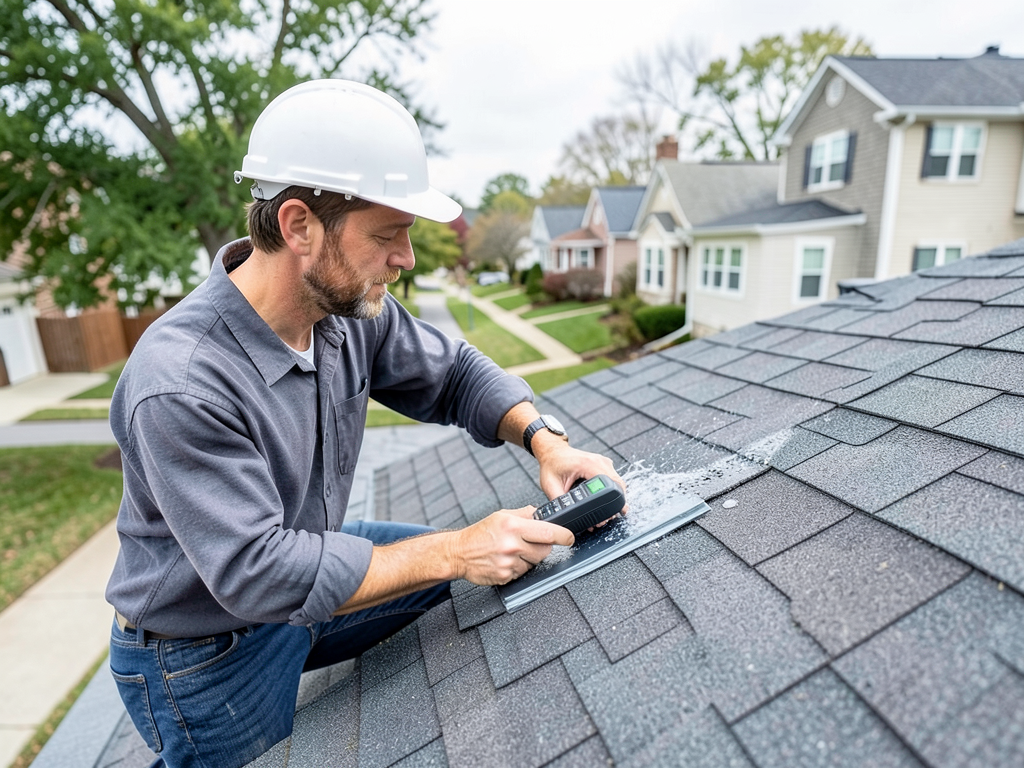
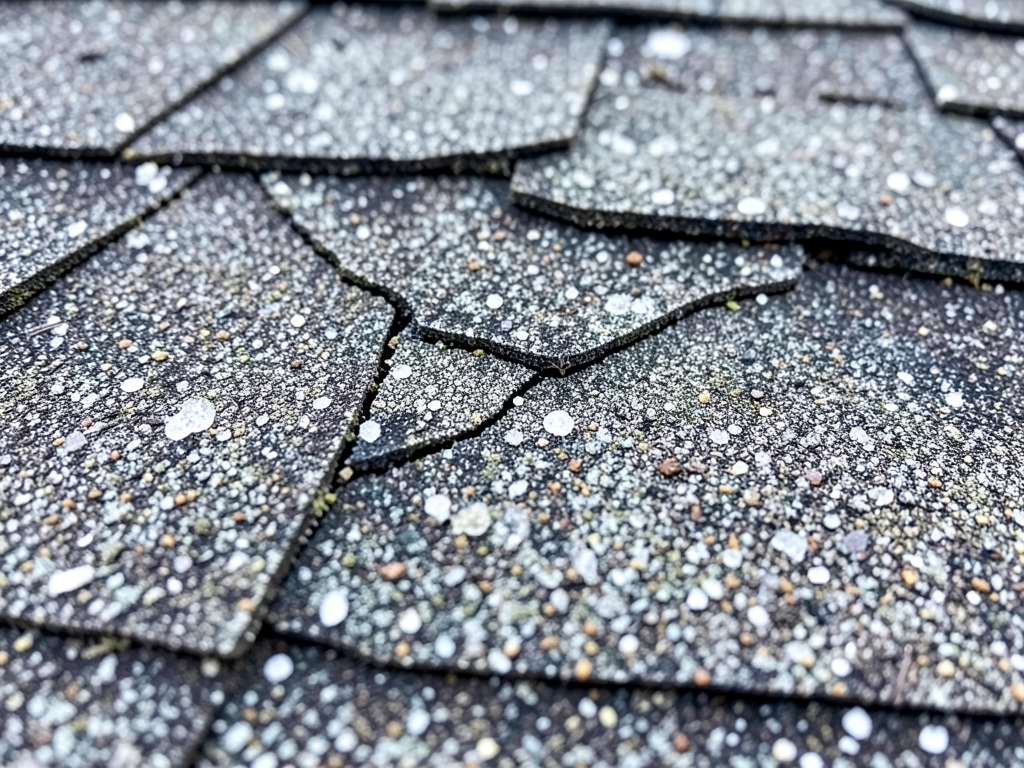
Roof certifications can extend coverage for 2-3 years, but they’re not a permanent solution. A certified Louisville roof inspector will look for granule loss, curling, and moisture penetration that indicate structural compromise. If your roof shows these signs, certification becomes impossible regardless of chronological age. The physical condition matters more than the calendar.
Switching to metal or synthetic slate can solve the insurance problem permanently. These materials carry 40+ year warranties and Class 4 impact resistance ratings that most insurers reward with premium credits. The upfront cost is higher, but the long-term savings on insurance and the elimination of coverage anxiety make it worthwhile for many South Side homeowners.
Before your next insurance renewal, get a professional roof inspection from a Louisville-based contractor who understands local underwriting standards. Document everything with photos and keep all repair records. If your roof is borderline, consider a partial replacement of the most vulnerable sections rather than waiting for a total failure. Insurance companies respond better to proactive maintenance than emergency claims. Commercial flat roof repair and maintenance for business owners in NuLu.
The South Side’s unique combination of historic architecture, severe weather exposure, and aging infrastructure means insurance companies will continue tightening their roof age requirements. Understanding these patterns helps you make informed decisions about maintenance, replacement timing, and coverage options before you face a coverage denial or premium shock.
How Old is Too Old? Standard Insurance Cut-offs by Material
Insurance companies use different age thresholds depending on your roofing material. These limits reflect the expected lifespan under Louisville’s specific climate conditions, not national averages. The most trusted roofing services in Germantown and Schnitzelburg.
| Roofing Material | Standard Insurance Age Limit | Common Louisville Issues |
|---|---|---|
| 3-Tab Asphalt Shingles | 15 years | Rapid granule loss, wind uplift |
| Architectural Shingles | 20-25 years | Hail damage, algae growth |
| Metal Roofing | 40+ years | Corrosion at seams, fastener failure |
| Synthetic Slate | 50+ years | UV degradation, expansion joints |
Three-tab shingles dominate the South Side’s older neighborhoods. These basic asphalt products typically fail at 12-15 years in Louisville’s climate, even though manufacturers rate them for 20 years. Insurance companies know this and use the 15-year mark as their hard cutoff point.
Architectural shingles offer better hail resistance and can push the insurance threshold to 20-25 years. However, Louisville’s frequent spring storms still take their toll. Hail damage often goes unnoticed until water stains appear on ceilings months later. By then, the insurance company may already be questioning your roof’s age.
Metal roofing systems are gaining popularity in newer South Side developments. Insurance companies love these because they withstand 120+ mph winds and Class 4 impact ratings. The higher upfront cost pays for itself through lower premiums and longer replacement cycles. Roofing Owensboro.
Synthetic slate products mimic traditional slate’s appearance while offering modern durability. These materials can last 50+ years with minimal maintenance. Insurance companies rarely question synthetic slate age because the materials don’t degrade like organic products.
Actual Cash Value (ACV) vs. Replacement Cost Value (RCV) in Kentucky
Understanding the difference between ACV and RCV coverage can save you thousands when filing a claim. Kentucky insurance regulations allow companies to shift older roofs to ACV coverage after specific age thresholds.
Replacement Cost Value means your insurer pays to replace your entire roof with new materials, regardless of your roof’s age. This coverage is standard for roofs under 10 years old in most Louisville policies. You receive the full replacement cost minus your deductible.
Actual Cash Value coverage factors in depreciation. A 15-year-old asphalt roof might only be worth 30% of its replacement cost in ACV terms. If your roof costs $12,000 to replace, the insurance company might only pay $3,600 after depreciation. You’re responsible for the remaining $8,400.
Kentucky Department of Insurance guidelines allow insurers to use straight-line depreciation for roofs over 10 years old. This means they subtract a fixed percentage each year based on the expected lifespan. A 20-year roof depreciates faster than a 40-year roof.
The depreciation calculation typically uses these factors:
- Age of the roof in years
- Expected lifespan of the material
- Current condition and remaining life
- Local market rates for replacement
Many Louisville homeowners don’t realize their policy shifted to ACV coverage until they file a claim. The insurance company’s depreciation schedule can be brutal on older roofs. A roof that looks fine might only be worth pennies on the dollar in their calculation.
Some insurers offer endorsements to maintain RCV coverage for older roofs. These typically cost $200-500 annually but can be worth it if your roof is approaching the age threshold. The endorsement essentially buys you time to plan for replacement without the financial risk of ACV coverage.
The ‘Louisville Factor’: Why Local Weather Accelerates Insurance Aging
Louisville’s unique geography creates weather patterns that destroy roofs faster than other parts of Kentucky. The Ohio Valley’s combination of high humidity, temperature swings, and severe storms creates a perfect environment for accelerated roof aging. Why we are the highest rated roofing team in the Louisville metro area.
Spring hail storms are the biggest culprit. Louisville averages 6-8 significant hail events annually, compared to 2-3 in other Kentucky regions. Hail damage often appears as small dents in shingles that compromise their protective granules. Over time, this leads to premature cracking and water infiltration.
Freeze-thaw cycles in winter months cause shingles to expand and contract repeatedly. This movement weakens the adhesive bonds and creates gaps where water can penetrate. Louisville’s temperature swings of 30-40 degrees in a single day are common, while other regions see more gradual seasonal changes.
High humidity levels promote algae and moss growth on north-facing roof sections. These organisms trap moisture against the shingle surface, accelerating deterioration. The South Side’s tree-lined streets create perfect conditions for this problem, especially in older neighborhoods with mature canopy cover.
Wind patterns in the Ohio Valley create uplift forces that standard building codes don’t fully address. Louisville’s position in the valley means storms can come from any direction with little warning. This creates stress points at roof edges and corners that fail first during severe weather.
Ohio River moisture adds another layer of complexity. The river’s proximity means higher ambient humidity levels year-round. This constant moisture exposure prevents roofs from fully drying between storms, creating conditions where minor damage becomes major failure.
Jefferson County’s building code requires specific wind ratings for new installations, but many South Side homes predate these requirements. Insurance companies know this and factor it into their risk calculations. A roof that meets 1980s standards might not withstand today’s storm patterns.
How to Get Insured if Your Roof is Over 20 Years Old
Being over the age limit doesn’t mean you’re uninsurable. Several strategies can help you maintain coverage or find alternative options if your roof exceeds the standard thresholds.
Roof certification inspections are your first line of defense. A certified inspector evaluates your roof’s physical condition rather than just its age. They look for signs of structural integrity, water damage, and material degradation. A passing certification can extend coverage for 2-3 years even if your roof is 20+ years old.
The certification process typically includes:
- Visual inspection of all roof surfaces
- Moisture meter testing in suspect areas
- Flashing and penetration examination
- Attic space inspection for water damage
- Documentation of repairs and maintenance history
Minor repairs can make a big difference in certification outcomes. Fixing loose shingles, sealing flashing, and cleaning gutters shows insurers you’re maintaining the roof properly. These repairs cost far less than the premium increases or coverage denials you might face otherwise.
Consider switching to a high-risk insurance pool if standard carriers won’t cover you. Kentucky’s FAIR Plan provides basic coverage for properties that can’t get insurance through traditional markets. The premiums are higher, but it’s better than being completely uninsured.
Some local insurers specialize in older properties. Kentucky Farm Bureau and Shelter Insurance often have more flexible underwriting guidelines for historic Louisville homes. They understand the local market and may accept roof certifications that national carriers reject.
Document everything. Keep records of all roof maintenance, repairs, and inspections. Take dated photos of your roof’s condition. This documentation proves you’ve been proactive about maintenance if you ever need to appeal a coverage decision.
Consider a partial roof replacement if only certain sections are failing. Insurance companies sometimes accept targeted repairs if they address the most vulnerable areas. This approach costs less than a full replacement while still satisfying underwriters.
Finally, shop around. Different insurance companies use different underwriting criteria. What one carrier considers uninsurable might be acceptable to another. Get quotes from at least three companies before accepting a coverage denial.
Frequently Asked Questions
Does Kentucky Farm Bureau have a roof age limit?
Kentucky Farm Bureau typically uses a 20-year age limit for asphalt shingles but may accept roof certifications for properties up to 25 years old. They’re generally more flexible than national carriers for historic Louisville homes, especially if you can provide documentation of regular maintenance and recent repairs.
Can I buy a house in Louisville with a 20-year-old roof?
Yes, but you’ll need to plan for insurance challenges. Most buyers need to either get the seller to replace the roof, accept a lower price and budget for replacement, or find an insurer willing to provide coverage with a roof certification. Some lenders require roof replacement as a condition of financing for roofs over 25 years old.
How do I prove my roof age to an insurance company?
Provide building permits from the original installation, receipts from previous owners, or documentation from the roofing contractor. If you don’t have paperwork, a professional inspection can often determine age based on material condition and installation methods. Some Louisville contractors keep records of installations going back 30+ years.
What happens if my roof fails during a storm and I’m underinsured?
You’ll be responsible for the difference between the insurance payout and the actual repair cost. If you have ACV coverage on an older roof, this gap can be substantial. Consider an umbrella policy or roof replacement endorsement to protect against this scenario, especially if your roof is approaching the age threshold.
Are metal roofs worth the investment for insurance purposes?
Absolutely. Metal roofs typically qualify for 30-40% insurance premium discounts in Louisville due to their Class 4 impact resistance and 120+ mph wind ratings. The initial cost premium of 40-60% over asphalt shingles often pays for itself within 8-10 years through insurance savings and eliminated replacement costs.
Take Action Before Your Next Renewal
Insurance companies aren’t being difficult – they’re managing risk based on Louisville’s specific weather patterns and your roof’s actual condition. The South Side’s aging housing stock means more homeowners are facing coverage challenges every year.
Don’t wait until your renewal notice arrives to address roof age issues. Schedule a professional inspection now to understand your roof’s true condition. If you’re approaching the 15-year threshold, start planning for certification or replacement before the insurance company forces your hand.
Fortress Roofing has been helping Louisville homeowners navigate insurance challenges for over 15 years. We understand what local underwriters look for and can help you prepare for inspections or plan cost-effective replacement strategies.
Call (502) 678-7557 today to schedule your roof inspection. Our Louisville-based team will evaluate your roof’s condition, provide documentation for your insurance company, and help you understand your options before your next renewal deadline. Don’t let an aging roof leave you uninsured when the next storm hits.
Pick up the phone and call (502) 678-7557 before the next renewal cycle. A small investment in inspection and maintenance now can save you thousands in premium increases and coverage denials later. Your roof protects everything you own – make sure your insurance company understands its true value.
{
“@context”: “https://schema.org”,
“@type”: “BlogPosting”,
“headline”: “Why some insurance companies are hesitant to cover older roofs in the South Side”,
“description”: “Learn why Louisville insurers deny coverage for 15+ year old roofs. Discover local roof age limits, depreciation impacts, and how to stay insured in Jefferson County.”,
“wordCount”: 2218,
“datePublished”: “2026-04-10T14:09:00.000Z”,
“dateModified”: “2026-04-10T14:09:00.000Z”,
“inLanguage”: “en-US”,
“mainEntityOfPage”: {
“@type”: “WebPage”,
“@id”: “https://fortressroofinglouisville.com”
},
“publisher”: {
“@type”: “LocalBusiness”,
“name”: “Fortress Roofing Louisville”,
“url”: “https://fortressroofinglouisville.com”
},
“author”: {
“@type”: “Organization”,
“name”: “Fortress Roofing Louisville”,
“url”: “https://fortressroofinglouisville.com”
},
“image”: {
“@type”: “ImageObject”,
“url”: “https://fortressroofinglouisville.com/wp-content/uploads/2026/03/why-some-insurance-companies-are-hesitant-to-cover-1.png”
}
}
{
“@context”: “https://schema.org”,
“@type”: “RoofingContractor”,
“name”: “Fortress Roofing Louisville”,
“url”: “https://fortressroofinglouisville.com”,
“address”: {
“@type”: “PostalAddress”,
“addressLocality”: “Louisville”
},
“areaServed”: {
“@type”: “City”,
“name”: “Louisville”
}
}
{
“@context”: “https://schema.org”,
“@type”: “FAQPage”,
“mainEntity”: [
{
“@type”: “Question”,
“name”: “Does Kentucky Farm Bureau have a roof age limit?”,
“acceptedAnswer”: {
“@type”: “Answer”,
“text”: “Kentucky Farm Bureau typically uses a 20-year age limit for asphalt shingles but may accept roof certifications for properties up to 25 years old. They’re generally more flexible than national carriers for historic Louisville homes, especially if you can provide documentation of regular maintenance and recent repairs.”
}
},
{
“@type”: “Question”,
“name”: “Can I buy a house in Louisville with a 20-year-old roof?”,
“acceptedAnswer”: {
“@type”: “Answer”,
“text”: “Yes, but you’ll need to plan for insurance challenges. Most buyers need to either get the seller to replace the roof, accept a lower price and budget for replacement, or find an insurer willing to provide coverage with a roof certification. Some lenders require roof replacement as a condition of financing for roofs over 25 years old.”
}
},
{
“@type”: “Question”,
“name”: “How do I prove my roof age to an insurance company?”,
“acceptedAnswer”: {
“@type”: “Answer”,
“text”: “Provide building permits from the original installation, receipts from previous owners, or documentation from the roofing contractor. If you don’t have paperwork, a professional inspection can often determine age based on material condition and installation methods. Some Louisville contractors keep records of installations going back 30+ years.”
}
},
{
“@type”: “Question”,
“name”: “What happens if my roof fails during a storm and I’m underinsured?”,
“acceptedAnswer”: {
“@type”: “Answer”,
“text”: “You’ll be responsible for the difference between the insurance payout and the actual repair cost. If you have ACV coverage on an older roof, this gap can be substantial. Consider an umbrella policy or roof replacement endorsement to protect against this scenario, especially if your roof is approaching the age threshold.”
}
},
{
“@type”: “Question”,
“name”: “Are metal roofs worth the investment for insurance purposes?”,
“acceptedAnswer”: {
“@type”: “Answer”,
“text”: “Absolutely. Metal roofs typically qualify for 30-40% insurance premium discounts in Louisville due to their Class 4 impact resistance and 120+ mph wind ratings. The initial cost premium of 40-60% over asphalt shingles often pays for itself within 8-10 years through insurance savings and eliminated replacement costs.”
}
}
]
}
{
“@context”: “https://schema.org”,
“@type”: “BreadcrumbList”,
“itemListElement”: [
{
“@type”: “ListItem”,
“position”: 1,
“name”: “Home”,
“item”: “https://fortressroofinglouisville.com”
},
{
“@type”: “ListItem”,
“position”: 2,
“name”: “Blog”,
“item”: “https://fortressroofinglouisville.com/blog”
},
{
“@type”: “ListItem”,
“position”: 3,
“name”: “Why some insurance companies are hesitant to cover older roofs in the South Side”
}
]
}
{
“@context”: “https://schema.org”,
“@type”: “Service”,
“serviceType”: “Roofing”,
“provider”: {
“@type”: “LocalBusiness”,
“name”: “Fortress Roofing Louisville”,
“url”: “https://fortressroofinglouisville.com”
},
“areaServed”: {
“@type”: “City”,
“name”: “Louisville”
},
“description”: “Learn why Louisville insurers deny coverage for 15+ year old roofs. Discover local roof age limits, depreciation impacts, and how to stay insured in Jefferson County.”
}