
Hidden signs of roof rot that every Parkway Village home buyer should look for
Buying a home in Parkway Village means understanding the unique challenges of Louisville’s climate. Roof rot can silently destroy a home’s structural integrity before you even notice visible damage. This guide shows you exactly what to look for during your home inspection so you can avoid costly surprises after closing.
The Parkway Village moisture factor
Parkway Village sits in a low-lying area near Southside Park where water naturally collects. The combination of Kentucky’s 45+ inches of annual rainfall and poor drainage in older neighborhoods creates perfect conditions for wood rot. Homes built before the 1980s often lack proper vapor barriers and modern ventilation systems that prevent moisture buildup.
During your inspection walk through the neighborhood and notice how many homes have moss or algae growing on their north-facing slopes. This is your first visual clue that moisture problems exist in the area. Homes near the park’s creek are especially vulnerable to groundwater wicking up through foundation walls and affecting roof structures.
External warning signs you can spot from the ground
Start your inspection by walking around the entire house with binoculars. Look for curling or buckling shingles that indicate moisture has penetrated beneath the surface. Pay special attention to areas where different roof planes meet since these valleys trap debris and water. Why we are the highest rated roofing team in the Louisville metro area.
Check the fascia boards along the roof edges. Press gently on any soft or discolored sections. If the wood feels spongy or crumbles under light pressure you have found rot that requires immediate attention. Soffit vents should be clear and free of water stains which indicate poor attic ventilation.
Examine the chimney flashing for rust or separation. Failed flashing allows water to seep behind walls where it causes hidden rot in rafters and roof decking. Look for any sagging sections of the roofline which suggest compromised structural members underneath. EPA moisture control guidelines.
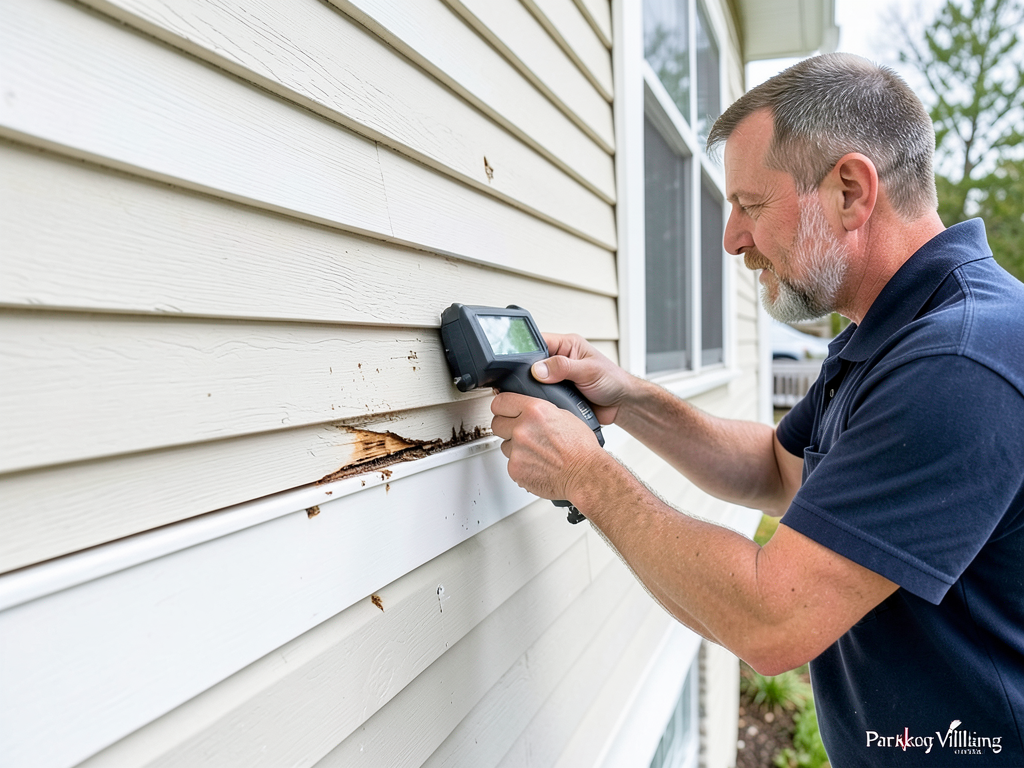
Photo showing a technician using a moisture meter on a fascia board – A professional roof inspector demonstrates the proper technique for detecting hidden moisture in exterior trim boards using a calibrated moisture meter.
The attic inspection: your most important diagnostic tool
The attic reveals what’s happening beneath your roof’s surface. Enter during daylight hours and turn off all lights. Look for pinpoints of light coming through the roof deck which indicate holes or gaps where moisture enters.
Check the underside of the roof decking for dark spots or water stains. These often appear as irregular brown or black patches where water has repeatedly soaked the wood. Run your hand across the surface – if it feels rough or splintered the wood is deteriorating.
Smell for musty odors which indicate active mold growth. Your nose can detect problems before your eyes see them. If the attic smells like a damp basement you have ventilation issues that will lead to rot.
Look at the nails penetrating through the roof decking. Rusted nail heads mean moisture is condensing inside your attic. This condensation is the primary cause of roof rot in Louisville’s humid climate.
Check the insulation for dark spots or compression. Wet insulation loses its R-value and traps moisture against the roof deck. Pull back a small section of insulation in the corners where moisture tends to accumulate first.
The screwdriver test: a simple diagnostic method
Bring a Phillips head screwdriver on your inspection. This simple tool can save you thousands in repair costs. Press the tip into any suspicious wood surface with moderate pressure. Sound wood resists penetration while rotten wood allows the screwdriver to sink in easily. Commercial flat roof repair and maintenance for business owners in NuLu.
Test the roof decking at several locations. Healthy plywood should feel solid and spring back when pressed. Rotten sections feel soft and may even flex under your weight. Pay special attention to areas around chimneys, vents, and where roof planes intersect.
Check the rafters and trusses for signs of splitting or cracking. These structural members support your entire roof system. If they show signs of rot the entire roof may need replacement rather than repair.
Common problem areas in Parkway Village homes
Parkway Village was developed primarily in the 1960s and 1970s. Many homes still have their original roof systems which are now 50+ years old. The original asphalt shingles were not designed to last this long especially under Kentucky’s harsh weather conditions.
Older homes often have inadequate attic ventilation. Look for gable vents but no ridge vents. Without proper airflow moisture becomes trapped in the attic space leading to condensation and eventual rot. The Kentucky Residential Code now requires specific ventilation ratios that older homes don’t meet. Reliable residential roofing specialists serving Jeffersonville and Clarksville.
Check for bathroom and kitchen vents that terminate in the attic rather than extending through the roof. These vents pump warm moist air directly into the attic space creating condensation problems.
Ice dams form when heat escapes through the roof melting snow which refreezes at the eaves. This cycle forces water under shingles and into the roof structure. Parkway Village’s older homes often lack proper ice and water shield protection required by current building codes.
Moisture meter readings: understanding the numbers
A moisture meter is the professional’s secret weapon for detecting hidden rot. Readings above 20% indicate active moisture problems that require investigation. Most home inspectors carry these devices and will test suspicious areas during your inspection.
Normal wood moisture content in a healthy attic should read between 8-12%. Readings consistently above 15% suggest ventilation problems or active leaks. If you encounter readings above 25% you have found a serious moisture intrusion that needs immediate remediation.
Test both the surface and core moisture levels. Surface readings can be misleading since they only show recent moisture exposure. Core readings reveal long-term moisture problems that indicate structural damage.
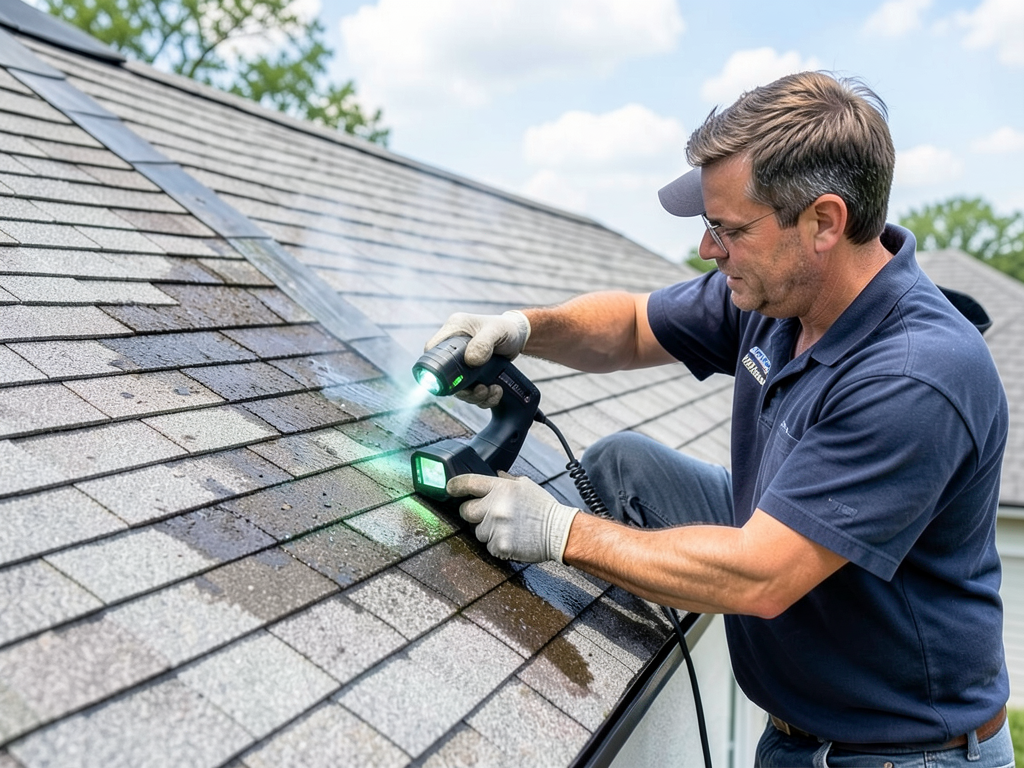
Technician using thermal imaging camera on roof – A professional roof inspector demonstrates thermal imaging technology that detects temperature variations indicating moisture intrusion beneath shingles.
Structural implications of roof rot
Roof rot doesn’t just affect your shingles. It compromises the entire structural system of your home. Rotten roof decking cannot support the weight of new shingles or snow loads. This creates a safety hazard that could lead to roof collapse.
Water-damaged rafters lose their structural integrity. A 2×6 rafter that has rotted can lose up to 70% of its load-bearing capacity. This means your roof may not meet current wind load requirements which could affect your insurance coverage.
Rot often spreads to adjacent structural elements. Water that enters through the roof can travel down walls and into floor joists. What starts as a roof problem becomes a whole-house structural issue requiring extensive repairs.
The cost of ignoring roof rot compounds over time. A small area of rot that costs $500 to repair today could become a $15,000 structural repair in two years. Insurance companies often deny claims for damage resulting from neglected maintenance.
Professional inspection vs DIY assessment
While you can spot many signs of roof rot yourself some problems require professional diagnosis. Licensed roof inspectors use specialized equipment like borescopes to examine areas you cannot access safely.
Professional inspectors understand building codes and can identify when previous repairs were done incorrectly. They know what to look for in specific home styles common to Parkway Village and can spot patterns of failure unique to this neighborhood.
Consider hiring a professional if you notice any of these warning signs: sagging roof sections, visible mold growth, water stains on interior ceilings, or if the home is over 20 years old with its original roof.
Repair vs replacement decisions
Not all roof rot requires complete replacement. Small isolated areas can often be repaired if caught early. However, widespread rot affecting multiple roof planes usually means replacement is the most cost-effective solution.
Consider the age of the roof. If it’s near the end of its expected lifespan replacement makes more sense than repairs. Also consider energy efficiency – a new roof with proper ventilation can reduce your heating and cooling costs by 15-20%.
Insurance companies often require specific documentation for roof replacement claims. Keep records of all inspections and repairs to support future claims.
Prevention strategies for Parkway Village homeowners
Regular maintenance prevents most roof rot problems. Clean your gutters twice yearly to prevent water backup under shingles. Trim tree branches that overhang your roof to improve air circulation and reduce debris accumulation.
Check your attic ventilation annually. Make sure soffit vents are not blocked by insulation and that ridge vents are clear of debris. Consider installing a powered attic ventilator if your attic regularly exceeds 120 degrees in summer.
Replace missing or damaged shingles immediately. Even small gaps allow water to penetrate and start the rot process. Use roofing cement to seal around vents and chimneys where most leaks occur. The most trusted roofing services in Germantown and Schnitzelburg.
When to walk away from a property
Some roof rot problems are so extensive that repair costs exceed the home’s value. Walk away if you find widespread rot affecting more than 30% of the roof area or if structural members show significant deterioration.
Be especially cautious with homes that have been vacant or poorly maintained. Water damage accelerates when problems go unaddressed for months or years.
Remember that Parkway Village’s older homes often have multiple maintenance issues beyond just the roof. Consider the total cost of bringing the home up to modern standards before making an offer.
Local building codes and requirements
The Kentucky Residential Code requires specific moisture protection measures for roof assemblies. Section R905.2.3 mandates ice and water shield installation in all valleys and along eaves in Louisville’s climate zone. Many older Parkway Village homes don’t meet these current standards.
Building code compliance affects your ability to obtain permits for repairs or renovations. Non-compliant work may need to be removed and replaced to meet current standards, adding unexpected costs to your project.
Local permitting requirements in Louisville-Jefferson County include specific inspection points for roof replacements. Understanding these requirements helps you evaluate contractor bids and ensure your investment is protected.
Diagram showing proper attic ventilation system – Technical illustration demonstrating how ridge vents, soffit vents, and baffles work together to create continuous airflow that prevents moisture buildup and roof rot.
Frequently Asked Questions
How can I tell if roof rot is active or old damage?
Active rot feels soft and spongy when pressed. The wood may be damp to the touch and often has a musty odor. Old damage typically feels dry and crumbly but may still compromise structural integrity. A moisture meter reading above 20% indicates active moisture problems requiring immediate attention.
Does homeowners insurance cover roof rot in Kentucky?
Most standard policies exclude damage from lack of maintenance or normal wear and tear. However, if rot results from a covered peril like wind damage or a sudden plumbing leak it may be covered. Document all inspections and maintenance to support insurance claims.
How long does a roof inspection take in Parkway Village?
A thorough inspection including attic access typically takes 45-60 minutes for an average home. Older homes or those with suspected problems may require 90 minutes or more. Professional inspectors will check all accessible areas and provide a detailed written report with photos.
What’s the average cost to repair roof rot in Louisville?
Repair costs vary widely based on damage extent. Minor repairs might cost $500-1,500 while extensive structural repairs can exceed $10,000. Complete roof replacement for a typical Parkway Village home ranges from $8,000-15,000 depending on materials and roof complexity.
Can I negotiate the price if I find roof rot during inspection?
Yes. Most purchase agreements include inspection contingencies that allow you to request repairs or price adjustments. Get repair estimates from licensed contractors to support your negotiations. Some buyers request a credit at closing rather than having the seller make repairs.
- Exterior visual inspection
Walk around the house looking for sagging rooflines, missing shingles, and water stains on fascia boards. Use binoculars to examine steep slopes safely.
- Interior attic examination
Check for daylight penetration, dark spots on decking, musty odors, and rusted nails. Test wood surfaces with a screwdriver for soft spots.
- Moisture detection
Use a moisture meter to test suspicious areas. Readings above 20% indicate active moisture problems requiring professional evaluation.
- Professional assessment
Hire a licensed roof inspector if you find any warning signs or if the home is over 20 years old with original roofing materials. Roofing Owensboro.
Roof rot can destroy your home investment if you don’t know what to look for. Parkway Village’s older homes and low-lying location create perfect conditions for moisture problems that lead to rot. Use this guide during your home inspection to protect yourself from costly surprises.
Call (502) 678-7557 today to schedule a professional roof inspection before you make your purchase decision. Our experienced technicians know exactly what to look for in Parkway Village homes and can provide you with a detailed assessment of any roof rot issues.
Don’t let hidden roof rot cost you thousands in unexpected repairs. Pick up the phone and call (502) 678-7557 before the next storm hits. We’ll help you make an informed decision about your Parkway Village home purchase. For more information, visit FEMA roof preparation guidelines.
{
“@context”: “https://schema.org”,
“@type”: “BlogPosting”,
“headline”: “Hidden signs of roof rot that every Parkway Village home buyer should look for”,
“description”: “Learn the hidden signs of roof rot in Parkway Village homes. This Louisville guide covers attic inspection tips, moisture damage, and when to call a professional roofer.”,
“wordCount”: 2224,
“datePublished”: “2026-04-04T06:42:00.000Z”,
“dateModified”: “2026-04-04T06:42:00.000Z”,
“inLanguage”: “en-US”,
“mainEntityOfPage”: {
“@type”: “WebPage”,
“@id”: “https://fortressroofinglouisville.com”
},
“publisher”: {
“@type”: “LocalBusiness”,
“name”: “Fortress Roofing Louisville”,
“url”: “https://fortressroofinglouisville.com”
},
“author”: {
“@type”: “Organization”,
“name”: “Fortress Roofing Louisville”,
“url”: “https://fortressroofinglouisville.com”
},
“image”: {
“@type”: “ImageObject”,
“url”: “https://fortressroofinglouisville.com/wp-content/uploads/2026/03/hidden-signs-of-roof-rot-that-every-parkway-villag-1.png”
}
}
{
“@context”: “https://schema.org”,
“@type”: “RoofingContractor”,
“name”: “Fortress Roofing Louisville”,
“url”: “https://fortressroofinglouisville.com”,
“address”: {
“@type”: “PostalAddress”,
“addressLocality”: “Louisville”
},
“areaServed”: {
“@type”: “City”,
“name”: “Louisville”
}
}
{
“@context”: “https://schema.org”,
“@type”: “FAQPage”,
“mainEntity”: [
{
“@type”: “Question”,
“name”: “How can I tell if roof rot is active or old damage?”,
“acceptedAnswer”: {
“@type”: “Answer”,
“text”: “Active rot feels soft and spongy when pressed. The wood may be damp to the touch and often has a musty odor. Old damage typically feels dry and crumbly but may still compromise structural integrity. A moisture meter reading above 20% indicates active moisture problems requiring immediate attention.”
}
},
{
“@type”: “Question”,
“name”: “Does homeowners insurance cover roof rot in Kentucky?”,
“acceptedAnswer”: {
“@type”: “Answer”,
“text”: “Most standard policies exclude damage from lack of maintenance or normal wear and tear. However, if rot results from a covered peril like wind damage or a sudden plumbing leak it may be covered. Document all inspections and maintenance to support insurance claims.”
}
},
{
“@type”: “Question”,
“name”: “How long does a roof inspection take in Parkway Village?”,
“acceptedAnswer”: {
“@type”: “Answer”,
“text”: “A thorough inspection including attic access typically takes 45-60 minutes for an average home. Older homes or those with suspected problems may require 90 minutes or more. Professional inspectors will check all accessible areas and provide a detailed written report with photos.”
}
},
{
“@type”: “Question”,
“name”: “What’s the average cost to repair roof rot in Louisville?”,
“acceptedAnswer”: {
“@type”: “Answer”,
“text”: “Repair costs vary widely based on damage extent. Minor repairs might cost $500-1,500 while extensive structural repairs can exceed $10,000. Complete roof replacement for a typical Parkway Village home ranges from $8,000-15,000 depending on materials and roof complexity.”
}
},
{
“@type”: “Question”,
“name”: “Can I negotiate the price if I find roof rot during inspection?”,
“acceptedAnswer”: {
“@type”: “Answer”,
“text”: “Yes. Most purchase agreements include inspection contingencies that allow you to request repairs or price adjustments. Get repair estimates from licensed contractors to support your negotiations. Some buyers request a credit at closing rather than having the seller make repairs.”
}
}
]
}
{
“@context”: “https://schema.org”,
“@type”: “HowTo”,
“name”: “How to inspect for roof rot”,
“step”: [
{
“@type”: “HowToStep”,
“position”: 1,
“name”: “Exterior visual inspection”,
“text”: “Walk around the house looking for sagging rooflines, missing shingles, and water stains on fascia boards. Use binoculars to examine steep slopes safely.”
},
{
“@type”: “HowToStep”,
“position”: 2,
“name”: “Interior attic examination”,
“text”: “Check for daylight penetration, dark spots on decking, musty odors, and rusted nails. Test wood surfaces with a screwdriver for soft spots.”
},
{
“@type”: “HowToStep”,
“position”: 3,
“name”: “Moisture detection”,
“text”: “Use a moisture meter to test suspicious areas. Readings above 20% indicate active moisture problems requiring professional evaluation.”
},
{
“@type”: “HowToStep”,
“position”: 4,
“name”: “Professional assessment”,
“text”: “Hire a licensed roof inspector if you find any warning signs or if the home is over 20 years old with original roofing materials. Roofing Owensboro.”
}
],
“image”: “https://fortressroofinglouisville.com/wp-content/uploads/2026/03/hidden-signs-of-roof-rot-that-every-parkway-villag-1.png”
}
{
“@context”: “https://schema.org”,
“@type”: “BreadcrumbList”,
“itemListElement”: [
{
“@type”: “ListItem”,
“position”: 1,
“name”: “Home”,
“item”: “https://fortressroofinglouisville.com”
},
{
“@type”: “ListItem”,
“position”: 2,
“name”: “Blog”,
“item”: “https://fortressroofinglouisville.com/blog”
},
{
“@type”: “ListItem”,
“position”: 3,
“name”: “Hidden signs of roof rot that every Parkway Village home buyer should look for”
}
]
}
{
“@context”: “https://schema.org”,
“@type”: “Service”,
“serviceType”: “Roofing”,
“provider”: {
“@type”: “LocalBusiness”,
“name”: “Fortress Roofing Louisville”,
“url”: “https://fortressroofinglouisville.com”
},
“areaServed”: {
“@type”: “City”,
“name”: “Louisville”
},
“description”: “Learn the hidden signs of roof rot in Parkway Village homes. This Louisville guide covers attic inspection tips, moisture damage, and when to call a professional roofer.”
}