
Five Simple Ways to Make Your Lyndon Roof Last Another Ten Years
Your roof faces constant assault from Louisville’s humid summers, heavy spring storms, and freeze-thaw winters. Most homeowners don’t realize that with five targeted maintenance steps, you can add a decade of life to your existing asphalt shingles without a full replacement. The key is understanding how our Ohio River Valley climate affects roof materials and taking action before small problems become expensive failures. Valley Leak Repair.
Lyndon’s mix of mid-century ranch homes and newer developments creates specific vulnerabilities. Older homes often have inadequate attic ventilation, while newer builds might use lower-grade shingles to cut costs. Both scenarios lead to premature aging, but neither requires a complete tear-off if you catch issues early.
The first step is a thorough inspection during mild weather when you can safely walk the roof. Look for curled edges, missing granules, and cracked seals around vents and chimneys. These are the warning signs that your roof is fighting a losing battle against moisture and temperature swings.
Call (502) 678-7557 today to schedule your inspection before the next storm hits.
Understanding Louisville’s Climate Impact on Your Roof
Louisville’s annual rainfall averages 45-49 inches, with most falling during spring thunderstorms. This creates constant moisture exposure that accelerates algae growth on north-facing slopes. The Ohio River Valley’s humidity levels often exceed 70%, creating perfect conditions for Gloeocapsa magma, the black streaking algae that eats away at shingle granules.
Freeze-thaw cycles in January and February cause shingles to expand and contract. Each cycle weakens the adhesive bonds and creates tiny cracks that let water penetrate. When that water freezes, it expands and pushes the shingle material apart from the inside out.
Wind patterns in Jefferson County can reach 70+ mph during spring fronts. These winds create uplift pressure that can lift entire sections of shingles if the fastening pattern doesn’t meet current Kentucky Residential Code requirements. Homes in older Lyndon subdivisions often lack the six nails per shingle required in modern installations. Kentucky Residential Code.
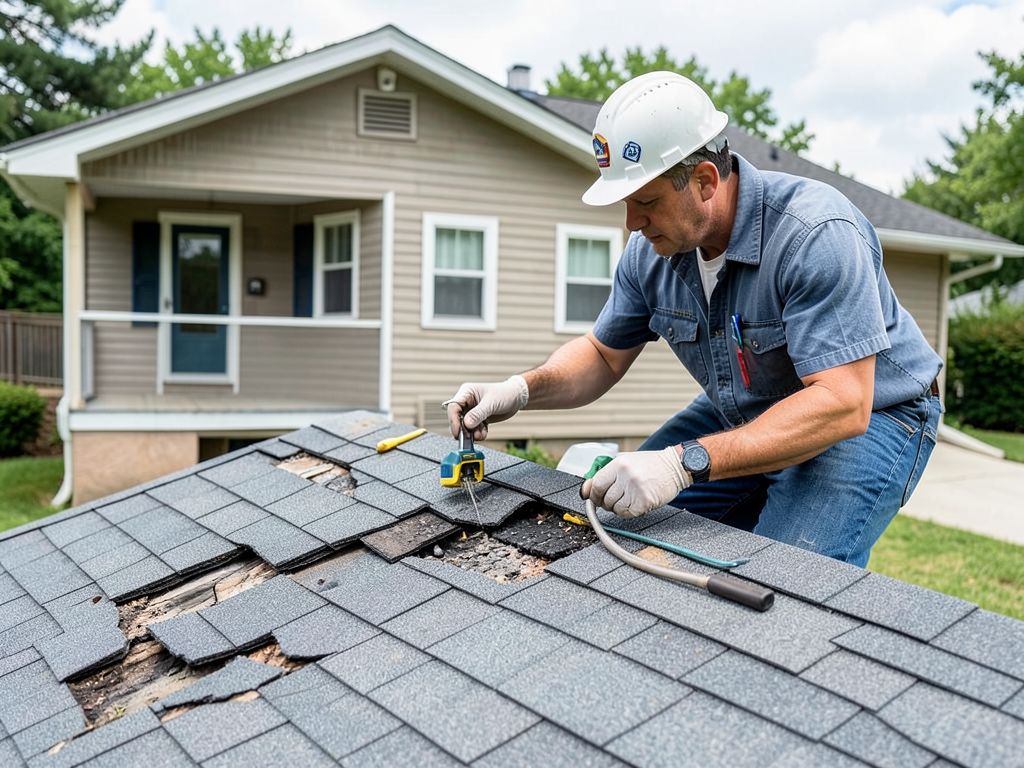
Diagram showing how freeze-thaw cycles create microscopic cracks in asphalt shingles and how moisture penetration leads to granule loss.
Seasonal Maintenance Checklist for Lyndon Homes
Spring maintenance should happen in late March or early April when temperatures stabilize above 50 degrees. This timing lets you catch winter damage before summer storms hit. Start by clearing all debris from valleys and around chimneys where leaves and twigs accumulate.
Check all flashing around vents, skylights, and chimneys. The sealant around these penetrations often cracks within five years due to UV exposure. Replace any cracked or missing sealant with roofing-grade caulk that remains flexible in temperature extremes. The most trusted roofing services in Germantown and Schnitzelburg.
Fall maintenance in October focuses on preparing for winter. Clean gutters thoroughly and check for proper drainage away from the foundation. Water backing up under shingles during winter freezes creates ice dams that force water under the roof deck. EPA climate precipitation data.
Pick up the phone and call (502) 678-7557 before the next storm hits.
Dealing with Local Pests and Growth
Black algae streaks on north-facing slopes indicate moisture problems that will shorten your roof’s life. The algae feed on the limestone filler in asphalt shingles, creating a cycle where the more it grows, the faster your shingles deteriorate. A 50/50 mix of water and bleach applied with a garden sprayer kills existing growth, but you need zinc or copper strips installed at the roof peak to prevent regrowth.
Moss grows in shaded areas where moisture lingers after rain. Unlike algae, moss lifts shingles and creates channels for water to flow under the roof deck. Physical removal with a soft brush works best, followed by a moss-inhibiting treatment that contains iron sulfate.
Tree limbs overhanging your roof drop leaves that trap moisture against shingles. In Lyndon’s older neighborhoods, mature oak and maple trees create constant debris problems. Trim branches back at least six feet from the roof edge to improve air circulation and reduce debris accumulation.
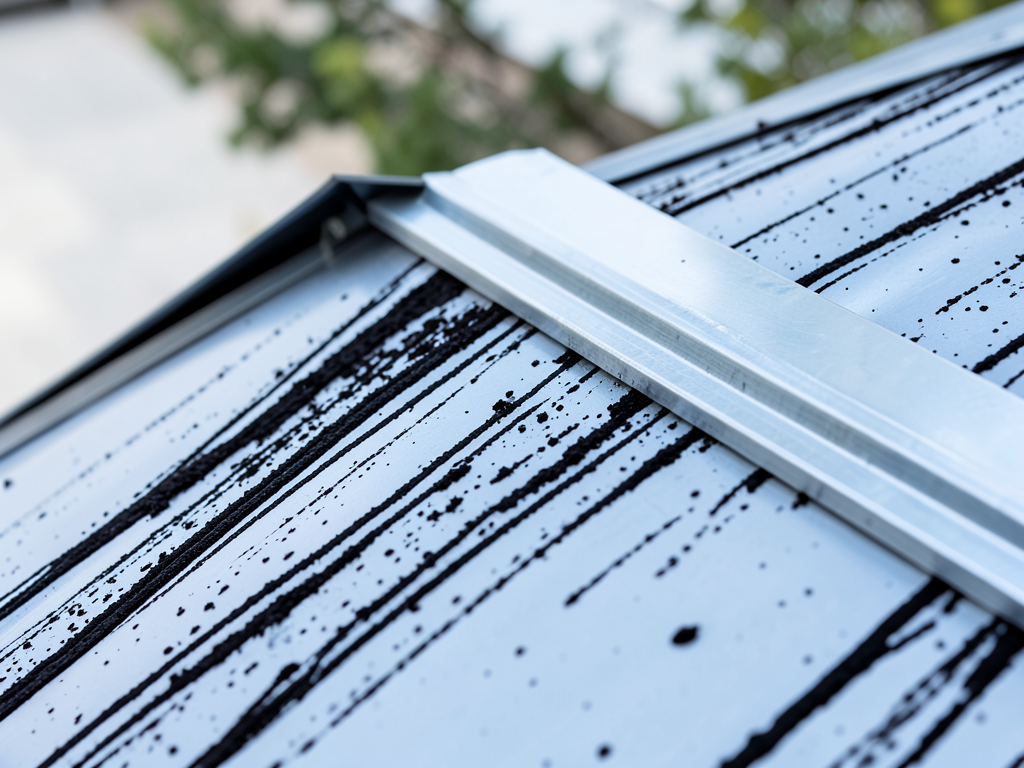
Photo showing black algae streaks on north-facing roof slopes and zinc strips installed at the ridge to prevent regrowth.
Professional vs. DIY: When to Call a Louisville Roofer
DIY maintenance works for basic cleaning and minor sealant replacement, but certain problems require professional diagnosis. If you notice sagging roof sections, that indicates structural damage from prolonged moisture exposure. The wood deck underneath has likely absorbed water and lost its structural integrity.
Flashing leaks around chimneys and skylights often require complete removal and reinstallation. The original installation might have used incorrect materials or improper fastening that only becomes apparent when water starts penetrating during heavy rains.
Valley repairs need professional attention because these areas handle the most water flow. A failed valley can dump hundreds of gallons during a single storm onto areas not designed for that volume. The Kentucky Residential Code requires specific underlayment in valleys that many DIY repairs ignore. Reliable residential roofing specialists serving Jeffersonville and Clarksville.
Call (502) 678-7557 today to schedule your inspection before the next storm hits.
Storm Damage Specifics for Kentucky Weather
Hail damage in Louisville often appears as small dark spots where the shingle’s protective granules have been knocked off. These spots feel slightly soft when pressed and indicate the shingle’s fiberglass mat is exposed to UV radiation. Without granules, the mat deteriorates within one to two years.
Wind damage shows as lifted shingle tabs, especially along the roof edges where uplift pressure is highest. The six-nail fastening pattern required by current code provides better resistance than the four-nail pattern common in homes built before 2010. Why we are the highest rated roofing team in the Louisville metro area.
After any severe storm, check your attic for water stains or daylight showing through roof boards. Even small leaks can cause extensive damage to insulation and create mold growth within 48 hours in our humid climate.
Photo showing hail damage on asphalt shingles with missing granules and exposed fiberglass mat.
Extending Roof Life Through Ventilation and Insulation
Proper attic ventilation prevents heat and moisture buildup that destroys shingles from the underside. The International Residential Code requires one square foot of net free ventilation area for every 150 square feet of attic space, split evenly between intake and exhaust vents.
Attic temperatures in poorly ventilated spaces can exceed 150 degrees in July and August. This heat bakes the underside of shingles, causing them to become brittle and crack. Adding ridge vents and soffit vents often costs less than $1,000 but can add five years to your roof’s life.
Ice dam prevention requires proper insulation to keep heat from escaping through the ceiling into the attic. The thermal barrier should provide at least R-38 insulation in our climate zone. Without adequate insulation, warm air melts snow on the roof, which refreezes at the colder eaves, creating damaging ice dams.
Cost-Benefit Analysis of Maintenance vs. Replacement
Professional maintenance typically costs $300-500 annually for a 2,000-square-foot home. This includes gutter cleaning, sealant inspection, and minor repairs. Compare this to the $8,000-15,000 cost of a full roof replacement, and the math becomes clear. Five years of maintenance equals one year of replacement payments. Commercial flat roof repair and maintenance for business owners in NuLu.
Insurance companies in Kentucky often offer premium discounts for documented maintenance programs. Some providers give up to 10% off annual premiums when you can show regular professional inspections and repairs.
The environmental impact matters too. Manufacturing new shingles requires significant energy and raw materials. Extending your existing roof’s life by ten years keeps several hundred pounds of waste out of landfills and reduces the demand for new manufacturing.
Frequently Asked Questions
How often should I have my Lyndon roof professionally inspected?
Professional inspections should happen annually, with additional checks after severe storms. Spring inspections catch winter damage, while fall inspections prepare for harsh winter conditions.
Can I clean my roof myself to remove algae and moss?
DIY cleaning works for minor growth using a 50/50 water and bleach solution, but avoid pressure washing which can damage shingles. For extensive growth or recurring problems, professional treatment with preventive strips is more effective.
What’s the average lifespan of asphalt shingles in Louisville’s climate?
Standard three-tab shingles last 15-20 years in our climate, while architectural shingles typically last 20-25 years. Proper maintenance can add 5-10 years to these estimates.
How do I know if my roof damage is covered by insurance?
Sudden damage from storms, hail, or fallen trees is usually covered. Wear and tear from age or lack of maintenance typically isn’t covered. Document damage with photos and get a professional assessment for insurance claims.
What causes those black streaks on my roof?
Black streaks are caused by Gloeocapsa magma algae that feed on limestone filler in asphalt shingles. The algae thrive in our humid climate and commonly appear on north-facing slopes where moisture lingers.
Should I replace my entire roof if I find a few damaged shingles?
No. Isolated damaged shingles can be replaced individually if the rest of the roof is in good condition. Replacement is only necessary when damage is widespread or structural issues exist.
How much does professional roof maintenance cost in Lyndon?
Annual maintenance typically costs $300-500 for a standard home, depending on roof size and accessibility. This includes cleaning, inspection, and minor repairs that prevent costly replacements.
What’s the best time of year for roof maintenance in Kentucky?
Spring (late March to early May) and fall (October) are ideal for maintenance. These seasons offer mild temperatures for repairs and allow you to prepare for extreme summer and winter weather.
{
“@context”: “https://schema.org”,
“@type”: “BlogPosting”,
“headline”: “Five simple ways to make your Lyndon roof last another ten years”,
“description”: “Discover five proven maintenance steps to extend your Lyndon roof’s life by a decade. Learn local Louisville weather impacts, inspection tips, and when to call a pro.”,
“wordCount”: 1602,
“datePublished”: “2026-03-09T13:50:00.000Z”,
“dateModified”: “2026-03-09T13:50:00.000Z”,
“inLanguage”: “en-US”,
“mainEntityOfPage”: {
“@type”: “WebPage”,
“@id”: “https://fortressroofinglouisville.com”
},
“publisher”: {
“@type”: “LocalBusiness”,
“name”: “Fortress Roofing Louisville”,
“url”: “https://fortressroofinglouisville.com”
},
“author”: {
“@type”: “Organization”,
“name”: “Fortress Roofing Louisville”,
“url”: “https://fortressroofinglouisville.com”
},
“image”: {
“@type”: “ImageObject”,
“url”: “https://fortressroofinglouisville.com/wp-content/uploads/2026/03/five-simple-ways-to-make-your-lyndon-roof-last-ano-1.png”
}
}
{
“@context”: “https://schema.org”,
“@type”: “RoofingContractor”,
“name”: “Fortress Roofing Louisville”,
“url”: “https://fortressroofinglouisville.com”,
“address”: {
“@type”: “PostalAddress”,
“addressLocality”: “Louisville”
},
“areaServed”: {
“@type”: “City”,
“name”: “Louisville”
}
}
{
“@context”: “https://schema.org”,
“@type”: “FAQPage”,
“mainEntity”: [
{
“@type”: “Question”,
“name”: “How often should I have my Lyndon roof professionally inspected?”,
“acceptedAnswer”: {
“@type”: “Answer”,
“text”: “Professional inspections should happen annually, with additional checks after severe storms. Spring inspections catch winter damage, while fall inspections prepare for harsh winter conditions.”
}
},
{
“@type”: “Question”,
“name”: “Can I clean my roof myself to remove algae and moss?”,
“acceptedAnswer”: {
“@type”: “Answer”,
“text”: “DIY cleaning works for minor growth using a 50/50 water and bleach solution, but avoid pressure washing which can damage shingles. For extensive growth or recurring problems, professional treatment with preventive strips is more effective.”
}
},
{
“@type”: “Question”,
“name”: “What’s the average lifespan of asphalt shingles in Louisville’s climate?”,
“acceptedAnswer”: {
“@type”: “Answer”,
“text”: “Standard three-tab shingles last 15-20 years in our climate, while architectural shingles typically last 20-25 years. Proper maintenance can add 5-10 years to these estimates.”
}
},
{
“@type”: “Question”,
“name”: “How do I know if my roof damage is covered by insurance?”,
“acceptedAnswer”: {
“@type”: “Answer”,
“text”: “Sudden damage from storms, hail, or fallen trees is usually covered. Wear and tear from age or lack of maintenance typically isn’t covered. Document damage with photos and get a professional assessment for insurance claims.”
}
},
{
“@type”: “Question”,
“name”: “What causes those black streaks on my roof?”,
“acceptedAnswer”: {
“@type”: “Answer”,
“text”: “Black streaks are caused by Gloeocapsa magma algae that feed on limestone filler in asphalt shingles. The algae thrive in our humid climate and commonly appear on north-facing slopes where moisture lingers.”
}
},
{
“@type”: “Question”,
“name”: “Should I replace my entire roof if I find a few damaged shingles?”,
“acceptedAnswer”: {
“@type”: “Answer”,
“text”: “No. Isolated damaged shingles can be replaced individually if the rest of the roof is in good condition. Replacement is only necessary when damage is widespread or structural issues exist.”
}
},
{
“@type”: “Question”,
“name”: “How much does professional roof maintenance cost in Lyndon?”,
“acceptedAnswer”: {
“@type”: “Answer”,
“text”: “Annual maintenance typically costs $300-500 for a standard home, depending on roof size and accessibility. This includes cleaning, inspection, and minor repairs that prevent costly replacements.”
}
},
{
“@type”: “Question”,
“name”: “What’s the best time of year for roof maintenance in Kentucky?”,
“acceptedAnswer”: {
“@type”: “Answer”,
“text”: “Spring (late March to early May) and fall (October) are ideal for maintenance. These seasons offer mild temperatures for repairs and allow you to prepare for extreme summer and winter weather.”
}
}
]
}
{
“@context”: “https://schema.org”,
“@type”: “BreadcrumbList”,
“itemListElement”: [
{
“@type”: “ListItem”,
“position”: 1,
“name”: “Home”,
“item”: “https://fortressroofinglouisville.com”
},
{
“@type”: “ListItem”,
“position”: 2,
“name”: “Blog”,
“item”: “https://fortressroofinglouisville.com/blog”
},
{
“@type”: “ListItem”,
“position”: 3,
“name”: “Five simple ways to make your Lyndon roof last another ten years”
}
]
}
{
“@context”: “https://schema.org”,
“@type”: “Service”,
“serviceType”: “Roofing”,
“provider”: {
“@type”: “LocalBusiness”,
“name”: “Fortress Roofing Louisville”,
“url”: “https://fortressroofinglouisville.com”
},
“areaServed”: {
“@type”: “City”,
“name”: “Louisville”
},
“description”: “Discover five proven maintenance steps to extend your Lyndon roof’s life by a decade. Learn local Louisville weather impacts, inspection tips, and when to call a pro.”
}