
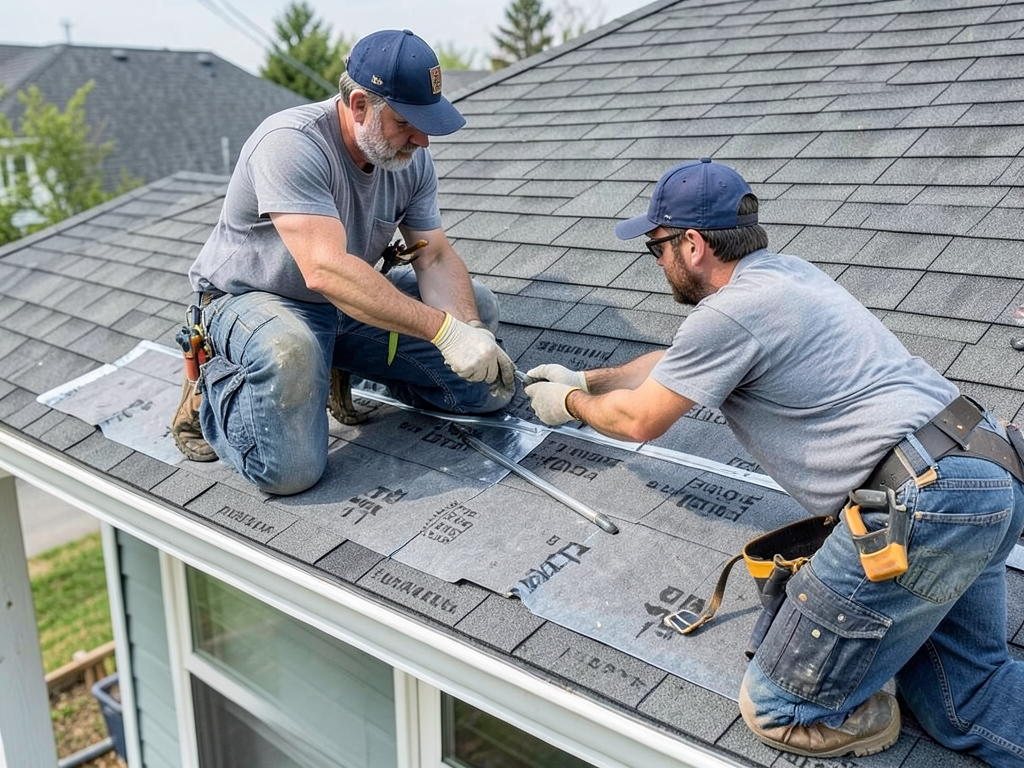
Reliable residential roofing specialists serving Jeffersonville and Clarksville
Homeowners in Jeffersonville and Clarksville face unique roofing challenges from the Ohio River’s humid climate and frequent storm systems that sweep across Southern Indiana. Missing shingles after a windstorm or water stains on your ceiling signal problems that demand immediate attention from experienced specialists who understand local building patterns and weather threats. Clark County building permit requirements.
Roof damage progresses rapidly once moisture penetrates the decking. What starts as a small leak can escalate into structural rot within weeks during Indiana’s humid summers. Professional inspection identifies these issues before they compromise your home’s integrity and lead to expensive interior repairs.
Local building codes in Clark County require specific underlayment materials and ice and water shield installation in valleys and around penetrations. Contractors familiar with these requirements ensure your roof meets all municipal standards while providing maximum protection against the region’s severe weather patterns.
Storm damage assessment and insurance navigation
Hail damage often appears as small dark spots or missing granules on asphalt shingles. These seemingly minor issues compromise the shingle’s protective layer and accelerate deterioration. Professional inspectors use chalk tests and close visual examination to document hail impact patterns that insurance companies require for claims approval.
Wind damage manifests through lifted or curled shingle edges that create entry points for water. The 2023 Clark County building code amendments increased wind resistance requirements for new installations in certain zoning districts. Understanding these specifications helps homeowners select appropriate materials and ensures proper installation methods that withstand regional wind loads.
Insurance claim processes in Southern Indiana follow specific protocols that differ from Kentucky procedures. Documentation requirements include date-stamped photographs, detailed damage assessments, and contractor estimates that align with insurance adjuster findings. Experienced roofing specialists guide homeowners through this process, ensuring all necessary documentation supports the claim.. Read more about Why we are the highest rated roofing team in the Louisville metro area.
Material selection for Southern Indiana climate
Asphalt shingles dominate residential roofing in Jeffersonville and Clarksville due to their cost-effectiveness and proven performance in humid climates. Architectural shingles provide better wind resistance and longer warranties compared to three-tab varieties. The 2024 Owens Corning Duration series offers Class 4 impact resistance that qualifies for insurance premium discounts in Indiana. Owens Corning Duration shingles specifications.
Metal roofing systems gain popularity for their longevity and energy efficiency. Standing seam metal panels reflect solar heat and withstand wind speeds exceeding 140 mph when properly installed. The initial investment typically recovers through reduced cooling costs and minimal maintenance requirements over the system’s 40-70 year lifespan.
Synthetic slate products provide the aesthetic appeal of natural slate without the weight concerns or specialized installation requirements. These polymer-based materials resist algae growth common in humid environments and maintain their color integrity despite UV exposure. The lightweight nature eliminates structural reinforcement needs for most existing homes.
Valley leak repair and flashing systems
Roof valleys concentrate water flow during heavy rains, making them vulnerable to leaks if improperly installed. The valley flashing must extend at least 12 inches up each slope and include a woven shingle pattern that prevents water infiltration. Many valley leaks result from using insufficient underlayment or incorrect shingle overlap techniques.
Chimney and vent flashing failures represent another common leak source in older Jeffersonville homes. Step flashing integrated with counter-flashing creates redundant barriers against water intrusion. The 2026 International Residential Code mandates specific flashing dimensions and installation methods that prevent the separation issues common in older construction methods.
Roof deck inspection reveals hidden moisture damage that compromises structural integrity. Soft spots indicate rot that requires decking replacement before new roofing installation. The moisture content must measure below 15% before applying new underlayment to prevent future condensation issues within the roofing system.
Commercial roofing solutions for Southern Indiana businesses
Flat roof systems on commercial buildings in Clarksville face unique challenges from ponding water and UV exposure. Modified bitumen and TPO membranes provide reliable waterproofing when installed with proper slope and drainage systems. The 2024 energy codes encourage reflective roofing materials that reduce cooling costs for businesses operating in temperature-controlled environments.
Roof coatings extend the life of existing commercial roofing systems by creating UV-resistant barriers that prevent material degradation. Silicone coatings provide superior ponding water resistance compared to acrylic alternatives. The application process requires thorough cleaning and priming to ensure proper adhesion and warranty compliance.
Emergency leak repair services minimize business interruption during severe weather events. Temporary patching materials provide immediate protection while permanent repairs are scheduled. The ability to respond within 24 hours prevents inventory damage and maintains safe working conditions for employees and customers.
Gutter installation and attic ventilation
Proper gutter systems protect your foundation by directing water away from your home’s perimeter. Five-inch K-style gutters handle typical rainfall volumes, while six-inch commercial-grade systems accommodate larger roof areas. Downspout placement requires strategic positioning to prevent soil erosion and basement moisture issues common in Southern Indiana’s clay soils.
Attic ventilation prevents moisture accumulation that leads to mold growth and premature shingle deterioration. The 2026 building code requires one square foot of net free ventilation area for every 150 square feet of attic space. Ridge vents combined with soffit intake vents create continuous airflow that regulates temperature and moisture levels.
Ice dam prevention becomes critical during Southern Indiana’s occasional winter storms. Proper insulation and ventilation prevent the freeze-thaw cycles that cause ice dams to form at roof edges. Heat cables provide additional protection for problem areas where warm air from living spaces contacts cold roof surfaces.
Maintenance programs for long-term protection
Annual roof inspections identify potential problems before they require major repairs. Professional inspectors examine flashing seals, shingle condition, and gutter functionality while checking for signs of animal intrusion or structural movement. Early detection of minor issues prevents the cascade failures that often result in complete roof replacement.
Gutter cleaning and inspection prevent water backup that damages fascia boards and roof edges. Debris accumulation creates ideal conditions for moss and algae growth that degrades roofing materials. The frequency of cleaning depends on surrounding tree coverage and local weather patterns that affect debris accumulation rates.
Roof coating applications provide additional protection for aging systems. Reflective coatings reduce thermal stress on roofing materials while creating waterproof barriers that extend service life. The preparation process includes pressure washing, repairs of damaged areas, and application of primer that ensures proper coating adhesion.
Energy efficiency and environmental considerations
Cool roofing materials reduce heat absorption and lower cooling costs during Southern Indiana’s humid summers. Light-colored shingles and reflective coatings can decrease roof surface temperatures by 50-60 degrees Fahrenheit compared to standard dark materials. The energy savings often offset the higher initial material costs within five to seven years.
Sustainable roofing options include recycled content shingles and metal systems with high recycled material percentages. These environmentally responsible choices reduce landfill waste while providing comparable or superior performance to traditional materials. Many manufacturers now offer take-back programs for old roofing materials to support recycling efforts.
Solar-ready roofing designs accommodate future photovoltaic installations without requiring structural modifications. The additional framing and electrical provisions add minimal cost during initial construction but provide significant savings when homeowners decide to add solar panels. The 2024 Indiana solar incentives make these preparations increasingly attractive for new construction projects.
Emergency services and rapid response
Storm damage requires immediate attention to prevent interior water damage. Emergency tarping services provide temporary protection while permanent repairs are scheduled. The response time for emergency calls typically falls within two to four hours, depending on the severity of the weather event and the number of active calls.
24/7 availability ensures homeowners receive assistance regardless of when damage occurs. After-hours calls are routed to on-call technicians who carry emergency repair materials and equipment. The ability to provide immediate service prevents the secondary damage that often results from delayed response to roof breaches.
Insurance-approved emergency services streamline the claims process by providing documentation that meets adjuster requirements. Detailed damage assessments, temporary repair invoices, and photographs create a clear record of the emergency response that supports the overall insurance claim.
Frequently Asked Questions
How long does a typical roof replacement take in Jeffersonville?
Most residential roof replacements in Jeffersonville and Clarksville require one to three days depending on roof size, complexity, and weather conditions. Weather delays are common during storm season, but experienced contractors maintain flexible schedules to accommodate these interruptions.
What permits are required for roofing work in Clark County?
Clark County requires building permits for roof replacements and major repairs. The permit process includes plan submission and inspection scheduling. Licensed contractors typically handle permit acquisition as part of their service, ensuring all work complies with local building codes and inspection requirements.
How can I tell if my roof needs replacement versus repair?
Age, damage extent, and material condition determine whether repair or replacement is appropriate. Roofs over 20 years old with multiple leak locations often require replacement. Professional inspection using moisture meters and visual assessment provides accurate recommendations based on your specific roof condition and local climate factors.
Do you work with insurance companies for storm damage claims?
Yes, experienced roofing contractors work directly with insurance companies throughout the claims process. They provide detailed damage assessments, documentation requirements, and repair estimates that align with insurance adjuster findings. This coordination ensures claims are processed efficiently and repairs meet all coverage requirements.
Call (502) 678-7557 today to schedule your free inspection
Don’t wait for small problems to become major expenses. Call (502) 678-7557 today to schedule your free roof inspection. Our specialists will assess your roof’s condition, identify potential issues, and provide clear recommendations for repair or replacement. Serving Jeffersonville, Clarksville, and all of Southern Indiana with emergency services available 24/7.
Pick up the phone and call (502) 678-7557 before the next storm hits. Early detection and professional repairs protect your home investment and prevent the costly interior damage that results from delayed roof maintenance. Our team understands the specific challenges of Southern Indiana weather and building requirements.
{
“@context”: “https://schema.org”,
“@type”: “BlogPosting”,
“headline”: “Reliable residential roofing specialists serving Jeffersonville and Clarksville”,
“description”: “Expert roofing services in Jeffersonville and Clarksville. Storm damage repair, roof replacement, and maintenance by licensed specialists. Call (502) 678-7557 for free inspection.”,
“wordCount”: 1639,
“datePublished”: “2026-02-26T07:30:00.000Z”,
“dateModified”: “2026-02-26T07:30:00.000Z”,
“inLanguage”: “en-US”,
“mainEntityOfPage”: {
“@type”: “WebPage”,
“@id”: “https://fortressroofinglouisville.com”
},
“publisher”: {
“@type”: “LocalBusiness”,
“name”: “Fortress Roofing Louisville”,
“url”: “https://fortressroofinglouisville.com”
},
“author”: {
“@type”: “Organization”,
“name”: “Fortress Roofing Louisville”,
“url”: “https://fortressroofinglouisville.com”
},
“image”: {
“@type”: “ImageObject”,
“url”: “https://fortressroofinglouisville.com/wp-content/uploads/2026/03/reliable-residential-roofing-specialists-serving-j-1.png”
}
}
{
“@context”: “https://schema.org”,
“@type”: “RoofingContractor”,
“name”: “Fortress Roofing Louisville”,
“url”: “https://fortressroofinglouisville.com”,
“address”: {
“@type”: “PostalAddress”,
“addressLocality”: “Louisville”
},
“areaServed”: {
“@type”: “City”,
“name”: “Louisville”
}
}
{
“@context”: “https://schema.org”,
“@type”: “FAQPage”,
“mainEntity”: [
{
“@type”: “Question”,
“name”: “How long does a typical roof replacement take in Jeffersonville?”,
“acceptedAnswer”: {
“@type”: “Answer”,
“text”: “Most residential roof replacements in Jeffersonville and Clarksville require one to three days depending on roof size, complexity, and weather conditions. Weather delays are common during storm season, but experienced contractors maintain flexible schedules to accommodate these interruptions.”
}
},
{
“@type”: “Question”,
“name”: “What permits are required for roofing work in Clark County?”,
“acceptedAnswer”: {
“@type”: “Answer”,
“text”: “Clark County requires building permits for roof replacements and major repairs. The permit process includes plan submission and inspection scheduling. Licensed contractors typically handle permit acquisition as part of their service, ensuring all work complies with local building codes and inspection requirements.”
}
},
{
“@type”: “Question”,
“name”: “How can I tell if my roof needs replacement versus repair?”,
“acceptedAnswer”: {
“@type”: “Answer”,
“text”: “Age, damage extent, and material condition determine whether repair or replacement is appropriate. Roofs over 20 years old with multiple leak locations often require replacement. Professional inspection using moisture meters and visual assessment provides accurate recommendations based on your specific roof condition and local climate factors.”
}
},
{
“@type”: “Question”,
“name”: “Do you work with insurance companies for storm damage claims?”,
“acceptedAnswer”: {
“@type”: “Answer”,
“text”: “Yes, experienced roofing contractors work directly with insurance companies throughout the claims process. They provide detailed damage assessments, documentation requirements, and repair estimates that align with insurance adjuster findings. This coordination ensures claims are processed efficiently and repairs meet all coverage requirements.”
}
}
]
}
{
“@context”: “https://schema.org”,
“@type”: “BreadcrumbList”,
“itemListElement”: [
{
“@type”: “ListItem”,
“position”: 1,
“name”: “Home”,
“item”: “https://fortressroofinglouisville.com”
},
{
“@type”: “ListItem”,
“position”: 2,
“name”: “Blog”,
“item”: “https://fortressroofinglouisville.com/blog”
},
{
“@type”: “ListItem”,
“position”: 3,
“name”: “Reliable residential roofing specialists serving Jeffersonville and Clarksville”
}
]
}
{
“@context”: “https://schema.org”,
“@type”: “Service”,
“serviceType”: “Roofing”,
“provider”: {
“@type”: “LocalBusiness”,
“name”: “Fortress Roofing Louisville”,
“url”: “https://fortressroofinglouisville.com”
},
“areaServed”: {
“@type”: “City”,
“name”: “Louisville”
},
“description”: “Expert roofing services in Jeffersonville and Clarksville. Storm damage repair, roof replacement, and maintenance by licensed specialists. Call (502) 678-7557 for free inspection.”
}