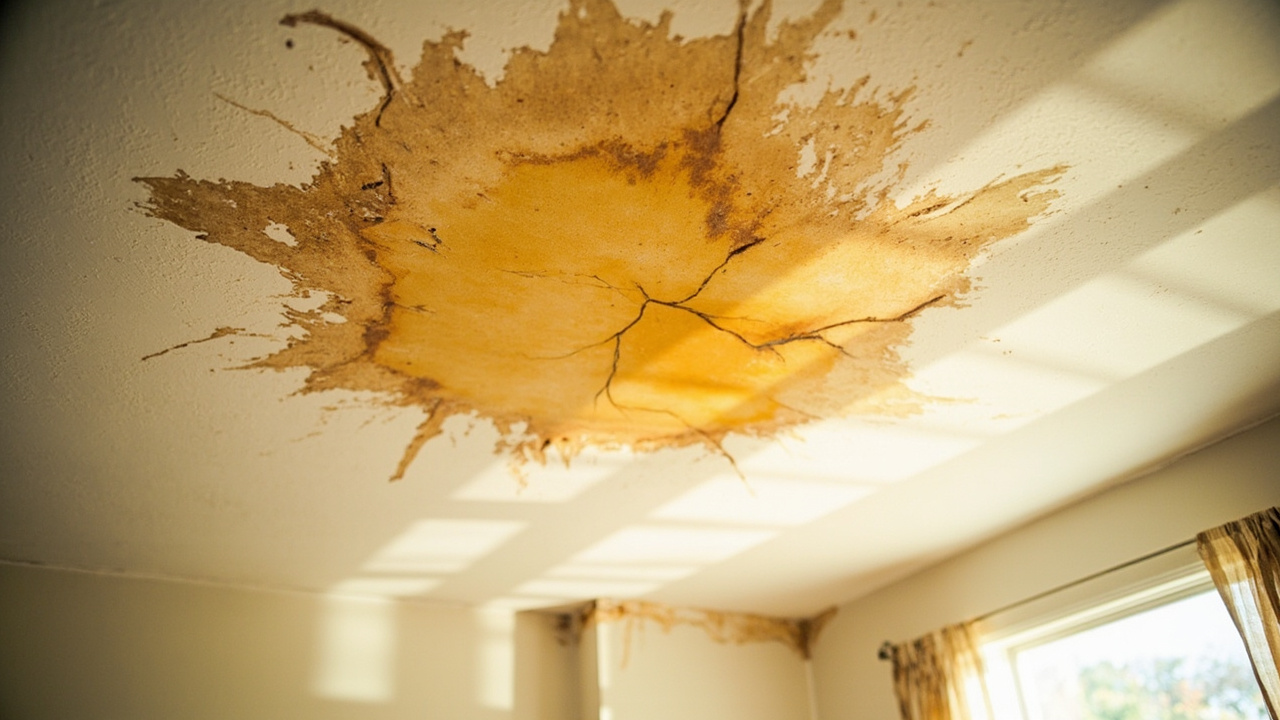
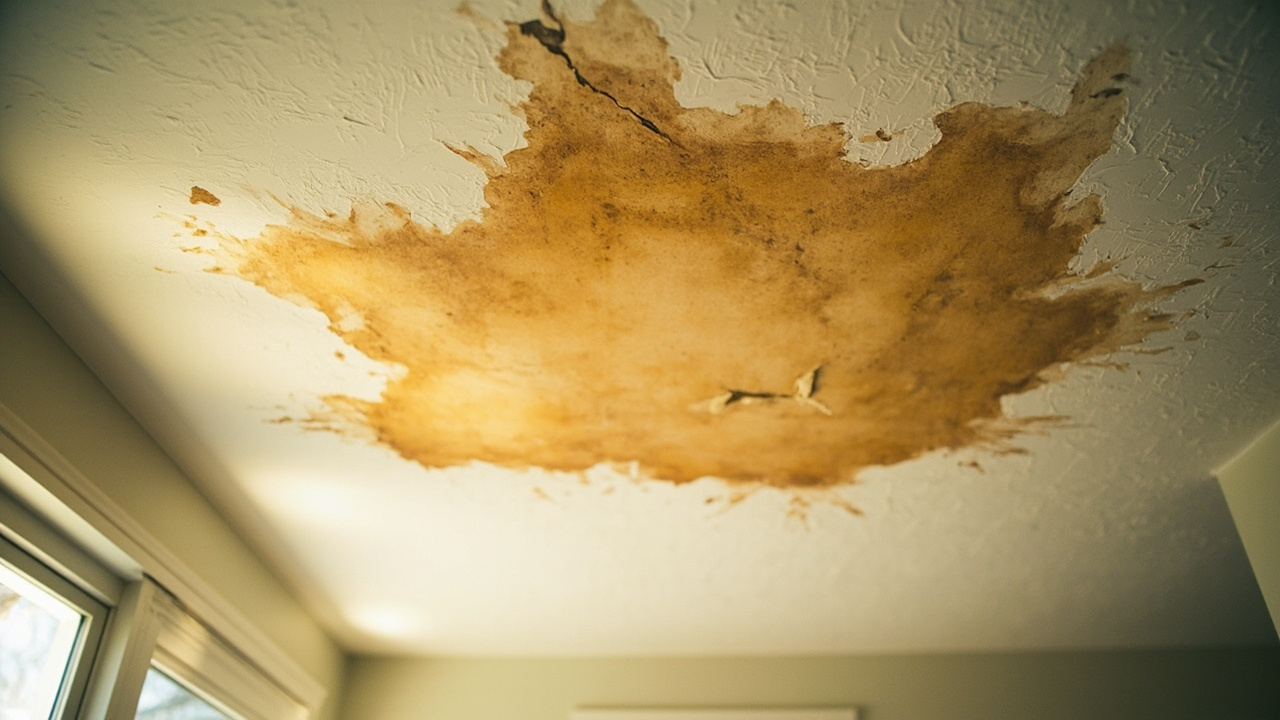
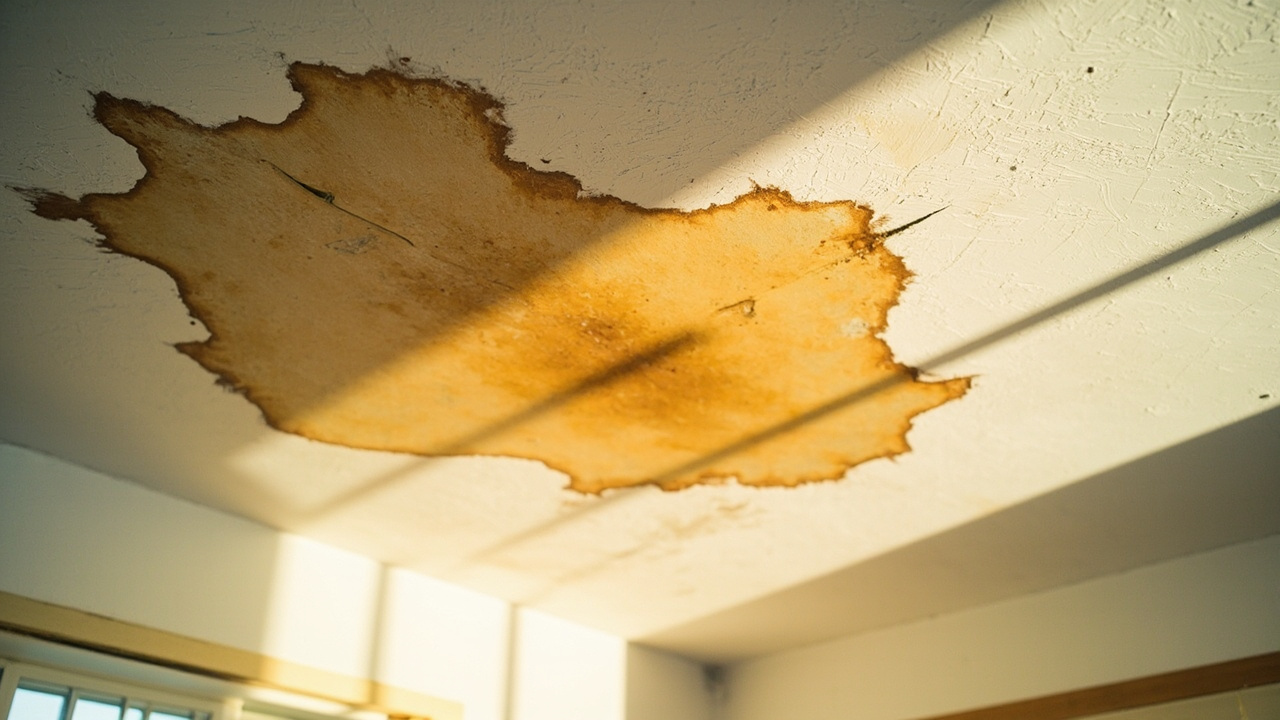
Louisville averages 125 days per year with measurable precipitation. That constant moisture exposure means small roof vulnerabilities become major failures faster than in drier climates. A tiny gap in your chimney flashing lets in water during a spring thunderstorm. Louisville's 70 percent average humidity prevents that moisture from fully drying out. The next rain adds more water. Within months, you have yellow ceiling stains and rotted decking. The Ohio River Valley's humid air accelerates mold growth in attics and wall cavities. What starts as damp ceiling patches can become a health hazard requiring full remediation. This is why early intervention matters in Louisville homes.
Jefferson County building codes require specific underlayment and flashing standards, but many older Louisville homes were built before these requirements existed. Homes in Clifton, Cherokee Triangle, and Old Louisville feature beautiful architectural details but often have original roofing systems that do not meet current standards. Local contractors who understand these vintage roof systems know how to integrate modern waterproofing with historic construction methods. This expertise prevents water intrusion while preserving architectural character. When you hire a Louisville roofing company with deep local experience, you get solutions designed for your specific home style and the regional climate patterns that affect it.